

How do you choose the right baby high chair?
How to choose baby high chair starts with safety, fit, and comfort for your child’s stage. Look for a stable base, proper high chair position that supports posture, and age-appropriate features. The best choice makes feeding safer, reduces mess, and grows with your baby.
How to Choose Baby High Chair: Step-by-Step Guide
⏱ 7 min read
How to choose baby high chair options can feel overwhelming when you’re juggling safety concerns, feeding messes, and your baby’s fast-changing needs. If you’ve ever wondered whether your baby is sitting correctly, slipping too much, or outgrowing gear too fast, this guide walks you through every step so you can choose with clarity and confidence.
Why Choosing the Right High Chair Matters for Everyday Feeding
Feeding time isn’t just about eating. It’s about posture, safety, and learning. The wrong chair can lead to slouching, choking risks, or constant cleanups. The right one helps your baby sit comfortably, focus on food, and build healthy habits from the start.
Many parents assume all chairs are similar. In reality, differences in height, support, and stability directly affect how safely your baby eats. A well-chosen chair also reduces stress for you during busy mornings and long dinners.
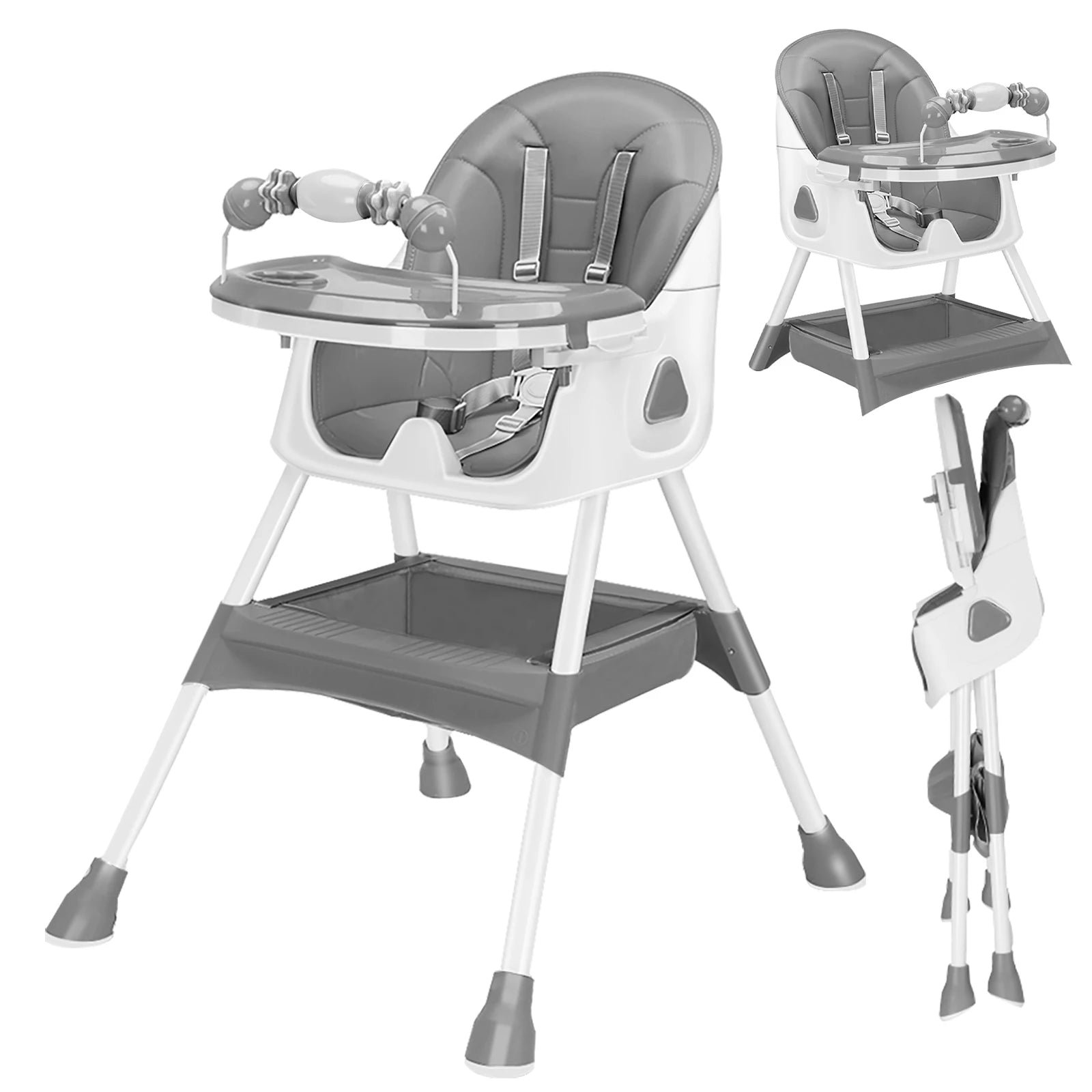
Choosing how to choose baby high chair correctly supports proper high chair position and safer daily feeding 💡 See it in action
When Does a Baby Need a High Chair?
Most babies are ready between 4–6 months, once they can sit with minimal support and show interest in food. This stage is critical because posture and positioning directly affect swallowing and comfort.
- Baby can hold head steady
- Baby sits upright with support
- Baby opens mouth for food
- Baby shows curiosity during meals
Parents browsing Feeding & Nursing essentials often discover that adjustable chairs make this transition smoother and safer.
How to Choose Baby High Chair Step by Step
How to choose baby high chair comes down to matching safety, comfort, and flexibility with your baby’s age and your home setup. Focus on stability first, then posture support, then ease of cleaning and storage.
- Check base stability and anti-tip design
- Confirm adjustable seat and footrest
- Look for secure harness systems
- Choose easy-to-clean materials
- Consider foldable or space-saving designs
This approach helps parents avoid buying multiple chairs as babies grow. Many families combine chairs with tools from Baby Care Essentials for a complete feeding setup.
Proper High Chair Position: Why It Protects Your Baby
Proper high chair position keeps your baby’s hips, knees, and ankles aligned at roughly 90 degrees. This alignment improves swallowing, reduces choking risk, and helps babies stay engaged during meals.
- Feet fully supported
- Back straight, not reclined
- Tray aligned at chest level
- Hips positioned deep in the seat
Parents often overlook footrests, but they’re essential for stability and comfort. Pairing seating with supportive feeding items from Feeding Tools improves posture even more.
What Makes a Safe High Chair You Can Trust?
A safe high chair combines structural stability with secure restraints and non-toxic materials. Safety isn’t just about straps; it’s about how every component works together during active feeding moments.
| Feature | Why It Matters |
|---|---|
| Wide base | Prevents tipping |
| 5-point harness | Keeps baby secure |
| Non-slip feet | Stability on all floors |
| Food-safe materials | Protects baby health |
Many safety-conscious parents also review products in Health & Safety collections to complement their feeding area.
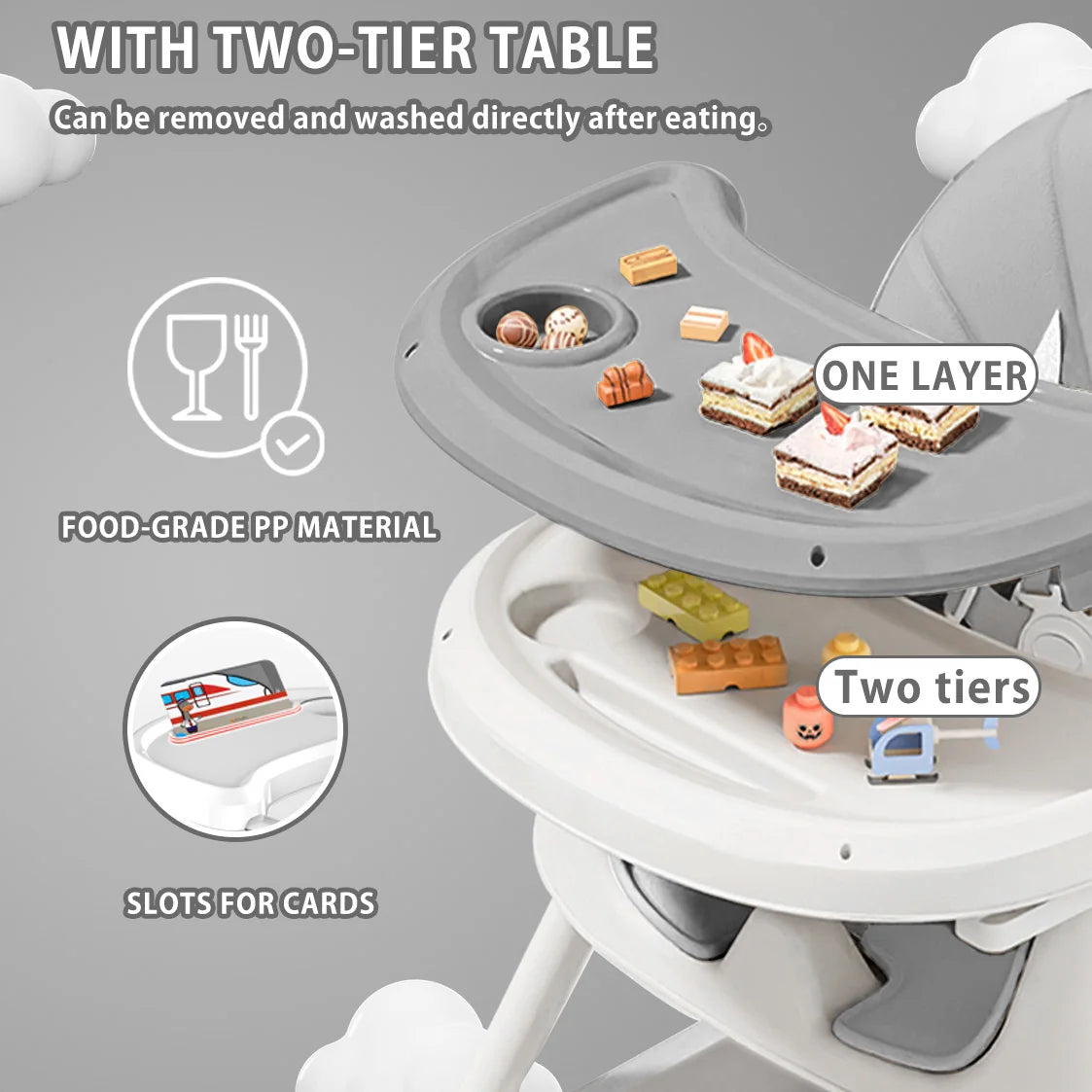
A safe high chair with proper high chair position reduces daily feeding stress 💡 See it in action
Best High Chair for 6 Month Old Babies: What to Look For
The best high chair for 6 month old babies offers upright support, a secure harness, and adjustable height. At this stage, babies need guidance, not freedom to slide or slump.
- Infant insert for extra support
- Adjustable tray depth
- Easy height adjustments
- Soft but wipeable seat
Parents often appreciate foldable designs that work well in small kitchens, especially when paired with compact items from Baby Growth & Learning spaces.
Common High Chair Mistakes Parents Make
Even well-meaning parents make small mistakes that affect feeding safety. Awareness helps prevent daily frustration and potential hazards.
- Skipping foot support
- Using reclined positions for solids
- Loose harness straps
- Ignoring weight limits
Correcting these mistakes early improves comfort and builds positive eating habits.
High Chair Types Compared at a Glance
| Type | Best For | Limitations |
|---|---|---|
| Traditional high chair | Daily home feeding | Takes more space |
| Foldable high chair | Small kitchens | Fewer adjustments |
| Convertible chair | Long-term use | Higher upfront cost |
Many families choose foldable options for flexibility and storage convenience.
What Real Parents Say After Switching Chairs
Parents often report fewer spills, calmer babies, and shorter cleanup times after choosing a better-fitting chair. One mom shared that her baby stopped pushing food away once foot support was added. Another noted improved posture and less gagging during meals.
These everyday improvements build confidence during a phase that already feels overwhelming.
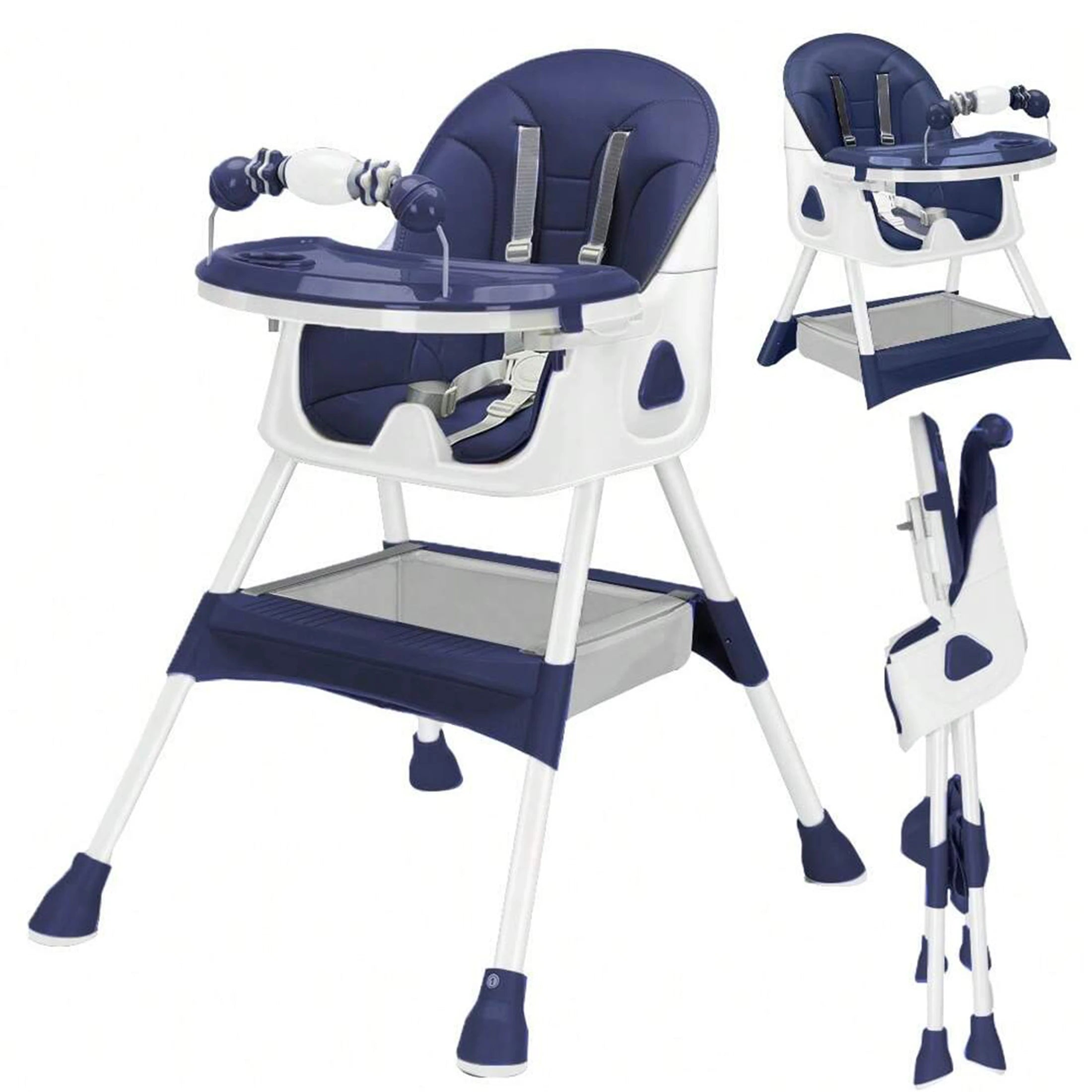
Choosing how to choose baby high chair wisely supports safe high chair habits 💡 See it in action
Quick FAQ
Can a baby sit in a high chair too early?
Yes. If a baby cannot sit upright with head control, using a high chair may increase choking risk. Always wait until your baby shows readiness signs.
How tight should the harness be?
The harness should be snug enough to prevent sliding but comfortable enough to allow natural movement. You should fit two fingers between straps and baby.
Is a footrest really necessary?
Yes. A footrest improves stability, posture, and swallowing coordination, making feeding safer and calmer.
How often should I clean the high chair?
Wipe after every meal and deep clean weekly to prevent bacteria buildup and odors.





