

How to Encourage Toddler Eating Without Power Struggles
How can you encourage toddler eating without power struggles?
How to encourage toddler eating starts with creating calm routines, offering age-appropriate foods, and giving your child control through simple choices. When parents respond gently to infant feeding refusal, use safe infant feeding utensils, and respect natural curiosity—even when a month old not feeding self—mealtimes become cooperative, stress-free, and nourishing.
How to Encourage Toddler Eating Without Power Struggles
⏱ 8 min read — If you’ve ever begged, bribed, or battled your toddler to take “just one more bite,” you’re not alone. Learning how to encourage toddler eating without tears or tension means understanding what’s happening inside your child’s body and brain—and adjusting your approach to meet them where they are. This guide walks you through gentle, science-backed strategies that build trust, curiosity, and lifelong healthy habits.
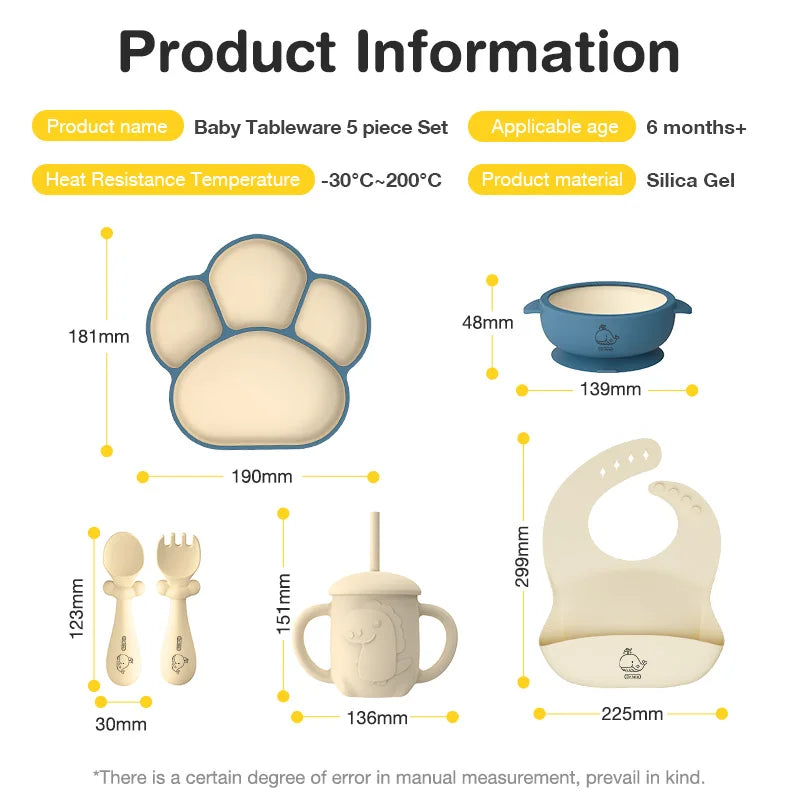
How to encourage toddler eating with calm routines and the right infant feeding utensils — 💡 See it in action
Why Toddlers Refuse Food (And It’s Not Your Fault)
Toddlers are wired to test boundaries. Appetite fluctuates daily, textures can feel overwhelming, and independence becomes more important than hunger. Infant feeding refusal is often about control—not taste. When a month old not feeding self, it’s usually a developmental stage, not a failure.
- Growth spurts and slow-downs affect hunger
- New textures can feel scary
- Too much pressure triggers resistance
- Distractions reduce awareness of hunger
Instead of asking, “Why won’t my child eat?” try, “What does my child need to feel safe, curious, and in control?”
Explore calming solutions in our Feeding & Nursing collection.
Gentle Ways to Start Mealtimes
How to encourage toddler eating begins before the first bite. The environment matters as much as the food itself.
- Serve meals at predictable times
- Offer 2–3 simple food options
- Let your child decide how much to eat
- Model relaxed eating yourself
Small rituals—washing hands together, sitting in the same spot, using the same plate—signal safety. These cues reduce anxiety and build trust.
Helpful mealtime tools live in our Feeding Tools collection.
👉 Curious which tools support calmer mealtimes? Discover gentle feeding solutions parents trust.
Tools That Make Feeding Easier
Sometimes, the right tools remove hidden obstacles. Slippery bowls, oversized spoons, or loud materials can frustrate little hands.
- Soft-tip spoons protect sensitive gums
- Sectioned plates reduce overwhelm
- Non-slip bases prevent spills
- Lightweight cups build confidence
Choosing the right infant feeding utensils helps toddlers feel capable. Confidence fuels appetite.
Our favorite option for daily use is the Children’s Silicone Tableware Set, designed for tiny hands and big independence.
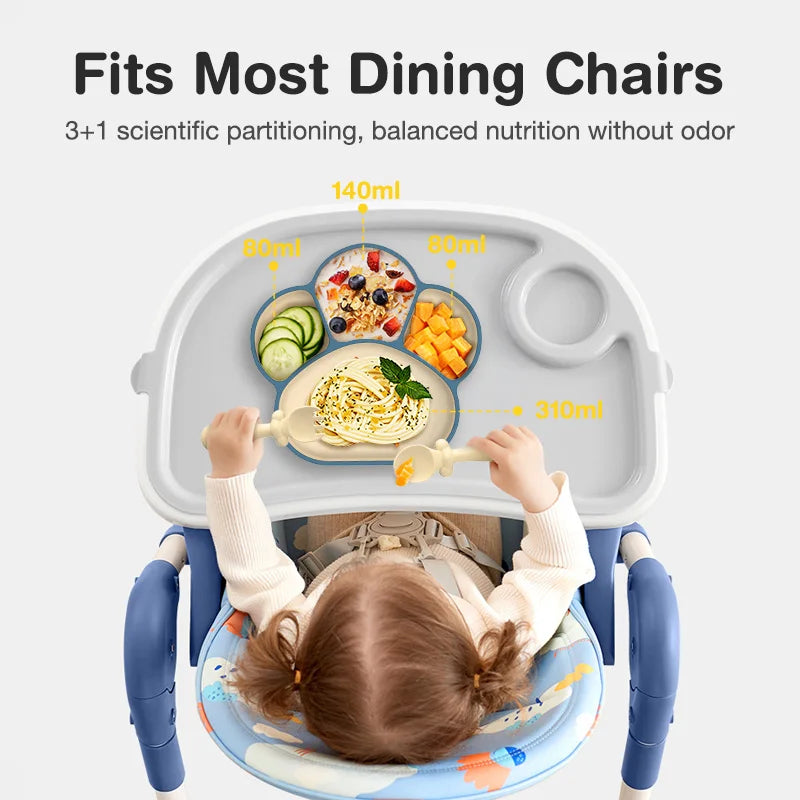
Infant feeding utensils that support independence — 💡 See it in action
Step-by-Step: Building a Positive Routine
How to encourage toddler eating is about consistency, not perfection. Try this simple daily flow:
- Start with one familiar food
- Add one new or mixed texture
- Let your child explore with hands
- Offer water between bites
- End meals calmly—no pressure
When meals end peacefully, even if little is eaten, trust grows. Appetite follows trust.
Support routines with sensory-safe tools from Baby Care Essentials.
Handling Picky Phases Without Stress
Picky phases are normal. They often peak between 18–36 months. The goal isn’t to “fix” your child—it’s to guide them.
| Helpful | Not Helpful |
|---|---|
| Offering choices | Forcing bites |
| Eating together | Chasing with a spoon |
| Letting them touch food | Rushing meals |
Remember: exposure builds acceptance. A child may need 10–15 exposures before liking a food.
Encourage curiosity through play with Sensory Toys.
What Other Parents Are Saying
“Once we stopped forcing bites and switched to better utensils, our son started eating again—on his own!” — Amanda, CA
“Mealtimes used to be battles. Now they’re calm, even fun.” — Marcus, TX
Parents report fewer tears, longer sitting times, and more food exploration after switching to supportive routines and tools.
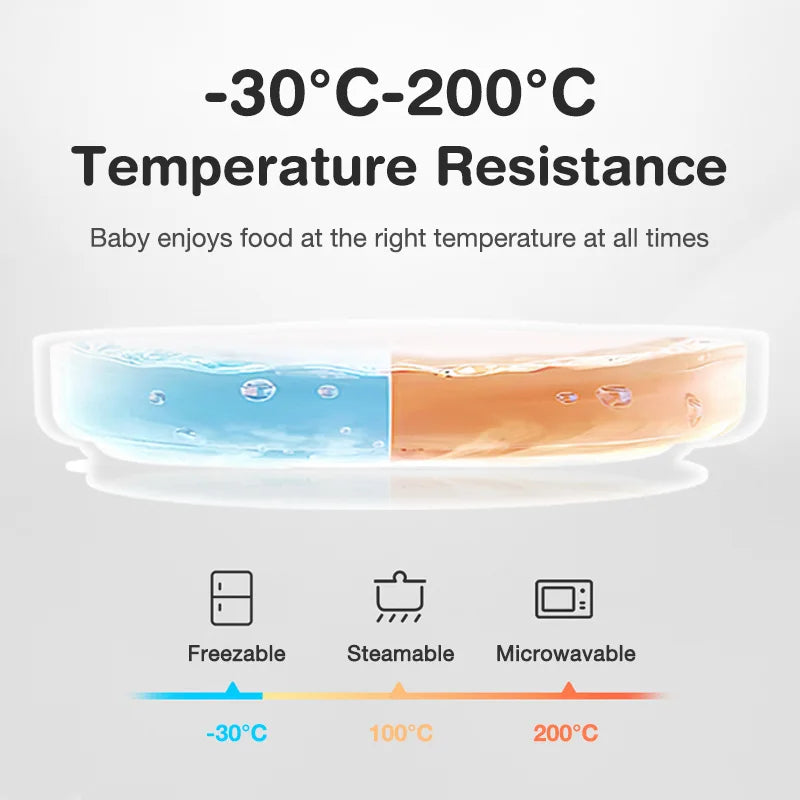
Gentle routines help overcome infant feeding refusal — 💡 See it in action
Ready to make mealtimes easier? Try the Children’s Silicone Tableware Set today.
Mini FAQ
Is it normal for toddlers to skip meals?
Yes. Appetite varies daily based on growth, activity, and mood. Trust your child’s cues.
What if my child refuses everything?
Keep offering familiar foods with small variations. Avoid pressure.
Can utensils really make a difference?
Yes. Properly sized, soft, non-slip utensils increase independence and reduce frustration.
Explore more calming solutions in Baby Care Tips & Advice.
👉 Make mealtimes calmer today — gentle tools, happy bites, less stress.





