

How to introduce solids 4 months safely?
How to introduce solids 4 months starts with watching readiness signs, offering smooth single-ingredient foods, and keeping milk as the main nutrition. Introducing solids slowly helps infant eating solids develop safely while reducing choking, digestion issues, and long-term feeding struggles.
How to Introduce Solids 4 Months: Step-by-Step Guide
⏱ 9 min read
How to introduce solids to infants can feel overwhelming, especially when advice conflicts and mistakes feel high stakes. If you’re wondering whether your 4-month-old is ready, what foods are safe, or how to avoid common problems, this guide walks you through infant eating solids with clarity, confidence, and calm.
Is your baby really ready for solids, or just curious about your food? Let’s find out together.
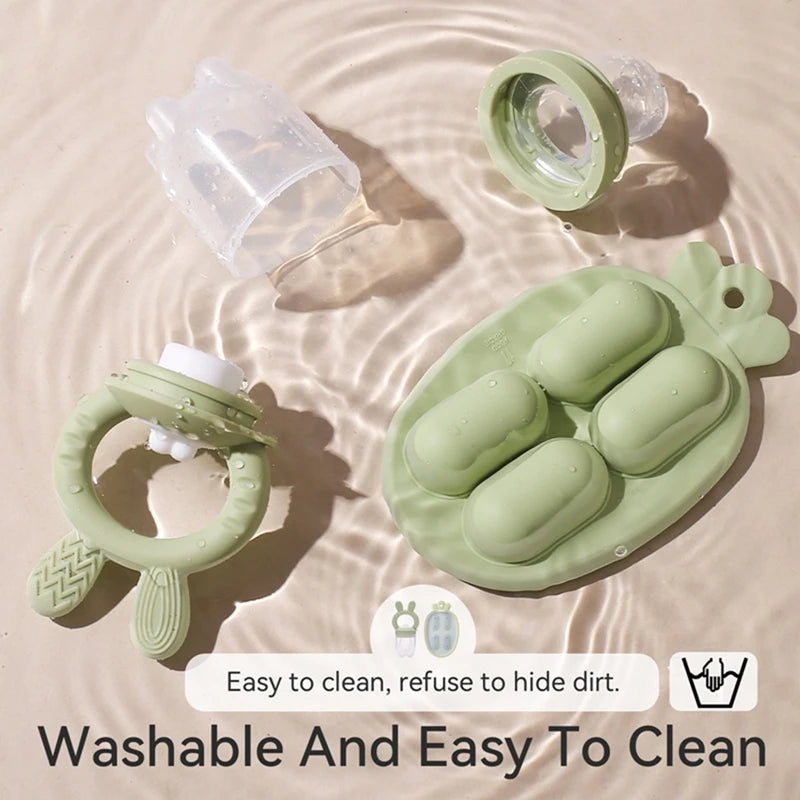
How to introduce solids 4 months with calm, safe first bites 💡 See it in action
Why Parents Consider Solids at 4 Months
Many parents notice their baby watching meals closely, opening their mouth when food appears, or waking more often at night. These moments often spark questions about early introduction of solids to infants. While curiosity alone isn’t readiness, understanding why families consider solids helps you make informed, confident choices.
Some parents hope solids will improve sleep. Others worry milk isn’t enough. In reality, infant eating solids is about skill development, not calories. Milk remains the primary source of nutrition well past the first tastes.
Having the right support tools from Feeding & Nursing can help keep this stage calm instead of chaotic.
Signs Your Baby May Be Ready for Solids
How to introduce solids 4 months safely depends on readiness—not age alone. Pediatric guidance emphasizes physical and developmental cues.
- Good head and neck control
- Ability to sit with support
- Loss of tongue-thrust reflex
- Interest in food without frustration
If these signs are missing, waiting a few weeks protects digestion and reduces choking risks. Readiness creates confidence for both baby and parent.
Step-by-Step: How to Introduce Solids 4 Months
How to introduce solids 4 months begins with slow, intentional steps that prioritize safety and comfort. Start small, stay consistent, and observe your baby closely.
- Offer milk first so hunger doesn’t cause stress
- Choose a calm time of day
- Use a soft spoon or feeder designed for beginners
- Introduce one smooth food at a time
- Watch reactions, not quantity eaten
Many parents prefer tools from Feeding Tools that support self-exploration while limiting choking risk.
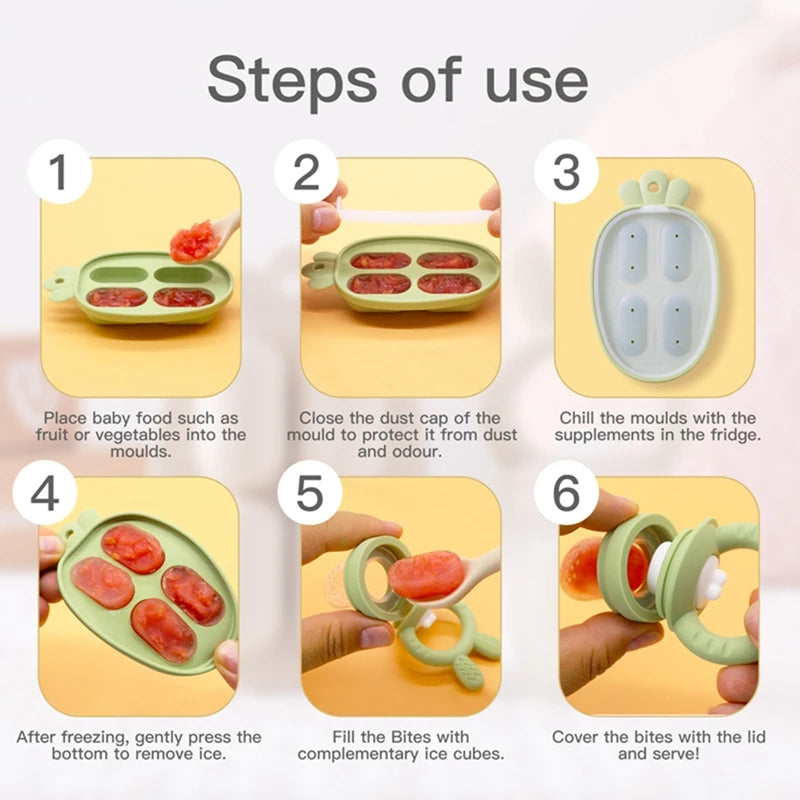
Infant eating solids step by step for safer early feeding 💡 See it in action
Best First Foods for Infant Eating Solids
Early foods should be smooth, single-ingredient, and easy to digest. Texture matters more than variety at this stage.
- Pureed avocado
- Steamed and blended pear or apple
- Iron-fortified infant cereal
- Soft banana offered safely
Using a silicone baby fruit feeder allows babies to explore flavors while reducing choking risk, especially during early introduction of solids to infants.
Introducing Solids to Infants Schedule
Introducing solids to infants schedule should feel flexible, not rigid. One short session daily is enough at first.
| Age | Frequency | Focus |
|---|---|---|
| 4–5 months | Once daily | Taste and texture |
| 5–6 months | 1–2 times daily | Skill building |
Support posture and comfort with products from Baby Care Essentials.
Feeding During Teething Without Stress
Teething often overlaps with infant eating solids. Swollen gums can make spoon feeding uncomfortable.
Cold fruit in a feeder, chilled purees, or short feeding sessions can help. Parents report fewer meltdowns when feeding feels soothing rather than forced.
Many families pair feeding time with calming routines using Massage & Relaxation products.
Common Mistakes to Avoid
- Starting solids before readiness signs
- Offering thick or chunky textures too soon
- Replacing milk feeds with solids
- Forcing bites after refusal
Avoiding these mistakes supports long-term eating confidence and reduces stress for everyone involved.
Safe Infant Feeding Essentials
Safe infant feeding goes beyond food choice. Environment, tools, and supervision matter.
- Always supervise meals
- Keep baby upright
- Use age-appropriate feeders
- Clean tools thoroughly
Parents often rely on Health & Safety collections to reduce everyday feeding risks.
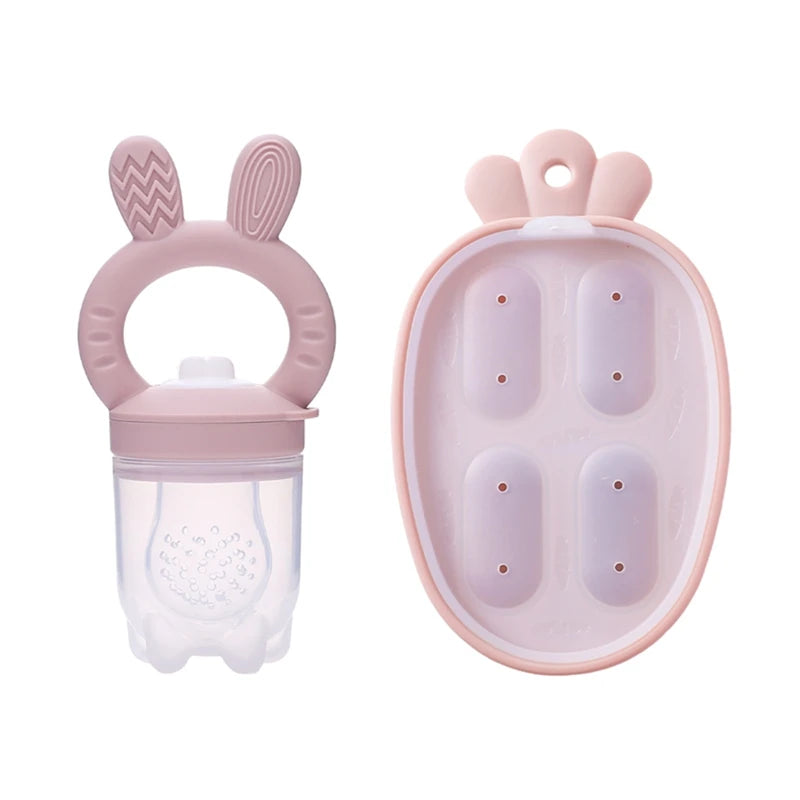
How to introduce solids 4 months safely and confidently 💡 See it in action
Quick Parent FAQs
Is it safe to start solids at 4 months?
Some babies show readiness around 4 months, but safety depends on development, not age. Always look for head control, sitting support, and interest in food before starting.
How much should my baby eat?
At this stage, a few spoonfuls are enough. Infant eating solids is about learning, not filling up.
Can solids help my baby sleep longer?
Solids do not guarantee better sleep. Milk remains the main source of nutrition, and sleep patterns vary by baby.





