

How do you introduce solids to infants safely?
How to introduce solids to infants starts with readiness, not age alone. Babies should sit with support, show interest in food, and lose the tongue-thrust reflex. Begin with smooth textures, small portions, and single ingredients to reduce choking risks and avoid the real dangers of introducing solids too early.
How to Introduce Solids to Infants Without Common Mistakes
⏱ 7 min read
How to introduce solids to infants can feel overwhelming, especially when advice from family, social media, and even labels all seem to conflict. Are they ready? Are you too late? Too early? This guide walks you through infant eating solids with clarity, helping you avoid feeding during teething pitfalls and understand the dangers of introducing solids too early—without pressure or confusion.
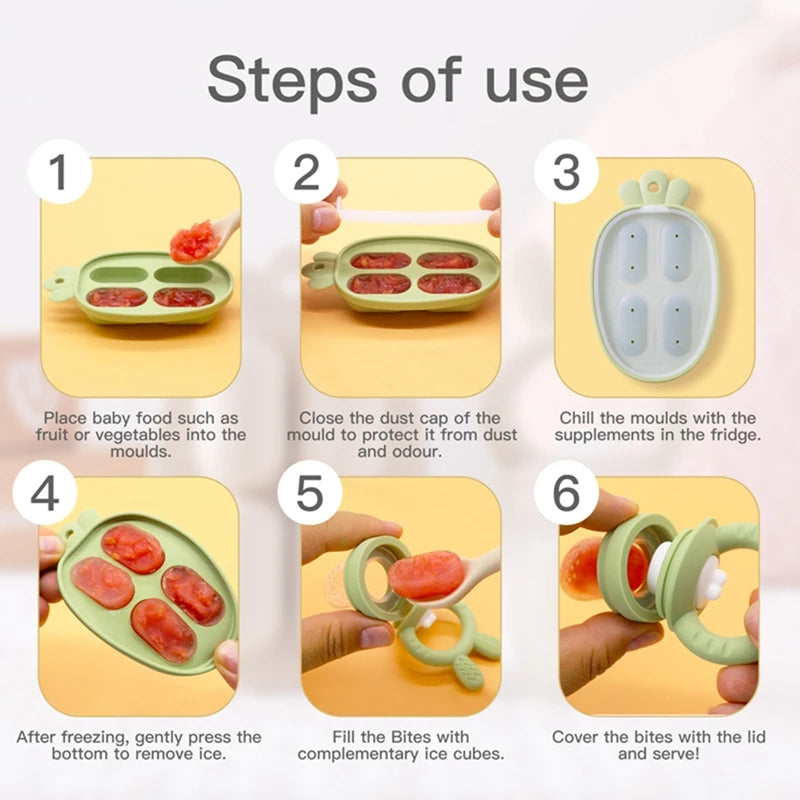
Infant eating solids made easier with safer textures and calmer routines 💡 See it in action
How to Tell If Your Baby Is Ready for Solids
How to introduce solids to infants successfully depends on readiness cues, not calendar milestones. Babies develop feeding skills at different rates, and starting before they’re ready increases choking and digestive discomfort.
- Sits upright with minimal support
- Shows interest when others eat
- Opens mouth when food approaches
- No longer pushes food out with the tongue
Parents often mistake chewing on toys or waking more at night as hunger signs. These are usually developmental or sleep-related, not signals to begin infant eating solids.
Why Timing Matters More Than Age
How to introduce solids to infants too early can disrupt gut development and increase allergy risks. Most babies are ready around six months, but some need more time.
The dangers of introducing solids too early include:
- Higher choking risk
- Digestive upset and constipation
- Reduced breastmilk or formula intake
- Increased food sensitivities
If your baby isn’t ready, waiting a few weeks can prevent months of feeding frustration.
Choosing Safer Textures for First Foods
How to introduce solids to infants begins with texture before taste. Smooth, single-ingredient foods reduce overwhelm and help babies learn oral control.
Good starter options include:
- Soft mashed fruits and vegetables
- Purées thinned with breastmilk or formula
- Soft foods offered via mesh or silicone feeders
Many parents find tools from Feeding Tools helpful for managing textures while keeping exploration safe.
Feeding During Teething Without Stress
Feeding during teething often feels chaotic. Sore gums can reduce appetite, making parents worry about intake.
Cold, soft foods can soothe gums while supporting infant eating solids. Silicone feeders allow babies to self-soothe while tasting new flavors, reducing fussiness.
During teething weeks, focus on exposure rather than volume. A few tastes still build familiarity and confidence.
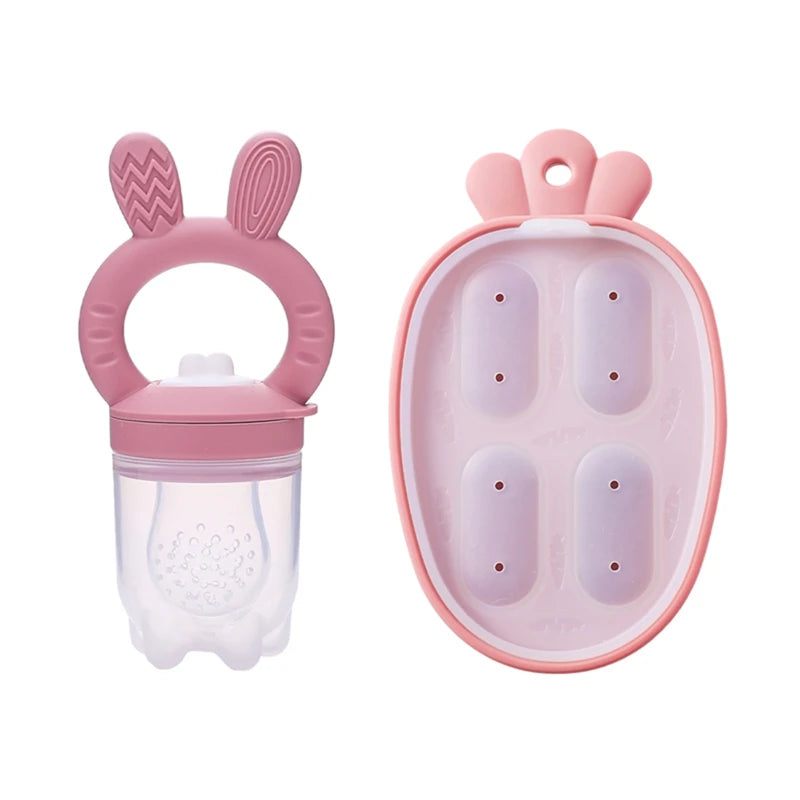
Feeding during teething with safer tools supports calmer meals 💡 See it in action
Comparing First Feeding Options for Babies
| Option | Pros | Cons | Best For |
|---|---|---|---|
| Spoon Feeding | Simple, familiar | Messy, less self-feeding | Very early exposure |
| Finger Foods | Encourages independence | Choking risk if too firm | Babies with strong sitting skills |
| Silicone Feeders | Controls texture, reduces choking | Needs cleaning | Teething and early solids |
Parents exploring infant eating solids often combine methods based on comfort and readiness.
Step-by-Step: How to Introduce Solids to Infants
How to introduce solids to infants works best with a calm, repeatable routine that removes pressure.
- Start after milk feeding when baby is relaxed
- Offer one new food at a time
- Begin with smooth textures
- Watch reactions, not portion size
- Gradually increase variety and texture
Supportive environments, high chairs, and tools from Feeding & Nursing can make early meals more comfortable.
Common Baby Feeding Mistakes to Avoid
- Rushing textures before baby is ready
- Offering solids to replace milk feeds
- Ignoring gagging versus choking differences
- Feeding during teething without comfort support
Understanding these pitfalls reduces anxiety and builds trust in your baby’s abilities.
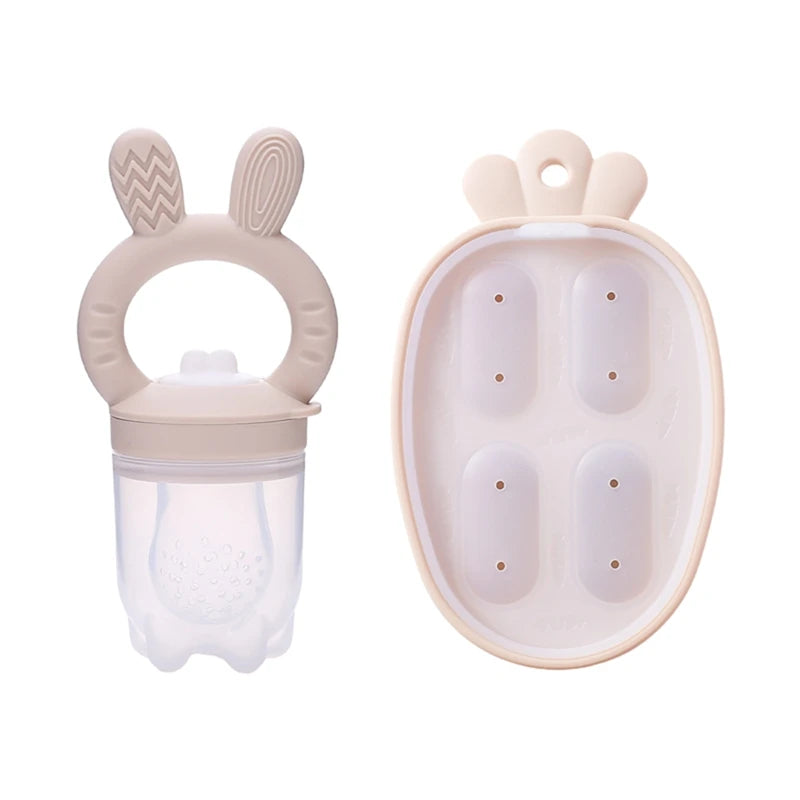
Introducing solids safely builds confidence for parents and babies 💡 See it in action
Frequently Asked Questions About Starting Solids
Can my baby start solids before six months?
Some babies show readiness slightly earlier, but starting too soon increases the dangers of introducing solids too early. Always prioritize developmental signs over age.
Is feeding during teething safe?
Yes, with soft textures and soothing options. Feeding during teething works best when comfort and exploration are the goal.
How much should my baby eat at first?
Very little. Early infant eating solids is about learning, not nutrition volume. Milk remains the primary source of nourishment.
Related Guide: Introducing Solids to Infant: Top 7 Foods to Start Safely





