

How can parents prevent cup spills during baby and toddler mealtimes?
How to prevent cup spills starts with age-appropriate cups, steady routines, and simple grip training. Using a spill proof bottle or spill proof straw cups, refilling at the right time, and guiding sipping posture can cut spills by up to 80%, reduce milk on clothes, and help kids drink confidently at every meal.
⏱ 8 min read
How to Prevent Cup Spills at Every Mealtime
How to prevent cup spills is one of the most common frustrations parents face once babies start self-feeding. One moment your child is proudly sipping, the next there’s milk on clothes, puddles on the floor, and extra laundry waiting. Sound familiar? The good news is that spills aren’t a parenting failure—they’re usually a setup issue. With the right tools, timing, and habits, you can dramatically reduce mess while helping your child build real drinking skills.
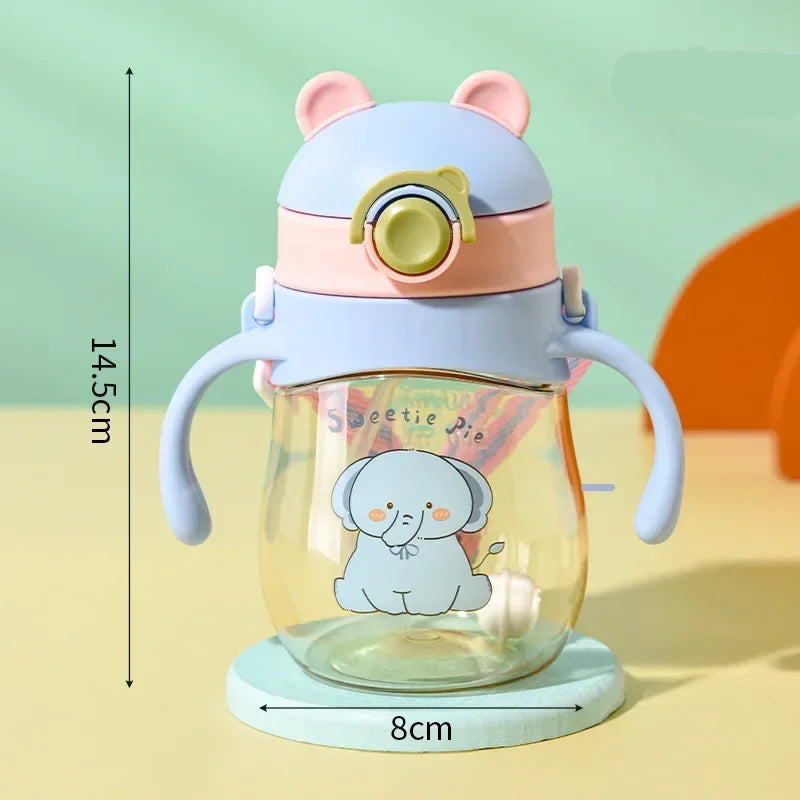
How to prevent cup spills starts with the right setup and spill proof straw cups 💡 See it in action
Why Cup Spills Happen So Often
Before fixing the mess, it helps to understand why spills happen in the first place. Most parents assume their child is being careless, but spills usually come from mismatched cups or unrealistic expectations.
- Grip strength is still developing, especially before age two.
- Many cups are filled too full, increasing splash risk.
- Traditional open cups offer no flow control.
- Distractions during meals cause sudden movements.
When these factors combine, even calm meals can end with milk on clothes. The solution isn’t hovering—it’s smarter preparation.
How to Prevent Cup Spills Step by Step
How to prevent cup spills works best when parents combine the right cup, correct fill level, and guided practice. Start with a spill proof bottle or straw-based design, fill it only halfway, and teach slow sips while seated upright. Consistency across meals builds confidence and reduces accidents fast.
- Choose a controlled-flow cup: Look for straw or valve systems.
- Fill halfway only: Less liquid means less spill force.
- Seat your child upright: Slouching increases tipping.
- Pause refills: Refill after meals, not mid-play.
- Practice daily: Short, calm practice beats correction.
Parents who follow these steps often notice fewer spills within days, not weeks.
Choosing the Right Cup for Each Stage
Not all cups are equal. Matching the cup to your child’s developmental stage is one of the fastest ways to stop spills.
Infants (6–9 months)
- Soft straw or spout with gentle flow
- Lightweight body for easy lifting
- Spill-resistant valve
At this stage, a spill proof bottle gives babies confidence without overwhelming them.
Toddlers (9–24 months)
- Spill proof straw cups with anti-leak seals
- Textured grips for sweaty hands
- Durable, drop-resistant materials
This is when milk on clothes becomes common—but also preventable.
Explore supportive options inside Feeding Tools and Feeding & Nursing collections to match each phase.
Daily Habits That Keep Tables Dry
Even the best cup can’t fix poor routines. Small habit changes make a big difference.
- Serve drinks after the first few bites of food.
- Use placemats with grip to prevent sliding.
- Remove cups once your child finishes drinking.
- Dress kids in easy-wash tops during practice meals.
Parents report fewer outfit changes when these habits become routine.
Cup Types Compared: What Really Works
| Cup Type | Spill Control | Skill Building | Best For |
|---|---|---|---|
| Open Cup | ❌ Low | ✅ High | Supervised practice |
| Spout Cup | ⚠️ Medium | ⚠️ Medium | Short transitions |
| Spill Proof Bottle | ✅ High | ⚠️ Medium | Infants |
| Spill Proof Straw Cups | ✅ High | ✅ High | Daily toddler meals |
This comparison shows why straw-based designs are often the sweet spot for mess-free meals.
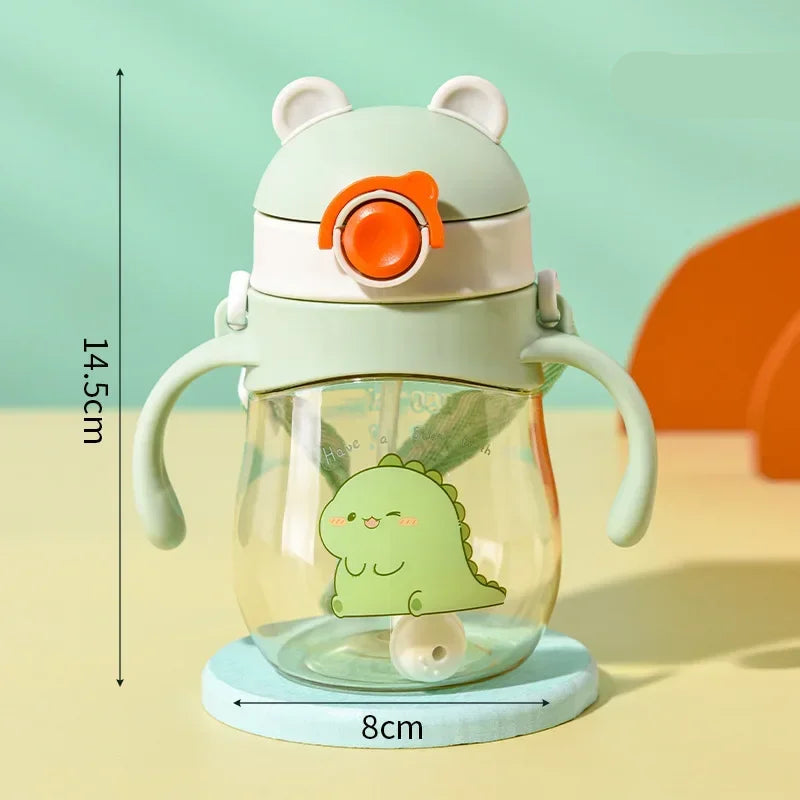
Spill proof straw cups help reduce milk on clothes during busy meals 💡 See it in action
Real-Life Mealtime Scenarios Parents Recognize
Breakfast rush: A half-filled straw cup prevents splashes when your toddler insists on holding it alone.
Lunch on the go: Leak-resistant lids keep bags dry.
Dinner distractions: Removing the cup after drinking prevents tipping during play.
These small adjustments often matter more than buying multiple cup styles.
For added peace of mind, many parents pair feeding routines with items from Baby Care Essentials and Health & Safety.
A Smarter Cup Designed for Fewer Spills
How to prevent cup spills becomes easier with a cup designed for real-life parenting. This straw-based drinking cup supports natural sipping, limits sudden flow, and stays sealed even when tipped. Parents report noticeably less milk on clothes within the first week of use, especially during unsupervised sips.
- Anti-choke straw for safer sipping
- Sealed lid to reduce leaks
- Easy-grip shape for small hands
- Simple parts for fast cleaning
Many families introduce this cup during the toddler transition phase and continue using it for months.
👉 Get yours now — limited stock!
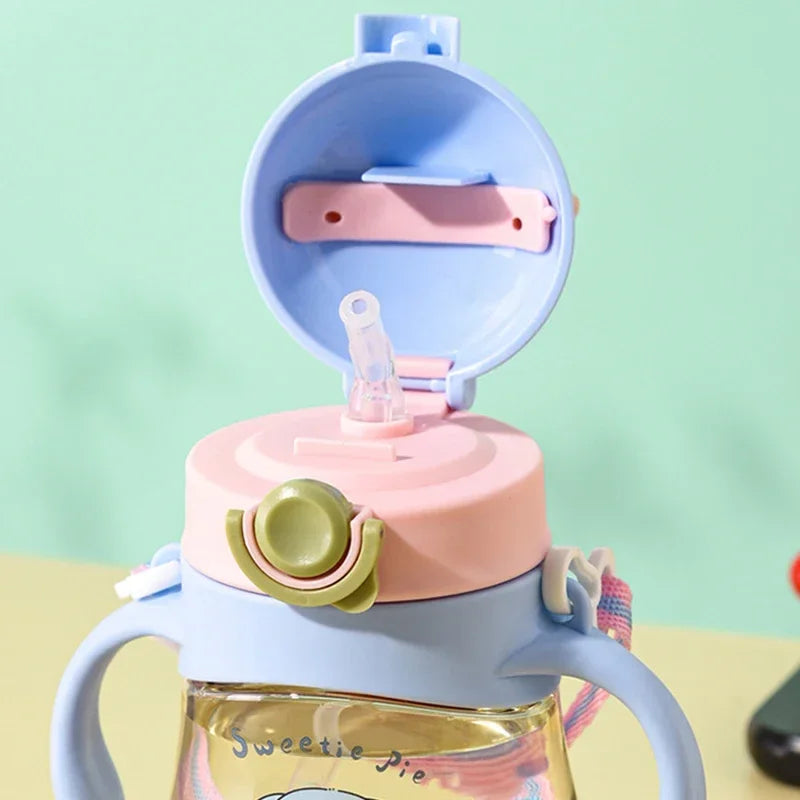
A spill proof bottle alternative that keeps tables dry and kids confident 💡 See it in action
Mini FAQ
At what age can kids use spill proof straw cups?
Most babies can start using spill proof straw cups around 6–9 months with guidance. Toddlers benefit the most as it reduces spills while supporting independent drinking.
Will spill proof cups slow skill development?
No. When used correctly, straw cups support oral motor skills while preventing mess, making them a practical everyday option.
How do I reduce milk on clothes without constant supervision?
Use controlled-flow cups, fill halfway, remove cups after drinking, and keep routines consistent across meals.





