

How can you stop milk leaking from breast naturally?
How to stop breast milk leaking starts with understanding why leaks happen and making small, practical adjustments. Most breast milk leaking is caused by your let-down reflex, temporary oversupply, feeding timing, and pressure changes. With consistent routines, supportive nursing products, and realistic expectations, you can reduce excessive leaking while maintaining a healthy milk supply.
How to Stop Breast Milk Leaking Naturally: A Step-by-Step Guide
⏱ 9 min read
How to stop breast milk leaking is one of the most common concerns for new breastfeeding parents. Waking up with soaked clothing, leaking through shirts during the day, or dripping from the opposite breast while feeding can feel frustrating and unpredictable. Fortunately, leaking is usually a normal part of breastfeeding. By understanding why it happens and using simple daily strategies, you can manage leaks confidently without interfering with your milk production.
Understanding how to stop breast milk leaking begins with knowing how your body regulates milk production.
Why Does Breastfeeding Leaking Happen?
Breastfeeding leaking is a natural result of your body's milk production system. During the first several weeks after birth, your hormones often produce more milk than your baby consistently needs. As your supply gradually adjusts to your baby's feeding patterns, leaking usually becomes less frequent.
How milk production and let-down cause leaks
Your breasts continuously make milk based on supply and demand. When oxytocin triggers the let-down reflex, milk is released through the milk ducts. A strong let-down reflex can cause milk to drip or even spray before your baby begins feeding or while nursing from the opposite breast.
Leaking breast milk is especially common:
- During the first 6–12 weeks postpartum
- When breasts become very full
- Between longer feeding intervals
- During periods of temporary oversupply
Common breastfeeding leak triggers
- Hearing your baby cry
- Thinking about feeding your baby
- Warm showers
- Long gaps between feeds or pumping sessions
- Pressure from sleeping positions or tight clothing
- Stress followed by sudden relaxation
Understanding these triggers helps normalize breastfeeding leaking and makes it easier to prepare before leaks happen.
Is Breast Milk Leaking Normal?
Yes. Breast milk leaking is normal for many breastfeeding parents and usually doesn't indicate a problem with your milk supply.
What's considered normal leaking?
- Milk dripping from one breast while feeding on the other
- Leaking when breasts feel especially full
- Occasional soaking overnight
- Small leaks between feeds during early postpartum
When leaking may need medical advice
Although leaking itself is usually harmless, consider speaking with your healthcare provider or a lactation consultant if you experience:
- Persistent painful engorgement
- Repeated clogged ducts or mastitis symptoms
- Very forceful spraying that makes feeding difficult
- Constant leaking accompanied by significant discomfort
- Bloody discharge or unusual breast changes
These symptoms may suggest oversupply or another breastfeeding issue that benefits from personalized support.
How to Stop Breast Milk Leaking
Learning how to stop breast milk from leaking doesn't mean stopping milk production. Instead, the goal is to reduce unnecessary pressure and better manage your let-down reflex.
Feed or pump consistently
Keeping a relatively consistent feeding or pumping schedule prevents excessive fullness that often leads to leaking. Try not to wait until your breasts feel overly engorged.
Reduce let-down leaks
If you notice your let-down beginning, gently apply pressure with your forearm or palm against the leaking breast for several seconds. Some parents also find it helpful to cross their arms briefly until the strongest part of the let-down passes.
Choose supportive bras
Wear soft, supportive nursing bras that fit properly. Tight bras may create pressure points, while bras that are too loose allow unnecessary breast movement that may trigger leaks.
Use milk collection methods
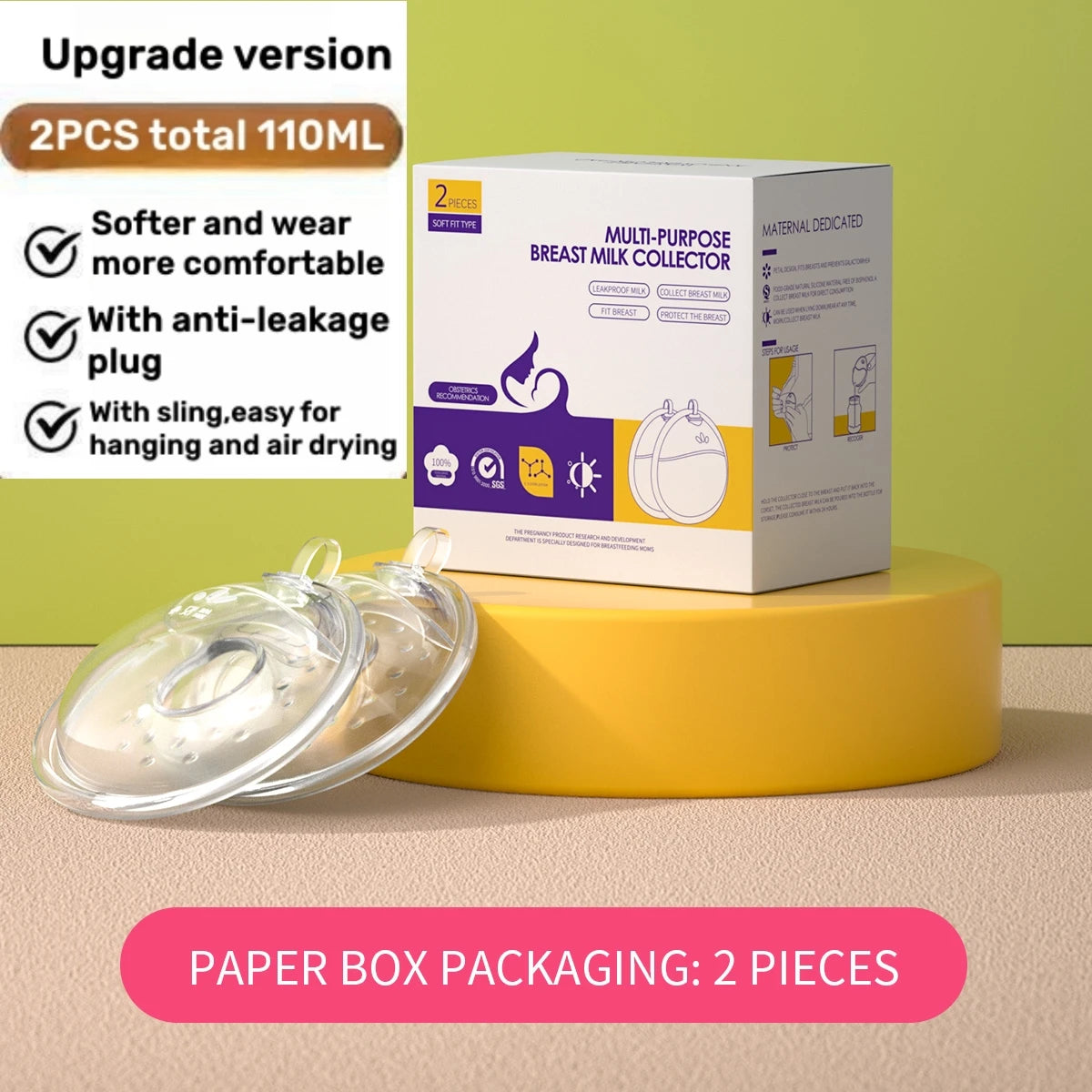
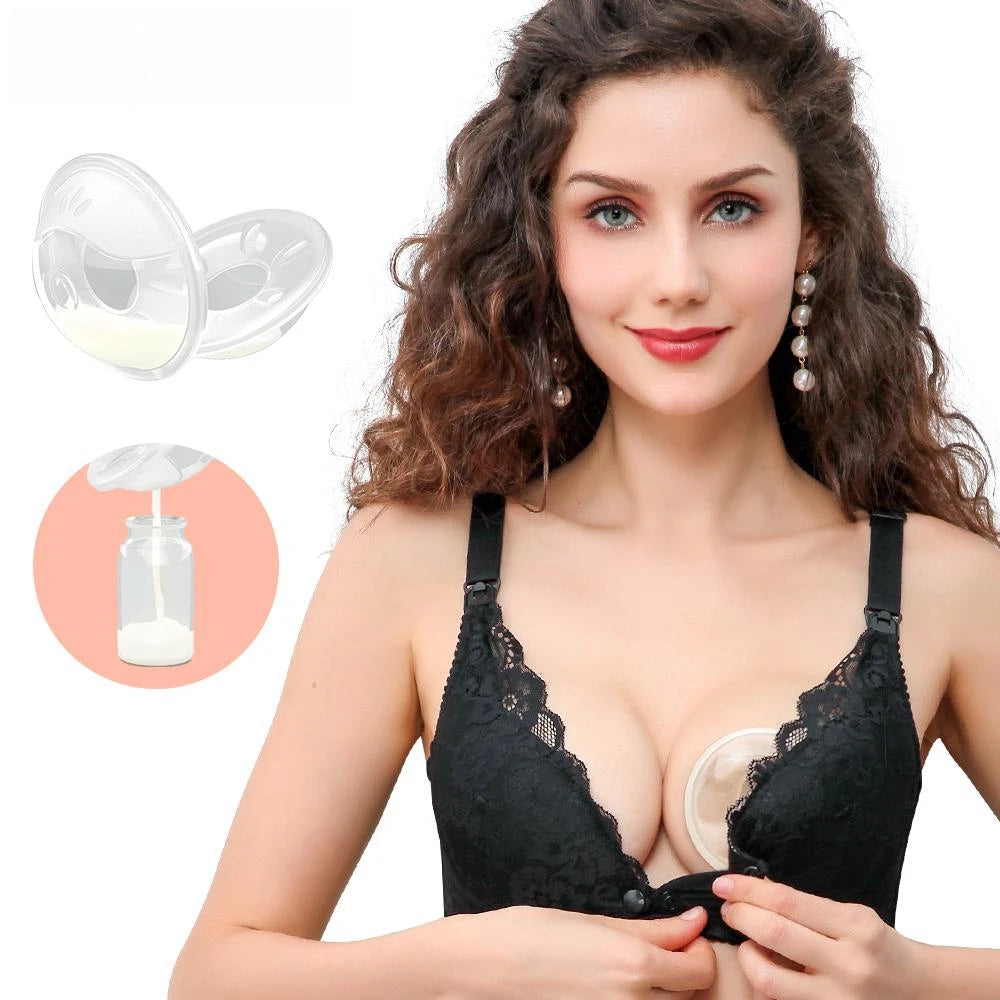
Rather than allowing milk to soak into disposable pads, passive milk collectors can collect leaking milk without pumping or increasing stimulation.
Helpful solutions can be found in Breastfeeding Aids and Feeding & Nursing collections.
Managing Leaking During Everyday Breastfeeding
Leaking while breastfeeding often occurs during daily activities, especially when you're away from home. Preparing ahead helps you stay comfortable and confident.
While feeding
- Place a milk collector on the opposite breast.
- Keep a reusable nursing pad nearby for quick changes.
- Have a burp cloth available to catch fast let-downs.
Between feeds
- Feed before leaving the house whenever possible.
- Wear breathable nursing pads inside your bra.
- Choose layered or patterned clothing that disguises small leaks.
- Avoid waiting until breasts become overly full.
At work or in public
- Carry extra nursing pads and a spare shirt.
- Schedule pumping sessions close to your baby's normal feeding routine.
- Wear dark or patterned fabrics for additional confidence.
- Use discreet passive collectors during longer outings.
How to Prevent Leaking Breast Milk While Sleeping
Leaking breast milk while sleeping is especially common because prolactin levels remain higher overnight and feeding intervals are often longer.
Nighttime feeding routine
- Feed or pump shortly before going to bed.
- Avoid going excessively long without emptying full breasts.
Sleep positions
- Wear a comfortable sleep nursing bra.
- Choose positions that reduce direct pressure on full breasts.
Protecting bedding
- Place a towel or waterproof mat under your upper body during the early weeks.
- Keep spare nursing pads and sleepwear nearby.
- Store a passive milk collector beside your bed for overnight use.
Comfort-focused items from Sleep & Comfort and Mom Essentials can make nights easier and less stressful.
Managing breast milk leaking during the day and overnight becomes easier with consistent routines.
Products That Help Manage Breastfeeding Leaks
The right products won't stop milk production, but they can make breastfeeding leaking much easier to manage.
Disposable vs reusable nursing pads
| Feature | Disposable Pads | Reusable Pads |
|---|---|---|
| Best for | Heavy leaks, travel | Daily use |
| Comfort | Soft and convenient | Breathable and washable |
| Cost over time | Higher | Lower |
Breast shells vs milk collectors
| Product | Best Use |
|---|---|
| Breast shells | Protect sore nipples and reduce clothing friction |
| Passive milk collectors | Collect dripping breast milk without pumping |
When to use each option
Parents with occasional leaks often prefer reusable nursing pads, while those with heavier let-downs frequently benefit from passive milk collectors. Breast shells may be useful when nipple tenderness is also present.
Parents often combine collectors with items from Feeding Tools and Baby Care Essentials for smoother routines.
Breastfeeding Leak Scenarios and Solutions
Leaking when baby cries
Hearing your baby's cry commonly triggers oxytocin release before feeding begins. Wearing nursing pads or applying gentle pressure can help control unexpected leaks.
Leaking during pumping
If one breast leaks while pumping the other, use a passive collector instead of letting milk go to waste.
Leaking from the opposite breast
Milk leaking from the opposite breast while feeding is one of the most common breastfeeding experiences. It simply reflects a strong let-down reflex and doesn't necessarily indicate oversupply.
Common Mistakes That Make Breast Milk Leaking Worse
Skipping feeds
Long gaps between nursing sessions increase breast fullness and pressure, making leaks more likely.
Wearing tight bras
Poorly fitting bras may create pressure points and reduce overall comfort during breastfeeding.
Ignoring engorgement
Repeated engorgement can increase leaking while also raising the risk of clogged ducts. Address fullness early with regular feeding or pumping rather than waiting until discomfort develops.
When Does Breastfeeding Leaking Stop?
Typical timeline
For many breastfeeding parents, leaking gradually improves between 6 and 12 weeks postpartum as milk production becomes better matched to the baby's needs.
Factors that affect duration
- Individual milk supply
- Oversupply or strong let-down reflex
- Growth spurts that temporarily increase feeding frequency
- Pumping routines
- Changes during weaning
Some parents continue experiencing occasional leaks for several months, especially during nighttime or while feeding from one breast.

Most breastfeeding leaking gradually improves as milk supply naturally regulates.
Frequently Asked Questions
Why does breast milk leak from the opposite breast while feeding?
The let-down reflex usually affects both breasts simultaneously. While your baby nurses from one side, milk may naturally leak from the other.
How long does breastfeeding leaking usually last?
Many parents notice significant improvement after 6–12 weeks postpartum as milk supply becomes better regulated, although occasional leaks may continue longer.
Can leaking breast milk reduce my milk supply?
No. Normal leaking does not reduce milk supply. Your body continues producing milk based primarily on how frequently milk is removed through breastfeeding or pumping.
Is leaking a sign of oversupply?
Not always. Leaking is very common during early breastfeeding. However, heavy leaking combined with frequent engorgement and forceful let-downs may suggest temporary oversupply.
How can I stop leaking breast milk at night?
Feed or pump before bedtime, wear a comfortable sleep nursing bra with absorbent pads, and keep a passive milk collector nearby if overnight leaks are frequent.
Should I pump every time my breasts leak?
No. Pumping every time you leak may encourage your body to produce more milk. Unless you're replacing a feeding or relieving significant fullness, simple leak management is usually sufficient.
What products work best for heavy breast milk leaking?
Many parents combine reusable or disposable nursing pads with passive milk collectors. The best choice depends on how much milk leaks and whether you want to collect it for later use.
When should breast milk leaking be checked by a healthcare professional?
Seek professional advice if leaking is accompanied by severe pain, repeated clogged ducts, fever, bloody nipple discharge, or persistent engorgement that doesn't improve with regular breastfeeding.





