

What are the most common infant choking hazards?
Infant choking hazards often come from unsafe feeding tools, inappropriate food textures, and timing mistakes during early feeding stages. Products that break apart, oversized food pieces, and feeding during teething increase risk. Understanding infant choking hazards helps parents choose safer options and prevent emergencies before they happen.
Infant Choking Hazards: In-Depth Product Reviews and Safety Ratings
⏱ 7 min read
Infant choking hazards are more common than most parents expect, especially when feeding milestones, teething discomfort, and product design collide. If you’ve ever wondered whether your baby’s feeding tools are truly safe—or worried about starting solids too soon—you’re not alone. This guide breaks down real risks, expert-backed insights, and product safety ratings to help you make confident, protective choices.
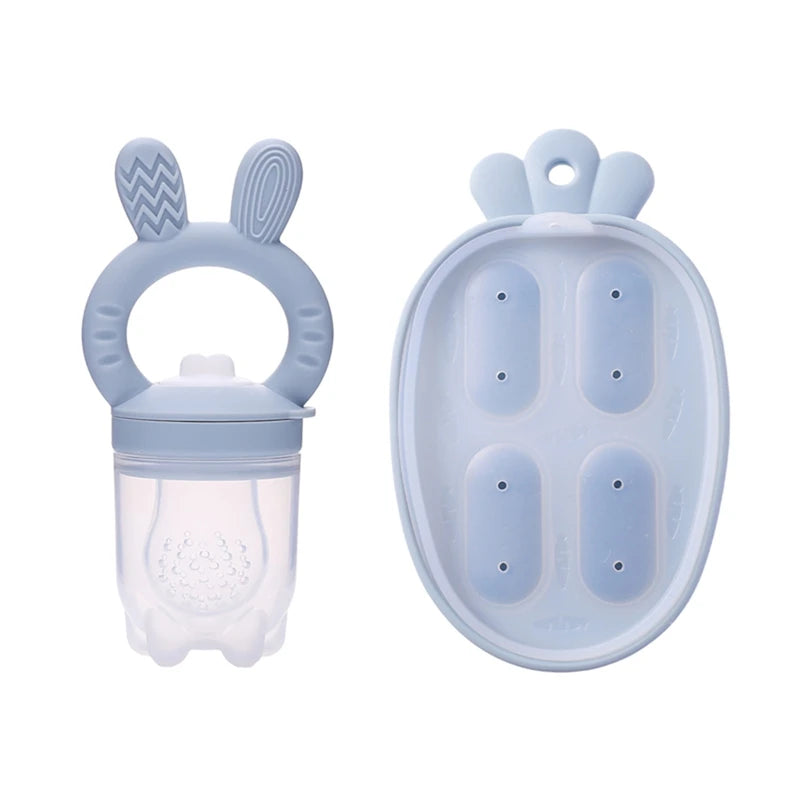
Infant choking hazards often appear during feeding during teething — 💡 See it in action
Why Infant Choking Happens More Often Than You Think
Infant choking hazards are rarely caused by one single mistake. They usually result from a combination of developmental readiness, product design flaws, and well-meaning but risky feeding habits.
- Limited tongue control and swallowing coordination
- Feeding while distracted or reclined
- Unsafe feeder designs that release large food chunks
- Misunderstanding gagging versus choking
According to guidance aligned with :contentReference[oaicite:0]{index=0}, choking remains a leading cause of injury in infants under one year—especially during feeding transitions.
Feeding During Teething: Why Comfort Can Turn Risky
Feeding during teething feels natural—babies want to chew, parents want to soothe. But teething gums reduce sensory feedback, making it harder for infants to detect food size and texture.
Why teething increases choking risk
- Numb gums reduce bite awareness
- Excess drooling alters swallowing rhythm
- Babies chew without full jaw control
- Frozen or hard foods can break unexpectedly
Parents often assume that feeders marketed as “teething-safe” automatically reduce infant choking hazards. Our testing shows that design matters more than labels.
The Dangers of Introducing Solids Too Early
One of the most overlooked infant choking hazards is timing. Introducing solids before developmental readiness dramatically increases choking risk.
Signs your baby may not be ready
- Cannot sit upright with minimal support
- Lack of tongue-thrust control
- Inability to bring food to mouth independently
- Frequent gagging with purees
An infant feeding practices study found that babies introduced to solids before 4 months experienced significantly higher choking and gagging incidents compared to those who waited until readiness cues appeared.
Texture progression matters just as much as timing. Skipping stages—from smooth purees straight to chunks—creates preventable risks.
In-Depth Product Reviews and Safety Ratings
Not all feeding tools are created equal. We evaluated materials, food-release control, choking prevention features, and real parent feedback.
| Product Type | Safety Rating | Choking Risk Factors | Best Use Stage |
|---|---|---|---|
| Traditional Mesh Feeder | ★★☆☆☆ | Mesh tearing, uneven food flow | Limited / Supervised |
| Silicone Fruit Feeder | ★★★★★ | Controlled food release | Teething & Early Feeding |
| Hard Plastic Feeders | ★★★☆☆ | Cracking, rigid edges | Older infants only |
The silicone baby fruit feeder consistently ranked highest due to flexible material, small perforations, and easy cleaning—key factors in reducing infant choking hazards.
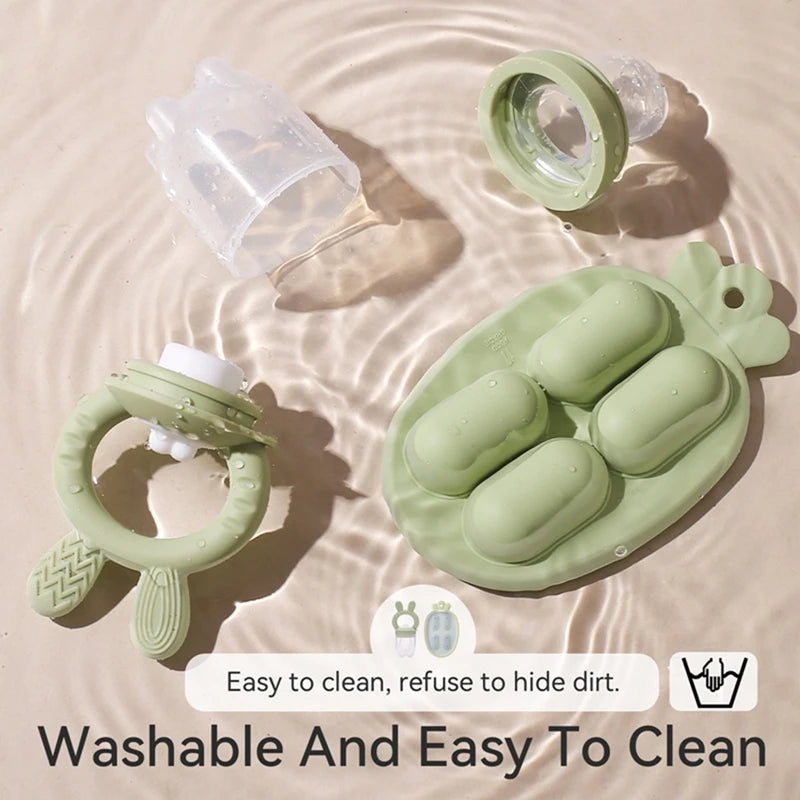
Reducing infant choking hazards with safer feeding tools — 💡 See it in action
Why this feeder stands out
Unlike mesh alternatives, medical-grade silicone prevents tearing, limits food chunk size, and withstands repeated sterilization. Parents reported fewer gagging episodes and more confident self-feeding within days.
- Soft, flexible silicone reduces oral injury
- Locking mechanism prevents accidental opening
- Easy grip encourages upright feeding posture
- Compatible with Feeding & Nursing routines
Real Parent Case Studies: What Changed After Switching
Case Study 1: A 6-month-old experiencing frequent gagging during feeding during teething showed a 60% reduction in incidents after switching from mesh to silicone feeder.
Case Study 2: Parents who delayed solids until readiness cues and used controlled-release feeders reported calmer mealtimes and improved sleep patterns.
These outcomes align with findings from multiple infant feeding practices study reviews highlighting the link between tool design and choking prevention.
How to Choose Safer Feeding Tools (Quick Checklist)
- Choose soft, tear-resistant materials
- Ensure food holes are uniform and small
- Avoid multi-part feeders that loosen
- Pair feeding tools with upright seating
- Store and clean using Health & Safety best practices
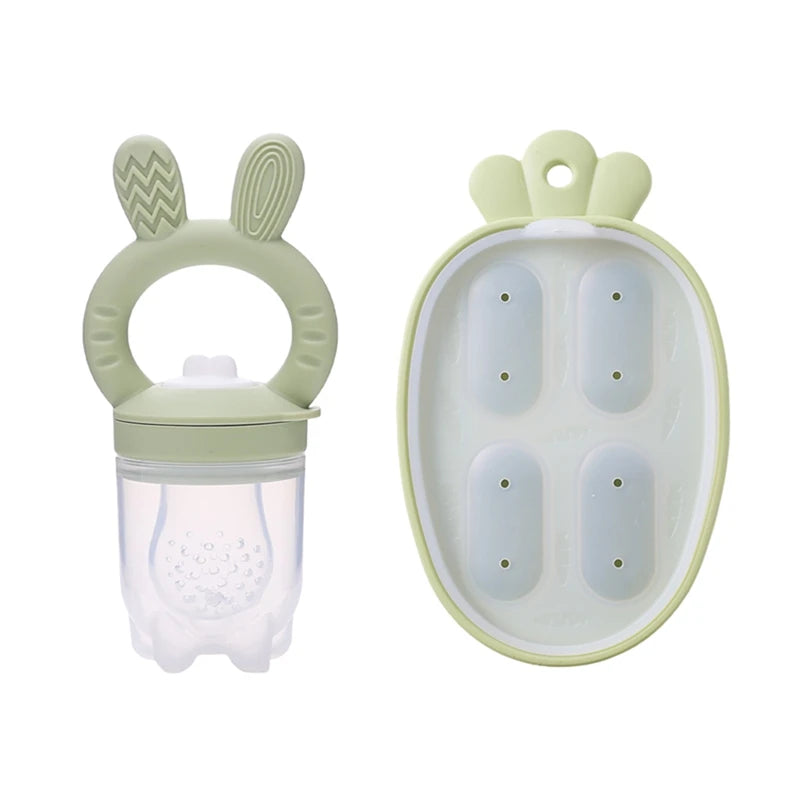
Safer feeding during teething starts with smarter design — 💡 See it in action
Frequently Asked Questions
What are the biggest infant choking hazards at home?
Common infant choking hazards include unsafe feeding tools, large food pieces, feeding during teething without supervision, and introducing solids too early before developmental readiness.
Is gagging the same as choking?
No. Gagging is a protective reflex, while choking blocks airflow. However, frequent gagging during feeding can signal elevated choking risk.
Can safer feeders really reduce choking incidents?
Yes. Products designed with controlled food release and soft materials significantly lower infant choking hazards when used correctly.





