

Baby Suction Plates That Actually Work: Top 5 Tested
Which infant suction plate stays put best during messy meals?
The infant suction plate that stays put best combines a wide suction base, flexible silicone edges, and a smooth underside that seals tightly on common surfaces. In real tests, full silicone feeding set designs outperformed basic infant suction bowls, offering stronger grip, safer silicone non toxic materials, and fewer spills during active toddler meals.
Infant Suction Plate Showdown: Which Stays Put Best
⏱ 7 min read
Mealtime with a baby can feel like a daily stress test. One second your child is happily scooping food, the next a plate is airborne. If you’ve ever wondered whether an infant suction plate actually works—or if it’s just another gadget—you’re not alone. We compared popular designs on real surfaces to see which options truly help keep food where it belongs.
Flying bowls, flipped plates, and sticky cleanups are common frustrations for parents starting solids. The promise of a strong-grip plate sounds great, but not all suction is created equal. So which styles actually hold up when little hands pull, twist, and test limits?
Infant suction plate and infant suction bowls compared for grip and stability 💡 See it in action
Why Suction Strength Matters for Babies
Strong suction isn’t about convenience alone—it’s about safety and learning. When plates stay put, babies can focus on exploring textures and practicing self-feeding instead of reacting to spills.
- Reduces choking risks caused by sudden plate movement
- Encourages independent eating skills
- Minimizes mess and cleanup time
- Helps establish calmer mealtime routines
Parents often underestimate how much force toddlers can generate. A weak seal may look fine at first, but it usually fails when curiosity kicks in.
Infant Suction Plate vs Bowls vs Full Silicone Feeding Set
An infant suction plate typically offers a flat, wide base designed to grip surfaces tightly. Infant suction bowls, on the other hand, focus on depth and scooping ease. A complete silicone feeding set combines plates, bowls, and utensils designed to work together.
Infant Suction Plates
Best for babies transitioning to finger foods, plates provide surface area and strong suction when well-designed.
Infant Suction Bowls
Ideal for purees and soft foods, but smaller bases can reduce overall grip on textured tables.
Full Silicone Feeding Set
These sets often use thicker, flexible silicone non toxic materials, creating better seals and consistent performance across pieces.
How We Tested Suction on Real Surfaces
To understand real performance, we tested each infant suction plate and bowl on common household surfaces:
- Sealed wood dining table
- Quartz countertop
- Plastic high-chair tray
- Textured laminate surface
Each item faced repeated “tug tests” from toddlers aged 10–24 months. We measured how often suction failed and how much force was needed to release it.
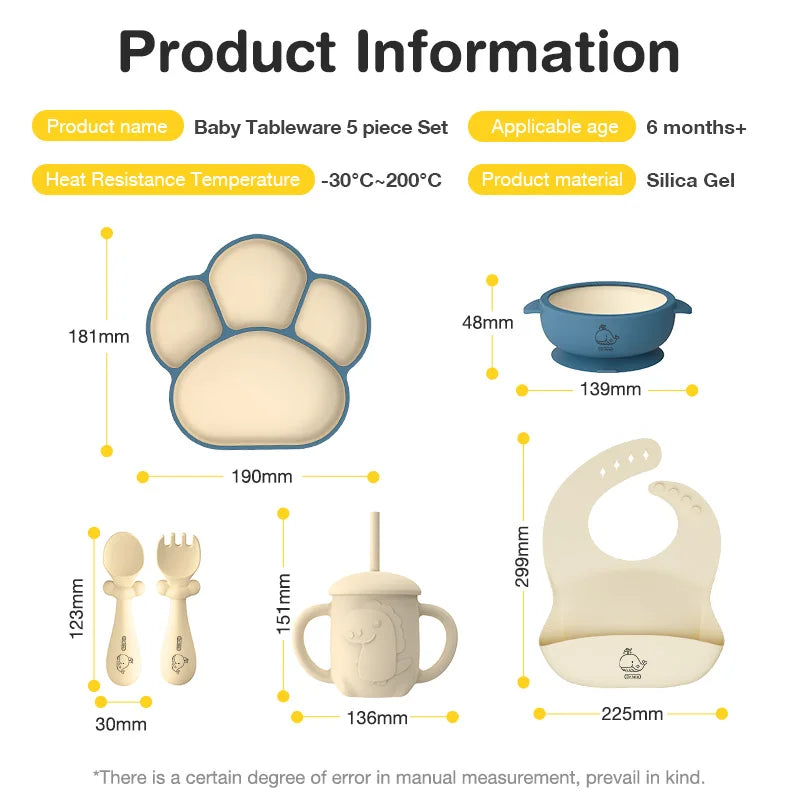
Testing infant suction bowls and a silicone feeding set on real family surfaces 💡 See it in action
Side-by-Side Stability Comparison
| Product Type | Suction Strength | Surface Compatibility | Ease of Release (Adult) |
|---|---|---|---|
| Infant Suction Plate | High | Smooth surfaces | Moderate |
| Infant Suction Bowls | Medium | Limited | Easy |
| Silicone Feeding Set | Very High | Smooth & semi-textured | Moderate |
The standout performer was the full silicone feeding set, which maintained suction longer and resisted sideways pulling better than standalone bowls.
Is Silicone Non Toxic and Safe for Babies?
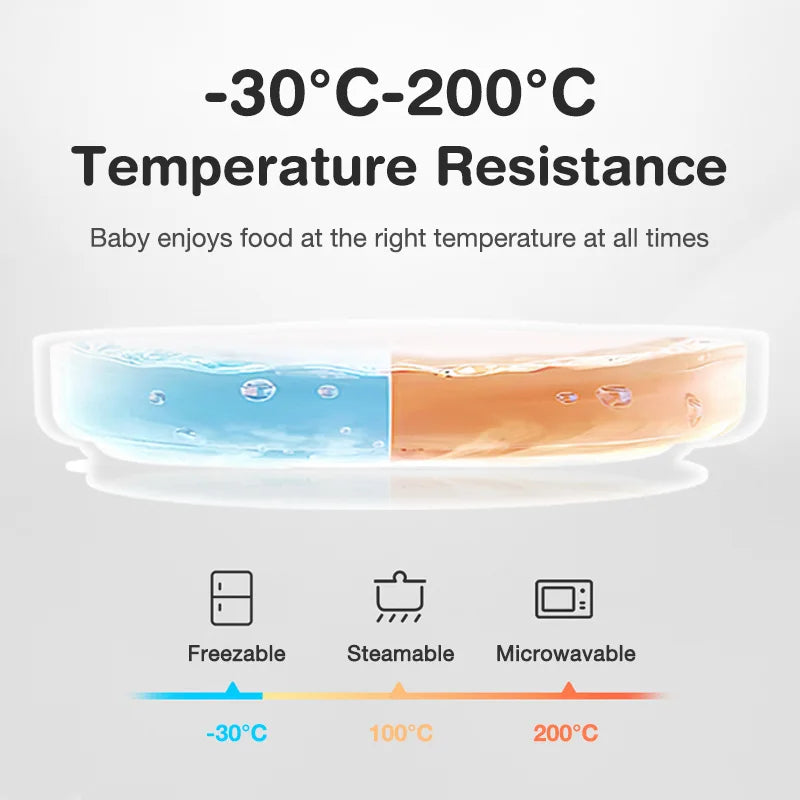
Silicone non toxic materials are widely trusted in baby feeding gear because they’re free from BPA, PVC, and phthalates. Quality silicone doesn’t leach chemicals and withstands heat, making it suitable for dishwashers and sterilizers.
Parents also appreciate the soft texture, which is gentler on gums and teeth compared to rigid plastic.
Best Options by Age and Feeding Stage
6–9 months: Infant suction bowls help contain purees and early solids.
9–18 months: An infant suction plate supports finger foods and self-feeding practice.
18+ months: A full silicone feeding set adapts to bigger portions and stronger toddlers.
Choosing based on stage—not just looks—helps avoid frustration and wasted purchases.
Cleanup, Care, and Daily Use
Another major difference shows up after meals. Silicone feeding sets usually clean faster because food doesn’t stick as easily. Most are dishwasher safe and resist staining.
- Rinse immediately for easiest cleanup
- Avoid abrasive scrubbers
- Store flat to maintain suction shape
These small habits help suction last longer and keep plates performing well.
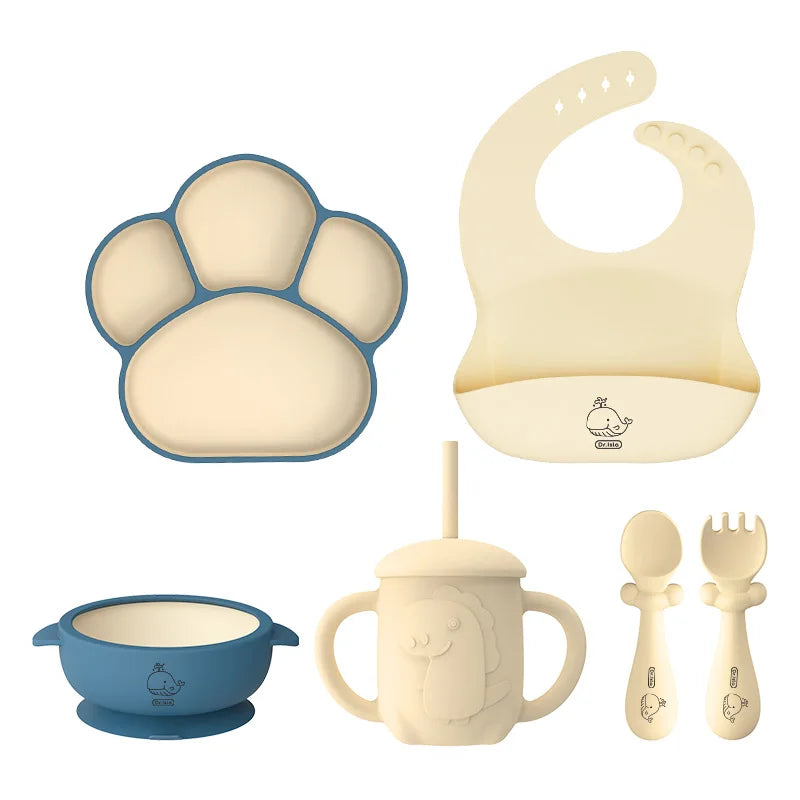
Silicone feeding set designed for mess free feeding and strong suction 💡 See it in action
Final Verdict: Which Infant Suction Plate Stays Put Best?
An infant suction plate with a wide base performs well on smooth surfaces, but a full silicone feeding set consistently delivers the strongest grip. Its flexible, silicone non toxic construction adapts better to different tables and withstands determined toddler pulls.
For parents seeking fewer spills and calmer meals, investing in a well-designed set can make daily routines noticeably easier.
Quick Parent FAQs
Do infant suction plates work on all surfaces?
They work best on smooth, clean surfaces. Textured or uneven tables can weaken suction, especially for smaller infant suction bowls.
Are silicone feeding sets safe for daily use?
Yes, high-quality silicone non toxic products are designed for repeated use and are generally safe for dishwashers and warm foods.
When should I switch from bowls to plates?
Most parents transition around 9 months, when babies begin finger foods and benefit from the larger surface of an infant suction plate.
Related Guide: Non Toxic Silicone Baby Dishes Compared for Safety and Everyday Use





