

Introducing Infants to Solids: Purees vs Finger Foods
Introducing infants to solids can feel overwhelming, but choosing between purees and finger foods has surprising benefits for your baby's independence and growth. Using an infant self feeder encourages safe exploration, while insights from the latest infant feeding practices study reveal how varied textures support development. Wondering which approach actually boosts confidence and nutrition in those first crucial months? Read on to uncover strategies that could transform feeding practices for infants and make mealtime both fun and stress-free.
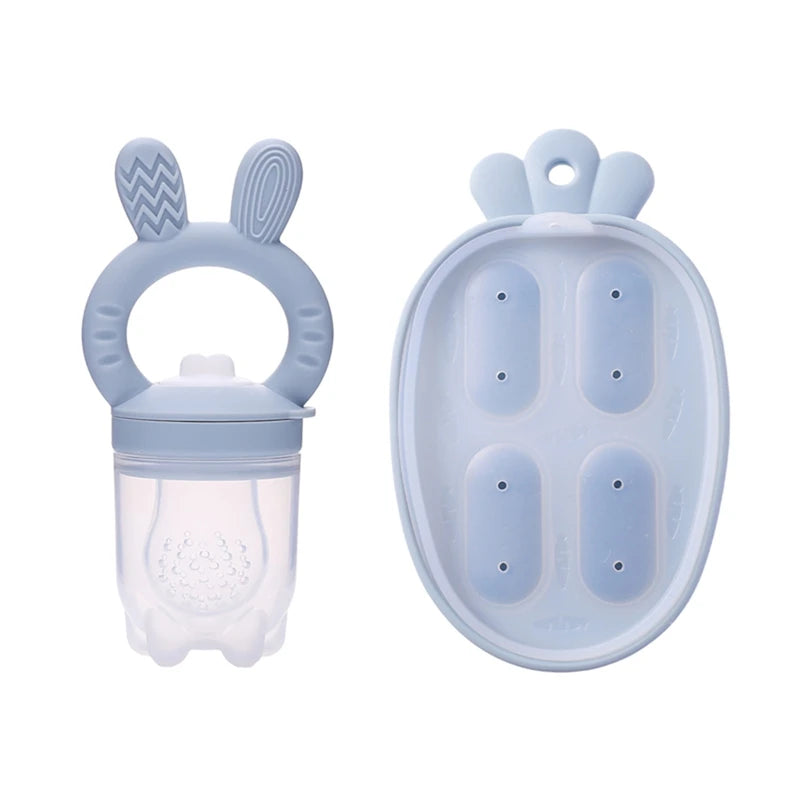
💡 See how an infant self feeder makes introducing infants to solids easier
Why Introduce Solids Early?
Introducing infants to solids helps develop chewing skills, improve nutrition intake, and encourage self-feeding independence. According to the latest infant feeding practices study, babies exposed to a variety of textures between 4-6 months show faster oral motor development and higher acceptance of new foods later.
- Boosts fine motor skills and hand-eye coordination
- Supports nutrient variety beyond breast milk or formula
- Encourages confidence with self-feeding tools
- Reduces fussiness by offering diverse textures
Purees vs Finger Foods: Pros and Cons
Many parents wonder whether to start with purees or finger foods. Both options have benefits, and understanding them can guide your feeding practices for infants.
| Type | Pros | Cons |
|---|---|---|
| Purees | Easy to digest, less choking risk, good for introducing new flavors | Less opportunity for self-feeding, may delay chewing skills |
| Finger Foods | Encourages independence, improves motor skills, introduces textures early | Higher supervision needed, potential choking risk if not age-appropriate |
💡 Finger foods and purees both play a key role in introducing infants to solids
Tips for Choosing the Right Approach
- Combine both purees and soft finger foods gradually
- Observe your baby's chewing and swallowing readiness
- Introduce textures in small, safe portions
- Use feeding tools like spoons and infant self feeders
Using an Infant Self Feeder Safely
An infant self feeder allows babies to explore fruits, vegetables, and soft foods without choking hazards. These feeders support independence while ensuring safety during introducing infants to solids.
- Select age-appropriate foods (soft fruits, steamed vegetables)
- Supervise every feeding session
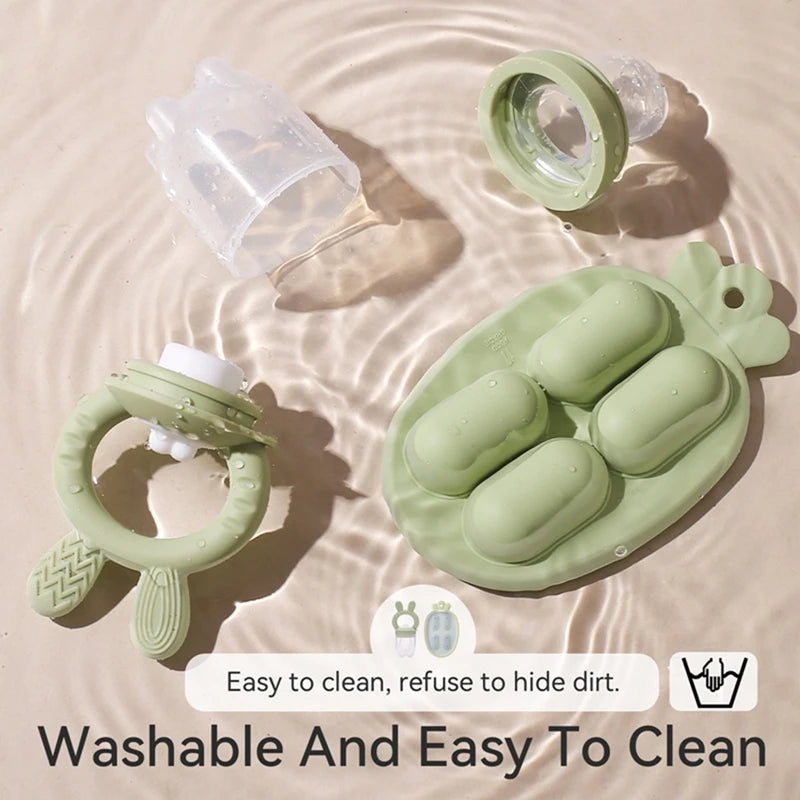
- Clean the feeder thoroughly after each use
- Encourage repeated use to build confidence and motor skills
Benefits of Self-Feeding Tools
- Promotes hand-eye coordination and pincer grasp
- Reduces mealtime stress for parents
- Encourages trying new textures and flavors
- Supports gradual transition to independent eating
Step-by-Step Guide to Introducing Solids
Follow these practical steps to safely introduce your infant to solids while balancing purees and finger foods.
- Start with single-ingredient purees at 4–6 months
- Observe reactions and tolerance to textures
- Introduce soft finger foods gradually alongside purees
- Use an infant self feeder for fruits and soft vegetables
- Encourage self-feeding and exploration daily
Parents report that combining these approaches leads to higher acceptance of new foods and more confident eaters. Real data from infant feeding practices study supports introducing a mix of textures early for developmental benefits.

💡 Using an infant self feeder simplifies introducing infants to solids — safe and fun!
Mini FAQ
-
When should I start introducing solids to my infant?
Answer: Most babies are ready for solids around 4–6 months. Signs include good head control, interest in food, and the ability to sit with support. Start with soft purees or small finger foods to encourage self-feeding safely. -
Is it safe to use an infant self feeder?
Answer: Yes, when age-appropriate foods are used and supervision is provided. Infant self feeders reduce choking risk while helping babies explore textures, making them an effective tool for feeding practices for infants. -
Should I offer purees or finger foods first?
Answer: Both can be introduced gradually. Purees help babies get used to new flavors, while soft finger foods encourage independence and motor skill development. Combining both provides the best balance for growth and confidence.
Related Guide: Introducing Solids to Infant: Top 7 Foods to Start Safely





