

Is EVA foam safe for baby high chairs?
Is eva foam safe when used in baby furniture? EVA foam is generally considered safe when it is non-toxic, free from harmful additives, and certified for child use. In high chairs, safety depends on foam quality, surface coatings, durability, and how it compares with alternatives like a polypropylene seat in long-term daily use.
Is Eva Foam Safe: In-Depth Review and Brand Comparison
Choosing furniture for your baby isn’t just about comfort—it’s about trust. Many parents ask: is eva foam safe enough for daily meals, spills, and growing bodies? This guide breaks down what EVA foam really is, how it performs in high chairs, how brands differ, and whether options like a polypropylene seat may offer better long-term peace of mind.
⏱ 8 min read
Quick question: Would you rather clean up messes easily—or worry about what’s absorbing them?
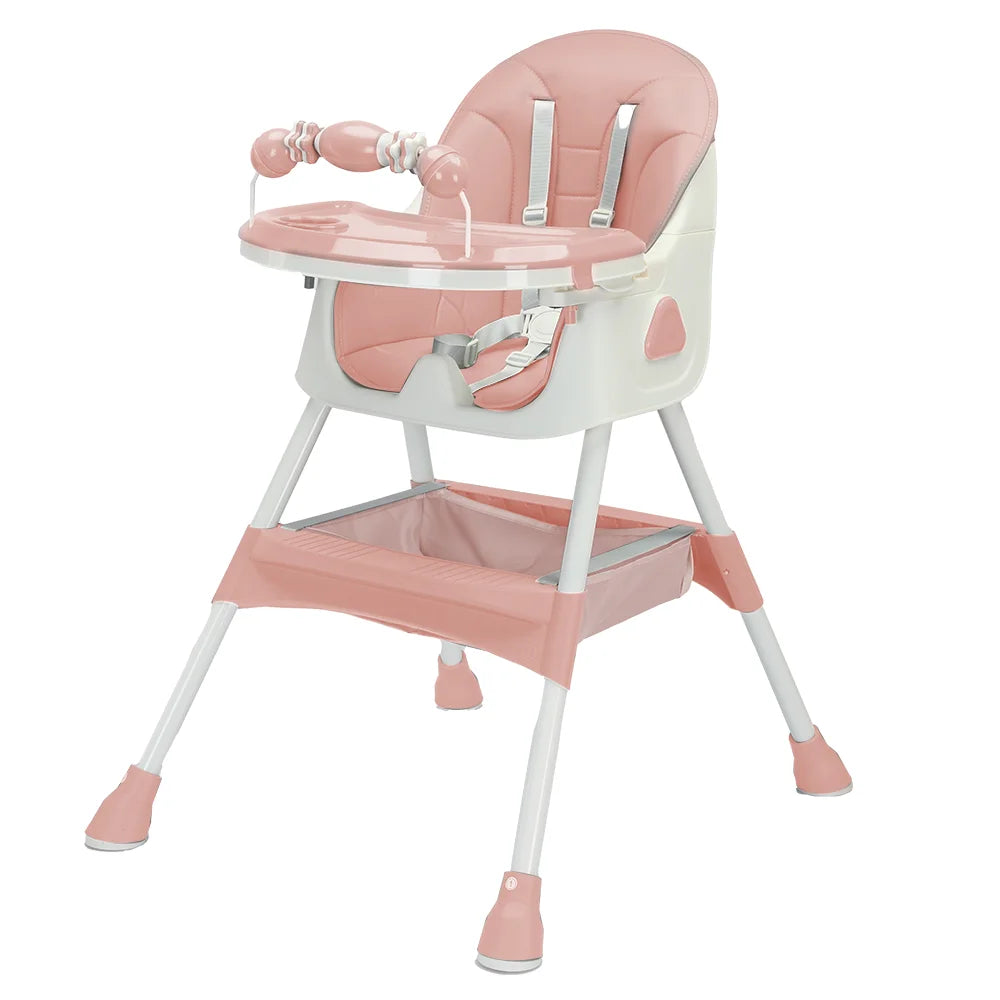
Eva foam seat comfort in daily feeding routines — 💡 See it in action
What Is EVA Foam and Why Brands Use It
EVA (ethylene-vinyl acetate) foam is a soft, flexible material often used in baby products for cushioning. Brands favor it because it’s lightweight, shock-absorbing, and comfortable during longer sitting sessions—especially useful for early feeding stages.
- Soft feel for sensitive skin
- Lightweight and easy to move
- Budget-friendly for mass production
- Often paired with fabric or coated surfaces
However, comfort alone doesn’t equal safety—especially when food, saliva, and repeated cleaning are involved.
Is EVA Foam Safe for Babies?
Is eva foam safe for babies? EVA foam can be safe when it is food-grade, non-toxic, and properly sealed. High-quality EVA foam does not contain BPA or phthalates, but lower-grade versions may degrade over time. Safety depends on certification, surface treatment, and how the foam is used in furniture.
Parents should look beyond softness and ask how the foam holds up after months of spills, wiping, and pressure.
Chemical Concerns Parents Should Know
Not all EVA foam is created equal. Some concerns arise when foam:
- Contains plasticizers to increase flexibility
- Lacks proper surface sealing
- Absorbs liquids and odors
- Breaks down under heat or friction
This is why many safety-focused parents explore alternatives highlighted in Health & Safety collections that prioritize sealed, hard-surface materials.
EVA Foam Seat vs Polypropylene Seat: Which Is Safer?
| Feature | EVA Foam Seat | Polypropylene Seat |
|---|---|---|
| Comfort | Soft, cushioned | Firm, ergonomic |
| Liquid Absorption | Possible over time | Non-absorbent |
| Cleaning | Requires care | Quick wipe clean |
| Longevity | May compress or crack | Highly durable |
| Hygiene | Depends on coating | Excellent for daily use |
A polypropylene seat is often favored in a safe high chair because it resists moisture, bacteria, and long-term wear—making it a strong choice for busy households.
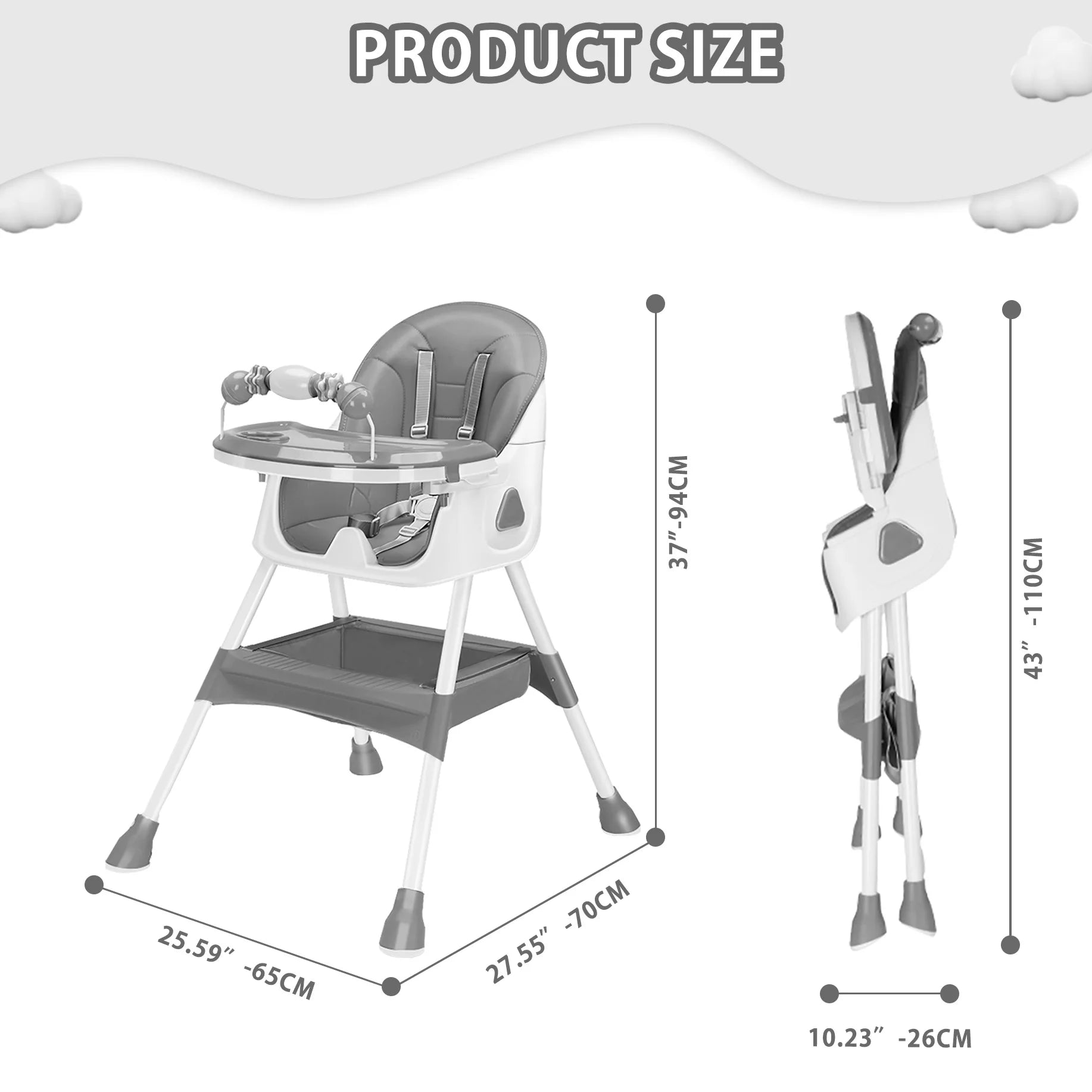
Comparing eva foam seat and polypropylene seat materials — 💡 See it in action
Brand Comparison: Materials That Matter
Premium baby furniture brands are moving toward hard-shell designs combined with ergonomic shaping instead of thick foam padding. Why? Because long-term hygiene and structural integrity matter more than initial softness.
Modern designs often integrate:
- Polypropylene shells for stability
- Minimal seams to prevent buildup
- Easy-clean surfaces
- Secure harness systems
Many of these designs can be found alongside thoughtfully curated options in Feeding & Nursing collections.
Real Parent Experiences
“We loved the soft eva foam seat at first, but after six months it started holding smells,” shares Amanda, mom of a 10-month-old.
“Switching to a polypropylene seat made cleanup faster and mealtimes less stressful,” notes Jason, dad of twins.
Parents consistently report that ease of cleaning and durability become more important as babies grow messier.
Who Should Choose an EVA Foam Seat?
An eva foam seat may work well if:
- Your baby uses the chair occasionally
- You prefer extra cushioning during short sits
- The foam is certified non-toxic and sealed
For everyday meals, many families prefer a safe high chair design with a polypropylene seat for long-term confidence.
Explore supportive tools that simplify routines in Baby Care Essentials.
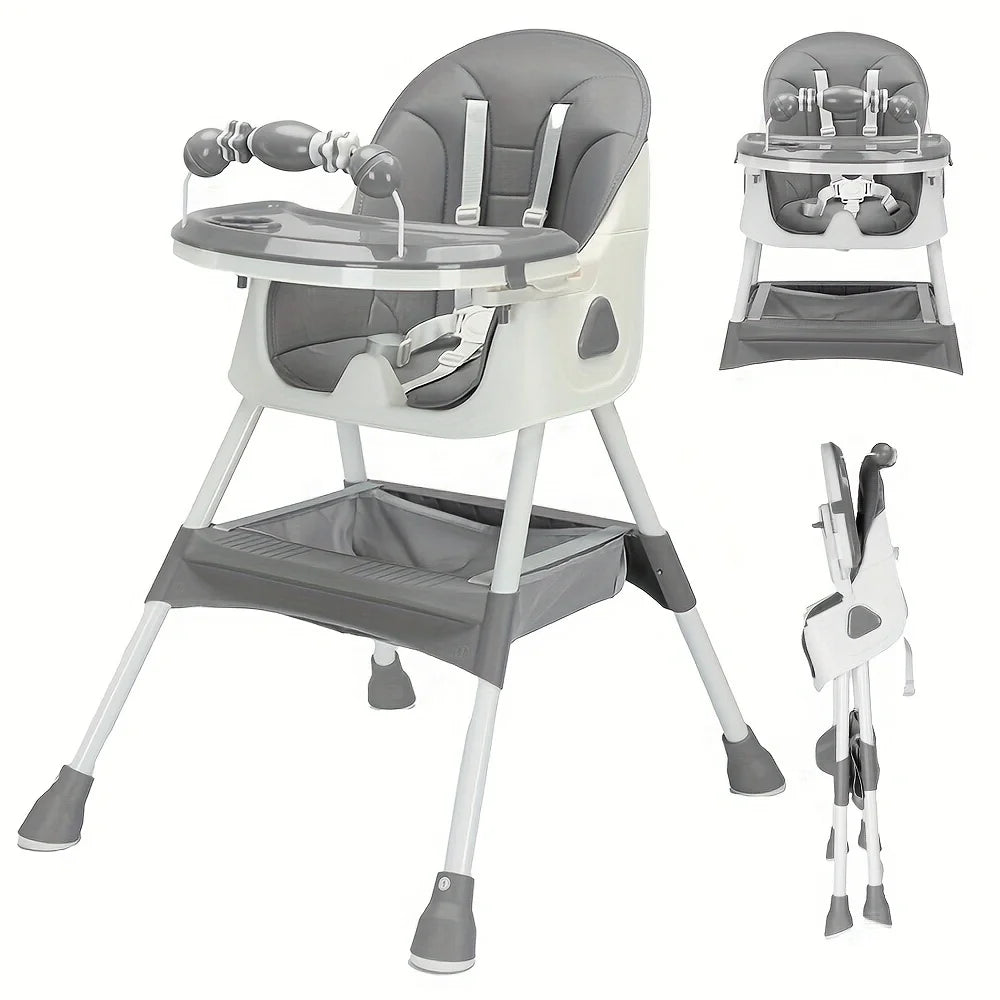
Safe high chair design with durable materials — 💡 See it in action
Final Verdict for Safety-Focused Parents
Is eva foam safe? It can be—but only when quality, coating, and usage align. For families prioritizing hygiene, durability, and stress-free cleaning, a polypropylene seat often delivers greater peace of mind over time.
If you’re ready to choose a chair designed for real-life parenting, explore the Foldable Baby Toddler High Chair trusted by families seeking safer materials and smarter design.
Frequently Asked Questions
Does EVA foam absorb liquids over time?
Lower-quality EVA foam or damaged coatings can absorb moisture, leading to odors or hygiene concerns. Proper sealing reduces this risk.
Is a polypropylene seat safer than foam?
A polypropylene seat is non-porous and easier to clean, making it a popular choice for a safe high chair used daily.
How can parents check if EVA foam is non-toxic?
Look for clear safety certifications, material transparency, and brand disclosure about additives and coatings.
Related Guide: Compact High Chairs: Top Brands Tested for Comfort and Durability





