

Are Silicone Utensils Safe for Babies? Proven Facts
Is silicone utensils safe for babies?
Is silicone utensils safe for daily baby feeding when tested properly? Yes—food grade silicone that passes modern lab testing is designed to be heat-stable, chew-resistant, and free from harmful fillers. High-quality bpa free utensils help reduce chemical exposure while protecting sensitive gums during early self-feeding.
Is Silicone Utensils Safe for Babies What Testing Shows
⏱ 6 min read
If you have ever paused mid-meal wondering whether your baby’s spoon is truly safe, you are not alone. Parents hear mixed opinions about silicone—some reassuring, others alarming. The good news is that modern testing now gives clearer answers. Understanding how silicone utensils are made, tested, and used can help you feed your baby with confidence and calm.
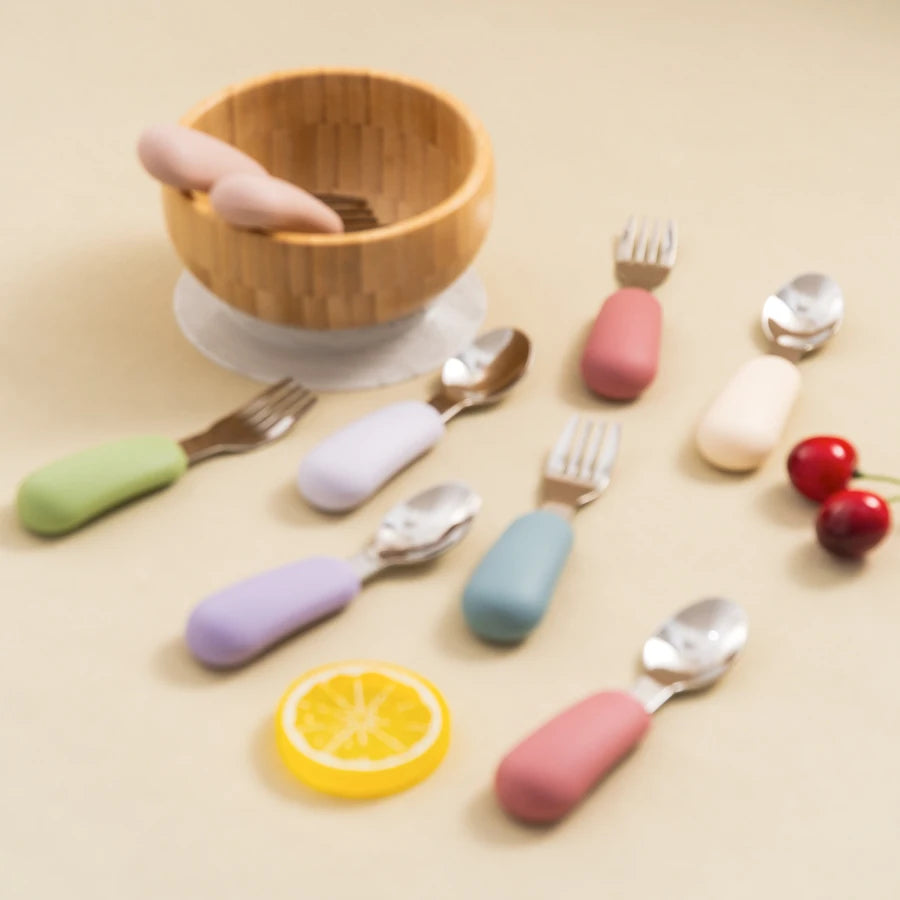
is silicone utensils safe with bpa free utensils in daily baby meals 💡 See it in action
Why Parents Worry About Baby Utensil Safety
Feeding is one of the first daily routines parents repeat several times a day. That repetition raises understandable concerns. Babies chew, gum, toss, and mouth everything. Any material that touches food and gums must be gentle, stable, and trustworthy.
Common worries include chemical leaching, choking hazards, and damage to delicate gums. With so many products labeled “safe,” it can be hard to know which claims are meaningful and which are just noise.
Is Silicone Utensils Safe According to Testing?
Is silicone utensils safe when evaluated by modern safety standards? Testing shows that high-quality food grade silicone remains stable under heat, pressure, and chewing. It does not splinter, rust, or release harmful byproducts when properly manufactured, making it suitable for repeated baby feeding use.
- Heat resistance prevents breakdown during sterilization
- Flexible texture reduces gum irritation
- Non-porous surface limits bacteria buildup
- Durability supports long-term daily use
When paired with proper care and reputable manufacturing, silicone performs consistently across lab stress tests designed for infant feeding tools.
What Food Grade Silicone Really Means
Food grade silicone is not just a marketing phrase. It refers to a material that meets strict purity and performance standards. These standards ensure the silicone contains no fillers that could compromise safety.
Unlike lower-grade silicone blends, food grade silicone maintains its structure even when exposed to hot foods, dishwashers, or sterilization devices found in Sterilization Devices.
How Labs Verify Silicone Safety
Testing typically evaluates:
- Temperature tolerance above boiling ranges
- Chemical stability under acidic and fatty foods
- Mechanical strength during bending and chewing
- Odor and taste neutrality
How BPA Free Utensils Protect Babies
BPA is a chemical once common in plastics that raised concerns due to potential hormone disruption. Choosing bpa free utensils removes that risk entirely from daily feeding.
Silicone naturally avoids BPA, PVC, and phthalates when produced correctly. This makes it a reassuring choice for parents focused on reducing cumulative exposure during early development.
Families often pair feeding tools with items from Feeding & Nursing to create a consistent, low-risk routine across bottles, bowls, and utensils.
Why an Infant Spoon and Fork Set Matters
An infant spoon and fork set is designed specifically for small mouths and developing motor skills. The shape, weight, and flexibility all influence how safely a baby learns to self-feed.
- Rounded edges protect gums and emerging teeth
- Short handles reduce gag risk
- Soft tips encourage independent feeding
- Grip-friendly design builds coordination
Using a matched set ensures consistency, helping babies learn faster without switching textures or shapes mid-meal.
Explore the complete set here: baby silicone fork and spoon
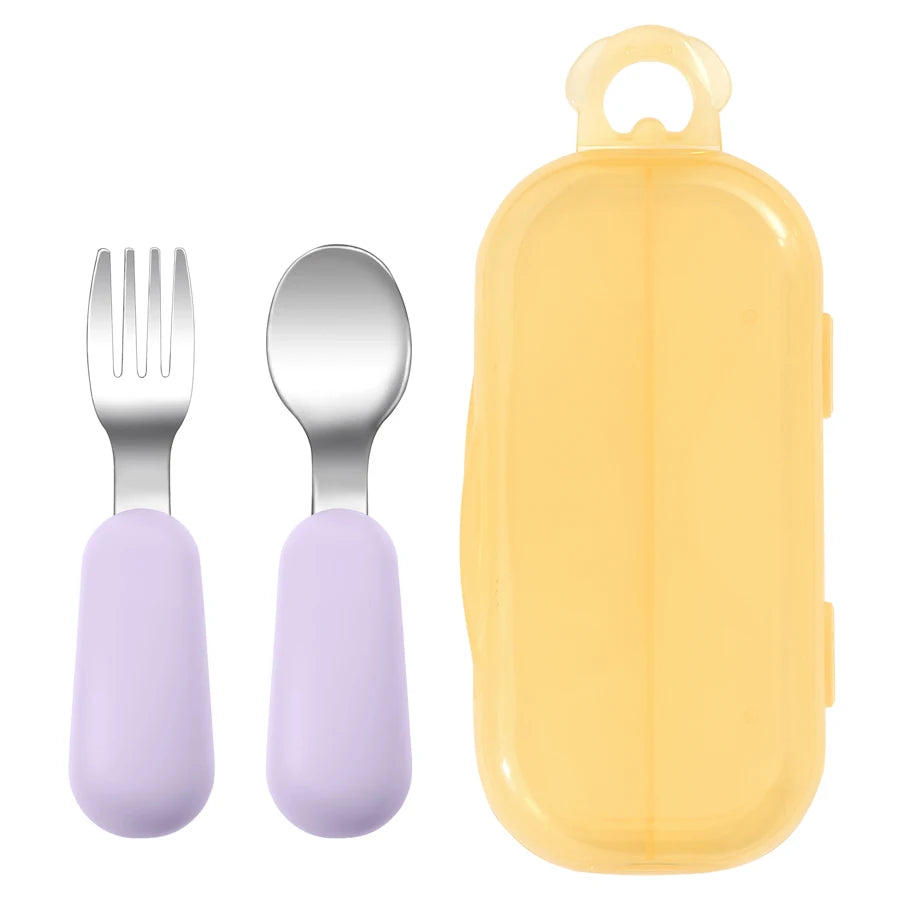
infant spoon and fork set designed with bpa free utensils 💡 See it in action
Silicone vs Plastic vs Metal Utensils
| Feature | Silicone | Plastic | Metal |
|---|---|---|---|
| Gum Safety | Soft & flexible | Varies by quality | Hard surface |
| Chemical Stability | High when food grade | May degrade | Stable |
| Heat Resistance | Excellent | Limited | Excellent |
| Chew Resistance | Designed for chewing | Can crack | Not chew-friendly |
This comparison explains why many parents prefer silicone during early feeding stages, especially when babies explore with their mouths.
Daily Use, Cleaning, and Longevity
Safety does not end at purchase—it continues with daily use. Silicone utensils are easy to clean and maintain. Their non-porous surface resists staining and odor retention.
Many parents sterilize them alongside bottles using tools from Feeding Tools or wash them in the dishwasher without worrying about warping.
- Rinse immediately after meals
- Use mild soap
- Air dry fully
- Inspect regularly for damage
What Real Parents Notice Over Time
Parents often report calmer mealtimes once switching to silicone utensils. Babies appear more willing to self-feed and less frustrated by hard edges or awkward grips.
Many note that a reliable infant spoon and fork set lasts through multiple stages, from purees to finger foods, reducing the need for frequent replacements.
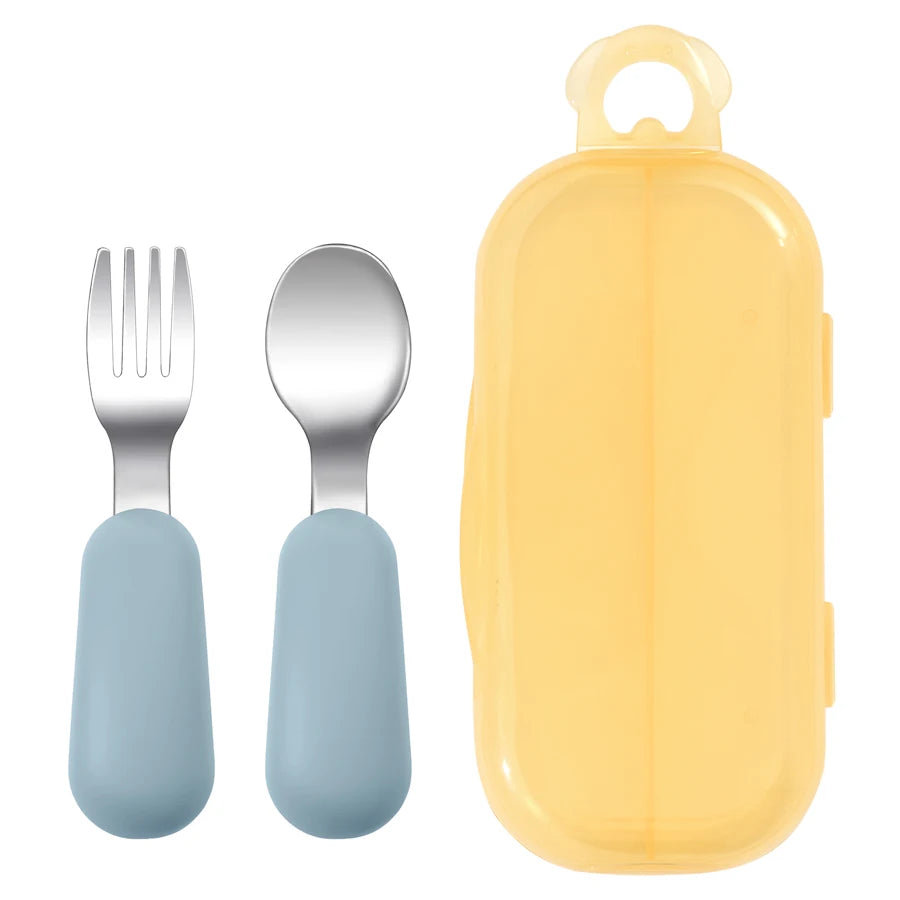
is silicone utensils safe for growing babies using bpa free utensils 💡 See it in action
Mini FAQ
Is silicone utensils safe for teething babies?
Yes. Food grade silicone is flexible and gentle, making it suitable for babies who chew during feeding.
Can silicone utensils go in the dishwasher?
Most high-quality silicone utensils are dishwasher safe and maintain their shape over time.
Do bpa free utensils still need replacement?
They should be replaced if damaged, but well-made silicone typically lasts longer than plastic alternatives.
When should babies start using an infant spoon and fork set?
Many babies begin around six months, once they show readiness for solids and self-feeding exploration.
Related Guide: Stainless Steel Core Baby Spoon Benefits Explained





