What are the most breathable fabrics for keeping a baby cool while nursing?
The most breathable fabrics for nursing are lightweight, moisture-managing materials with open weaves that encourage airflow. Cotton muslin, lightweight cotton, bamboo blends, linen blends, and modal all help release heat, reduce sweat buildup, and improve comfort during breastfeeding. The best choice depends on your climate, nursing duration, and your baby's skin sensitivity.
Most Breathable Fabrics That Keep Baby Cool While Nursing
⏱ 8 min read
Most breathable fabrics can make nursing noticeably more comfortable, especially during summer, humid weather, or longer feeding sessions. If your baby becomes sweaty, fussy, or pulls away from the breast, the fabric surrounding both of you may be contributing to trapped heat. Choosing breathable nursing fabrics with good airflow helps both parent and baby stay cooler without sacrificing privacy.
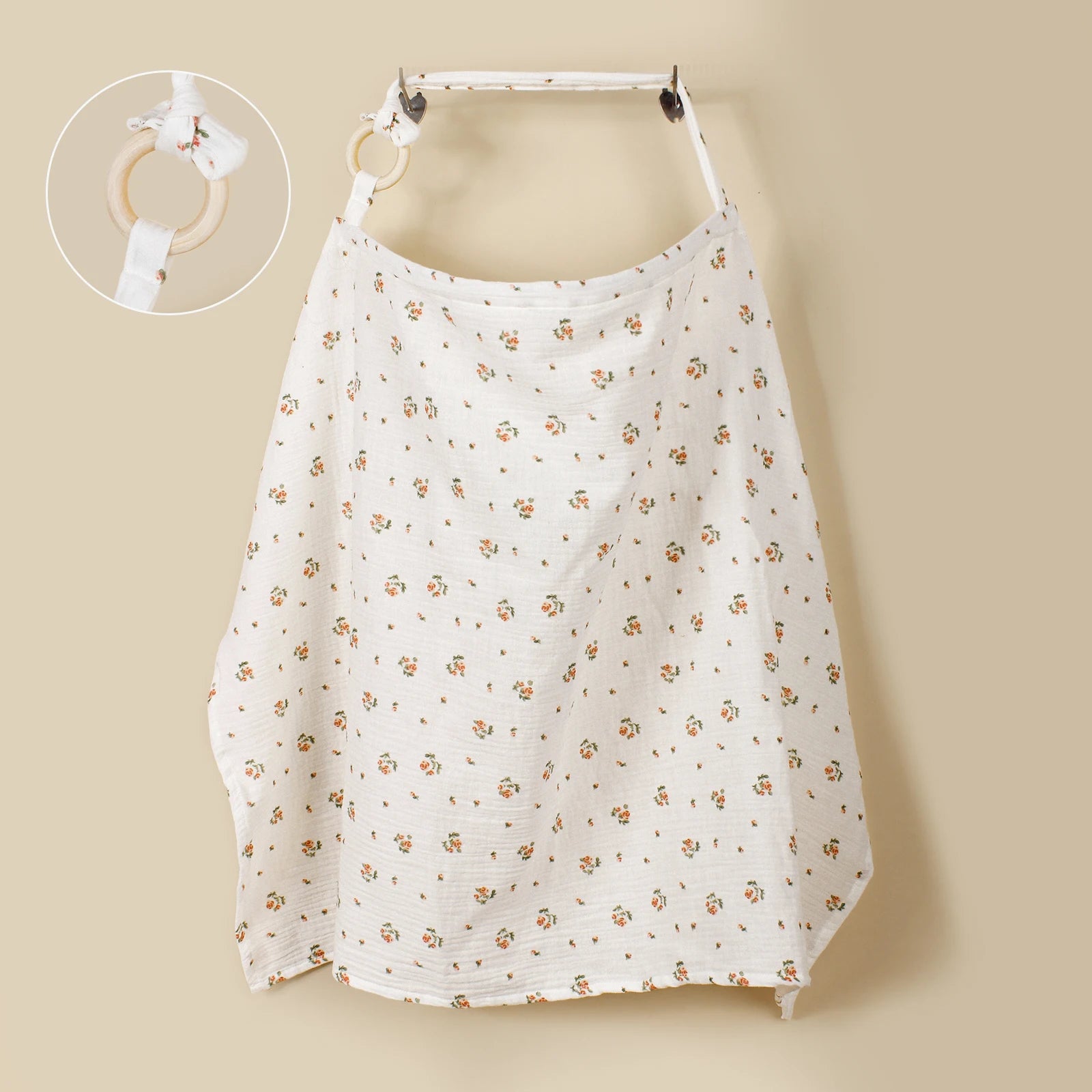
Most breathable fabrics help regulate airflow during feeds — See it in action
Why Breathability Matters During Nursing
Babies regulate body temperature less efficiently than adults, making them more susceptible to overheating during prolonged skin-to-skin contact. Nursing naturally creates warmth, and when thick fabrics limit airflow, heat and moisture can accumulate quickly.
Breathable nursing fabrics allow warm air to escape while helping absorb and release moisture. This creates a cooler environment that can reduce fussiness, improve feeding comfort, and help parents feel less overheated during longer sessions.
Both the fiber and the weave influence breathability. Natural fibers like cotton and bamboo generally feel cooler than heavy synthetics, while open weaves such as muslin allow significantly more airflow than tightly woven fabrics.
Explore helpful essentials in Feeding & Nursing that support calmer feeding routines.
Which Are the Best Fabrics for Breastfeeding?
The best breathable fabrics for breastfeeding balance airflow, softness, moisture management, durability, and easy care. Rather than relying on one fabric alone, choose the material that best matches your environment and feeding routine.
| Fabric | Breathability | Moisture Control | Drying Speed | Best Use |
|---|---|---|---|---|
| Cotton Muslin | Excellent | High | Fast | Warm weather, everyday nursing |
| Lightweight Cotton | Very Good | Moderate | Moderate | Daily indoor use |
| Bamboo Blend | Very Good | Excellent | Fast | Humid climates, sensitive skin |
| Linen Blend | Excellent | Good | Fast | Hot outdoor conditions |
| Modal Knit | Good | Very Good | Moderate | Stretchy nursing clothing |
| Heavy Polyester | Low | Variable | Fast | Generally not ideal for warm-weather nursing |
Cotton and Cotton Muslin
Cotton remains one of the safest and most versatile baby nursing fabrics. Muslin, an open-weave version of cotton, improves airflow while remaining lightweight and soft. It performs especially well during long feeds because warm air escapes instead of becoming trapped.
Bamboo and Bamboo Blends
Bamboo blends are valued for their silky texture and excellent moisture management. While airflow depends on the weave, many bamboo fabrics absorb sweat efficiently, making them comfortable during humid weather and for babies with sensitive skin.
Linen and Linen Blends
Linen naturally allows excellent airflow and dries quickly. Although it may feel slightly crisper than cotton when new, linen blends soften with repeated washing and perform particularly well in very hot climates.
Modal and Other Lightweight Knits
Modal provides a smooth feel with gentle stretch, making it popular in nursing tops and sleepwear. While it is typically less airy than muslin, its flexibility and moisture management improve comfort during frequent feeding sessions.
Cotton vs Muslin vs Bamboo vs Modal: Which Is Best for Nursing?
No single fabric is ideal for every parent. The right choice depends on temperature, humidity, nursing duration, and personal comfort preferences.
| Situation | Recommended Fabric | Reason |
|---|---|---|
| Hot summer weather | Cotton muslin or linen blend | Maximum airflow |
| Sweaty nursing sessions | Bamboo blend | Excellent moisture management |
| Sensitive newborn skin | Soft cotton muslin | Gentle texture with good ventilation |
| Night nursing | Modal or lightweight cotton | Soft, flexible, comfortable |
| Travel and everyday use | Cotton muslin | Lightweight, durable, quick drying |
If your primary concern is airflow, cotton muslin usually offers the best balance of ventilation and softness. Bamboo performs exceptionally well when moisture control is the priority, while modal excels when stretch and comfort matter most.
Why a Cotton Muslin Nursing Cover Can Help Keep Baby Cooler
Many parents ask whether muslins and muslin nursing covers are breathable. The answer is yes—provided they are made with lightweight cotton and an open weave. Tiny spaces between the fibers encourage continuous air circulation while still providing privacy.
Compared with thicker fabrics, a cotton muslin nursing cover releases body heat more efficiently and dries quickly after washing. This combination helps reduce overheating during longer breastfeeding sessions without creating a heavy barrier around the baby.
- Excellent airflow through an open weave
- Soft enough for newborn skin
- Absorbs light moisture while drying quickly
- Comfortable for warm-weather nursing
Parents often pair breathable covers with supportive tools from Breastfeeding Aids to create smoother feeding experiences.
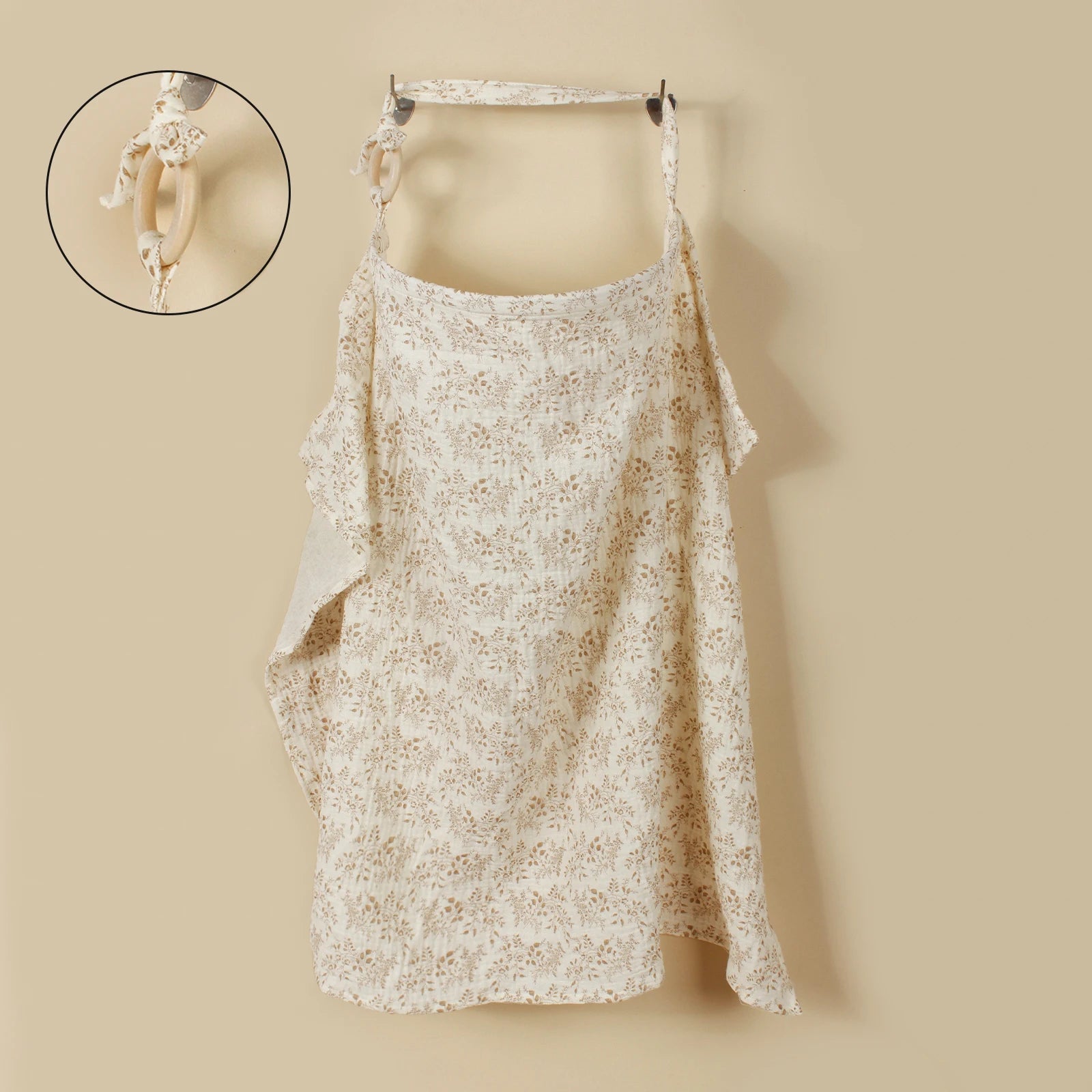
Cotton muslin nursing cover for airflow and comfort — See it in action
Fabric and Design Features That Improve Nursing Breathability
Even the best fabric performs better when paired with thoughtful design. Lightweight construction, ventilation, and comfortable draping all contribute to better airflow during breastfeeding.
- Open-weave fabrics that encourage ventilation.
- Wide necklines that allow you to monitor your baby easily.
- Loose-fitting designs that prevent fabric from sticking to skin.
- Minimal layers that reduce unnecessary insulation.
- Quick-drying materials that remain comfortable after washing.
- Gentle stretch for freedom of movement without trapping heat.
Some parents also rely on temperature-check tools from Temperature Tools to monitor comfort during feeds.
Looking for a practical option? A lightweight breathable nursing cover made with cotton muslin supports airflow while maintaining privacy.
Best Fabrics for Hot Weather, Sweaty Nursing Sessions, and Night Nursing
Different feeding environments benefit from different fabric characteristics.
- Hot weather: Cotton muslin and linen blends maximize ventilation.
- Humid climates: Bamboo blends help move moisture away from the skin.
- Night nursing: Lightweight cotton and modal feel soft while preventing excessive warmth.
- Outdoor nursing: Choose light-colored breathable fabrics that reflect heat.
- Avoid: Thick fleece, padded fabrics, or multiple synthetic layers that may trap heat.
How Breathable Fabrics Improve Real Nursing Comfort
Whether you're feeding in the car, walking through a park, or nursing at home on a warm evening, breathable nursing fabrics help create a more comfortable environment for both parent and baby.
Instead of trapping body heat, lightweight fabrics encourage airflow, helping babies remain calmer throughout longer feeds while reducing sweat buildup around the face, neck, and chest.
- Greater comfort during extended nursing sessions.
- Reduced moisture against sensitive skin.
- Better comfort while traveling or nursing outdoors.
- Improved airflow during warm nights and summer months.
Support daily comfort routines with items from Baby Care Essentials .
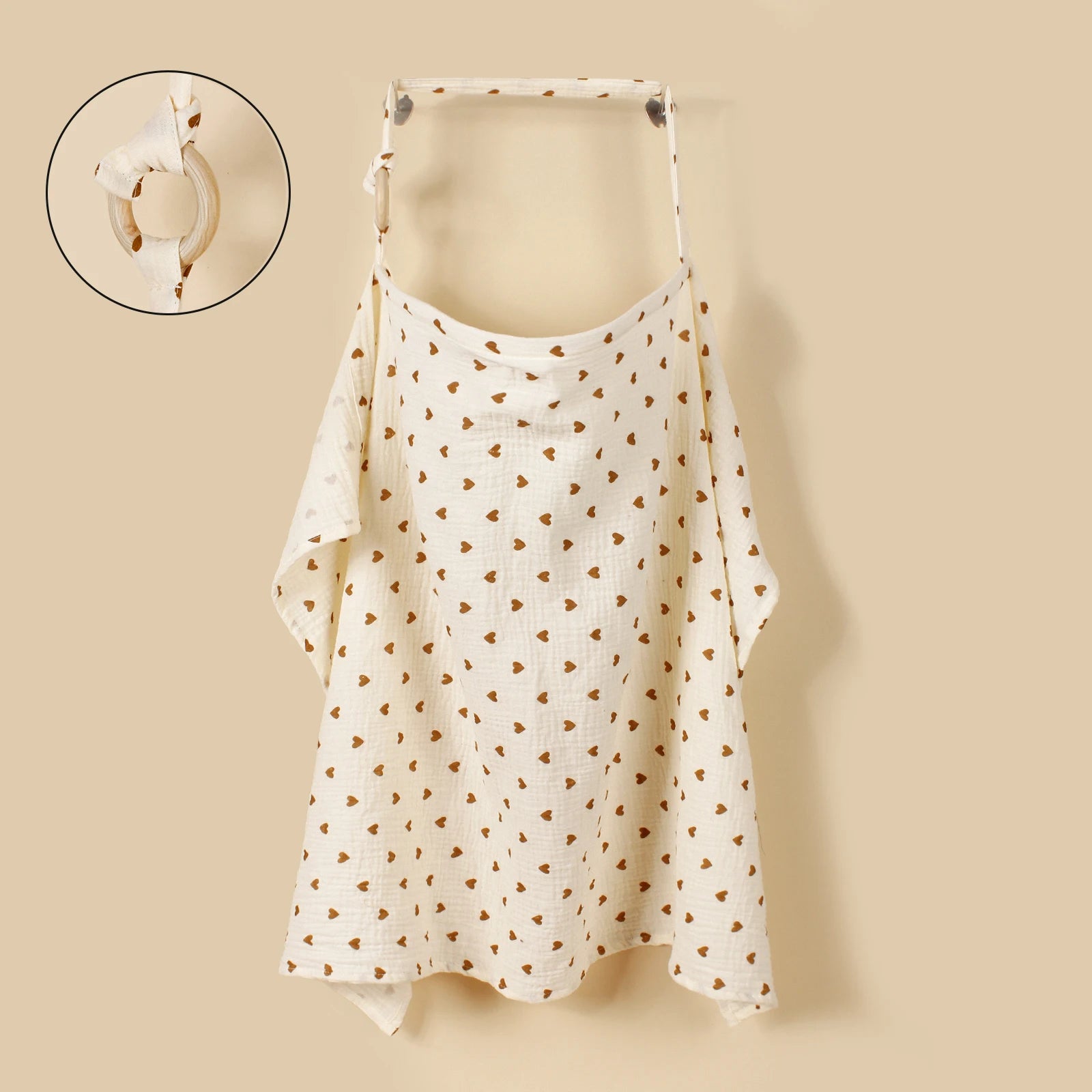
Comfortable nursing cover that supports airflow — See it in action
How to Choose the Right Comfortable Nursing Fabric or Cover
When selecting a nursing cover or nursing clothing, consider more than softness alone. Breathability comes from the combination of fiber type, weave, weight, and garment design.
- Choose lightweight natural fibers whenever possible.
- Look for moisture-wicking and quick-drying performance.
- Select loose weaves that encourage airflow.
- Match the fabric to your local climate and season.
- Choose easy-care materials that stay soft after repeated washing.
- Always keep your baby's face visible while using any nursing cover.
Many parents browsing Mom Essentials focus on comfort, durability, and ease of use when selecting nursing gear.
A well-designed comfortable nursing cover can support stress-free feeds at home or on the go.
Practical Fabric-Selection Checklist for Breastfeeding
- ✓ Lightweight construction
- ✓ Breathable open weave
- ✓ Soft against delicate skin
- ✓ Good moisture absorption
- ✓ Quick drying after washing
- ✓ Durable enough for frequent laundering
- ✓ Comfortable drape without excessive weight
- ✓ Appropriate supervision whenever using a nursing cover
Frequently Asked Questions
Are breathable nursing covers safe for newborns?
Yes. Lightweight breathable nursing covers made from natural fabrics can improve comfort while breastfeeding. Always maintain visual contact with your baby and ensure the face remains uncovered so airflow is never restricted.
Is cotton muslin better than bamboo for breastfeeding?
Cotton muslin generally provides superior airflow because of its open weave, making it ideal for hot weather. Bamboo blends excel at moisture management and offer an exceptionally soft feel. Neither is universally better—the best choice depends on your climate and nursing routine.
How do I know if my baby is overheating while nursing?
Watch for sweating, flushed cheeks, damp hair, unusual fussiness, or frequent pulling away from the breast. Moving to a cooler environment and using breathable fabrics can improve comfort.
Which fabric is most breathable for nursing?
Cotton muslin is widely considered one of the most breathable fabrics because its loose weave promotes continuous airflow while remaining lightweight and comfortable for everyday breastfeeding.
Are muslin nursing covers breathable?
Yes. High-quality muslin nursing covers are specifically designed with an open weave that improves ventilation while still providing privacy during feeding.
What fabrics are best for nursing in hot weather?
Cotton muslin, lightweight cotton, linen blends, and bamboo blends are excellent choices for warm weather because they help release heat, absorb moisture, and dry relatively quickly compared with heavier fabrics.