Share
Toddler Mealtime Essentials: Which Bibs Handle Messy Eaters
Toddler mealtime essentials start with choosing the right bib to manage spills, drool, and everyday messes. The best bibs for toddlers combine absorbent materials, comfortable fits, and easy cleaning features to protect clothing during meals, snacks, and teething stages. From bamboo cotton bibs that absorb moisture to waterproof options for heavier messes, the right choice can reduce laundry and make feeding routines easier for both toddlers and parents.
See toddler mealtime essentials in action with multi-purpose baby bibs for toddlers and toddler bibs that absorb.
⏱ 5 min read
Featured Snippet: What Are the Best Bibs for Drool?
The best bibs for drool are made from soft, highly absorbent materials such as bamboo cotton, organic cotton, or layered muslin that keep moisture away from a baby’s skin. The best baby bibs for drool should offer comfortable neck coverage, secure closures, and enough absorbency to handle frequent drooling without soaking through. For babies who drool heavily during teething, a bib with a waterproof backing or multiple absorbent layers provides better protection for clothes.
The Best Bibs for Drool (Top Picks Compared)
Finding the best bibs for drooling depends on your baby’s age, drooling level, and daily routine. Some parents need lightweight bibs for newborn spit-up, while others need absorbent baby bibs for drool during teething or meals. The following categories highlight the most useful options based on material, coverage, comfort, and cleanup.
| Category | Recommended Type | Material | Best For |
|---|---|---|---|
| Best Overall | Bamboo Cotton Multi-Purpose Bib | Bamboo cotton blend | Daily drooling, feeding, and sensitive skin |
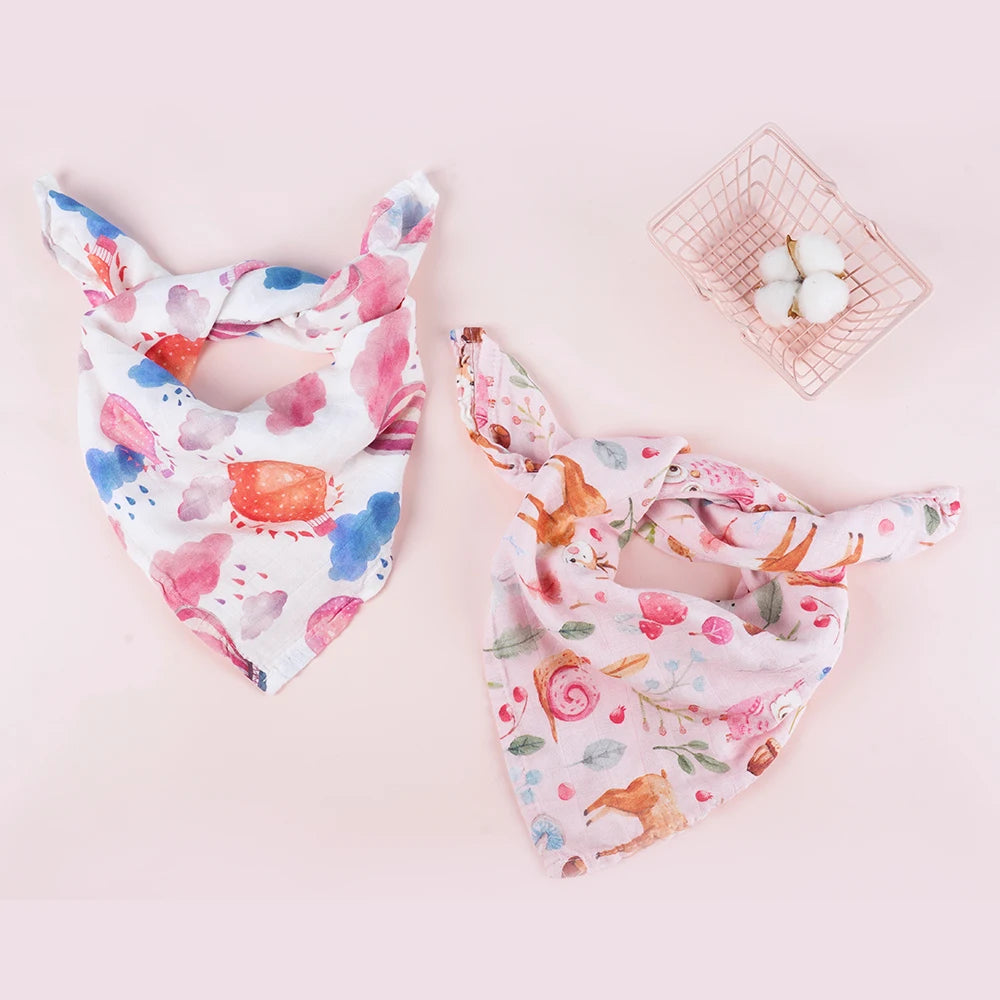
| Best Bandana Bib | Triangle absorbent bib | Cotton or muslin layers | Stylish everyday drool protection |
| Best Muslin Bib | Lightweight muslin bib | Breathable muslin cotton | Warm weather and newborn comfort |
| Best Waterproof Bib | Silicone or backed fabric bib | Water-resistant materials | Heavy drool and messy meals |
| Best Organic Cotton Bib | Organic cotton bib | Natural cotton fibers | Babies with sensitive skin |
| Best Budget Bib | Basic cotton bib pack | Cotton fabric | Parents needing multiple daily changes |
| Best for Teething | Highly absorbent drool bib | Bamboo cotton or layered fabric | Teething babies with constant drooling |
| Best for Newborns | Soft lightweight bib | Muslin or cotton | Early drooling and milk spills |
Best Overall
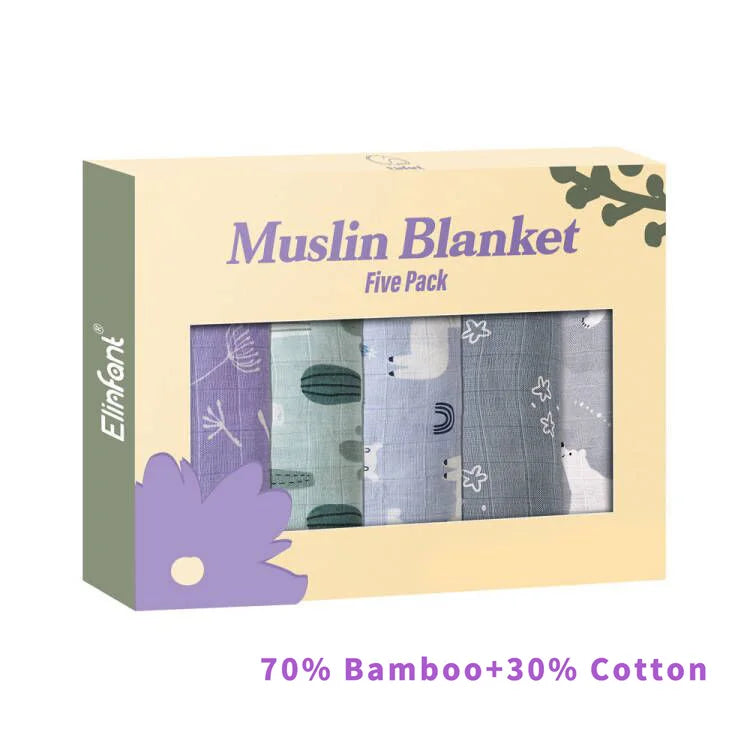
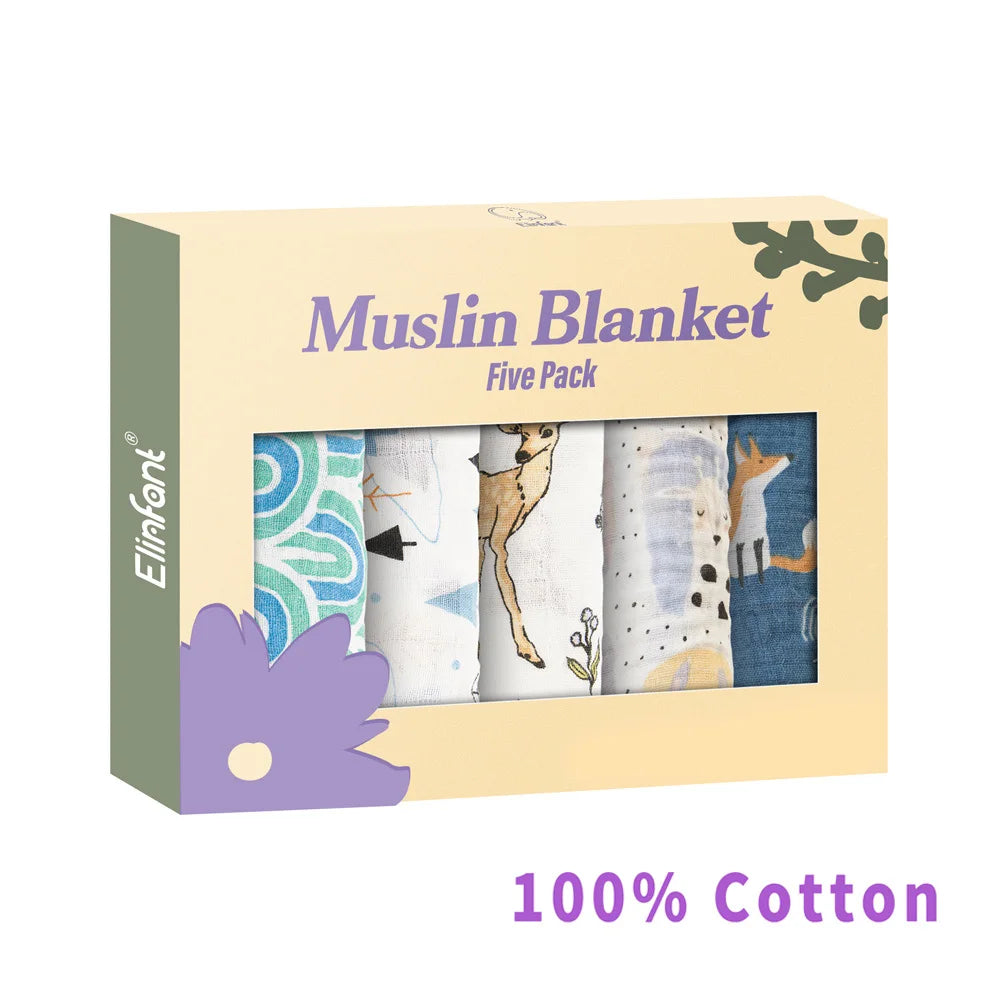
The Bamboo Cotton Baby Bib Set is a practical choice for parents looking for the best bib for drooling baby routines. Its soft bamboo cotton material provides absorbency while remaining gentle against delicate skin. It works well for drooling, feeding spills, and everyday use. See the Bamboo Cotton Set .
Best Bandana Bib
Bandana bibs are popular because they provide a larger surface area than traditional small bibs while keeping a comfortable fit around the neck. They are especially useful during teething stages when babies drool frequently throughout the day.
Best Muslin Bib
Muslin bibs are lightweight, breathable, and comfortable for newborns and younger babies. Their soft woven structure makes them suitable for mild drooling, feeding sessions, and warmer climates.
Best Waterproof Bib
Waterproof bibs are designed for parents who need extra protection against heavy drooling, drinks, and food spills. Silicone catcher bibs are easy to wipe clean, while waterproof fabric bibs often provide more comfort for longer wear.
Best Organic Cotton Bib
Organic cotton bibs are a good option for families prioritizing natural fabrics. They offer softness, breathability, and everyday comfort while helping reduce irritation around the baby’s neck.
Best Budget Bib
Affordable cotton bib packs are useful for parents who need several bibs available throughout the day. Having extras makes it easier to handle frequent drooling, spit-up, and meal changes.
Best for Teething
The best drool bibs for teething should absorb moisture quickly and help keep clothing dry during periods of increased saliva production. Multi-layer bamboo cotton designs are often preferred because they balance absorbency with comfort.
Best for Newborns
Drool bibs for newborns should be lightweight, soft, and easy to adjust. Smaller bibs made from breathable cotton or muslin are usually more comfortable for babies who are still developing neck control.
How We Evaluated These Drool Bibs
To identify the most useful drool bib options, we focused on the features that matter most for everyday baby care:
- Absorbency: We considered how well each material handles drool, milk drips, and small spills without soaking through quickly.
- Comfort and Fit: Soft fabrics, adjustable closures, and comfortable neck openings help babies wear bibs for longer periods.
- Durability After Washing: Frequent washing is expected, so quality materials should maintain softness and shape over time.
- Ease of Cleaning: Practical bibs should be simple to wash, dry, and reuse during busy daily routines.
Drool Bib Reviews
The best drool bibs combine absorbency, comfort, and everyday practicality. While different materials work better for different situations, parents often look for bibs that stay soft after repeated washing, prevent clothes from becoming damp, and remain comfortable during long periods of wear.
Product 1: Bamboo Cotton Multi-Purpose Baby Bib Set
Material:
Bamboo cotton blend
Closure type:
Adjustable fastening
Best for:
Daily drooling, feeding, and sensitive skin
The Bamboo Cotton Baby Bib Set is designed for parents who want absorbent baby bibs for drool that can handle multiple daily uses. The soft bamboo cotton fabric helps absorb moisture while remaining gentle around a baby’s neck. It works well for teething stages, milk spills, and toddler mealtime routines.
Pros:
- Highly absorbent bamboo cotton material
- Soft texture suitable for sensitive skin
- Useful for both drooling and feeding messes
- Easy to rotate between daily washes
Cons:
- Requires washing after heavy spills
- Less suitable than silicone options for very messy meals
Product 2: Bandana Drool Bib
Material:
Cotton or layered absorbent fabric
Closure type:
Snap buttons
Best for:
Teething babies and stylish everyday wear
Bandana bibs are a popular choice for drooling babies because they provide more coverage than small traditional bibs while maintaining a lightweight feel. Their triangular shape helps catch saliva before it reaches clothing, making them practical during early teething months.
Pros:
- Comfortable for all-day wear
- Provides extra neck and chest coverage
- Available in many soft fabric options
Cons:
- May need frequent changes during heavy drooling
- Some thinner designs may soak through faster
Product 3: Muslin Baby Bib
Material:
Breathable muslin cotton
Closure type:
Snap or tie closure
Best for:
Newborns and warm climates
Muslin bibs are lightweight and breathable, making them a comfortable choice for younger babies. Their soft texture works well for mild drooling, spit-up, and parents who prefer natural-feeling fabrics.
Pros:
- Lightweight and breathable
- Gentle against delicate baby skin
- Comfortable for extended wear
Cons:
- May not provide enough protection for heavy droolers
- Usually needs more frequent replacement during intense teething
Product 4: Waterproof Silicone Bib
Material:
Food-grade silicone
Closure type:
Adjustable neck closure
Best for:
Messy meals and self-feeding toddlers
Waterproof silicone bibs are designed for easy cleanup. They are especially useful when toddlers begin eating independently because the material prevents liquids and food from reaching clothing.
Pros:
- Waterproof and reusable
- Easy to wipe clean after meals
- Often includes a food-catching pocket
Cons:
- Can feel less soft than fabric bibs
- Some babies may resist wearing firmer materials
Product 5: Organic Cotton Bib
Material:
Organic cotton fibers
Closure type:
Adjustable snaps
Best for:
Babies with sensitive skin
Organic cotton bibs are valued for their softness and breathability. They are a practical option for parents who want comfortable everyday protection without synthetic-feeling materials.
Pros:
- Soft and breathable fabric
- Comfortable for sensitive skin
- Suitable for frequent washing
Cons:
- May require layering for heavy drooling
- Usually less water-resistant than silicone designs
Product 6: Budget Cotton Bib Pack
Material:
Cotton blend fabric
Closure type:
Snap closure
Best for:
Families needing multiple daily bib changes
Budget cotton bib packs can be useful for newborn and toddler routines where several bib changes are needed throughout the day. They provide basic drool protection at an affordable price point.
Pros:
- Affordable and easy to replace
- Convenient for daily rotation
- Lightweight for travel
Cons:
- Lower absorbency compared with premium bamboo fabrics
- May wear faster with frequent washing
Product 7: Teething Drool Bib
Material:
Multi-layer absorbent fabric
Closure type:
Adjustable snaps
Best for:
Heavy drooling during teething
The best drool bibs for teething should focus on moisture control and comfort. Multi-layer designs help absorb saliva throughout the day while reducing dampness around the neck area.
Pros:
- Designed for frequent drooling
- Helps protect clothing from moisture
- Comfortable during long teething periods
Cons:
- Thicker layers may take longer to dry
- Requires regular washing
Product 8: Newborn Soft Bib
Material:
Cotton or muslin fabric
Closure type:
Soft adjustable closure
Best for:
Early infancy and first drooling stages
Drool bibs for newborns should prioritize softness and a gentle fit. Smaller designs help protect clothing from early drooling and feeding spills without adding bulk around a newborn’s neck.
Pros:
- Lightweight and comfortable
- Easy to change during the day
- Suitable for smaller babies
Cons:
- Limited coverage for older babies
- May need replacement as babies grow
Drool Bibs vs Regular Bibs
Drool bibs and regular bibs serve different purposes. Drool bibs are designed to absorb saliva throughout the day, especially during teething, while regular feeding bibs focus more on catching food and drink spills during meals.
| Feature | Drool Bibs | Regular Bibs |
|---|---|---|
| Main Purpose | Absorb saliva and protect clothing | Protect clothing during meals |
| Best Material | Bamboo cotton, cotton, muslin | Silicone, waterproof fabric, cotton |
| Everyday Wear | Ideal for teething and constant drooling | Usually worn during feeding sessions |
| Best For | Drooling babies and teething stages | Messy eaters and self-feeding toddlers |
Comparison Table: Which Drool Bib Is Right for You?
Choosing between different drool bib styles depends on how much your baby drools, how often you need changes, and whether the bib is mainly used for teething, feeding, or everyday protection. The best bibs for drooling babies balance absorbency, comfort, and easy maintenance.
| Bib Type | Material | Absorbency | Waterproof Layer | Recommended Age | Best For |
|---|---|---|---|---|---|
| Bamboo Cotton Bib | Bamboo cotton blend | High absorbency for drool and small spills | Usually fabric-based, not fully waterproof | Newborns to toddlers | Daily drooling, teething, sensitive skin |
| Bandana Bib | Cotton or layered muslin | Medium to high depending on layers | Varies by design | 3+ months | Stylish everyday drool protection |
| Muslin Bib | Lightweight muslin cotton | Medium absorbency | No | Newborns and younger babies | Light drooling and warm weather |
| Silicone Bib | Food-grade silicone | Low absorbency but excellent spill protection | Yes | 6+ months | Self-feeding and messy meals |
| Long-Sleeve Smock Bib | Water-resistant fabric | Medium absorbency | Yes | Toddlers | Full clothing protection during meals and activities |
Choosing the Best Bib for a Drooling Baby
The best bib for a drooling baby should keep moisture away from the skin while remaining comfortable enough for everyday wear. When comparing options, focus on fabric quality, absorbency, fit, and how easily the bib fits into your daily routine.
Materials
Material affects softness, absorbency, and durability. Bamboo cotton bibs are popular because they combine moisture absorption with a gentle feel. Cotton bibs offer breathability, while muslin provides lightweight comfort for younger babies. Silicone options are better for meals because they prevent food and liquids from reaching clothing.
Absorbency
Parents looking for bibs that don't soak through should choose designs with multiple fabric layers or highly absorbent fibers. Heavy droolers often need thicker bamboo cotton or layered cotton bibs that can hold moisture without becoming uncomfortable.
Waterproof Backing
A waterproof layer can help prevent leaks when drooling is frequent or when bibs are used during feeding. Fabric bibs with waterproof backing provide extra protection, while silicone bibs offer the strongest barrier against liquids.
Closures and Fit
A secure but comfortable closure helps the bib stay in place throughout the day. Adjustable snaps are often preferred because they allow the bib to grow with your baby. Avoid bibs that feel tight around the neck or restrict movement.
Sizing by Age
Newborns typically need smaller, lightweight bibs that do not add bulk, while older babies and toddlers benefit from larger coverage areas. Choosing the right size improves comfort and helps prevent drool from reaching clothing.
Washing, Durability, and Daily Care
Proper cleaning helps drool bibs maintain softness, absorbency, and shape after repeated use. Since babies may wear several bibs each day, choosing easy-care materials can make daily routines much simpler.
- Machine washing: Wash cotton, bamboo, and muslin bibs according to fabric instructions using a gentle cycle to protect fibers.
- Drying: Air drying can help maintain softness and reduce unnecessary wear, while low-heat drying may be suitable for some materials.
- Preventing shrinkage: Avoid high heat when washing or drying natural fabrics such as bamboo and cotton.
- Maintaining absorbency: Avoid heavy fabric softeners because they can leave coatings that reduce moisture absorption.
- Daily rotation: Keeping several bibs available allows each one to dry completely between uses and extends product life.
Real Parent Experiences
Parents often evaluate drool bibs based on comfort, absorbency, and how well they handle daily use. Many appreciate bamboo cotton bibs because they work for multiple stages, including early drooling, teething, feeding spills, and toddler snacks.
Common positive feedback includes:
- Better moisture control: Parents notice that absorbent fabrics help keep shirts drier during long periods of drooling.
- Comfortable everyday wear: Soft bamboo cotton and cotton materials are often preferred because babies are more likely to keep them on.
- Less frequent clothing changes: A well-designed bib can reduce the number of outfit changes caused by drool and small spills.
- Easy maintenance: Machine-washable designs are valued by parents who use multiple bibs throughout the day.
Some common complaints include thinner bibs becoming saturated quickly during heavy drooling periods and silicone styles feeling less comfortable for babies who prefer soft fabrics. Choosing a bib based on your baby's drooling stage and daily routine usually provides better long-term value.
Toddler bibs that absorb and multi-purpose baby bibs for toddlers make feeding time stress-free. Get yours now!
When Should Babies Wear Drool Bibs?
Drool bibs are useful whenever babies begin producing more saliva than their clothing can handle. Many babies start drooling around the early months of infancy, with heavier drooling often appearing during teething periods. The right bib helps protect clothing while keeping moisture away from the skin.
- Newborn stage: Lightweight drool bibs for newborns can help manage milk drips, spit-up, and early moisture without adding bulk.
- Teething stage: Babies often need more absorbent bibs during teething because increased saliva can make clothing damp throughout the day.
- Daily activities: Drool bibs are useful during playtime, stroller walks, feeding, and outings where frequent clothing changes are inconvenient.
For babies prone to irritation, changing damp bibs regularly and keeping the neck area dry can help prevent discomfort and drool-related skin issues.
How Many Drool Bibs Do You Need?
The number of drool bibs a baby needs depends on age, drooling habits, and laundry frequency. Parents with heavy droolers may need more bibs available each day, while occasional droolers may need fewer.
- Newborns: A small rotation of several soft bibs can cover feeding spills and early drooling.
- Teething babies: Keeping multiple absorbent bibs available makes it easier to replace damp ones throughout the day.
- Active toddlers: A larger collection can be helpful when bibs are used for both drooling and meals.
A practical approach is to keep enough bibs for daily changes plus a few extras for laundry days, travel, or unexpected messes.
Frequently Asked Questions
-
What are the best bibs for drool?
The best bibs for drool are made from absorbent, comfortable materials such as bamboo cotton, cotton, or layered muslin. A good drool bib should absorb moisture, fit comfortably around the neck, and protect clothing from dampness.
-
What is the most absorbent material for drool bibs?
Bamboo cotton is one of the most popular absorbent materials because it is soft, lightweight, and effective at managing frequent drooling. Layered cotton and muslin fabrics can also provide good moisture control.
-
Do waterproof-backed bibs work better for heavy droolers?
Waterproof-backed bibs can provide extra clothing protection for heavy droolers because they help prevent moisture from reaching shirts. However, highly absorbent fabric bibs may feel more comfortable for all-day wear.
-
How many drool bibs does a baby need?
Many families keep several drool bibs available to allow daily rotation. The ideal number depends on how often your baby drools, how frequently you do laundry, and whether bibs are also used during meals.
-
Are bandana bibs better than regular bibs?
Bandana bibs can be better for visible drooling because they provide wider coverage around the chest area while maintaining a comfortable fit. Regular bibs may be more practical for feeding sessions.
-
Can newborns wear drool bibs?
Yes. Newborns can wear lightweight drool bibs designed with soft materials and comfortable closures. Smaller bibs made from cotton or muslin are usually the most suitable options.
-
Which bibs don't soak through?
Bibs with multiple absorbent layers, bamboo cotton fabrics, or waterproof backing are less likely to soak through quickly. The best option depends on whether the bib is used mainly for drool or meals.
-
How often should drool bibs be washed?
Drool bibs should be washed whenever they become damp, stained, or heavily used. Regular washing helps maintain hygiene and prevents odors while keeping fabrics comfortable.
-
What is the best bib for a teething baby?
The best bib for a teething baby is one that absorbs frequent saliva while remaining soft against sensitive skin. Bamboo cotton and layered cotton bibs are commonly chosen for teething stages.
-
How do I prevent drool rash around my baby's neck?
To help prevent drool rash, change wet bibs regularly, gently dry the neck area, and use soft fabrics that reduce friction. Keeping the skin clean and dry is an important part of daily baby care.