

What are safe first foods for infants?
Safe first foods for infants are soft, single-ingredient options that match a baby’s developmental readiness, usually around 6 months. These foods support early nutrition while reducing choking risk, fitting naturally into an introducing solids to infants schedule and helping infant eating solids feel calm and manageable.
Safe First Foods for Infants: Choosing the Right Fit
Safe first foods for infants can feel confusing, especially when every baby seems different. This guide helps parents match textures, timing, and readiness cues so infant eating solids feels confident instead of stressful. By understanding early introduction of solids to infants, you can build healthy habits that support growth, comfort, and curiosity from the very first bite.
⏱ 8 min read
Why first foods matter for infant development
The first foods your baby experiences shape more than nutrition. They influence oral motor skills, comfort with textures, and long-term eating habits. Safe first foods for infants provide iron, zinc, and healthy fats while allowing babies to explore taste without pressure.
Parents often worry about mess, gagging, or “doing it wrong.” These fears are common. When foods are age-appropriate and textures are soft, early introduction of solids to infants becomes a learning experience instead of a stressful milestone.
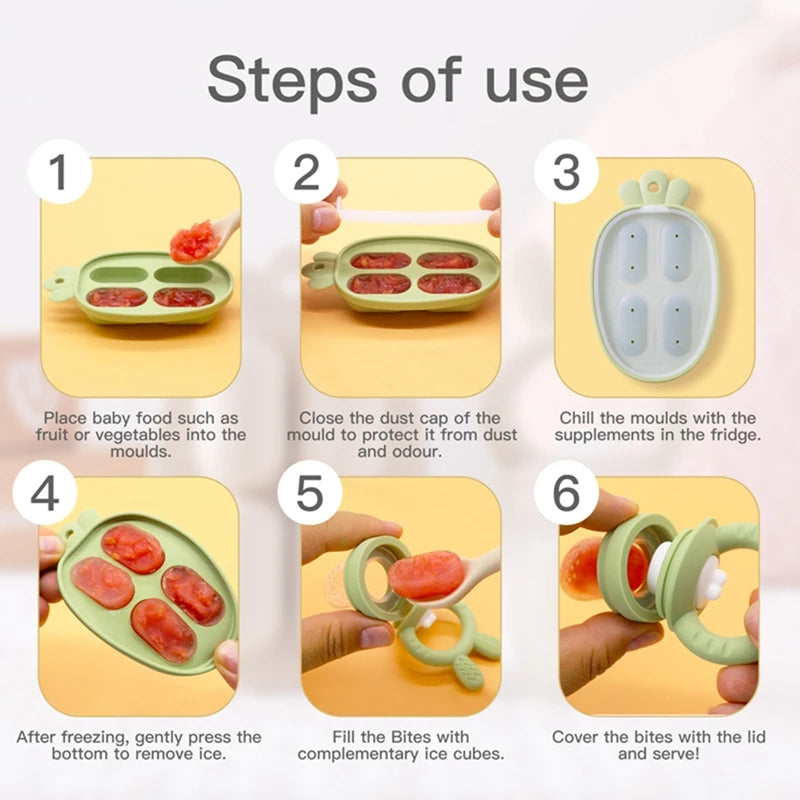
Safe first foods for infants start with soft textures and calm exploration 💡 See it in action
How to know your baby is ready for solids
Before choosing foods, readiness matters more than age alone. Most infants are ready between 4–6 months, but developmental signs are key.
- Sits with minimal support
- Shows interest in food during family meals
- Good head and neck control
- Loss of tongue-thrust reflex
When these signs align, infant eating solids feels smoother and safer. Pairing readiness with a thoughtful introducing solids to infants schedule reduces frustration for both parent and baby.
Best safe first foods for infants by texture
Safe first foods for infants should always be soft enough to mash between fingers. Texture progression helps babies adapt while minimizing choking risk.
Soft purees for gentle beginnings
Purees are often the first step because they’re easy to swallow and digest.
- Steamed and blended carrots or sweet potatoes
- Mashed avocado or banana
- Iron-fortified infant cereals mixed thin
Thick mashes for texture learning
As confidence grows, thicker textures encourage chewing motions.
- Mashed lentils or beans
- Oatmeal with breast milk or formula
- Mashed pear or apple
Soft finger foods for exploration
Finger foods support self-feeding skills and independence.
- Steamed vegetable sticks
- Soft fruit slices
- Shredded tender meats
Introducing solids to infants schedule: what works best
A flexible introducing solids to infants schedule supports routine without pressure. Start with one meal per day and gradually increase.
- Begin after milk feeds to avoid hunger stress
- Offer one new food every 2–3 days
- Watch for reactions calmly
- Increase variety slowly
Consistency builds confidence. Parents often report calmer mealtimes when they follow predictable patterns that respect infant cues.
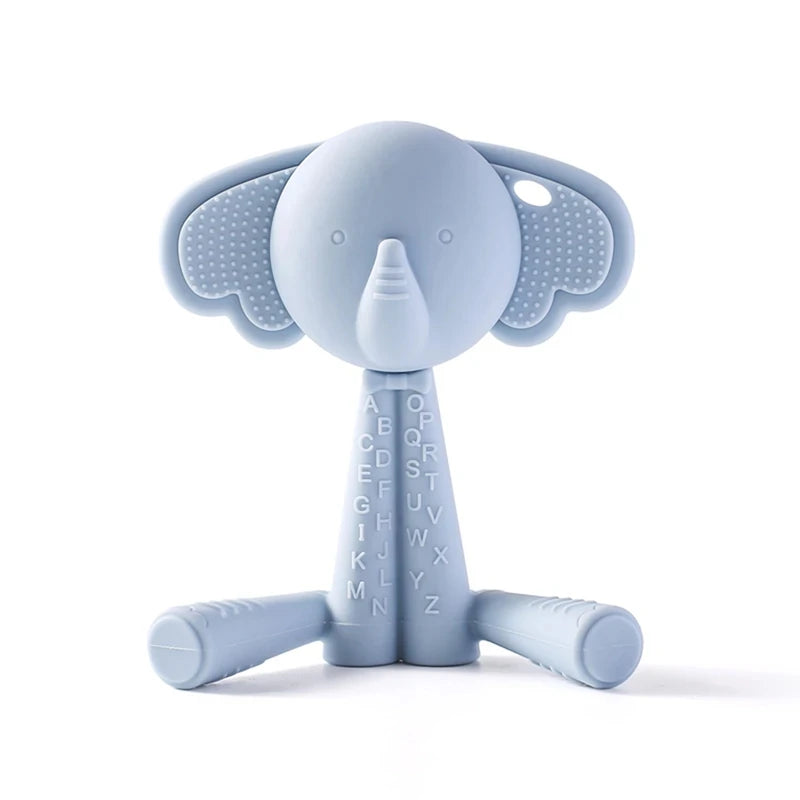
Introducing solids to infants schedule made easier with supportive tools 💡 See it in action
How the right tools make infant eating solids easier
Tools don’t replace good food choices, but they make the process smoother. Parents often feel overwhelmed by options, yet simple tools reduce mess and stress.
For example, soft feeders allow babies to explore flavors safely while controlling texture exposure. Many families pair early foods with items from Feeding & Nursing to support comfort and hygiene.
The silicone baby fruit feeder is especially helpful for early introduction of solids to infants. Parents share that it helps babies enjoy fruits without choking worries, turning hesitant eaters into curious explorers.
Common mistakes and how to avoid them
Even with good intentions, mistakes happen. Awareness prevents frustration.
| Common Issue | Better Approach |
|---|---|
| Starting too early | Wait for readiness cues |
| Overloading spoons | Offer small, manageable bites |
| Rushing variety | Introduce slowly and observe |
| Ignoring baby cues | Pause when baby shows disinterest |
Real parent experiences with safe first foods
Many parents share that once they focused on safe first foods for infants, mealtimes became calmer. One parent noted that using simple tools and soft textures reduced anxiety and improved sleep routines.
Another family reported that early introduction of solids to infants expanded taste acceptance, making toddler meals less stressful later on.
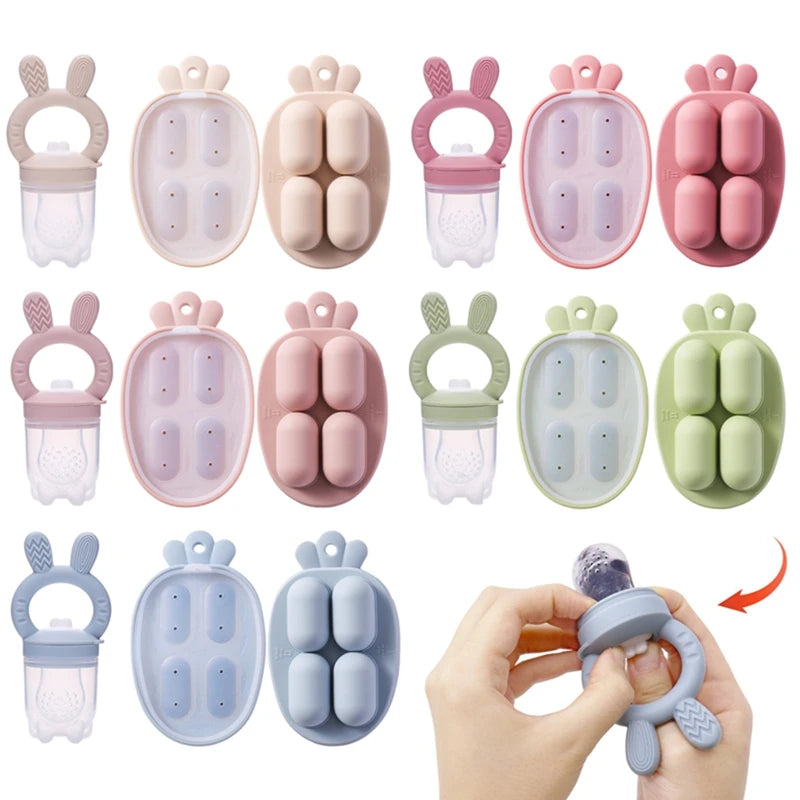
Infant eating solids becomes joyful with the right first foods 💡 See it in action
Frequently asked questions
When should I start safe first foods for infants?
Most babies are ready around 6 months when developmental signs appear. Always prioritize readiness over age alone.
How many times a day should infants eat solids?
Start once daily and increase gradually as interest and skills grow, alongside milk feeds.
What foods should I avoid at first?
Avoid hard, round, or sticky foods that increase choking risk, and always supervise meals closely.





