

Is a safe toddler straw cup really spill-proof and safe for daily use?
A safe toddler straw cup is designed to reduce leaks while protecting developing gums and teeth. With soft, anti-choke straws and leak-resistant lids, modern spill proof straw cups help babies transition from bottles to independent drinking safely, making them a trusted infant feeding cup for parents choosing the best cups for 6 month olds.
Safe Toddler Straw Cup Review Parents Trust Before Buying
⏱ 6 min read
Every parent knows the frustration: spilled milk on the couch, soaked clothes, and a toddler learning to drink independently. Choosing a safe toddler straw cup is not just about convenience—it’s about safety, confidence, and peace of mind. If you’re searching for a cup that supports healthy development while minimizing mess, you’re in the right place.

A safe toddler straw cup designed for confident, mess-free sipping. 💡 See it in action
Why Safety Matters in a Toddler Straw Cup
A toddler’s mouth is still developing, which means every sip matters. A poorly designed infant feeding cup can strain gums, affect oral development, or even pose choking risks. That’s why parents increasingly prioritize safe toddler straw cup designs that combine soft materials with controlled flow.
Many families explore essentials from Feeding & Nursing collections to find options that balance comfort and durability. The right cup reduces stress at mealtime and encourages healthy habits early on.
Key Features Parents Look For in Spill Proof Straw Cups
When comparing spill proof straw cups, parents consistently highlight a few must-have features that separate trusted products from disappointing ones.
- Soft, flexible straw that protects gums
- Leak-resistant valve for fewer spills
- Easy-to-clean parts for hygiene
- Lightweight design for small hands
Why This Safe Toddler Straw Cup Stands Out
A safe toddler straw cup should balance safety, durability, and ease of use. This anti-choke straw cup is engineered to support independent drinking while minimizing leaks. Parents appreciate how it transitions babies smoothly from bottle to cup without overwhelming them.
Available via this trusted product page, the cup features a soft silicone straw and secure lid that withstands daily drops and tosses.
What Makes It Parent-Approved?
- Anti-choke straw reduces sudden flow
- Spill-resistant seal protects furniture
- BPA-free materials for peace of mind
- Ergonomic shape supports tiny hands
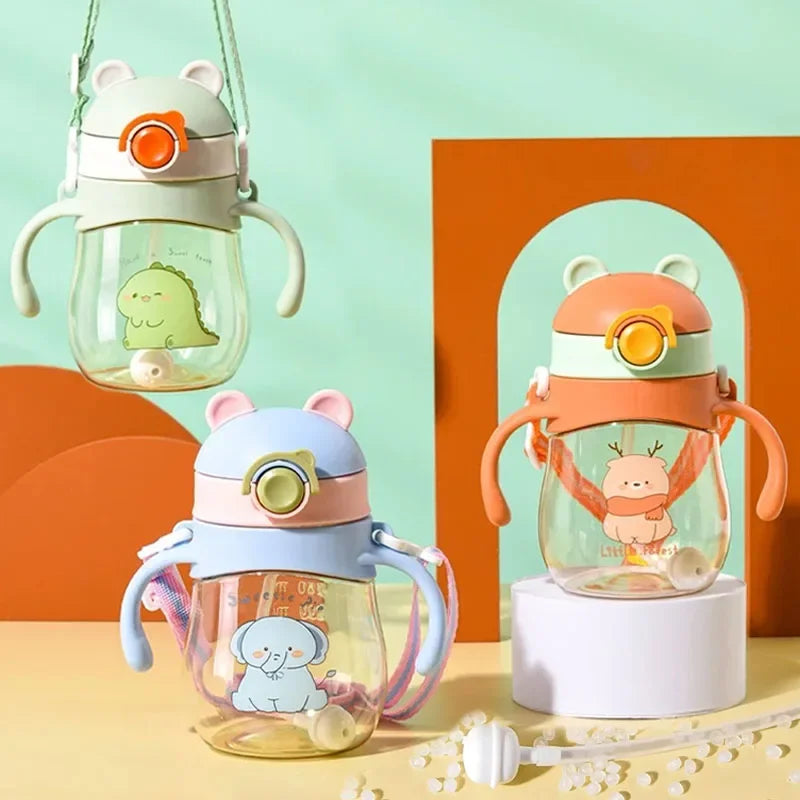
Spill proof straw cups that support healthy oral development. 💡 See it in action
How It Compares to Other Toddler Drinking Cups
Parents often feel overwhelmed by the number of toddler drinking cups on the market. Comparing features side by side helps clarify which option truly delivers value.
| Feature | This Straw Cup | Standard Sippy Cup |
|---|---|---|
| Spill Resistance | High | Medium |
| Oral Safety | Soft silicone straw | Hard spout |
| Ease of Cleaning | Simple parts | Multiple valves |
For parents browsing Baby Care Essentials, this comparison highlights why straw cups are often preferred for long-term use.
Real Parent Reviews and Experiences
Social proof plays a big role in building trust. Many parents report fewer spills within the first week of switching to this safe toddler straw cup. One mom shared that mealtimes became calmer because her baby could drink independently without frustration.
Another parent noted improved confidence during outings, as the leak-resistant straw cup prevented messes in the car seat and diaper bag.
How to Choose the Best Cups for 6 Month Olds
Choosing the best cups for 6 month olds requires attention to both safety and usability. Start with a cup that mimics natural sipping while offering spill protection.
- Check for BPA-free, food-grade materials
- Look for soft, flexible straws
- Ensure the cup is easy to clean
- Confirm it’s sized for small hands
Many parents also explore supportive items from Baby Growth & Learning to complement feeding milestones.
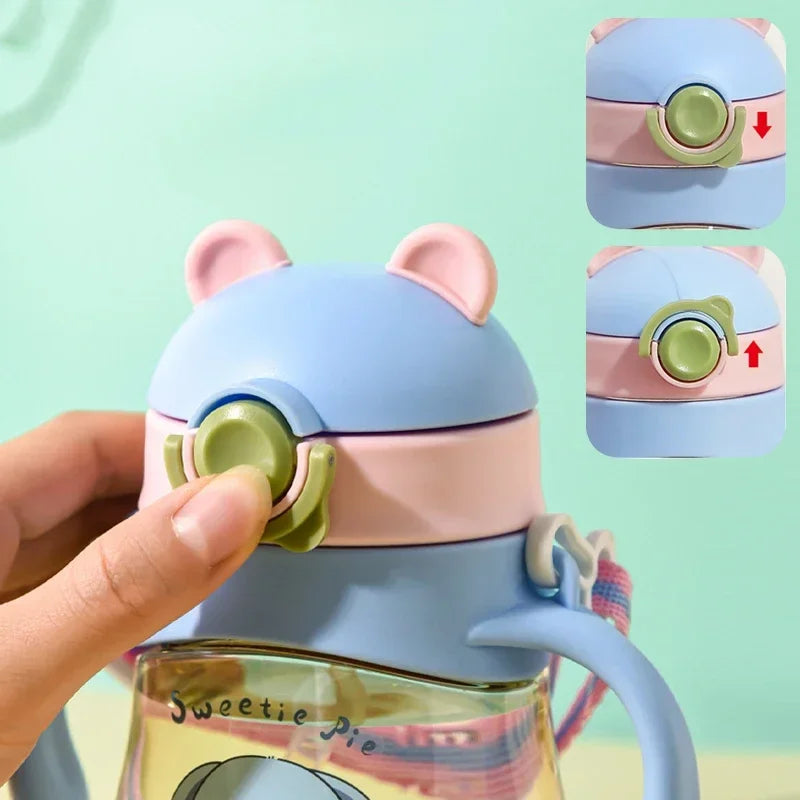
A leak resistant straw cup parents trust for daily use. 💡 See it in action
Frequently Asked Questions
Is a straw cup safe for babies under one year?
Yes, when designed properly. A safe toddler straw cup with a soft, anti-choke straw supports natural sipping and reduces risk when used under supervision.
How do spill proof straw cups reduce mess?
They use secure valves and seals that release liquid only when suction is applied, helping prevent leaks during play or travel.
Can this cup replace a bottle completely?
Many parents successfully transition from bottle to straw cup around six months, especially when the cup is comfortable and easy for babies to hold.
Trusted by families nationwide, :contentReference[oaicite:0]{index=0} continues to focus on safety, comfort, and real-life parenting needs—helping you choose with confidence.





