

Silicone Baby Utensils Set Compared for Self Feeding
Does a silicone baby utensils set really help babies self-feed?
Yes— a silicone baby utensils set supports early self-feeding by offering soft, flexible tips, easy-grip handles, and safe materials that protect gums. The right design reduces spills, improves control, and helps babies who struggle with coordination build confidence during feeding milestones.
Silicone Baby Utensils Set Compared for Self Feeding
⏱ 6 min read
Choosing the right utensils can make the difference between a stressful meal and a confident first bite. If your baby keeps dropping spoons, chewing handles, or refusing to try, you’re not alone. This guide compares silicone baby utensils sets to help parents understand what truly supports self-feeding—beyond cute colors.
Feeding a baby isn’t just about nutrition—it’s about learning control, independence, and trust. So how do you know which utensil set actually helps instead of hinders?
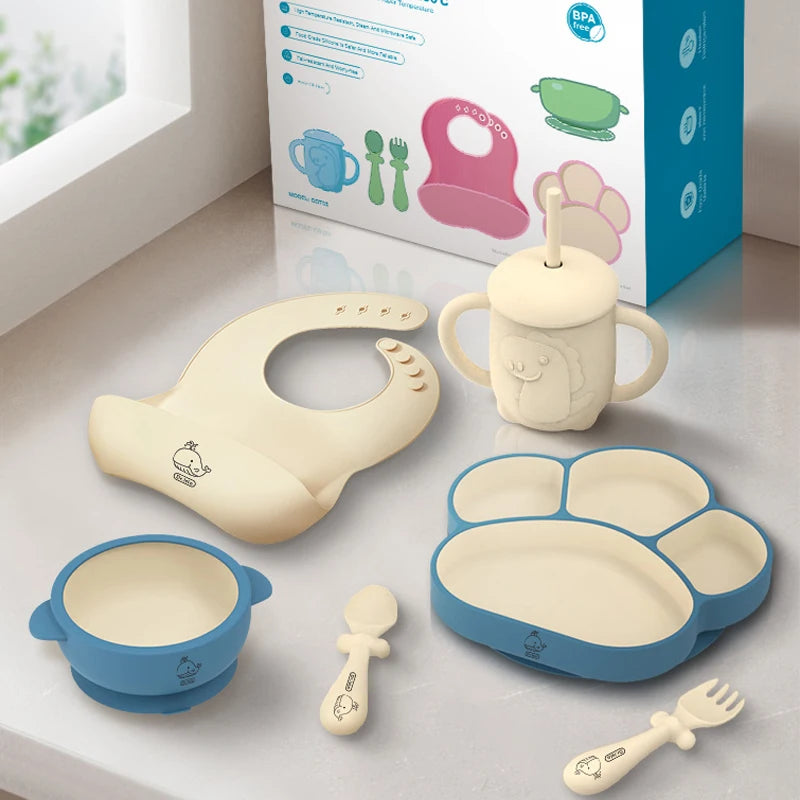
Silicone baby utensils set designed for infant feeding utensils and early self-feeding 💡 See it in action
Explore options in Feeding Tools trusted by parents navigating early self-feeding.
Why Silicone Makes Self-Feeding Easier
A silicone baby utensils set works with your baby’s development, not against it. Unlike metal or hard plastic, silicone bends gently, protecting gums and allowing babies to explore textures safely.
- Soft tips reduce gag reflex and gum discomfort
- Non-slip handles improve grip strength
- Lightweight design supports coordination
- Heat-resistant and dishwasher safe
Parents often notice fewer dropped spoons and less frustration within days of switching.
Side-by-Side Comparison: What Sets Perform Best?
Silicone baby utensils set options vary widely in shape, firmness, and balance. Comparing them side by side highlights why some support self-feeding better than others.
| Feature | Basic Plastic Set | Hybrid Silicone | Full Silicone Baby Utensils Set |
|---|---|---|---|
| Grip Control | ❌ Slippery | ⚠️ Moderate | ✅ Textured, non-slip |
| Gum Safety | ❌ Hard edges | ⚠️ Mixed | ✅ Soft, flexible |
| Mess Reduction | ❌ Poor balance | ⚠️ Average | ✅ Weighted handles |
Learn how parents pair utensil sets with bowls and plates from Feeding & Nursing.
Matching Utensils to Feeding Milestones
Every baby develops differently. A month old not feeding self yet doesn’t mean something is wrong—it means tools may not match readiness.
0–6 Months: Exploration Stage
- Wide silicone infant feeder handles
- Chewable spoon tips
- Short length for easy control
6–9 Months: Assisted Scooping
- Angled spoons guide food inward
- Textured grips support wrist rotation
9–12 Months: Independent Feeding
- Deeper spoon bowls
- Balanced weight for control
Choosing age-appropriate utensils reduces frustration and builds confidence naturally.
Features That Matter Most in a Silicone Baby Utensils Set
A silicone baby utensils set stands out when design details align with real feeding challenges. Here’s what experienced parents prioritize:
- Handle thickness: Easier for small hands to grasp
- Tip flexibility: Gentle on gums and emerging teeth
- Balance: Prevents food from flipping off
- Material purity: Food-grade silicone only
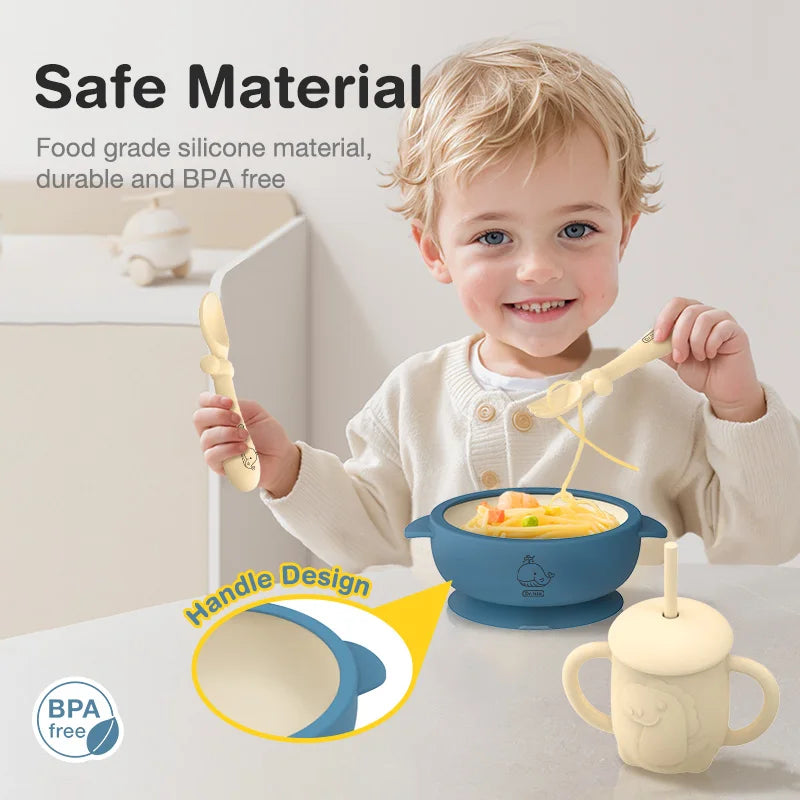
Infant feeding utensils that support coordination and reduce spills 💡 See it in action
Many families pair utensils with supportive routines found in Baby Growth & Learning to encourage consistent progress.
Common Mistakes Parents Make When Choosing Utensils
- Picking based on color instead of grip
- Using adult-sized spoons too early
- Ignoring balance and weight
- Switching tools too often
Consistency with the right silicone infant feeder helps babies learn faster.
What Real Parents Notice After Switching
Across reviews, parents report similar improvements within one to two weeks:
- Less food dropped during meals
- Longer attention span at the table
- Reduced gagging and chewing on handles
- More enthusiasm for self-feeding
Many families combine utensil upgrades with items from Baby Care Essentials to streamline daily routines.
Explore the complete set here: silicone baby utensils set
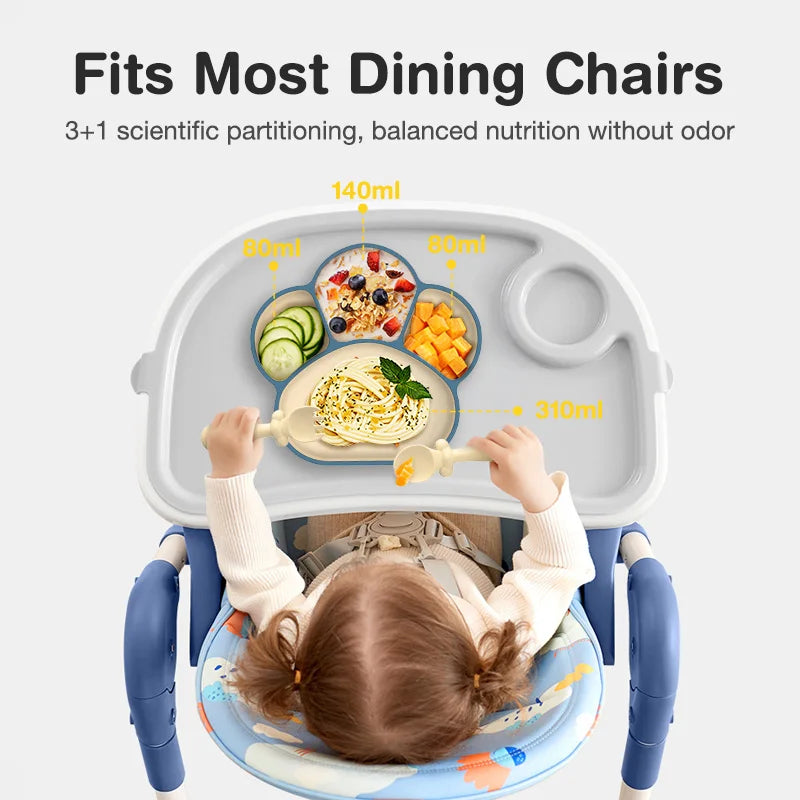
A silicone baby utensils set that supports baby self feeding and cleaner meals 💡 See it in action
Frequently Asked Questions
Is silicone safe for baby feeding utensils?
Food-grade silicone is non-toxic, flexible, and resistant to heat, making it safe for daily infant feeding utensils when properly certified.
When should a baby start using self-feeding utensils?
Most babies begin exploring utensils between 4–6 months, with more control developing around 8–9 months.
Why does my month old not feeding self yet?
This is normal. Early months focus on exploration, not precision. Using a soft silicone infant feeder encourages gradual skill building.
How many utensils should be in a starter set?
A balanced silicone baby utensils set usually includes 2–3 spoons and a fork to support different stages.
Related Guide: Non Toxic Silicone Baby Dishes Compared for Safety and Everyday Use





