

Does a silicone breast milk collector save more milk than cups?
A silicone breast milk collector often saves more milk than wearable cups because it uses gentle suction to capture letdown from the non-nursing breast instead of only catching surface leaks. As a passive milk collector, it can collect milk consistently during breastfeeding sessions without electricity, pumping parts, or manual effort.
Silicone Breast Milk Collector vs Cups: Which Saves More Milk in 2026?
A silicone breast milk collector and wearable milk collection cups both help reduce wasted breast milk, but they work in different ways. If you experience leaking during nursing, choosing between a silicone breast milk catcher, breast milk collection cups, or a traditional pump depends on your milk flow, comfort needs, and daily routine. This complete comparison explains which option captures more milk, how each works, and which tool fits different breastfeeding situations.
⏱ 8 min read
Which breastfeeding tool helps you save more milk without adding extra work? The answer depends on how much you leak, when you feed, and whether you need active milk removal or simple collection.
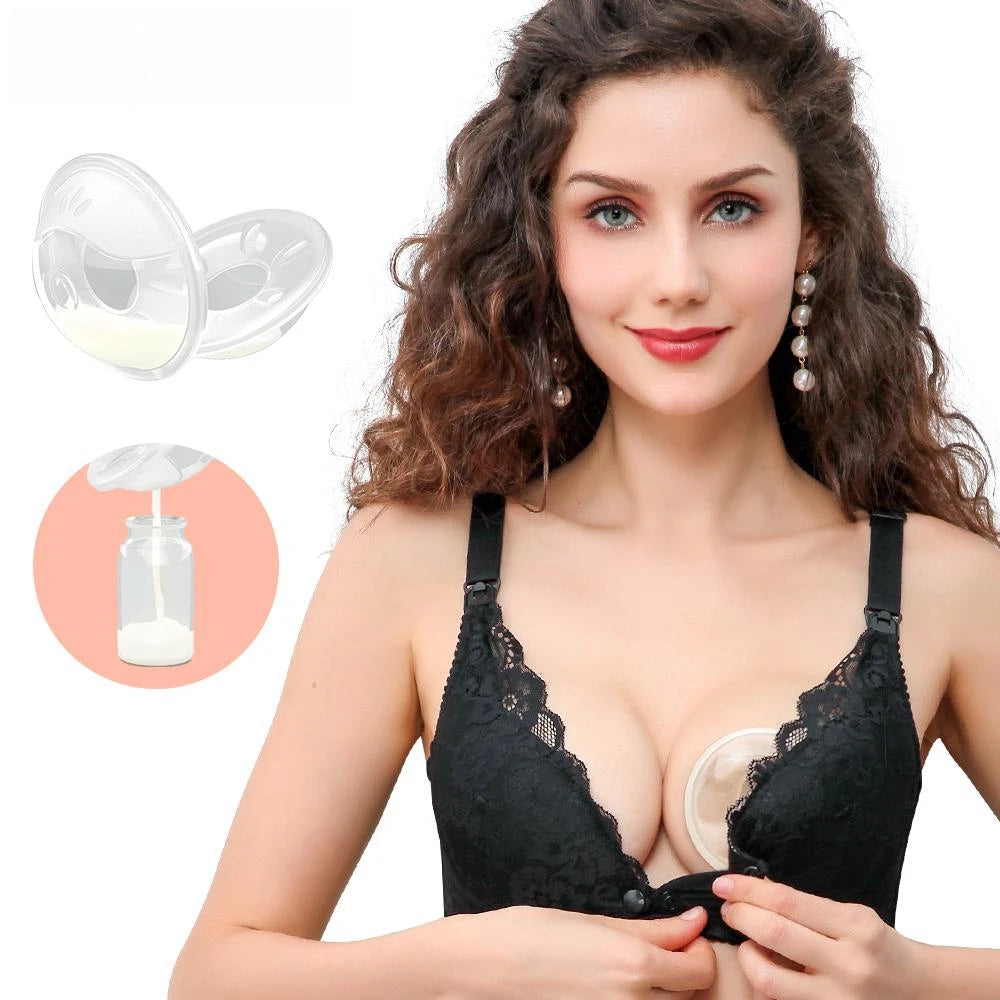
Silicone breast milk collector as a passive breast milk collector for leaking breast milk while nursing — See it in action
Why milk leaks during nursing
Breast milk leakage is a normal part of breastfeeding, especially during the early months when milk supply and letdown patterns are still adjusting. When your baby nurses on one breast, your body may trigger a letdown reflex in both breasts, causing milk to flow from the unused side.
Understanding the letdown reflex
The letdown reflex happens when hormones signal milk ducts to release stored milk. Some parents experience a strong release that causes noticeable leaking, while others only notice a few drops. Leakage can happen during feeding, when hearing a baby cry, or when breasts become full between sessions.
- Strong letdown reflex on the opposite breast
- Oversupply creating extra milk pressure
- Long gaps between feeds
- Baby switching sides during nursing
- Hormonal changes throughout the day
How leaked milk can be collected
A breast milk catcher cup or milk collection cup provides a way to save milk that would otherwise soak into nursing pads. Passive collection tools are especially useful during feeding because they capture milk naturally released during letdown without replacing normal feeding or pumping.
What is a silicone breast milk collector?
A silicone breast milk collector is a soft silicone device designed to collect leaking milk from the breast that is not currently being used for feeding. Unlike an electric pump, it does not actively remove milk with motorized suction. Instead, it uses gentle natural suction to create a seal and collect milk released during letdown.
How passive milk collection works
A passive milk collector attaches around the nipple area and creates a light seal. When milk begins flowing naturally, the collector catches the output inside the cup. This makes it a convenient breast milk collection cup for parents who want to reduce wasted milk during breastfeeding sessions.
Direct answer: A silicone breast milk collector works best as a let down cup breastfeeding tool because it captures milk already being released rather than stimulating additional milk production.
Silicone breast milk collector vs breast pump
| Feature | Silicone Breast Milk Collector | Breast Pump |
|---|---|---|
| Main purpose | Collect naturally leaking milk | Actively remove milk |
| Power needed | No batteries or electricity | Usually requires manual effort or power |
| Best for | Saving letdown milk during feeds | Building supply or replacing feeds |
Who should use a passive milk collector?
A passive milk collector is ideal for parents who:
- Leak milk during nursing sessions
- Want to save extra milk without pumping
- Prefer a quiet, simple breastfeeding tool
- Need a lightweight option for home feeding
Many parents pair a collector with Breastfeeding Aids for smoother feeding and storage routines.
Does a silicone breast milk collector save more milk than collection cups?
Yes, a silicone breast milk collector usually saves more milk than wearable collection cups when milk leakage is moderate or heavy. The reason is that a passive collector creates a gentle seal that captures flowing milk during letdown, while most wearable cups simply catch leaks that reach the breast surface.
Passive collector vs wearable milk collection cups
| Situation | Better Choice | Why |
|---|---|---|
| Strong letdown during nursing | Silicone breast milk collector | Captures more flowing milk |
| Light occasional leaks | Wearable cups | Provides simple leak protection |
| Feeding while seated | Silicone collector | More efficient collection |
| Walking or working outside | Wearable cups | More discreet under clothing |
When each option performs best
A silicone milk collection cup is usually the better choice when your goal is saving milk. Wearable breast milk collection cups are better when your priority is avoiding visible leaks throughout the day.
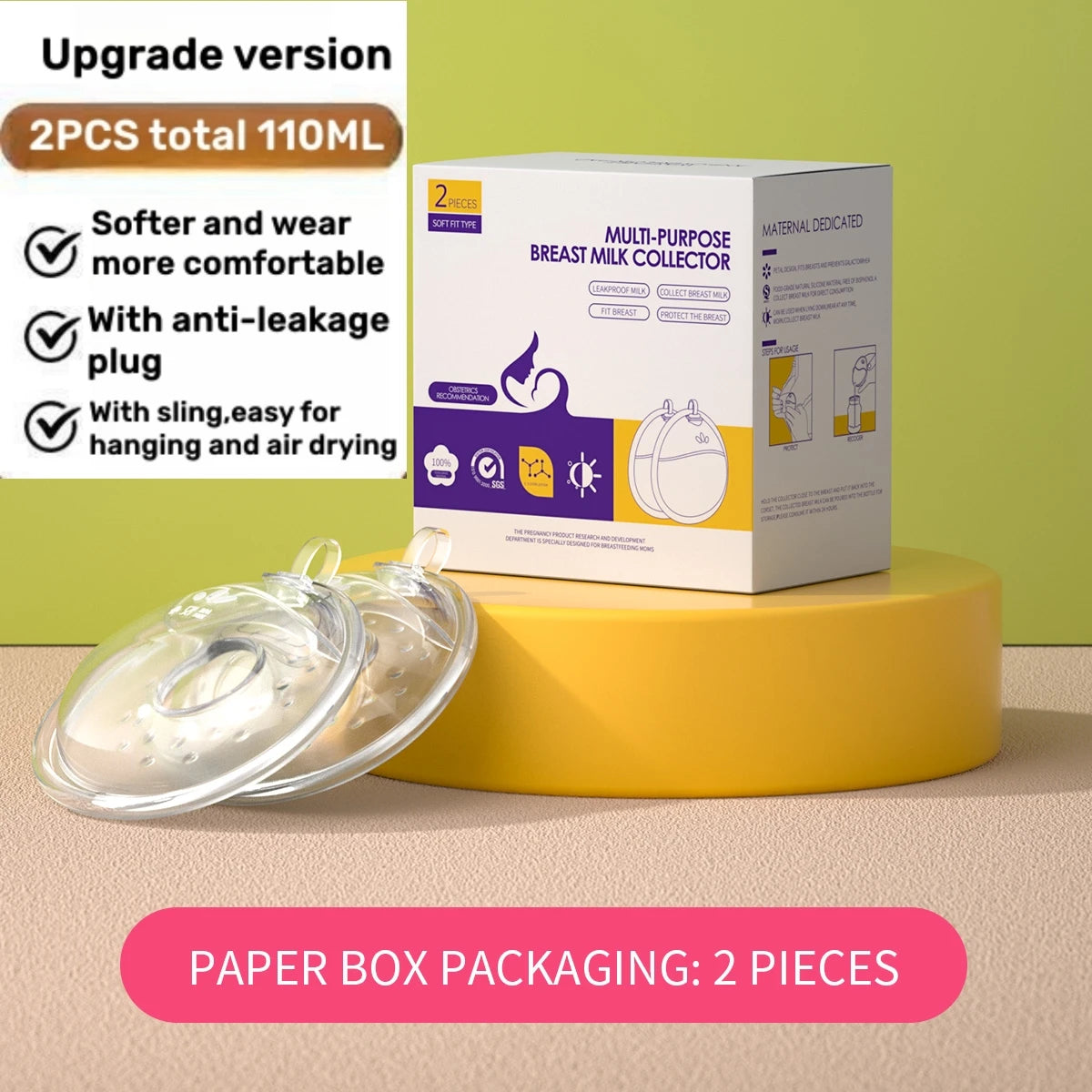
Comparing a silicone breast milk catcher with wearable cups for breast milk saving — See it in action
Silicone breast milk collector vs cups: complete comparison
| Feature | Silicone Breast Milk Collector | Wearable Milk Collection Cups |
|---|---|---|
| Suction and seal | Gentle suction helps capture letdown | No active suction |
| Milk capture | Better for steady leaks | Better for small drips |
| Comfort | Soft silicone with light pulling sensation | No suction but depends on bra fit |
| Capacity | Usually designed for collecting larger amounts | Often designed for leak protection |
| Best use | During breastfeeding sessions | Daily wear and mobility |
Pros and cons
- Silicone collector advantages: captures more milk, reusable, quiet, simple setup.
- Silicone collector limitations: may not be ideal for active movement or replacing pumping.
- Wearable cup advantages: discreet, comfortable for some parents, convenient outside the home.
- Wearable cup limitations: usually collects less milk during strong letdown.
How to use a silicone breast milk collector correctly
Create proper suction
Wash your hands, center the collector over the nipple area, and gently squeeze the silicone before releasing it to create a comfortable seal. Avoid excessive suction because stronger pulling does not always mean more milk collection.
Position during feeding
Place the collector on the non-nursing breast before your baby begins feeding. Keeping your body relaxed can help encourage normal letdown and improve collection.
Remove and transfer milk
When finished, release the seal gently instead of pulling the collector away. Pour collected milk into a clean storage container and label it according to your milk storage routine.
Common mistakes to avoid
- Creating too much suction
- Using a damaged silicone seal
- Skipping cleaning after use
- Expecting a collector to replace pumping
How much milk should you expect to collect?
Typical letdown volume
Collection amounts vary widely. Some parents collect only a few drops, while others may collect an ounce or more during a feeding session. A silicone breast milk collector does not measure supply because it only captures naturally released milk.
Factors affecting milk yield
- Milk supply level
- Strength of letdown reflex
- Baby’s feeding pattern
- Collector fit and seal
- Time since the last feed
When pumping is still necessary
If you need to increase supply, replace a feeding session, or regularly remove larger amounts of milk, a breast pump may be more appropriate. A passive milk collector is designed for saving leaked milk, not active milk extraction.
Comfort, fit, and daily wear
Home use
For relaxed feeding at home, silicone collectors are often preferred because they are easy to attach and collect milk while you nurse.
Travel
Wearable cups may be more practical for errands because they sit discreetly under clothing and protect against visible leaks.
Nighttime feeding
Some parents prefer milk collection cups for sleeping because they provide leak protection, but comfort depends on fit, sleeping position, and breast sensitivity.
For sensitive skin or longer sessions, many parents also browse Health & Safety items to reduce irritation and keep routines worry-free.
Cleaning, sterilization, and milk safety
Cleaning after every use
Wash silicone breast milk collection cups after every use with warm water and mild soap. Pay attention to edges and seals where milk residue may collect.
Sterilization guidelines
Sterilize according to the manufacturer’s instructions, especially for newborn feeding routines. Pairing with Sterilization Devices can simplify daily care.
Safe milk storage
Transfer collected milk into a clean, labeled container and follow recommended breast milk storage guidelines.
When to replace silicone
Replace a collector if silicone becomes cracked, sticky, damaged, or loses its shape because an imperfect seal can reduce performance.
Silicone collectors vs pumps, breast shells, and disposable catchers
Electric pumps
Electric pumps are designed for active milk removal and are better for parents building a freezer supply or pumping regularly.
Manual pumps
Manual pumps provide more control than passive collectors but require hand movement and active pumping.
Breast shells
Breast shells mainly protect clothing and collect small leaks. They generally do not capture as much milk as a silicone collector with gentle suction.
Disposable milk catchers
Disposable catchers offer convenience but create ongoing waste and may not be as comfortable for repeated daily use.
Who should choose which?
Oversupply
Parents with strong letdown or oversupply often benefit from a silicone breast milk collector because more leaked milk can be saved.
Occasional leakage
For occasional drops, wearable cups may provide enough protection without needing active collection.
Exclusive pumping
Exclusive pumpers usually need a breast pump as their main tool. A collector may help capture additional leaks but is not a replacement.
Returning to work
Parents returning to work may prefer discreet collection cups during the day and a silicone collector during nursing sessions at home.
Many families keep both options available alongside Feeding Tools that streamline storage and transfer.

Hands free milk collector moments that reduce breast milk wasted — See it in action
Frequently asked questions
What is a silicone breast milk collector?
A silicone breast milk collector is a reusable silicone device that catches leaking breast milk during feeding using gentle suction instead of electric pumping.
How does a passive milk collector work?
A passive milk collector creates a light seal around the breast to collect milk released naturally during letdown.
How much milk can a silicone breast milk collector collect?
The amount varies by supply, letdown strength, and fit. Some parents collect only a small amount, while others collect a measurable portion during each feed.
Can a silicone breast milk collector replace a breast pump?
No. A collector saves leaking milk but does not actively remove milk like a breast pump.
Are silicone breast pump collection cups better than hard plastic ones?
Many parents prefer silicone because it feels softer, creates a flexible seal, and is easier to use against the breast.
Can I use milk collection cups while sleeping?
Some parents use milk collection cups for sleeping, but comfort depends on fit, sleeping position, and the specific design.
How often should I sterilize a silicone milk collector?
Sterilization frequency depends on age, health needs, and manufacturer instructions. Regular cleaning after every use is essential.
Who should not use a passive milk collector?
Parents with pain, damaged skin, discomfort from suction, or specific breastfeeding concerns should consult a healthcare professional before continued use.
Related Guide: Milk Collector Cups Compared for Real Breastfeeding Routines





