

is silicone tableware safe for babiesvs Plastc: Hidden Trth
Is silicone tableware really safe for babies?
Silicone tableware safety guide answers parents’ biggest concern: what truly touches a child’s food. High-quality food-grade silicone is silicone non toxic, heat-resistant within silicone safe temperature ranges, and designed to handle daily feeding without leaching harmful substances when used correctly.
Silicone Tableware Safety Guide Every Parent Should Know
This silicone tableware safety guide helps parents navigate confusing labels, bold claims, and mixed advice around baby feeding products. From understanding silicone non toxic standards to learning why silicone safe temperature limits matter, you’ll discover how a well-designed silicone feeding set can simplify meals, reduce risks, and bring confidence back to everyday feeding routines.
⏱ 7 min read
Have you ever paused mid-meal wondering if your baby’s bowl is truly safe when warmed, chewed, or tossed on the floor? With so many materials on the market, it’s normal to feel unsure. The good news: modern silicone tableware, when chosen carefully, solves many of the safety and convenience problems parents face daily.
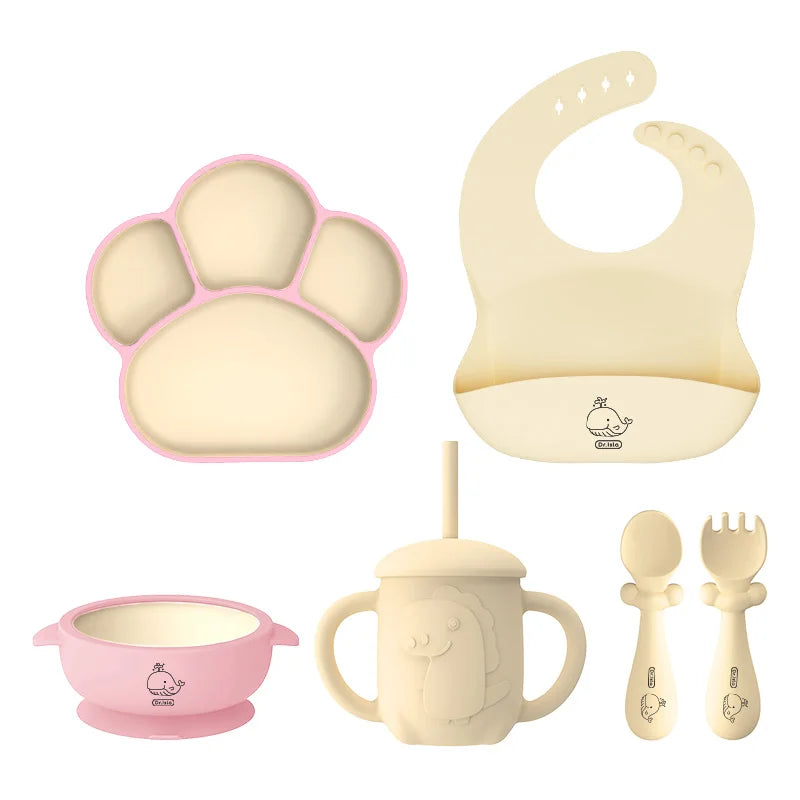
Silicone tableware safety guide shows how silicone non toxic materials support safer feeding. 💡 See it in action
What Is Silicone Tableware?
Silicone tableware includes bowls, plates, cups, and utensils made from food-grade silicone. Unlike rigid plastics or fragile ceramics, silicone is flexible, durable, and designed for repeated contact with hot and cold foods.
Parents often encounter silicone through Feeding & Nursing essentials because it bridges safety and practicality. It bends instead of breaks, grips surfaces better, and stands up to daily drops.
Why Parents Choose Silicone for Baby Feeding
Parents gravitate toward silicone because it reduces stress during messy meals. It’s quieter when dropped, softer on gums, and less likely to shatter compared to glass or chip like plastic.
- Gentle on developing teeth and gums
- Resists cracking, peeling, and splintering
- Supports self-feeding stages
- Designed for busy, real-life routines
Is Silicone Non Toxic? What Parents Should Know
Silicone tableware safety guide begins with material safety. Food-grade silicone is silicone non toxic because it does not contain BPA, PVC, phthalates, or lead when manufactured properly. This makes it a trusted option across many Health & Safety product lines.
However, quality matters. Poorly made silicone may include fillers that affect performance and safety. Always look for certifications, clear sourcing, and transparent testing information.
Understanding Silicone Safe Temperature Limits
Silicone tableware safety guide emphasizes heat tolerance. Most food-grade silicone handles temperatures from -40°F to around 428°F, making it suitable for freezers, dishwashers, and warm foods.
Silicone safe temperature limits matter because overheating low-quality products can cause odors, discoloration, or degradation. Following manufacturer guidelines protects both the product and your child.
Common Temperature Scenarios Parents Ask About
- Warm purees and solids
- Dishwasher sanitizing cycles
- Microwave reheating (when labeled safe)
- Cold storage for meal prep
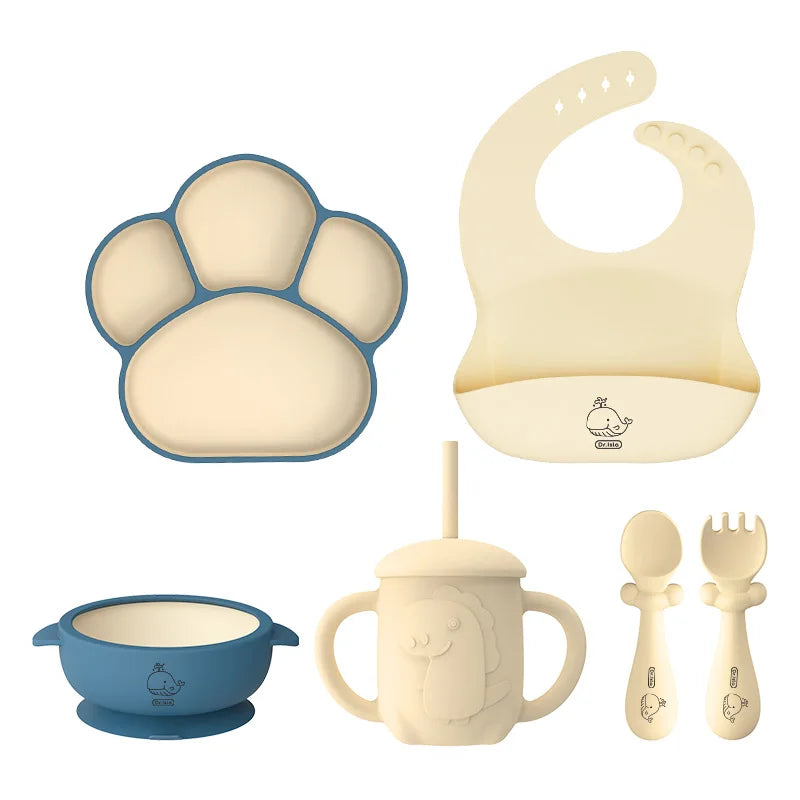
Silicone safe temperature design supports daily feeding routines. 💡 See it in action
How a Silicone Feeding Set Simplifies Mealtime
A complete silicone feeding set brings consistency and safety to the table. Matching bowls, plates, cups, and utensils are designed to work together, reducing spills and frustration.
- Suction bases help keep food in place
- Soft spoons protect sensitive mouths
- Divided plates encourage balanced meals
- Easy cleanup saves time after feeding
Many parents pair silicone feeding sets with Feeding Tools to create a smoother mealtime setup.
Silicone vs Other Baby Tableware Materials
| Material | Safety | Durability | Ease of Use |
|---|---|---|---|
| Silicone | Non toxic, heat resistant | High | Very easy |
| Plastic | Varies by quality | Medium | Easy |
| Glass | Safe but breakable | Low | Moderate |
| Bamboo | Natural but coated | Medium | Moderate |
Using Silicone Tableware Safely Every Day
Even the best silicone tableware safety guide stresses proper use. Avoid cutting food directly on silicone plates, inspect for damage regularly, and replace items that show deep tears.
Families often store silicone alongside Baby Care Essentials because it fits seamlessly into everyday routines.
Care, Cleaning, and Longevity Tips
Silicone resists stains and odors, but routine care extends its lifespan. Wash with mild soap, rinse thoroughly, and allow to dry completely.
- Avoid abrasive scrubbers
- Use gentle detergents
- Air dry to prevent residue
- Store away from sharp objects
Parent Buying Guide: What to Look For
This silicone tableware safety guide encourages parents to focus on results, not hype. Look for food-grade labeling, clear temperature ranges, and thoughtful design.
Parents comparing options often explore coordinated sets like the Children’s Silicone Tableware Set to ensure compatibility and ease of use.
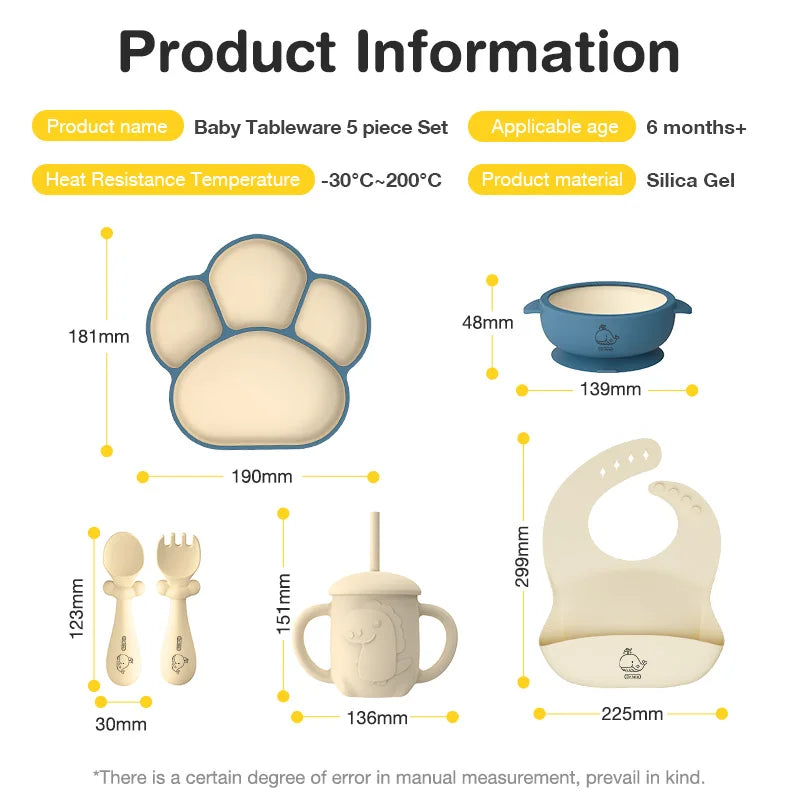
A silicone feeding set designed for safety and comfort. 💡 See it in action
Frequently Asked Questions
Can silicone tableware go in the microwave?
Most food-grade silicone supports microwave use within labeled silicone safe temperature limits. Always follow manufacturer instructions and avoid overheating.
Does silicone absorb food smells?
High-quality silicone resists odor absorption. Proper cleaning and drying help maintain freshness.
When should silicone tableware be replaced?
Replace items showing deep cuts, tears, or texture changes to maintain safety.





