

Do silicone teething toys really help babies aged 4–7 months?
Silicone teething toys provide safe, gentle gum relief for babies between four and seven months by offering soft, chewable surfaces that reduce discomfort while supporting early motor skills. Designed for easy grip and sensory comfort, silicone teething toys are widely used to calm sore gums, limit drooling mess, and help babies self-soothe during active teething phases.
Silicone Teething Toys: Top Picks for 4–7 Month Olds
Teething can turn calm days into restless nights for both babies and parents. If your little one is chewing on everything in sight, waking more often, or struggling to stay settled, you’re not alone. Silicone teething toys are designed to ease sore gums while keeping tiny hands busy and safe—helping families move through this stage with less stress and more smiles.
⏱ 7 min read
👉 Discover gentle ways to soothe sore gums and keep little hands busy.
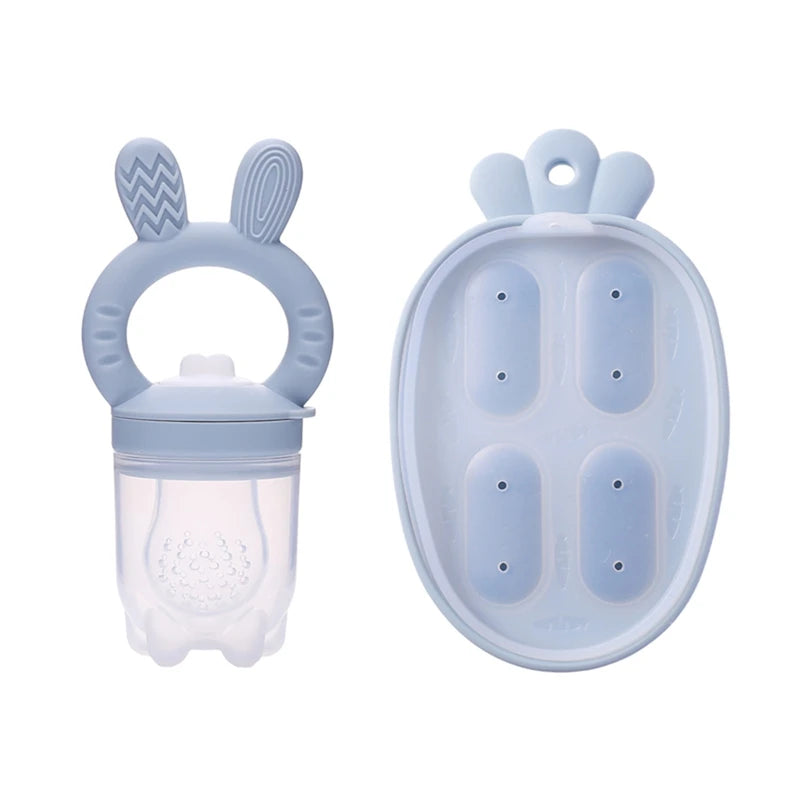
Soft silicone teething toys designed for early comfort and grip 💡 See it in action
Why Silicone Teething Toys Are Ideal for 4–7 Month Olds
Silicone teething toys stand out for their balance of softness, durability, and safety. Unlike harder materials, food-grade silicone gently massages gums without causing irritation. It’s also free from common harmful substances, giving parents peace of mind during daily use.
- Soft texture that soothes inflamed gums
- Easy-to-grip shapes for developing hand control
- Resistant to cracking, splintering, or breaking
- Simple to clean and reuse throughout the day
Many parents exploring Health & Safety options prefer silicone for its reliability during constant chewing and drooling.
Best Silicone Teething Toys by Age & Development
Best Teething Toys for 4 Month Old Babies
At four months, babies are just discovering their hands. Lightweight silicone teethers with simple shapes work best, allowing easy grasping and safe exploration.
- Flat or ring-style silicone teethers
- Textured surfaces for sensory discovery
- Compact designs for small hands
Teething Relief for 6 Month Old Babies
By six months, teething discomfort often increases. Babies benefit from toys with varied textures and firmer chew points that reach emerging teeth.
- Multi-texture silicone designs
- Longer shapes for back gum access
- Options that double as feeding aids
Parents often pair teething tools with items from Feeding & Nursing to support comfort during meals.
Side-by-Side Comparison: Popular Silicone Teething Options
| Type | Best For | Pros | Considerations |
|---|---|---|---|
| Classic Silicone Teether | 4–5 months | Lightweight, easy grip | Limited reach for back gums |
| Textured Silicone Toy | 5–7 months | Multiple soothing surfaces | Slightly larger size |
| Silicone Teething Mitten | Hands-on chewers | Stays on hand, reduces drops | Needs regular washing |
Which option fits your baby’s habits best? Understanding daily routines helps narrow the choice.
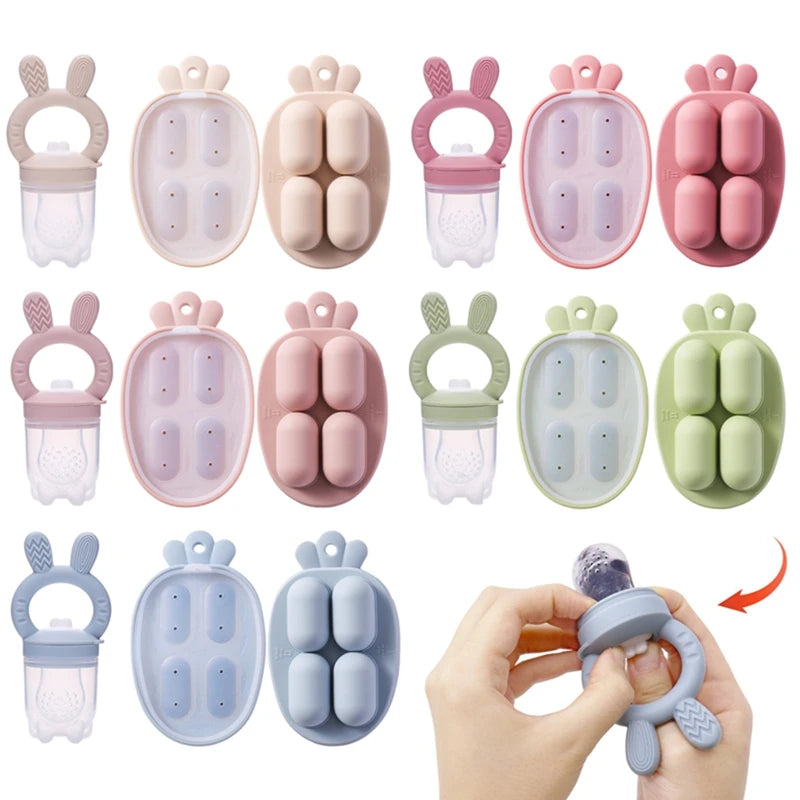
Comparing silicone teething toys for different stages 💡 See it in action
When a Silicone Teething Mitten Makes Sense
A silicone teething mitten is especially helpful for babies who constantly drop toys or prefer chewing their hands. Worn like a soft glove, it keeps soothing textures right where babies want them.
Parents browsing Baby Care Essentials often choose mittens for travel, stroller time, or moments when holding a toy isn’t practical.
Supporting Teething Through Feeding & Sensory Play
Teething doesn’t stop during feeding time. Combining silicone teethers with gentle feeding tools can ease discomfort while encouraging self-feeding skills.
- Chilled fruit feeders made from soft silicone
- Teethers that attach to feeding sets
- Textures that promote oral exploration
One option parents explore is the silicone baby fruit feeder, which allows babies to safely chew chilled foods while soothing sore gums.
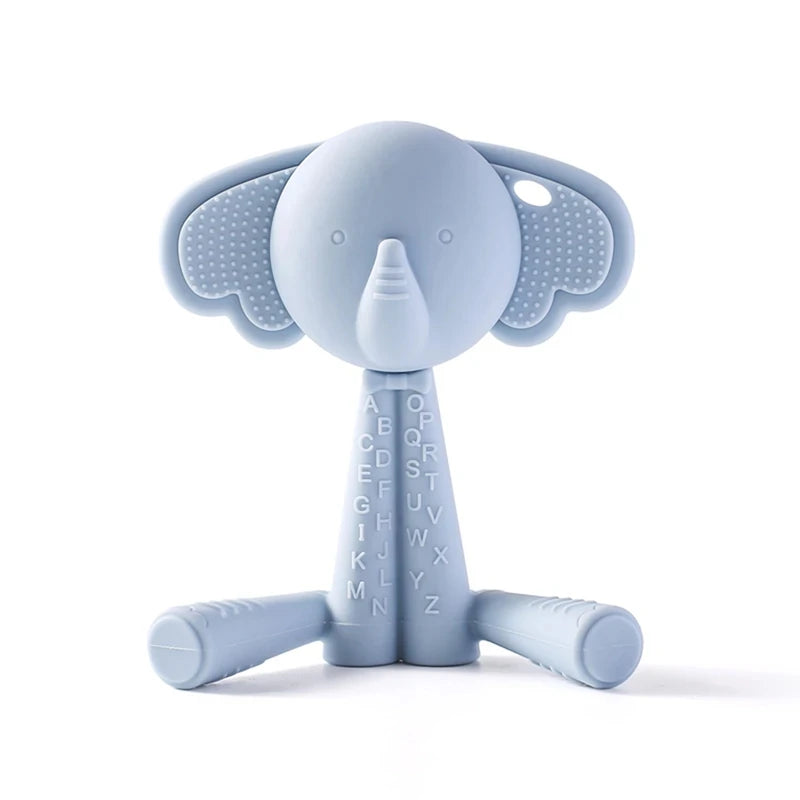
Silicone teething toys that support comfort and early feeding 💡 See it in action
👉 Learn how simple tools can make teething days calmer and nights more restful.
Safety, Cleaning, and Daily Use Tips
Even the best teething toys need proper care. Always inspect silicone teethers for wear, wash them regularly with warm soapy water, and store them in clean, dry spaces. Rotating toys throughout the day can also keep babies engaged and reduce fussiness.
Frequently Asked Questions
How often should silicone teething toys be cleaned?
Silicone teething toys should be cleaned daily or after heavy use. Many are dishwasher-safe or can be boiled briefly for deeper cleaning.
Are silicone teething toys safe for overnight use?
While silicone is safe, teething toys should be used under supervision. Remove toys once your baby is asleep to reduce any safety risks.
Can silicone teething toys help with drooling and fussiness?
Yes. By giving babies a safe outlet to chew, silicone teething toys often reduce drooling-related irritation and help calm general teething discomfort.
👉 Find the teething solution that fits your baby’s needs today.
Related Guide: Introducing Solids to Infant: Top 7 Foods to Start Safely





