

Soft Tip Baby Feeding Utensils Why They Protect Gums
Do soft tip baby feeding utensils really protect gums?
Soft tip baby feeding utensils protect delicate gums by using flexible, cushioned tips that reduce pressure during feeding. Designed for early solids, they help prevent irritation, support safer swallowing, and make it easier to manage a newborn messy eater while encouraging confident month old self feeding.
Soft Tip Baby Feeding Utensils Why They Protect Gums
⏱ 7 min read
Feeding your baby should feel joyful, not stressful. Yet when tender gums meet hard utensils, many parents worry about discomfort, refusal, or mess. Soft tip baby feeding utensils were created to solve this exact problem—combining safety, comfort, and confidence for babies just starting their feeding journey.
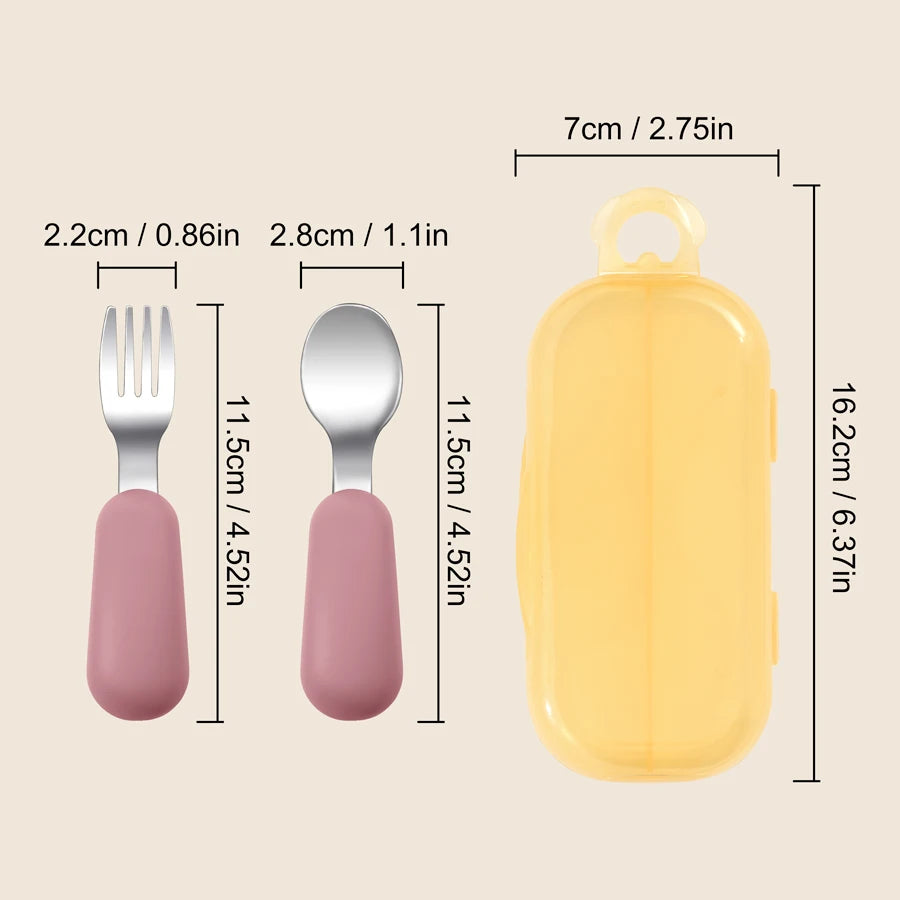
Soft tip baby feeding utensils help soothe tender gums and calm a newborn messy eater. 💡 See it in action
Why Baby Gums Need Extra Protection
In the early months, a baby’s gums are incredibly sensitive. Even before teeth appear, pressure, friction, or sharp edges can cause discomfort. This sensitivity often shows up as fussiness, refusal to eat, or excessive mess—especially common with a newborn messy eater.
Soft materials matter because they adapt to your baby’s mouth instead of forcing the mouth to adapt to the tool. That difference can turn feeding from a struggle into a calm routine.
What Makes Soft Tip Baby Feeding Utensils Different?
Soft tip baby feeding utensils use flexible silicone or similar materials that bend slightly with each bite. Unlike rigid spoons, they cushion contact with gums and lips.
These utensils are often paired with ergonomic handles, making them easier for small hands and supporting early coordination.
Direct Answer: Why do soft tips work better?
Soft tip baby feeding utensils work better because their flexible edges absorb pressure instead of pushing against gums. This reduces irritation, lowers the risk of mouth injury, and helps babies accept new textures more easily during early feeding stages.
Key Benefits for Babies and Parents
- Gentler contact that protects tender gums
- Less resistance and fewer feeding refusals
- Improved control for parents and babies
- Reduced stress when dealing with a newborn messy eater
Parents often notice that babies stay calmer and more engaged, which makes clean-up and consistency easier.
Soft Tip vs Traditional Utensils
| Feature | Soft Tip Utensils | Traditional Utensils |
|---|---|---|
| Gum Safety | Flexible and cushioned | Hard, rigid edges |
| Baby Comfort | High | Often causes discomfort |
| Self-Feeding Support | Encourages month old self feeding | Limited grip and control |
Supporting Month Old Self Feeding with Confidence
As babies grow, curiosity takes over. They want to hold the spoon, explore textures, and feed themselves. Soft tip baby feeding utensils make this transition safer.
The gentle tip reduces fear of biting down too hard, while the lightweight design supports independence. This builds confidence early, laying the foundation for positive eating habits.
Explore more supportive tools in Feeding Tools and Feeding & Nursing collections to complement your feeding routine.
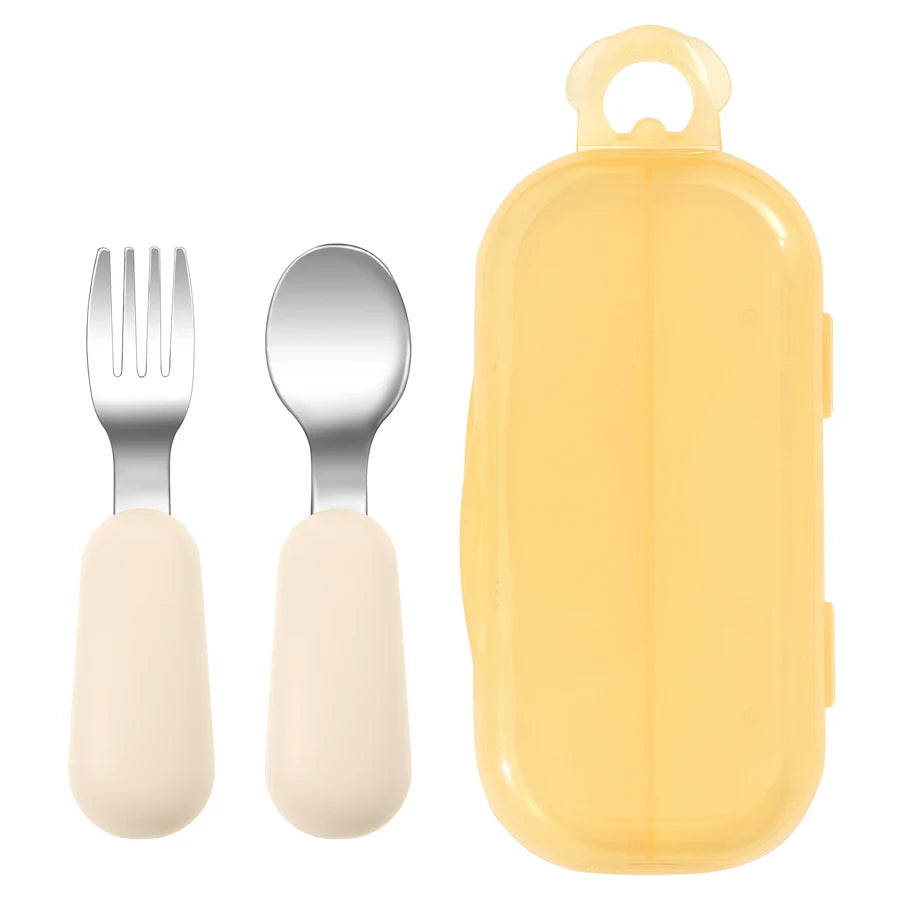
Designed for month old self feeding with gum-safe comfort. 💡 See it in action
Real Parent Experiences
Many parents report fewer tears and smoother mealtimes after switching to soft tips. One shared that their baby went from pushing the spoon away to leaning forward eagerly.
Another noted less mess and more confidence when their baby started self-feeding, even at an early age.
How to Choose the Right Soft Tip Utensils
- Look for food-grade, flexible materials
- Choose a size appropriate for early feeding
- Ensure easy grip for both parent and baby
- Pair with supportive items from Baby Care Essentials for a complete setup
For parents focused on safety, browsing Health & Safety collections can add peace of mind.
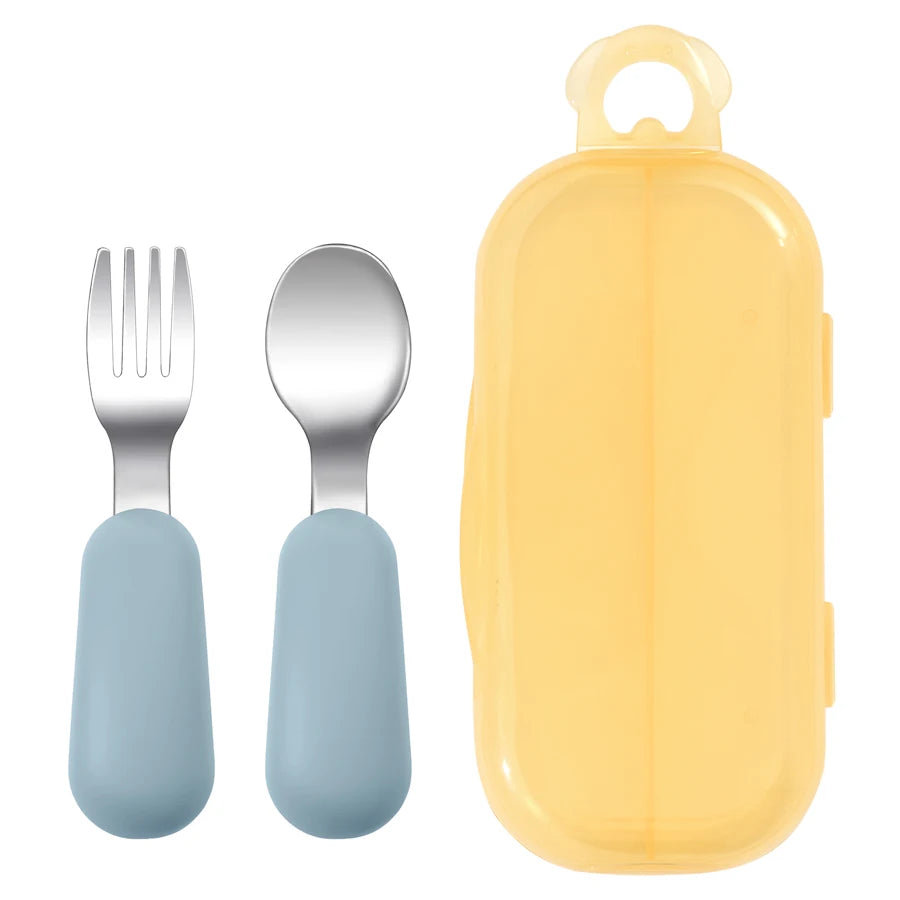
A simple switch that protects gums and supports confident feeding. 💡 See it in action
Frequently Asked Questions
Are soft tip baby feeding utensils safe for daily use?
Yes. When made from food-grade materials, they are designed for repeated daily feeding and easy cleaning.
Do they really help with a newborn messy eater?
Many parents find that softer tips reduce resistance and help babies accept food more calmly.
When can babies start using soft tip utensils?
They are ideal from the first introduction of solids and remain useful as babies develop self-feeding skills.
Related Guide: Stainless Steel Core Baby Spoon Benefits Explained





