

What are the best tips for preventing baby drool during feeding?
Tips for preventing baby drool focus on keeping baby dry, comfortable, and irritation-free during meals. Simple steps like adjusting feeding posture, using feeding bibs with absorbent layers, and choosing soft baby bibs for newborns can reduce mess, protect skin, and make feeding calmer for both baby and parent.
Tips for Preventing Baby Drool While Feeding
Tips for preventing baby drool can transform messy feedings into calmer, cleaner moments for both parent and child. If you’re constantly wiping chins, changing outfits, or worrying about damp skin irritation, you’re not alone. Understanding why drool happens—and how to manage it—helps you keep baby dry, comfortable, and focused on feeding instead of fussing.
⏱ 6 min read
Does feeding time often end with soaked clothes and extra laundry? Many parents assume drooling is unavoidable, but small changes can make a big difference. With the right setup and tools, feeding can feel more relaxed and predictable.
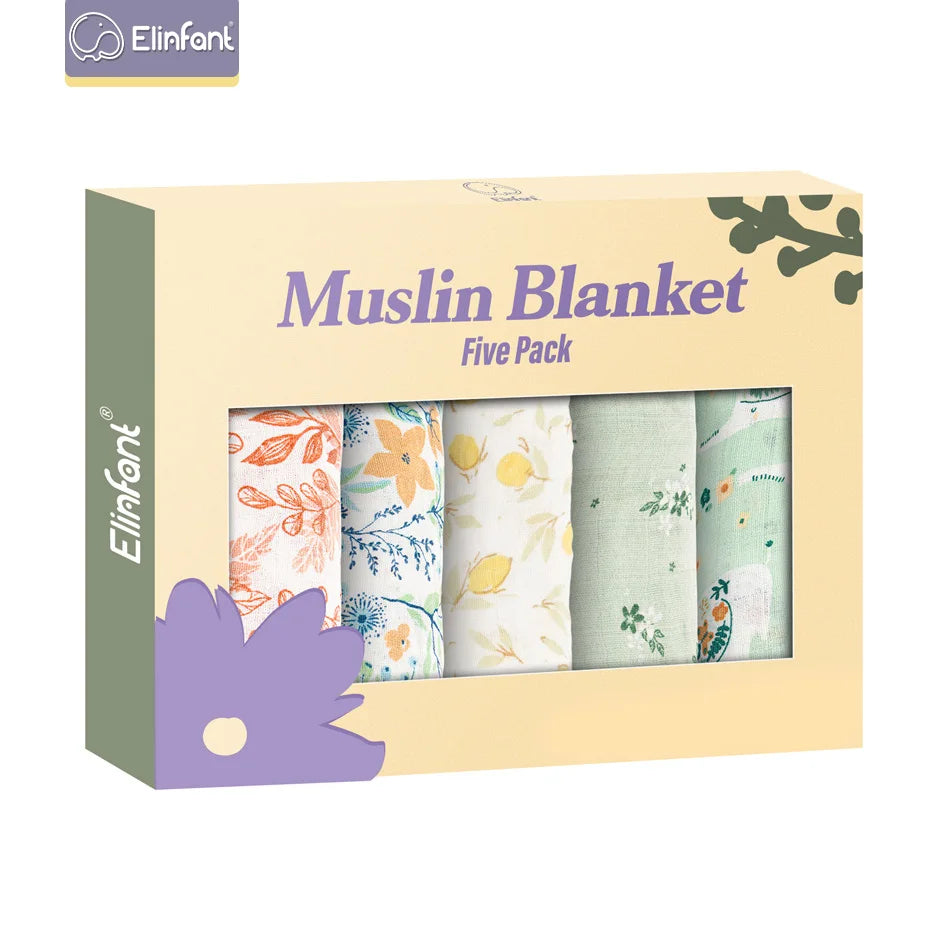
Tips for preventing baby drool with feeding bibs that help keep baby dry 💡 See it in action
Why Do Babies Drool So Much While Feeding?
Drooling is a natural part of development. Babies are learning how to swallow, coordinate tongue movements, and manage liquid or pureed foods. During feeding, excitement and concentration often increase saliva production.
Common reasons include:
- Developing oral muscles
- Teething discomfort
- New textures and tastes
- Immature swallowing reflexes
While drool itself is normal, constant moisture can irritate skin and soak clothing, making feeding feel stressful.
Quick Tips for Preventing Baby Drool
Tips for preventing baby drool start with small, consistent habits. Keeping baby dry isn’t about stopping drool completely—it’s about managing it effectively so feeding stays comfortable.
- Adjust feeding position: Keep baby slightly upright to help saliva flow back for swallowing.
- Pause and wipe gently: Short breaks prevent drool from pooling around the neck.
- Use absorbent feeding bibs: A well-designed bib catches moisture before it reaches clothing.
- Choose soft materials: Soft baby bibs for newborns reduce friction and skin redness.
These simple changes often reduce outfit changes and help babies stay focused on eating.
How the Right Bib Helps Keep Baby Dry
Tips for preventing baby drool often come down to the bib you choose. Not all feeding bibs offer the same protection or comfort.
The best options balance absorbency, softness, and fit. Bibs that sit flat against the chest and neck area help block moisture before it spreads.
- Multiple absorbent layers to trap drool
- Gentle fabric for sensitive skin
- Secure but adjustable closures
- Easy washing for daily use
Many parents exploring Feeding & Nursing collections notice that thoughtfully designed bibs simplify mealtime cleanup and reduce skin irritation.
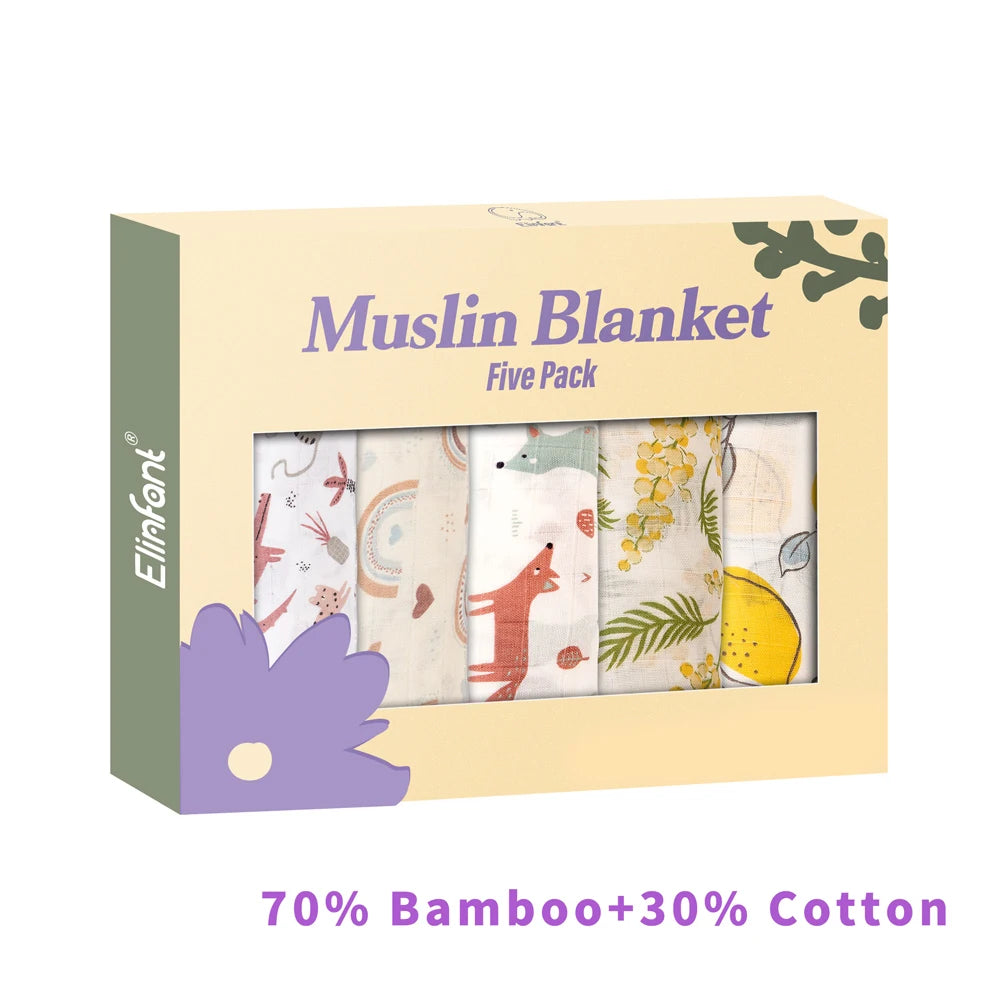
How to keep baby dry with soft baby bibs for newborns 💡 See it in action
Step-by-Step Feeding Setup to Reduce Drool
Creating a consistent feeding setup supports tips for preventing baby drool and helps babies feel secure.
- Seat baby comfortably with proper back support.
- Attach a soft, absorbent bib before feeding begins.
- Keep a clean cloth nearby for gentle chin wipes.
- Feed slowly, allowing time to swallow between bites.
- Check skin folds after feeding and pat dry.
This routine takes just minutes but can prevent redness and dampness that lead to fussiness.
Parents often pair bib use with other practical items from Baby Care Essentials to create smoother daily routines.
Protecting Skin Comfort and Safety
Constant drool can cause rashes, especially around the neck and chin. Tips for preventing baby drool always include skin care awareness.
- Change damp bibs promptly
- Pat skin dry instead of rubbing
- Use breathable fabrics near the neck
- Watch for redness or irritation
Keeping skin dry supports comfort and reduces the risk of chafing, especially for younger babies with sensitive skin.
Many families browsing Health & Safety collections look for solutions that protect both hygiene and comfort during everyday care.
What Real Parents Notice After Making Changes
Parents who follow consistent tips for preventing baby drool often report noticeable improvements within days.
“Feeding time used to mean outfit changes every meal. Once we switched to softer, more absorbent bibs, everything stayed dry and calm.” — Parent of a 6-month-old
Others mention less skin redness, shorter cleanup time, and babies who stay happier during meals.
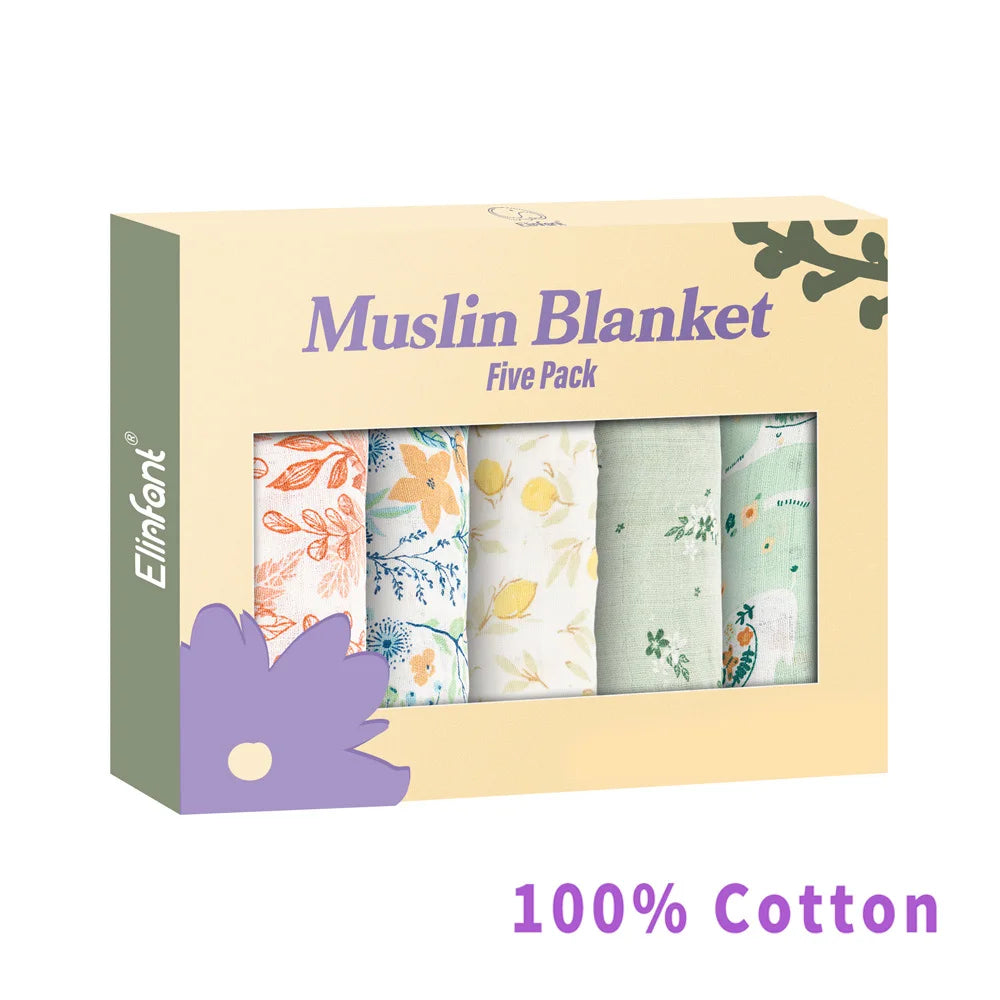
Feeding bibs that support tips for preventing baby drool and cleaner meals 💡 See it in action
Frequently Asked Questions
Is drooling during feeding normal?
Yes. Drooling is part of oral development, especially in babies learning to swallow. Managing moisture helps keep baby comfortable.
How often should I change a feeding bib?
Change bibs whenever they become damp. Keeping baby dry prevents skin irritation and discomfort.
Are soft baby bibs for newborns better?
Soft materials are gentler on sensitive skin and reduce friction, making them ideal for younger babies.
Can feeding position reduce drool?
An upright position supports swallowing and helps limit excess drool during meals.
Related Guide: How to Clean Bibs Pacifier: Step-by-Step Guide for Parents





