

Is toddler choking on cup a real risk?
Yes. Toddler choking on cup incidents often happen when liquid flow is too fast or cup design doesn’t match a child’s oral skills. Using spill proof straw cups with controlled flow and choosing an age-appropriate infant feeding cup supports safe sipping for babies while reducing coughing, gagging, and panic moments.
Toddler Choking on Cup Issues and Safer Use Cases
⏱ 7 min read
Toddler choking on cup fears can turn a simple sip into a stressful moment. If your child coughs, gulps, or pushes the cup away, you’re not alone. The good news? With the right cup design, flow control, and technique, safe sipping for babies is absolutely achievable—without spills, tears, or constant worry.
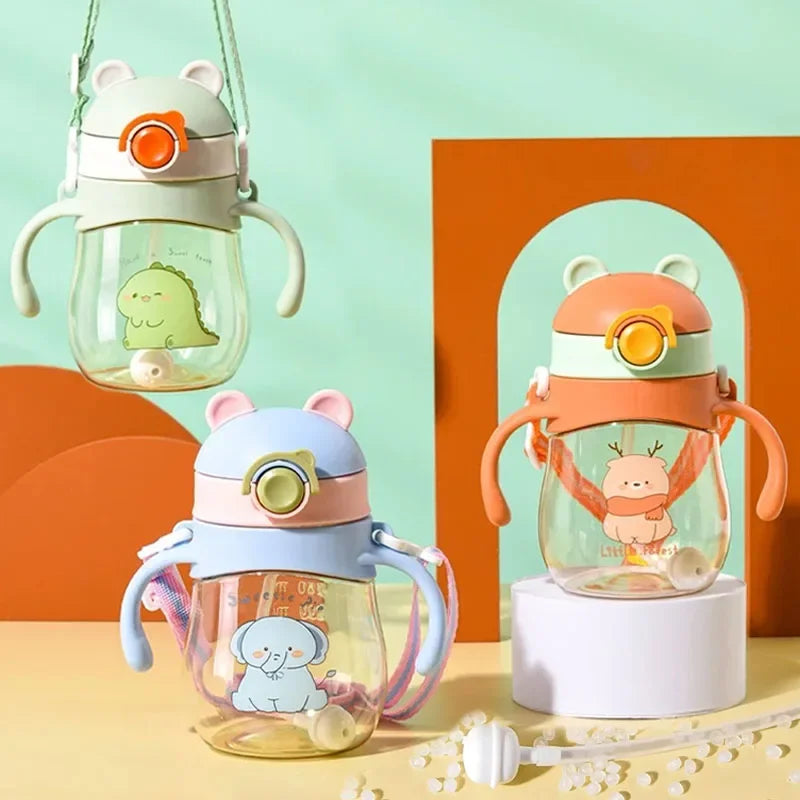
Spill proof straw cups that reduce toddler choking on cup risks — 💡 See it in action
Why Toddler Choking on Cup Happens
Toddler choking on cup moments usually aren’t about clumsiness—they’re about development. Toddlers are still learning how to coordinate sucking, swallowing, and breathing. When liquid flows too fast, their bodies simply can’t keep up.
- Open cups release liquid too quickly
- Hard spouts encourage gulping instead of sipping
- Oversized straws overwhelm small mouths
- Inconsistent flow confuses swallowing rhythm
That’s why cup design matters just as much as supervision. Many parents browsing Feeding & Nursing tools don’t realize that small engineering details dramatically change safety.
Signs Your Child May Be Struggling With Cup Drinking
Not every cough is dangerous, but repeated signs mean it’s time to rethink the cup.
- Frequent coughing or gagging during drinking
- Watery eyes or facial tension while sipping
- Refusing the cup after a few sips
- Milk or water leaking from the mouth
Parents often mistake these signals for stubbornness, but they’re actually communication. Choosing safer options from Health & Safety collections can help ease the transition.
What Makes a Cup Safer for Toddlers?
Spill resistance alone doesn’t equal safety. The safest infant feeding cup designs focus on flow control and oral development.
Key Safety-First Features
- Controlled-flow straw that limits liquid volume
- Soft, narrow straw for gentle sipping
- Anti-choke valve that responds to suction strength
- Ergonomic handles that encourage upright posture
These features support natural drinking skills and align with guidance found in Baby Growth & Learning resources.
Do Spill Proof Straw Cups Reduce Toddler Choking on Cup?
Toddler choking on cup risks decrease significantly when using spill proof straw cups with regulated flow. These cups require active suction, which slows liquid intake and helps toddlers coordinate swallowing. Compared to open or free-flow cups, they provide safer sipping for babies while still encouraging independence.
| Cup Type | Flow Control | Choking Risk |
|---|---|---|
| Open Cup | None | High |
| Hard Spout | Low | Moderate |
| Spill Proof Straw Cup | High | Lower |
Many parents transition successfully by starting with controlled designs found in Feeding Tools before moving to open cups later.
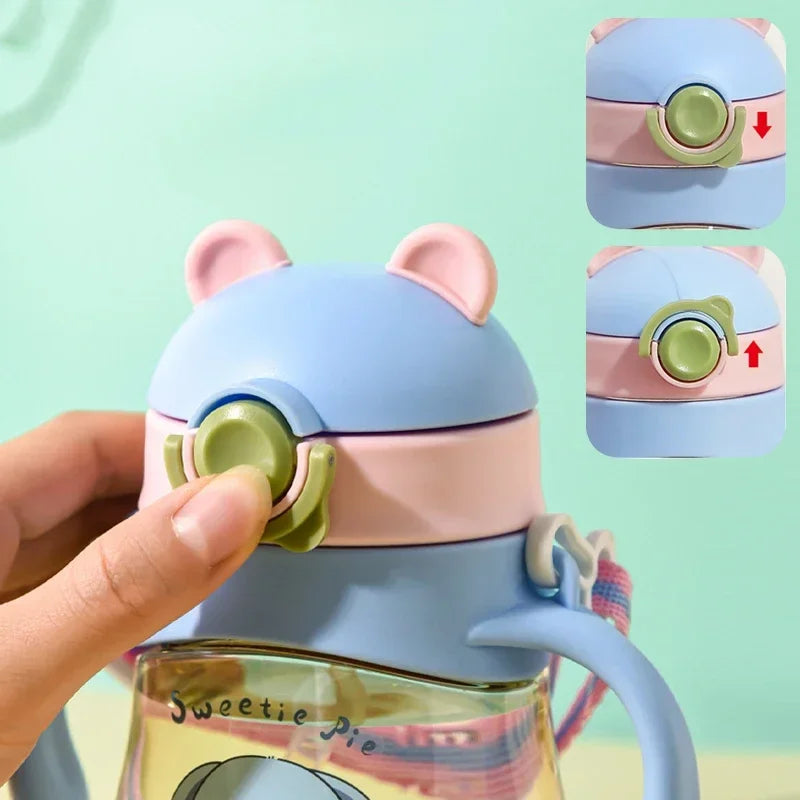
Infant feeding cup designs that support safe sipping for babies — 💡 See it in action
How to Introduce a Safer Infant Feeding Cup
Switching cups doesn’t have to be stressful. A gradual, supportive approach builds confidence.
- Start with water, not milk, to reduce anxiety
- Demonstrate sipping slowly in front of your child
- Encourage upright posture during drinking
- Limit distractions so your toddler focuses on swallowing
Consistency matters more than speed. Families who pair good technique with well-designed cups from Baby Care Essentials often see improvement within days.
A Cup Designed to Reduce Choking Stress
Toddler choking on cup worries are often eased by switching to a thoughtfully engineered option. The anti-choke straw cup uses a controlled-flow straw and responsive valve to slow liquid delivery. This supports safe sipping for babies while still encouraging independence and reducing messy spills.
- Soft straw sized for small mouths
- Spill-resistant design for everyday use
- Easy-grip handles for better posture
Parents exploring Feeding & Nursing solutions often choose this style when safety is the top concern.
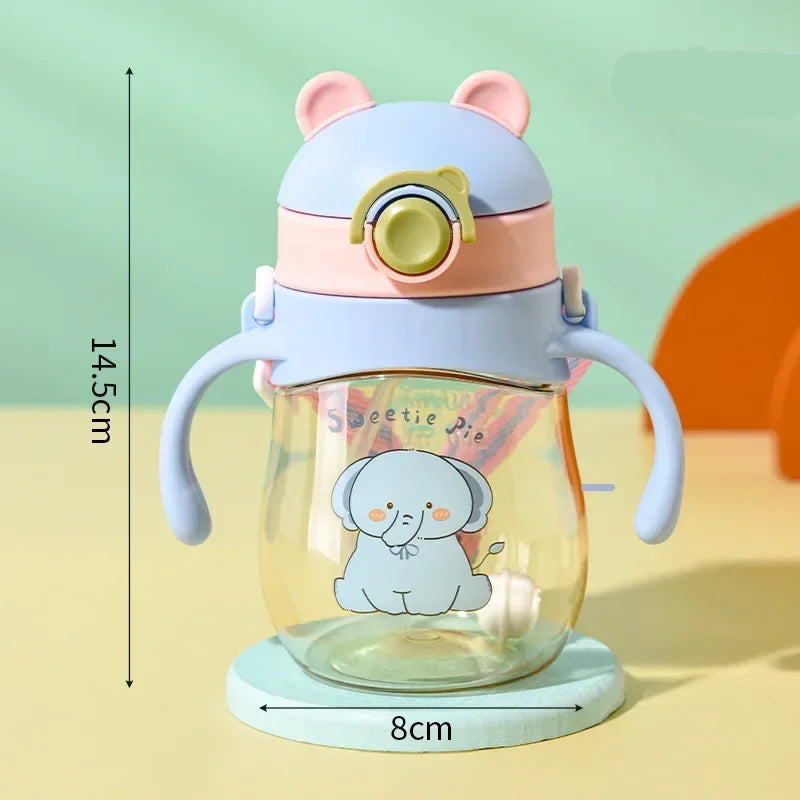
Anti choking cups that support spill proof straw cups benefits — 💡 See it in action
What Real Parents Notice After Switching
“My son used to cough every time he drank. Within a week of switching cups, the coughing stopped.” — Amanda, mom of a 2-year-old
“I didn’t realize how fast the old cup flowed. This one actually taught my daughter how to sip.” — Jason, first-time dad
Stories like these are common among families focused on safety-first tools from Health & Safety collections.
Quick Safety FAQs
Is coughing always a sign of danger?
Occasional coughing can happen while learning, but frequent coughing suggests the cup’s flow may be too fast for your toddler.
When should toddlers transition to open cups?
Most children are ready closer to preschool age, after mastering controlled sipping with straw or training cups.
Are spill proof straw cups bad for development?
No. When designed correctly, they support oral skills and help toddlers learn pacing before moving to open cups.
Related Guide: Sippy Cup for 6 Month Old That Fits Early Feeding Needs





