

Best Baby Carrier Waist Stool: Buying Guide, Reviews & How to Choose
Choosing the right baby carrier waist stool is about more than carrying convenience. The best option should support your baby’s natural posture, reduce strain during daily carrying, and fit your family’s routine. Whether you are comparing a waist stool baby carrier for quick errands, a hip seat carrier for beginners, or a full baby carrier for longer outings, understanding the differences helps you make a confident choice.
Parents often look for a carrying solution that is easier than holding a baby in their arms but more flexible than a traditional carrier. A baby carrier waist stool combines a supportive seat with carrying straps, helping distribute your baby’s weight while allowing quick pick-up and put-down moments throughout the day.
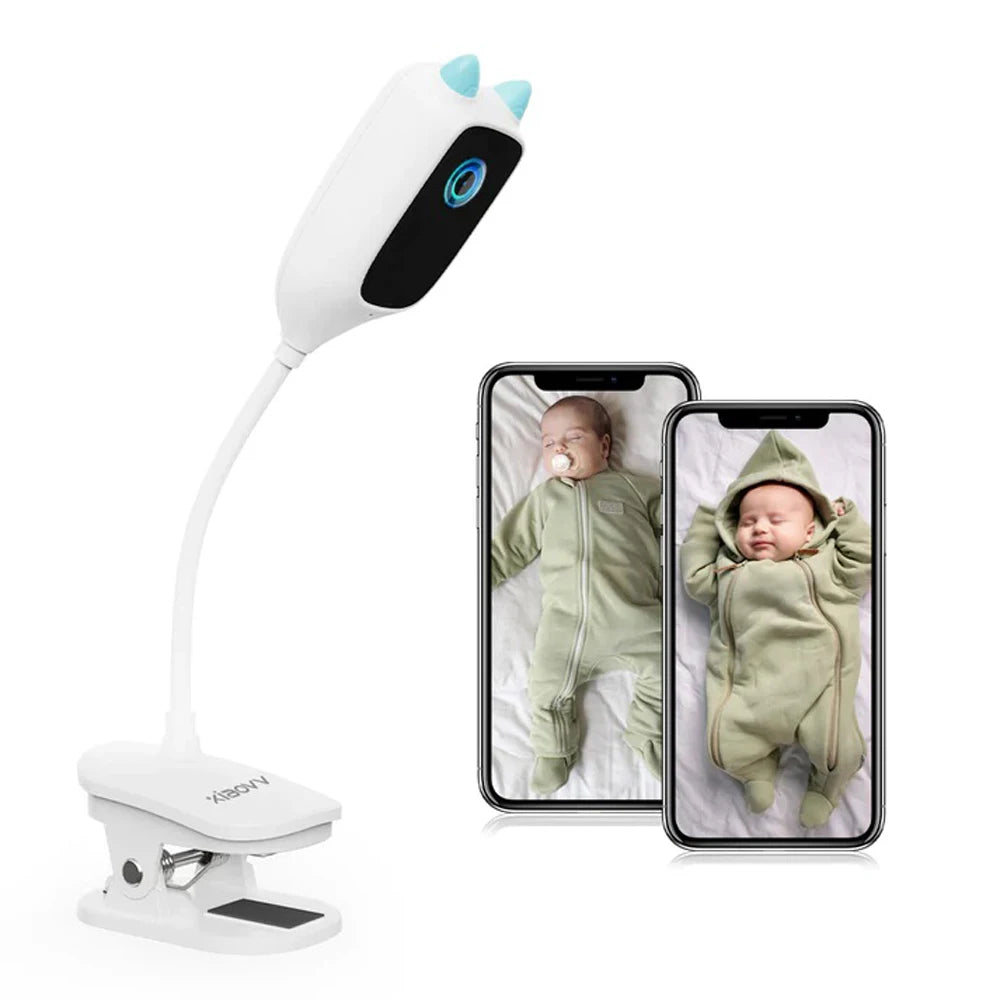
Comfort-focused baby carrying solutions designed for everyday parenting needs
What Is a Baby Carrier Waist Stool?
A baby carrier waist stool is a baby-carrying system with a structured seat attached to a supportive waist belt. Unlike a standard soft carrier that holds the baby directly against the parent’s body, a waist stool provides a platform where the baby can sit in a more supported position.
How a Hip Seat Carrier Works
A hip seat baby carrier uses a firm base that supports the baby’s bottom and helps create a more natural seated position. The waist belt transfers part of the baby’s weight to the parent’s hips instead of placing all pressure on the shoulders.
Waist Stool vs Traditional Baby Carrier
The main difference between a baby carrier vs hip seat design is flexibility. Traditional carriers are often better for hands-free long wearing, while a waist stool for baby is designed for frequent holding, adjusting, and repositioning throughout the day.
Best Baby Carrier Waist Stool Options by Parent Needs
Best Overall
The best overall baby carrier waist stool balances comfort, adjustability, safety features, and long-term usability. Look for breathable materials, strong waist support, and a design that grows with your child.
Best Budget
A budget-friendly hip seat carrier can still provide excellent value when it includes secure buckles, comfortable padding, and reliable weight support. Prioritize safety and fit over extra accessories.
Best for Newborn Support
Parents searching for an infant hip seat should choose models with proper newborn support features. Younger babies require careful positioning and additional support because they have limited head and neck control.
Best for Toddlers
Toddlers often benefit from a waist stool carrier because they frequently want to walk, explore, and return to being carried. The quick transition makes daily activities easier.
Best for Travel
For travel, choose a lightweight design that packs easily while still offering strong support. A hip seat carrier for beginners is often appreciated during airports, sightseeing, and family trips.
Baby Carrier Waist Stool Benefits for Parents and Babies
Benefits for Parents
- Improves weight distribution compared with carrying a baby only with your arms
- Makes frequent pick-up and put-down easier
- Reduces pressure on shoulders during short carrying periods
- Provides more comfort during daily routines
Benefits for Babies
- Supports a natural seated position when used correctly
- Allows babies to observe their surroundings comfortably
- Makes transitions between carrying and independent movement easier
Many parents appreciate holding baby waist stool designs because they provide convenience during feeding, household tasks, shopping trips, and outdoor activities.
Is a Hip Seat Baby Carrier Safe?
When used correctly and according to the manufacturer’s instructions, a hip seat baby carrier can be a safe and practical carrying option. Parents should focus on proper fit, age suitability, and ergonomic positioning.
Ergonomic Hip Position
An ergonomic baby carrier hip position supports the baby’s hips in a healthy seated posture. The baby should be positioned securely with adequate support and without forcing the legs into an uncomfortable position.
Age and Weight Guidelines
Always follow the carrier’s recommended age and weight limits. Some waist stool carriers are designed mainly for older infants who can sit independently, while others include additional newborn support features.
Common Safety Mistakes
- Using a carrier before the baby meets developmental requirements
- Allowing the baby’s face or airway to become covered
- Failing to tighten straps correctly
- Carrying a baby in an unsupported position
Parents looking for additional guidance can explore Health & Safety resources for broader parenting safety information.
How to Use a Hip Seat Carrier Correctly
Adjusting the Waist Belt
Place the waist belt securely around your body and adjust it so the seat remains stable. A properly fitted belt prevents unnecessary movement and improves comfort.
Safe Carrying Positions
Depending on the carrier design and baby’s age, common positions may include front carrying, side carrying, or outward-facing options. Always check that your baby is properly supported.
Transitioning Between Holds
One advantage of a hip seat carrier is the ability to move quickly between carrying and holding positions. Practice adjustments at home before using it in busy environments.
Baby Carrier vs Hip Seat: Which Should You Choose?
When a Hip Seat Is Better
A hip seat baby carrier is often better for parents who frequently lift their baby, need quick transitions, or carry for shorter periods throughout the day.
When a Soft Structured Carrier Is Better
A traditional soft structured carrier may be preferable for longer hands-free carrying sessions, hiking, or situations where the parent wants maximum body contact and support.
| Feature | Hip Seat Carrier | Traditional Baby Carrier |
|---|---|---|
| Quick Pick-Up | Excellent | Moderate |
| Long Wearing Comfort | Good | Excellent |
| Toddler Convenience | Excellent | Good |
| Hands-Free Use | Depends on design | Usually stronger |
How to Choose the Right Baby Carrier Waist Stool
Comfort Features
Look for padded waist support, breathable fabrics, and designs that reduce pressure points. Comfort matters for both short carrying sessions and extended use.
Storage and Materials
Useful storage pockets, durable fabrics, and easy-clean materials can improve daily convenience. These features are especially helpful for travel and outdoor use.
Adjustability
A good baby carrier waist stool should adjust securely for different body sizes. Flexible straps help create a safer and more comfortable fit.
Size and Weight Capacity
Check the recommended weight range before buying. The best carrier should match your baby’s current stage while offering room for future growth.
Parents comparing broader baby gear options can also explore Monitoring Devices and related family products designed for everyday convenience.
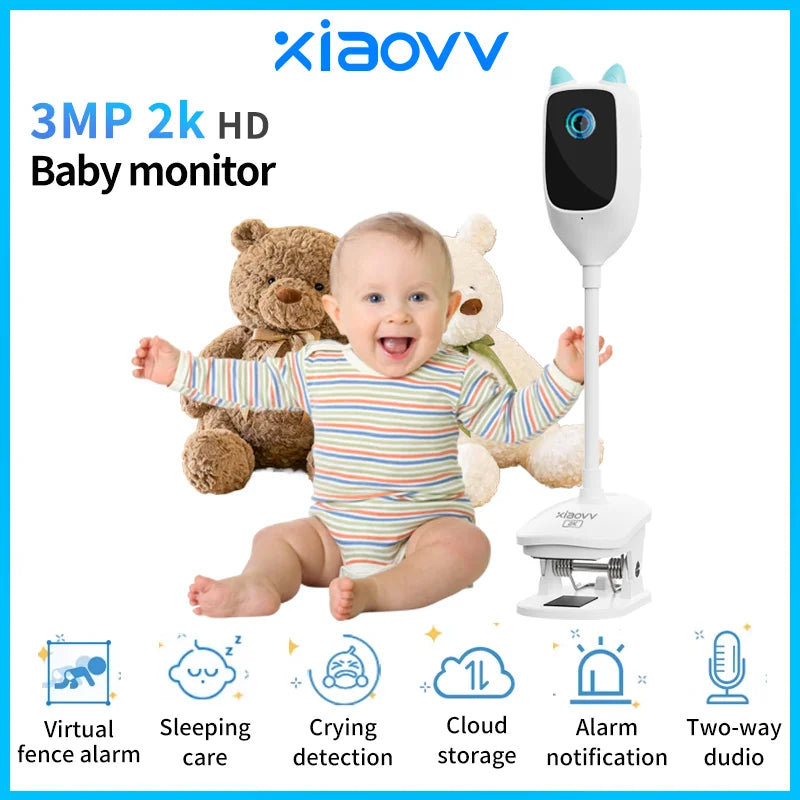
Comfortable baby carrying equipment designed for modern parenting routines
Frequently Asked Questions
Is a waist stool safe for newborns?
A waist stool may be safe for newborns only when the specific carrier supports newborn use and provides appropriate head, neck, and hip support. Always follow manufacturer guidelines.
How long can a baby stay in a hip seat carrier?
The carrying duration depends on the baby’s age, comfort, and the carrier design. Take regular breaks and adjust the position as needed.
Can a hip seat replace a full baby carrier?
For some families, yes. However, parents who need long hands-free carrying may still prefer a traditional carrier for certain activities.
What age is best for a hip seat carrier?
Many babies begin using hip seat carriers once they have stronger sitting ability, but the ideal age depends on the specific model and safety instructions.
Are hip seat carriers good for parents with back pain?
A properly fitted carrier may improve comfort by distributing weight more evenly, but parents with ongoing back concerns should choose supportive designs carefully.
Pillar Article: Monitor Rotated 90 Degrees Review: Best Picks for Full Coverage
Other Related Articles:
Explore More:





