

Are Wipe Warmers Worth It? Pros, Cons & Who Needs One
Are Wipe Warmers Worth It? Honest Pros, Cons & Best LED Picks (2026)
It's 2 a.m., and your baby wakes up for a diaper change. The moment a cold wipe touches their skin, they startle awake and begin crying. Many parents experience this scenario, which is why wipe warmers have become a popular nursery accessory. But are wipe warmers worth it, or are they simply another baby gadget you'll rarely use?
The short answer is that it depends on your family's routine. While a wipe warmer isn't considered an essential newborn item, it can make nighttime diaper changes more comfortable, help keep babies calmer, and simplify diaper-changing routines—especially during colder months or for infants with sensitive skin. This guide explains how wipe warmers work, who benefits most, and whether one deserves a place on your baby checklist in 2026.
What Is a Wipe Warmer?
A wipe warmer is a baby care device that gently warms baby wipes while helping them retain moisture between diaper changes. Instead of using a cold wipe straight from the package, parents can reach for one that's comfortably warm, reducing the surprise that often causes babies to fuss during changes.
How a wipe warmer works
Most wipe warmers use a low-power heating element to maintain a gentle, consistent temperature rather than making wipes hot. Better-designed models also include lids, seals, or moisture-retention systems that help prevent wipes from drying out while they're stored inside the warmer.
Types of wipe warmers
There are two common styles available:
- Traditional plug-in wipe warmers: Larger units designed to stay on a nursery changing table with room for a full pack of wipes.
- Portable USB wipe warmers: Compact models that can be powered by USB, making them convenient for diaper bags, car trips, and travel.
Do wipe warmers keep wipes moist?
Modern wipe warmers are designed to warm wipes without drying them out, but results depend on the model and how it's used. Following the manufacturer's instructions, keeping the lid closed, and replacing wipes before they've been stored for extended periods all help maintain moisture.
Are Wipe Warmers Worth It? Quick Answer
For many families, yes. If you frequently change diapers overnight, live in a colder climate, or have a newborn who dislikes cold wipes, a wipe warmer can make diaper changes noticeably more comfortable. However, it isn't a necessity for every household.
Who benefits most
Parents often find a wipe warmer worthwhile if they have a newborn, perform frequent nighttime diaper changes, or care for a baby with sensitive skin. Families who travel regularly may also appreciate portable USB models that provide warm wipes away from home.
Who can skip one
If you live in a consistently warm climate, prefer a minimalist nursery, or don't mind using room-temperature wipes, you may find that a wipe warmer offers convenience rather than essential value.
Bottom-line recommendation
Think of a wipe warmer as a comfort upgrade rather than a medical necessity. It won't change how often you change diapers, but it can make each diaper change calmer, quicker, and more pleasant for both baby and caregiver.
Benefits of Using a Wipe Warmer
Nighttime diaper changes
Warm wipes can reduce the startling sensation of a cold wipe against your baby's skin, helping many infants stay drowsy during overnight changes. A calmer baby often means a faster return to sleep for everyone.
Comfort for sensitive babies
Babies with sensitive skin or those born during colder seasons may respond better to warm wipes than cold ones. Although a wipe warmer doesn't treat diaper rash, it can make routine cleaning feel gentler.
Building a smoother routine
Small improvements add up during the newborn stage. Having warm, ready-to-use wipes can reduce fussing, speed up diaper changes, and make daily routines feel more predictable—benefits that many parents appreciate during the first year.
Which baby teething food feeder works best for soothing sore gums?
The best baby teething food feeder combines food-grade silicone, an easy-to-hold handle, a secure locking system, and small feeding holes that release food gradually. For most families, a soft silicone baby teething feeder offers the best balance of gum comfort, easy cleaning, durability, and safe self-feeding while helping reduce choking risks when used under adult supervision.
Best Baby Teething Feeders: Top Picks and Buying Guide
⏱ 9 min read
Teething can turn even the calmest baby fussy, drooly, and restless. Many parents wonder if there's a safe way to soothe sore gums while encouraging healthy eating habits. A
baby teething feeder
can help babies enjoy chilled fruits, vegetables, or frozen breast milk while learning to self-feed—but choosing the right model makes all the difference.
This guide compares the most common teething feeder styles, explains what makes a quality product, and helps you choose the best baby food feeder based on your baby's age, feeding stage, and teething needs.
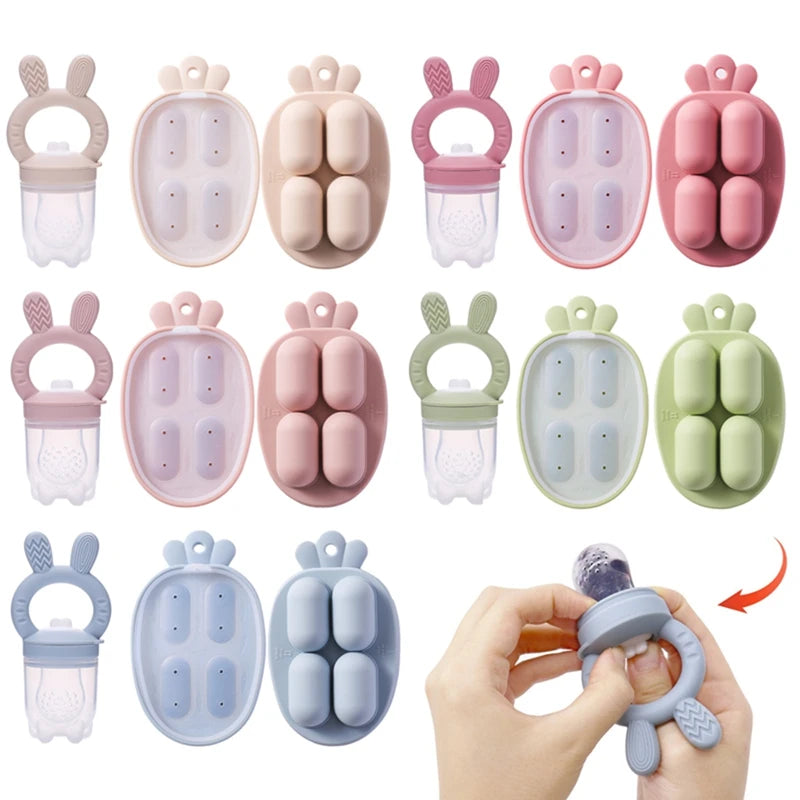
Baby teething food feeder designed for safe feeding during teething. See it in action.
Why Teething Feeders Help During Early Months
Many babies begin showing teething signs between 4 and 7 months, although every child develops differently. A baby food teether provides gentle chewing pressure that may ease sore gums while safely introducing new flavors and textures.
When your baby is developmentally ready for solids and has good head and neck control, a feeding teether can become a helpful part of supervised mealtimes.
- Provides gentle pressure that may soothe sore gums.
- Encourages early self-feeding and hand-to-mouth coordination.
- Lets babies safely explore fruits, vegetables, and purees.
- Helps introduce textured foods with a lower choking risk than large food pieces.
- Offers a convenient way to serve chilled foods that many teething babies find comforting.
Parents often pair feeders with items from Feeding & Nursing to create calmer mealtimes.
Types of Baby Teething Food Feeders Compared
Not every teething feeder works the same way. The material affects comfort, cleaning, durability, and the types of food you can safely serve.
Mesh Teething Feeders
A mesh teething feeder or baby mesh feeder uses a fabric pouch that allows babies to suck soft food through the mesh.
Pros
- Affordable and widely available.
- Works well with soft fruits.
- Good for older babies beginning finger foods.
Cons
- Mesh can stain and trap food particles.
- More difficult to clean thoroughly.
- May wear out faster with frequent chewing.
Silicone Feeders for Teething
A silicone feeder for teething uses a soft food-grade silicone pouch with tiny openings that release food gradually. For many families, this style offers the best combination of comfort and hygiene.
Pros
- Soft and gentle on sensitive gums.
- Easy to sterilize.
- Durable and resistant to staining.
- Suitable for chilled fruit, purees, and frozen breast milk cubes.
Cons
- Usually costs slightly more than mesh versions.
Plastic Teething Feeders
Plastic feeders feature rigid food holders and are generally durable, but they may feel firmer on tender gums compared with silicone designs.
They can work well for older babies who have become comfortable chewing firmer foods but may not be the first choice for babies experiencing significant gum discomfort.
Best Teething Feeders for Babies in 2026
To identify the best food feeder for baby , we evaluated feeder types based on material quality, ease of cleaning, durability, grip design, food release, and suitability for different developmental stages.
Best Overall Baby Teething Feeder
A soft silicone baby teething food feeder offers the best all-around performance thanks to its gentle texture, secure locking mechanism, easy cleaning, and versatility for chilled fruits, vegetables, and purees.
Best Silicone Feeder for Teething
Parents looking for maximum gum comfort should prioritize food-grade silicone with:
- Rounded edges
- Easy-grip handle
- Small food-release holes
- BPA-free construction
- Dishwasher or sterilizer compatibility
Best Mesh Feeder for Baby
A mesh feeder may be suitable for parents seeking a budget-friendly option for babies already comfortable with soft fruits. Replace mesh pouches promptly when signs of wear appear.
Best Feeder for Frozen Foods
Silicone feeders generally perform best with frozen breast milk cubes, chilled fruit, frozen yogurt (when age-appropriate), or frozen fruit puree because they are easier to clean and don't absorb odors like mesh pouches can.
Side-by-Side Comparison: Which Feeder Fits Best
| Feature | Mesh Feeder | Plastic Feeder | Silicone Feeder |
|---|---|---|---|
| Best age | 6+ months | 6+ months | 4+ months* |
| Gentle on gums | Moderate | Low | Excellent |
| Cleaning | More difficult | Easy | Very easy |
| Durability | Moderate | Good | Excellent |
| Best foods | Soft fruits | Soft solids | Fruit, vegetables, purees, frozen breast milk |
| Best for | Budget shoppers | Older babies | Most families |
*Always follow the manufacturer's age recommendations and consult your pediatrician before introducing solids.
How to Choose the Right Teething Feeder for Your Baby
When shopping for a teething food holder , focus on safety and ease of daily use rather than appearance alone.
- Choose BPA-free, food-grade materials.
- Select a soft silicone pouch if your baby has especially sore gums.
- Look for an ergonomic handle that small hands can easily grasp.
- Check that the food-release holes are appropriately sized for gradual feeding.
- Choose a model that's easy to disassemble, clean, and sterilize.
- Verify the recommended age, especially if you're considering what to put in silicone feeder for 4 month old babies beginning solids.
Parents often explore related comfort items in Sleep & Comfort to support better rest during teething nights.
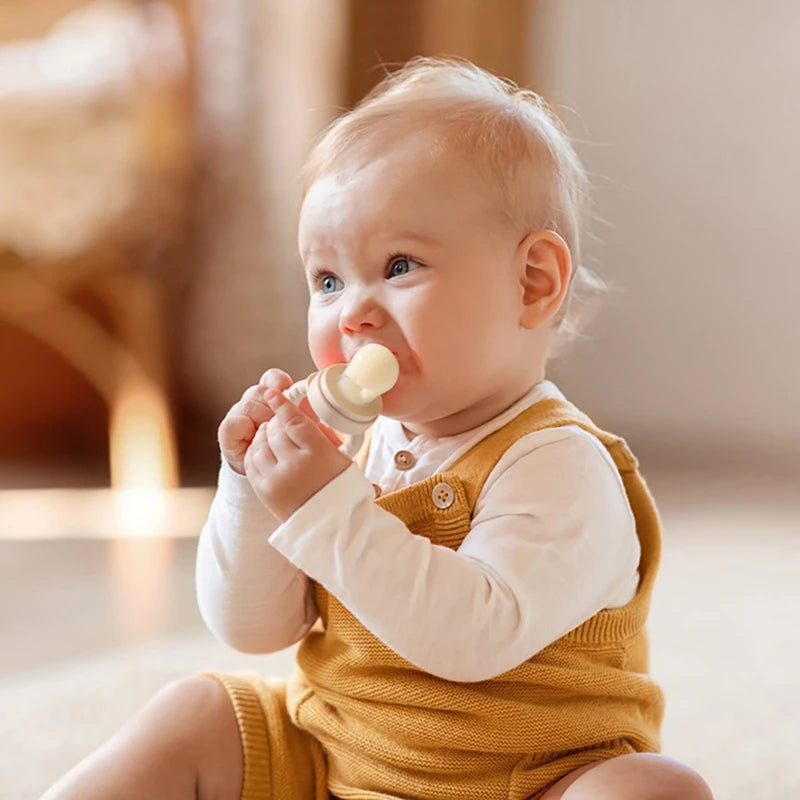
Soft silicone infant feeder supporting safe feeding during teething. See it in action.
What Foods Can You Put in a Teething Feeder?
One of the most common questions parents ask is what to put in teething feeder products. The answer depends on your baby's age, developmental readiness, and which foods have already been introduced safely.
Best Foods for Silicone Feeder for 4 Month Old
If your pediatrician has recommended starting solids, suitable options may include:
- Chilled banana
- Soft avocado
- Steamed pear
- Soft mango
- Steamed apple
- Smooth vegetable puree
If you're wondering what to put in silicone feeder for 4 month old babies, avoid adding foods your baby hasn't previously tolerated, and introduce new foods one at a time.
Frozen Foods and Breast Milk Safety Tips
Many parents ask whether it is safe to use a mesh feeder with frozen breast milk for teething baby relief.
Frozen breast milk cubes or chilled purees can provide soothing cooling sensations, but always:
- Supervise your baby throughout use.
- Do not leave the feeder in the crib.
- Discard leftover food after feeding.
- Inspect the feeder before every use.
Safety, Cleaning, and Baby Gum Care Tips
Proper cleaning is essential for baby teething feeder safety . Food residue can encourage bacterial growth if not removed after each use.
- Wash the feeder immediately after every feeding.
- Sterilize silicone components regularly according to the manufacturer's instructions.
- Inspect mesh for tears or silicone for cracks.
- Replace worn feeders promptly.
- Always supervise babies while using any feeding teether.
Silicone models generally tolerate frequent sterilization better than mesh designs, making them a practical choice for everyday use.
For added peace of mind, parents often browse Health & Safety essentials alongside feeding products.
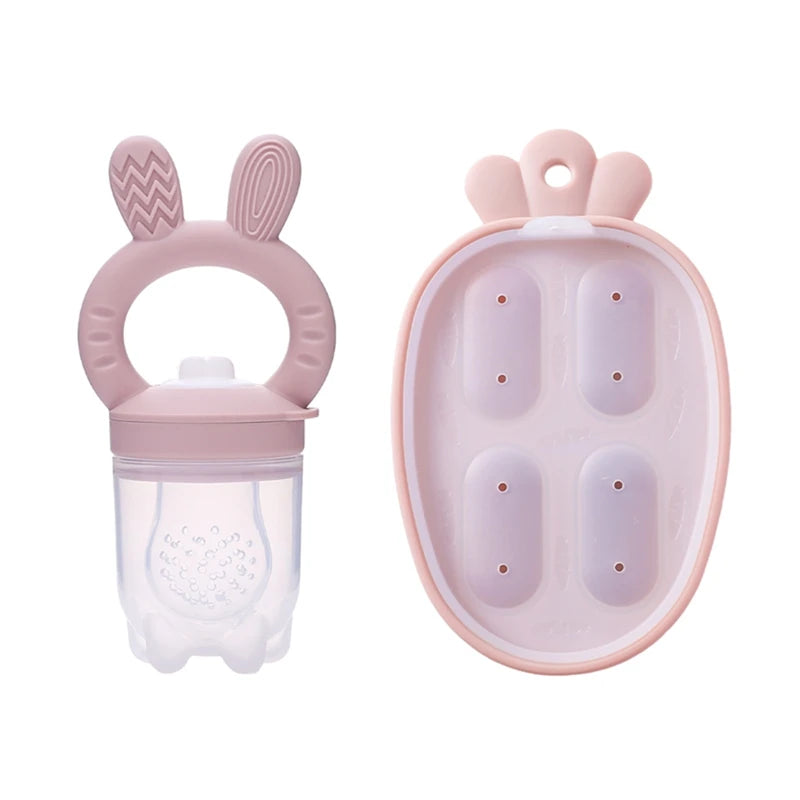
Soft silicone baby teething food feeder designed for comfort and easy cleaning. See it in action.
Frequently Asked Questions
Is a baby teething food feeder safe for a 4 month old baby?
It can be, provided your baby shows developmental readiness for solids, the feeder is designed for that age, and it is always used under close adult supervision. Follow both your pediatrician's advice and the manufacturer's recommendations.
What foods work best inside a teething feeder?
Soft chilled fruits, steamed vegetables, fruit purees, yogurt (when age-appropriate), and frozen breast milk are popular choices. Introduce new foods individually to monitor for allergies.
How often should I clean a silicone infant feeder?
Clean it immediately after every use and sterilize it regularly. Check all parts for wear before each feeding.
Can babies use a mesh feeder with frozen breast milk?
Yes, some parents use frozen breast milk in mesh or silicone feeders for teething relief. Silicone models are generally easier to clean thoroughly and may retain fewer odors than mesh pouches.
Is silicone or mesh better for a baby teething feeder?
For most families, silicone feeders offer the best balance of comfort, hygiene, durability, and ease of cleaning. Mesh feeders remain a good budget option but usually require more thorough cleaning and more frequent replacement.
Related Guide: Introducing Solids to Infant: Top 7 Foods to Start Safely
Who Should Buy a Wipe Warmer?
Worth it for newborns
Newborns typically need frequent diaper changes throughout the day and night. If your baby is easily startled by cold wipes or becomes fussy during changes, a wipe warmer can make the experience gentler and help keep routines calmer.
Worth it for frequent nighttime changes
Parents who handle multiple overnight diaper changes often appreciate having warm wipes ready to use. A portable model can also be useful for families who split time between home, grandparents' houses, or travel.
The Baby Wipe Warmer LED Display Portable USB Heated Dispenser is designed for families who want the convenience of warm wipes in compact spaces, whether at home, in the car, or while traveling.

Not worth it for every family
If your baby doesn't seem bothered by room-temperature wipes, you live in a warm climate, or you're keeping baby gear to an absolute minimum, a wipe warmer may not provide enough additional value to justify the purchase.
How to Prevent Wipes from Drying Out in a Warmer
Follow the manufacturer's moisture recommendations
Always use the wipe warmer according to the manufacturer's instructions. If your model includes a moisture pad or reservoir, keep it filled as recommended to help maintain wipe freshness.
Keep the lid closed
Opening the warmer only when needed helps reduce moisture loss. Leaving the lid open for extended periods allows warm air to escape and can dry the top wipes more quickly.
Choose the right wipe type
Thicker, high-quality baby wipes generally retain moisture better than thinner varieties. Avoid overfilling the warmer, as this can interfere with even heating and proper sealing.
Clean and refill regularly
Replace older wipes instead of leaving them in the warmer for extended periods, and clean the interior on a regular schedule. Routine maintenance helps maintain both moisture and hygiene while extending the life of the warmer.
Best Wipe Warmer Features to Look For in 2026
Compact and space-saving design
If you're working with a small nursery or limited storage, choose a wipe warmer with a slim footprint that fits comfortably on a changing table or inside a diaper bag. Compact models are also easier to pack for trips and everyday outings.
USB compatibility and portability
USB-powered wipe warmers offer greater flexibility than traditional plug-in models. They can be used in the car, connected to a portable power bank, or packed for travel, making them a practical choice for families who are frequently on the go.
Reliable temperature control
A quality wipe warmer should maintain a gentle, consistent temperature rather than overheating. Automatic temperature regulation helps keep wipes comfortable while supporting safe everyday use.
Effective moisture retention
Look for features such as well-sealed lids or moisture-retention systems that help keep wipes soft between diaper changes. Good moisture control reduces waste and improves the overall user experience.
Easy cleaning and maintenance
Regular cleaning is an important part of using any wipe warmer. Models with smooth interiors and accessible compartments are easier to wipe down, helping maintain better hygiene over time.
Frequently Asked Questions
Are wipe warmers worth it for newborns?
For many families, yes. Newborns require frequent diaper changes, particularly overnight, and warm wipes can make those changes more comfortable while helping some babies remain calmer.
Are wipe warmers necessary or just a luxury?
They are generally considered a convenience item rather than a necessity. You can care for your baby perfectly well without one, but many parents appreciate the added comfort and smoother diaper-changing routine they provide.
Are baby wipe warmers safe to use every day?
Yes, provided you use a quality product as directed by the manufacturer. Choose a model with reliable temperature control and clean it regularly to maintain safe daily use.
Do wipe warmers dry out wipes?
They can if the warmer has poor moisture retention, the lid is left open frequently, or the wipes remain inside for too long. Modern designs with effective seals greatly reduce this problem.
Do wipe warmers breed bacteria?
A wipe warmer does not automatically promote bacterial growth, but like any baby care product, it should be cleaned regularly. Replacing older wipes, keeping the warmer clean, and following the manufacturer's maintenance instructions help maintain good hygiene.
How often should you clean a wipe warmer?
Most manufacturers recommend wiping down the interior regularly and cleaning it thoroughly whenever you empty or refill the warmer. Routine maintenance helps prevent residue buildup and keeps the unit working effectively.
Can you leave a wipe warmer plugged in all the time?
Many plug-in wipe warmers are designed for continuous operation, but you should always follow the manufacturer's instructions for your specific model. If you're storing the warmer for an extended period, unplugging it is generally recommended.
What features make a wipe warmer safer and more reliable?
Look for consistent temperature regulation, good moisture retention, an easy-to-clean design, and durable construction. For families who travel, USB-powered portability can also be a valuable feature.
Final Verdict
So, are wipe warmers worth it? For many parents, the answer is yes—especially if you have a newborn, frequently change diapers at night, live in a colder climate, or simply want a more comfortable diaper-changing routine.
That said, a wipe warmer isn't an essential purchase for every family. If your baby is comfortable with room-temperature wipes or you're aiming for a minimalist nursery, you can confidently skip one without affecting your baby's care.
For parents who decide the added convenience is worthwhile, choosing a compact, reliable model with good moisture retention and dependable temperature control will provide the best long-term value.
Browse compact baby care essentials
Pillar Article: Best Portable Travel High Chairs (2026): Foldable, Compact & Travel-Ready Picks


