

Does baby head protection really prevent injuries?
Baby head injuries prevention is most effective when parents combine a safe home environment with appropriate protective products. Soft infant protective helmets and other baby head injury prevention products can help reduce the force of minor bumps during crawling and first steps, but they cannot prevent every injury. Supervision, removing hazards, and choosing well-designed safety gear together provide the best protection.
Baby Head Injuries Prevention: In-Depth Product Reviews and Buying Guide
⏱ 12 min read
Baby head injuries prevention starts with one important question: how can you protect a curious baby without slowing healthy development? Crawling, standing, cruising, and first steps are exciting milestones, but they're also when most everyday falls happen. This guide compares the most common baby head protection products, explains infant helmets safety, and helps parents choose practical protection for real home environments.
Which baby head protection products actually provide meaningful protection without sacrificing comfort? Below you'll find comparisons, evaluation criteria, and practical buying advice based on product design, safety features, and real-world usability.
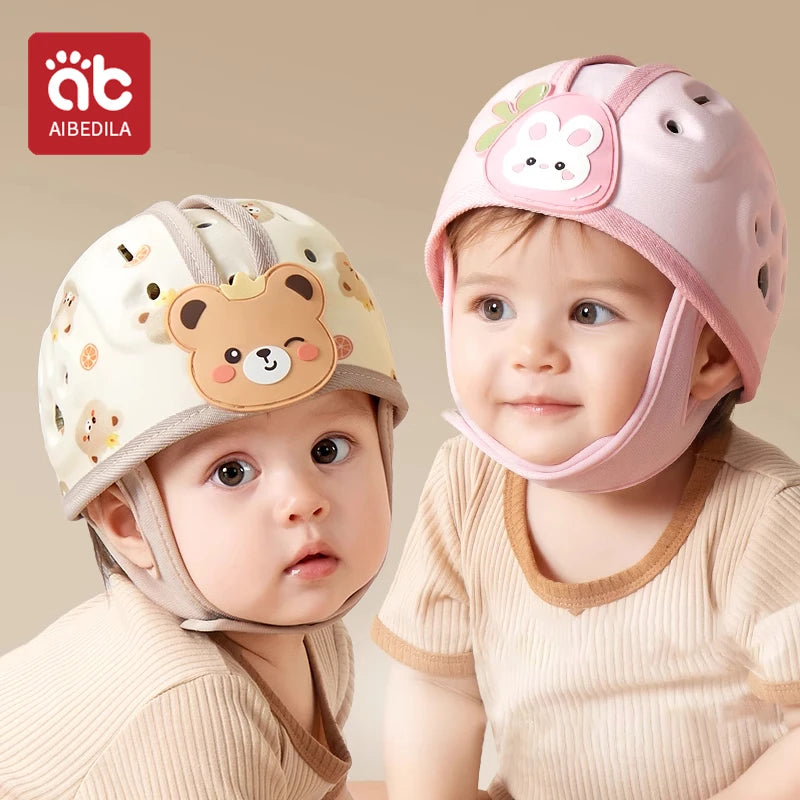
Infant protective helmet designed for baby head injuries prevention during crawling and early walking. See it in action.
Best Baby Head Protection Products Reviewed: Top Picks for Safety and Comfort
Quick comparison of baby helmets, head pillows, and backpack protectors
| Product Type | Best Stage | Protection Level | Comfort | Best Use |
|---|---|---|---|---|
| Soft Foam Helmet | Crawling to early walking | High | Excellent | Frequent indoor falls |
| Head Protection Pillow Backpack | Beginning walkers | Moderate | Very Good | Backward falls |
| Padded Safety Cap | Light indoor activity | Low | Excellent | Occasional bumps |
| Medical Protective Helmet | Clinical recommendation | Very High | Moderate | Medical conditions only |
Parents searching for baby product reviews for head protection should match products to developmental milestones rather than choosing the highest level of protection. Crawling babies benefit most from lightweight helmets with breathable padding, while confident walkers often gain more from environmental safety improvements than additional gear.
Does Baby Head Protection Really Prevent Injuries?
Direct answer: Baby head protection products help reduce the severity of many minor bumps and falls, but they do not eliminate the risk of injury. They are designed to absorb some impact energy during everyday indoor accidents—not replace supervision or childproofing.
Understanding baby helmet safety effectiveness means knowing what these products are intended to do. A soft infant helmet may reduce impact from falls while learning to stand or walk on hardwood floors, but it cannot protect against falls from furniture, stairs, playground equipment, or vehicle accidents.
- Helps cushion everyday indoor falls.
- May reduce the force of low-height impacts.
- Does not prevent concussions or all head injuries.
- Works best alongside safe home environments.
Why Baby Head Safety Matters During Early Development
During infancy, the head represents a larger proportion of body weight, while balance, coordination, and protective reflexes are still developing. As babies learn to crawl, pull to stand, cruise, and walk, they naturally experience frequent tumbles.
- Heads are proportionally heavier.
- Neck muscles continue developing.
- Balance changes daily during new milestones.
- Hard indoor surfaces increase impact risk.
Creating a safer home remains the first priority. Many families also explore protective solutions within Health & Safety collections as part of a broader prevention strategy.
When Do Babies Actually Need Head Protection?
Not every baby needs protective headgear. Most families consider infant helmets safety during short developmental windows when falls become frequent.
Best protection options by age and development stage
| Development Stage | Typical Risk | Recommended Approach |
|---|---|---|
| Learning to crawl | Forward bumps | Safe flooring, optional soft helmet |
| Pulling to stand | Backward falls | Soft helmet and furniture padding |
| First independent steps | Frequent balance loss | Helmet for indoor practice if needed |
| Confident walker | Higher mobility | Focus on supervision and childproofing |
Parents often pair helmets with mobility aids from Mobility & Training to support healthy movement while minimizing everyday risks.
Top Baby Head Protection Products Compared
Best baby safety helmet for early walkers
The Toddler Head Protector Baby Safety Helmet provides one of the strongest balances of comfort, ventilation, and impact protection for crawling through early walking stages.
Pros
- 360-degree foam padding.
- Lightweight design.
- Breathable construction.
- Adjustable sizing.
Limitations
- Intended for supervised indoor use.
- Not a replacement for medical helmets.
Best shock absorbing helmet for babies
Soft foam helmets remain the preferred choice for everyday home use because they distribute impact while remaining comfortable enough for active play.
Best head protection pillow for crawling babies
Back-mounted head pillows mainly protect against straight backward falls. They provide less coverage than helmets and are best suited for babies who dislike wearing headgear.
Best backpack cushion protector for fall protection
Backpack protectors can cushion falls onto the back of the head but offer limited side and front protection. They work best for babies who are beginning to stand but are not ideal for crawling on uneven surfaces.
How Infant Protective Helmets Reduce Impact
Infant protective helmets reduce impact by spreading collision forces across multiple layers of soft energy-absorbing foam instead of concentrating force on one area of the head.
Safety features that matter when choosing a helmet
- Multi-layer shock absorbing foam.
- Light overall weight to reduce neck strain.
- Breathable mesh ventilation.
- Wide coverage around the forehead and sides.
- Secure adjustable straps.
- Soft interior materials that minimize irritation.
Compared with rigid medical helmets prescribed for specific health conditions, soft helmets prioritize comfort and mobility during supervised daily play.
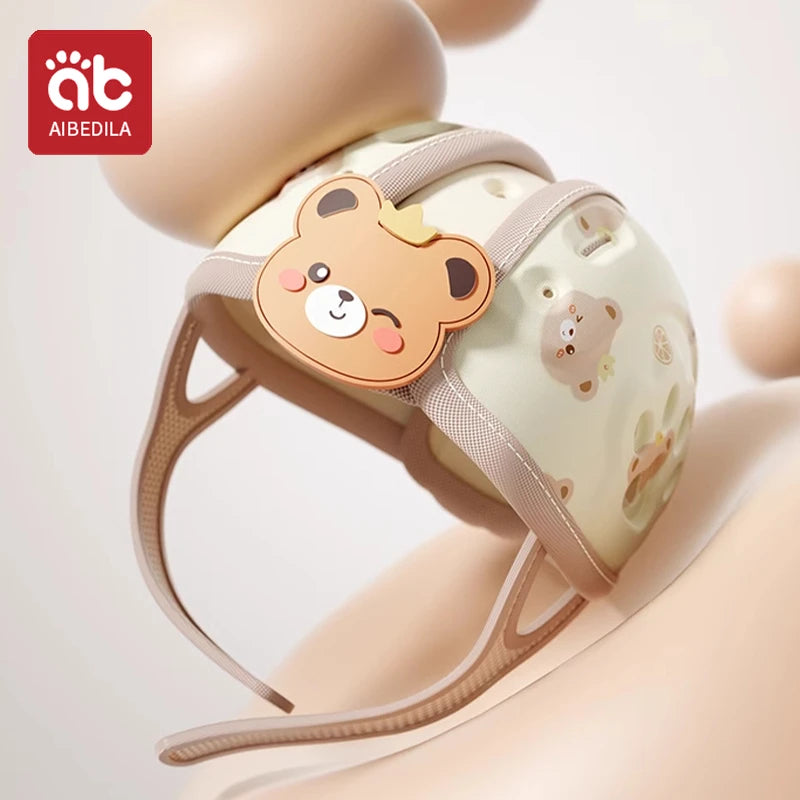
Shock absorbing helmet in real home use supporting infant helmets safety. See it in action.
How We Evaluated Baby Head Protection Products
Rather than relying on marketing claims, we compared products using practical criteria that matter to parents during everyday use.
- Overall comfort during active movement.
- Fit adjustability across different head sizes.
- Coverage around common impact zones.
- Breathability during extended indoor wear.
- Ease of cleaning.
- Durability of foam and stitching.
- Likelihood that babies tolerate wearing the product consistently.
This evaluation framework helps parents compare baby head protection product reviews more objectively while understanding that no single product fits every child or household.
How to Choose the Right Baby Head Protector
Age, activity level, fit, and safety checklist
- Measure your baby's head circumference before purchasing.
- Choose products that match your baby's current developmental stage.
- Check that padding covers the forehead, sides, and back.
- Look for breathable materials and lightweight construction.
- Adjust straps until secure without creating pressure points.
- Continue childproofing the home regardless of helmet use.
Parents often browse Baby Care Essentials while building a complete home safety setup.
Supporting Baby Safety Beyond Head Protection Products
Even the best baby head protector should complement—not replace—good safety habits.
- Install corner guards on furniture.
- Use non-slip play mats.
- Keep floors free of hazards.
- Closely supervise climbing and early walking.
- Encourage safe exploration without unnecessary restrictions.
Many families explore coordinated solutions within Baby Growth & Learning to encourage healthy development alongside injury prevention.
Final Verdict: Which Baby Head Protection Product Is Worth Buying?
For most healthy babies learning to crawl, stand, and take their first steps indoors, a lightweight soft foam helmet offers the best combination of comfort, coverage, and practicality. Backpack protectors may suit babies who primarily fall backward, while medical helmets should only be used under professional guidance.
The Toddler Head Protector Baby Safety Helmet remains a strong choice thanks to its balanced design, breathable construction, and everyday usability for supervised indoor play.
Get yours now — limited stock available
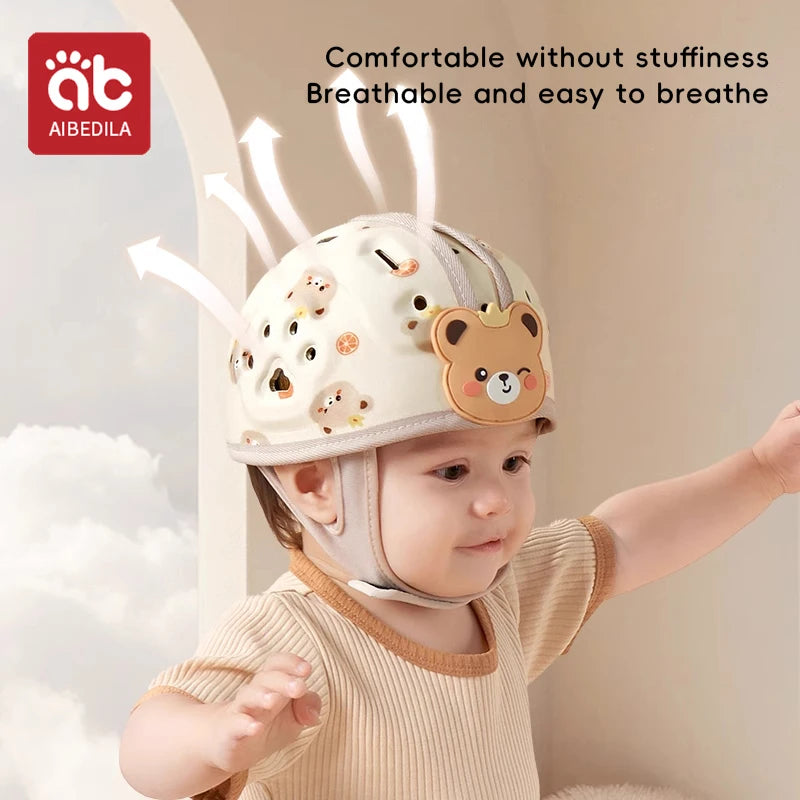
Infant helmets safety solution for everyday baby head injuries prevention. See it in action.
Frequently Asked Questions
Are baby head protectors safe for everyday use?
Yes. Soft baby head protectors designed for supervised indoor activity are generally safe when properly fitted, used for appropriate developmental stages, and removed during sleep or unsupervised periods.
Do baby helmets prevent all head injuries?
No. Baby helmets reduce the force of many minor everyday impacts but cannot prevent every injury. Safe environments and close supervision remain essential.
Is a baby head protector good or bad for development?
A properly fitted soft helmet does not normally interfere with crawling, standing, or walking. It should support natural movement rather than restrict it.
When should a baby wear a protective helmet?
Parents commonly use protective helmets during crawling, pulling to stand, cruising, and the first weeks of independent walking when falls occur most frequently.
Can babies wear shock absorbing helmets while learning to walk?
Yes, many parents choose lightweight shock absorbing helmets during supervised walking practice indoors. The helmet should fit securely, remain breathable, and be used together with childproofing and attentive supervision.





