

Baby Mirror with Night Vision: Key Advantages for Car Safety
⏱ 7 min read
Does a baby mirror with night vision really improve car safety?
Baby mirror with night vision improves safety by giving parents a clear back seat view in low-light conditions without turning around. Using infrared illumination and a headrest-mounted display, it lets drivers monitor infant movement at night, reduce distraction, and maintain focus on the road—especially during night driving or early morning commutes.
Night drives with a baby can feel stressful. You listen for every sound, wonder if they’re still asleep, and hesitate to glance back because even a second of distraction feels risky. A baby mirror with night vision changes that experience by restoring visibility, confidence, and calm—especially when darkness hides what matters most.
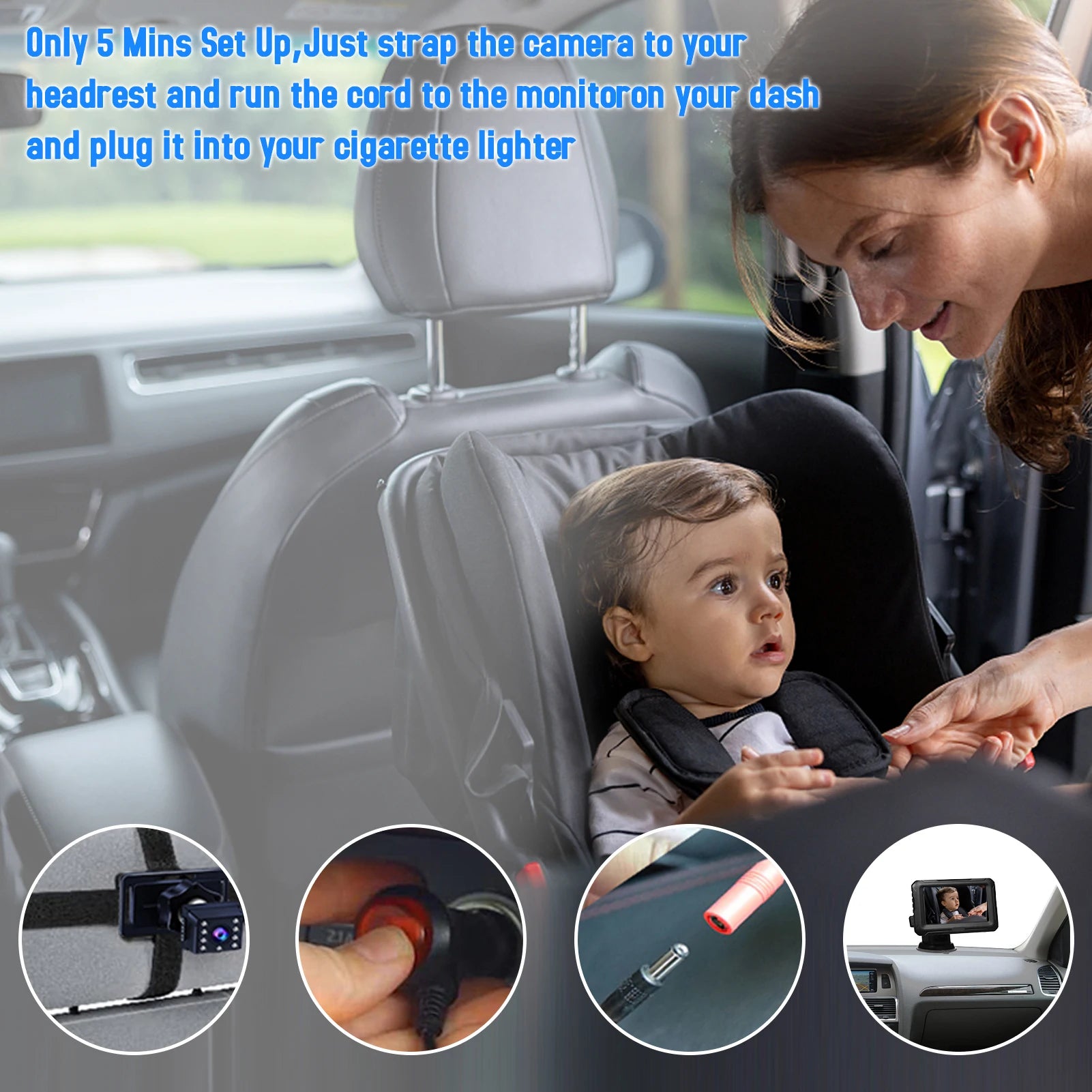
Clear back seat view at night with a baby mirror with night vision — 💡 See it in action
Why Night Visibility Matters for Infant Car Safety
Driving at night already reduces visual awareness. Add a rear-facing infant seat, and parents lose sight of facial cues, breathing movement, or whether a pacifier has dropped. Traditional mirrors rely on ambient light, which often disappears completely after sunset.
Without visibility, parents tend to:
- Turn their head to check the back seat
- Adjust interior lights while driving
- Pull over more often than necessary
- Feel constant anxiety during night trips
All of these increase risk. Restoring a dependable back seat view isn’t a luxury—it’s a practical safety upgrade.
What Is a Baby Mirror with Night Vision?
A baby mirror with night vision is a digital rear seat monitoring system that uses infrared LEDs and a headrest-mounted display to show your baby clearly in darkness. Unlike reflective mirrors, it doesn’t depend on cabin lighting and works even on unlit roads.
Most systems include:
- An infant-facing camera mounted near the car seat
- A front display screen attached to the headrest or dashboard
- Infrared night vision technology
- Wide-angle lens for full crib or seat coverage
This design places visibility where drivers naturally look—forward—helping maintain attention on traffic.
Key Benefits That Make Night Driving Easier
Instant Back Seat View Without Turning Around
Instead of guessing or craning your neck, you glance forward and instantly see your baby. This reduces reaction time and keeps both hands and eyes aligned with the road.
Low-Light Clarity That Traditional Mirrors Can’t Match
Infrared night vision reveals subtle movements—chest rising, head position, hand motion—even when the car interior is dark. This level of detail reassures parents during long drives.
Reduced Driver Distraction
Because the display sits within your natural field of vision, you avoid sudden head turns. Many parents report feeling more relaxed and less fatigued during night driving.
Helpful for Urban Driving and Pedestrian Awareness
Some advanced designs complement overall night driving safety by supporting better awareness during stops, helping parents stay calm and attentive when pedestrian visibility at night is limited.
Night Vision vs Traditional Baby Mirrors
| Feature | Traditional Mirror | Baby Mirror with Night Vision |
|---|---|---|
| Works in complete darkness | ❌ No | ✅ Yes |
| Driver head movement required | ✅ Yes | ❌ No |
| Clear infant facial view | ⚠️ Limited | ✅ Clear |
| Compatible with headrest monitors for cars | ❌ No | ✅ Yes |
For parents who frequently drive at night, the difference is immediately noticeable.
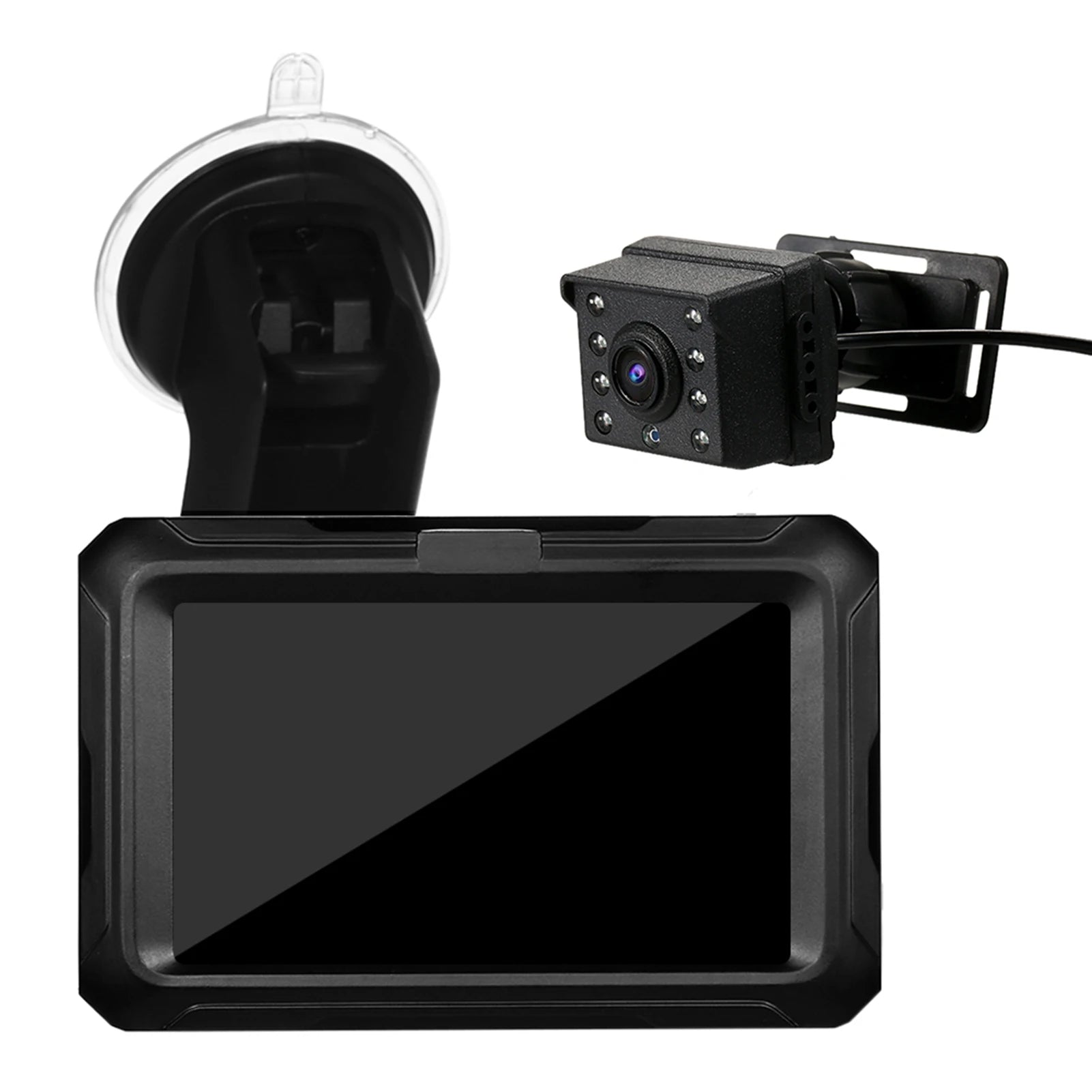
Headrest monitors for cars offer peace of mind during night driving — 💡 See it in action
Real-Life Driving Scenarios Parents Relate To
Late-night airport pickup: Your baby falls asleep mid-ride. With night vision, you confirm they’re comfortable without waking them.
Rainy city commute: Low visibility outside plus darkness inside. A steady back seat view helps you focus on traffic and pedestrians.
Long highway drive: Instead of stopping repeatedly, you visually check breathing and posture while cruising safely.
These moments add up, turning stressful trips into manageable routines.
How to Choose the Right Model
- Screen placement: Look for headrest monitors for cars that align with eye level.
- Infrared range: Ensure the camera covers the full car seat area.
- Stability: Secure mounts prevent shaking on uneven roads.
- Ease of use: Simple setup matters during busy parenting days.
Parents often explore related tools in Monitoring Devices and Smart Baby Gadgets to build a complete safety setup.
Installation and Daily Use Tips
Most systems install in under 10 minutes. Mount the camera facing the infant seat, secure the display to the headrest, and adjust the angle before driving.
- Test night mode before your first evening trip
- Avoid placing the screen where it blocks mirrors
- Clean the lens regularly for clear images
These small steps ensure consistent performance.
Who Benefits Most from This Technology?
This solution is especially helpful for:
- Parents who drive after sunset regularly
- Families living in rural or poorly lit areas
- Rideshare or commuting parents
- Caregivers managing multiple children
Many pair it with other essentials from Health & Safety or Baby Care Essentials to create a safer travel environment.
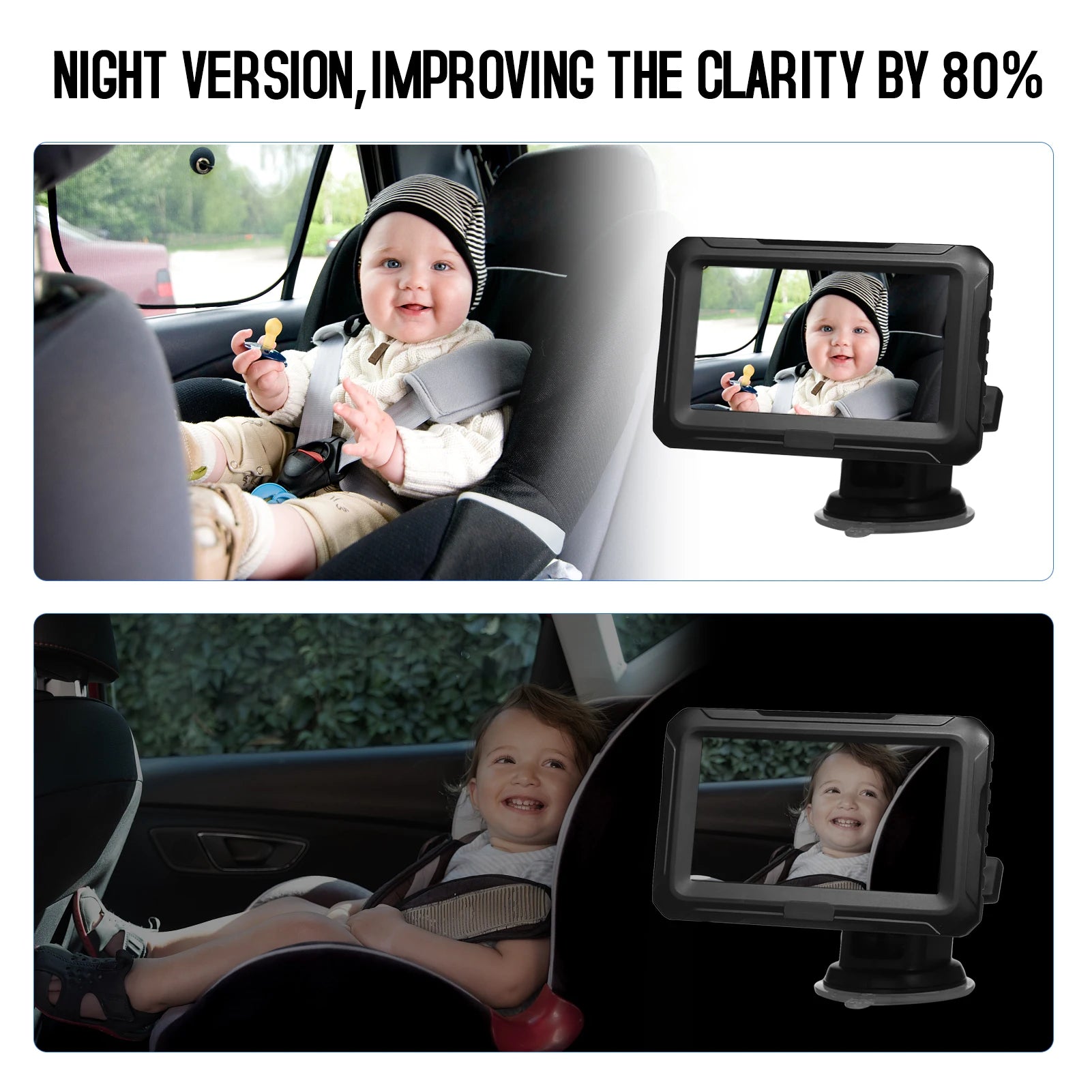
Confident night driving with a reliable back seat view — 💡 See it in action
Quick FAQs
Is night vision safe for babies?
Yes. Infrared light used in baby monitors is invisible and does not disturb sleep or eyesight.
Will it work in complete darkness?
Yes. The system is designed to function without any interior or exterior light.
Can it replace a traditional mirror?
For many parents, it becomes the primary monitoring tool, especially during night driving.
Related Guide: Rotating Monitor Display 90 Degree: Features and Benefits Explained





