

Best Infant Head Protection: Top Helmets Compared for Safety
Infant head protection can help reduce the impact of everyday bumps as babies learn to crawl, pull up, and take their first steps. The best baby head protection products combine soft padding, breathable materials, and a secure fit to provide extra confidence during supervised play. This guide compares infant protective helmets and other head protection options so you can choose the safest solution for your child's stage of development.
⏱ 7 min read
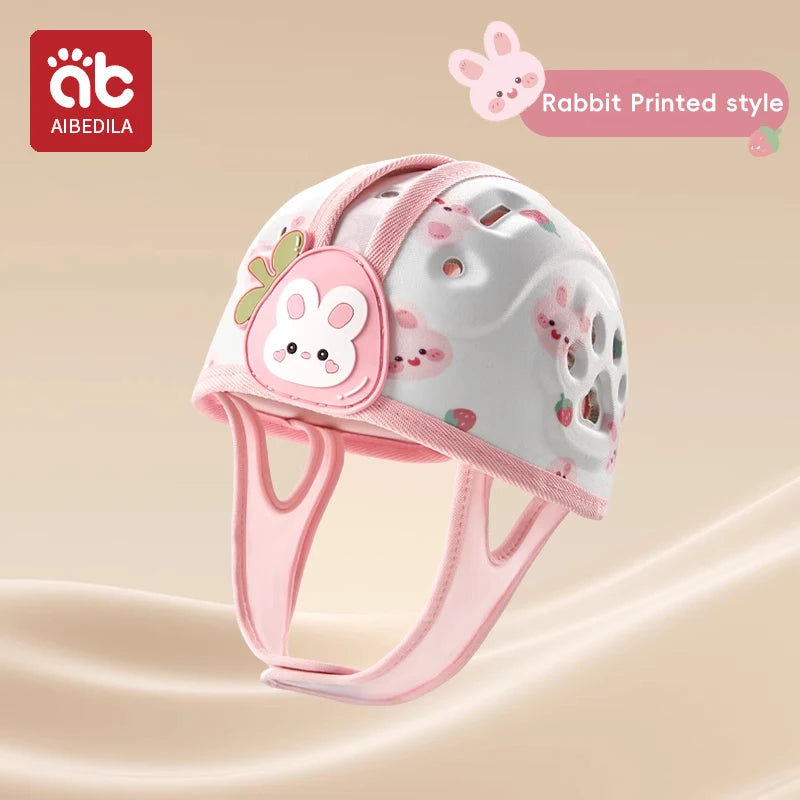
Infant protective helmet for all around protection • See it in action
Do baby head protection products really prevent injuries?
Baby head protection products help reduce the force of minor bumps that commonly happen while crawling, cruising along furniture, or learning to walk. A well-fitted infant head protection helmet cushions light impacts, but it cannot prevent every injury or replace close adult supervision.
Baby helmet safety is most beneficial during short periods of active exploration indoors where accidental tumbles are common. They are less useful when babies are sitting quietly, sleeping, or riding in approved car seats and strollers, where manufacturers already provide appropriate protection.
If you're wondering are baby helmets effective? The answer is yes—for reducing minor impact during everyday falls. However, they are not designed for bicycles, scooters, climbing equipment, or any activity requiring certified sports helmets. Parents should still remove hazards, install baby gates, cushion sharp corners, and supervise children closely.
Types of Baby Head Protection Products (Helmets vs Cushions vs Backpacks)
Baby safety helmets (soft padded helmets)
Soft padded baby safety helmets are the most popular option for infants between roughly 6 and 24 months who are crawling, standing, or taking first steps. They wrap around the head with lightweight foam that disperses small impacts while remaining breathable enough for everyday indoor use.
- Best for crawling and early walkers
- Provides 360° cushioning around the head
- Adjustable sizing for growing babies
- Lightweight enough for supervised daily play
Head protection backpacks and cushions
Head protection backpacks use a padded cushion positioned behind the head and upper back. They primarily protect against backward falls rather than side or front impacts. Head cushions designed for supervised tummy time or sitting support offer localized cushioning but do not replace wearable protection during active movement.
When to choose each type
| Product Type | Best Age | Primary Protection | Best For |
|---|---|---|---|
| Soft infant protective helmet | 6–24 months | Front, side and back impacts | Crawling, cruising, walking |
| Head protection backpack | 6–18 months | Back-of-head falls | Learning to sit or stand |
| Support cushions | Newborn+ | Stationary support | Supervised floor activities |
Why Infant Helmets Matter for Safety
Babies develop balance long before they master coordination. During this stage, unexpected slips and tumbles are normal. An infant safety helmet adds a layer of shock-absorbing foam that helps cushion everyday bumps while allowing children to continue developing balance, confidence, and mobility.
Common head injury risks in babies
- Falling while crawling over uneven surfaces
- Losing balance during first steps
- Bumping into coffee tables, furniture, or walls
- Slipping on smooth indoor flooring
- Unexpected backward falls when standing
Key Benefits of Infant Protective Helmets
- 360° cushioning for everyday indoor falls
- Lightweight foam helps absorb minor impacts
- Breathable materials reduce heat buildup
- Adjustable straps improve comfort as babies grow
- Encourages confident exploration during supervised play
Best Baby Head Protection Products (Top Picks by Category)
Best baby safety helmets
Parents looking for all-around protection will generally benefit most from lightweight foam helmets with breathable mesh panels and adjustable sizing.
| Helmet | Protection Level | Material & Comfort | Age Range | Pros | Cons |
|---|---|---|---|---|---|
| SoftCushion Baby Helmet | High – 360° coverage | Lightweight foam, breathable mesh | 6–18 months | Adjustable, washable, excellent shock absorption | Limited colors |
| SafeStep Infant Helmet | Moderate – reinforced top & sides | Soft EVA padding | 8–24 months | Durable, easy to clean | Slightly heavier |
| BabyGuard Toddler Helmet | High – 360° protection | Soft silicone padding | 6–24 months | Flexible, breathable | May require adjustment for smaller heads |
Best head protection backpacks
These products are ideal for babies frequently tipping backward while learning to stand. They are lightweight but protect only the back of the head, making them less versatile than helmets.
Best head cushions for newborns
Support cushions are designed for supervised resting or tummy-time positioning rather than active movement. They should never be considered a replacement for wearable protection during crawling or walking.
Best overall baby head protection product
For most families, a breathable infant protective helmet offers the widest range of protection because it cushions front, side, and rear impacts while remaining comfortable during active indoor play.
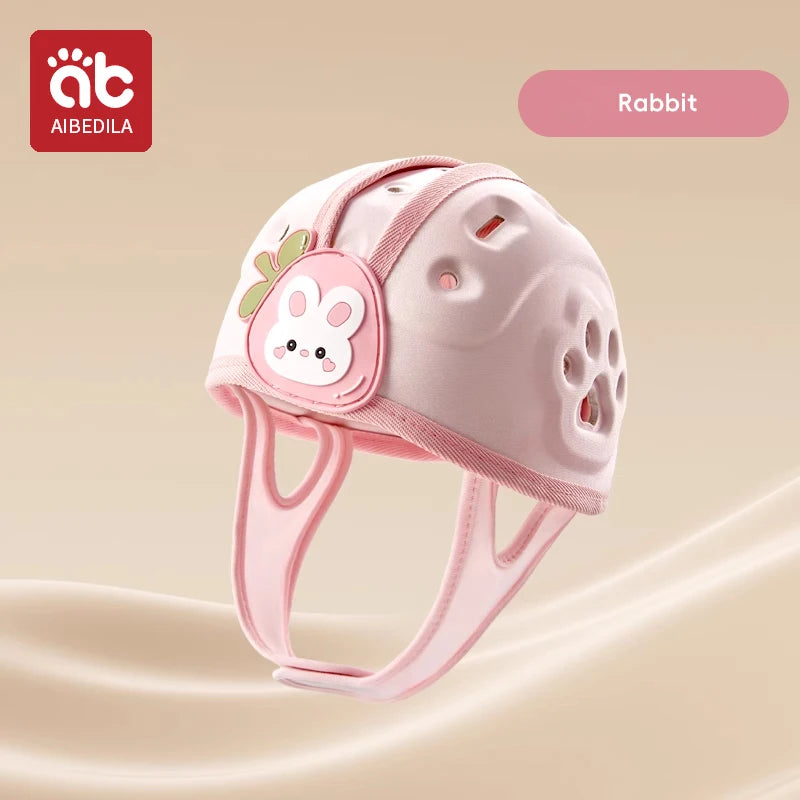
Infant protective helmet for injury prevention for infants • See it in action
Quick Comparison Table: Baby Head Protection Products
| Product | Category | Recommended Age | Protection | Comfort | Best Use |
|---|---|---|---|---|---|
| Soft padded helmet | Helmet | 6–24 months | High | Excellent | Everyday crawling and walking |
| Protection backpack | Back cushion | 6–18 months | Moderate | Very good | Backward falls |
| Support cushion | Cushion | Newborn+ | Low | Excellent | Supervised resting |
How to Choose the Right Baby Head Protection Product
Age-based recommendations (newborn vs toddler)
Newborns generally do not need wearable helmets. Soft infant helmets become more useful once babies begin crawling, pulling to stand, or walking independently.
Material and safety certifications
Choose soft, non-toxic foam with breathable fabrics and secure stitching. While soft infant helmets are different from sports helmets, reputable manufacturers should clearly describe testing, materials, and recommended age ranges.
Fit, adjustability, and comfort
A helmet should fit snugly without sliding over the eyes or rotating freely. Adjustable straps help maintain a secure fit as your child grows.
Breathability and daily usability
Mesh ventilation panels, moisture-wicking fabric, and lightweight construction make helmets more comfortable for active babies.
Pairing helmets with other Health & Safety products like corner guards or baby gates can further reduce injury risks.
How Baby Head Protection Works (Shock Absorption Explained)
Soft foam padding compresses slightly during a minor impact, spreading force across a larger surface instead of concentrating it at one point. This shock absorption helps reduce the severity of everyday bumps that occur during indoor play.
Unlike hard-shell bicycle helmets, infant protective helmets prioritize lightweight comfort because they are designed for low-speed household falls rather than high-energy impacts.
How to Use Baby Head Protection Safely
When babies should wear protection
Wear protection during supervised crawling, standing practice, cruising, and early walking indoors.
Situations to avoid (sleeping, overheating)
Do not allow babies to sleep while wearing protective helmets. Remove the helmet if your child becomes overheated or uncomfortable.
Proper fitting and adjustment
- Position the helmet evenly across the forehead.
- Adjust straps until secure without pinching.
- Check the fit regularly as your baby grows.
- Replace worn padding if recommended by the manufacturer.
Cleaning and maintenance
Wash removable fabric according to product instructions and allow it to dry completely before reuse.
Combining helmets with Mobility & Training activities helps infants explore safely and build confidence.
Real Parent Experiences and Use Cases
Many families find baby safety helmets especially helpful during the short transition between crawling and confident walking. Parents commonly report greater peace of mind while babies explore living rooms, playrooms, and other childproofed indoor spaces.
- Most appreciate lightweight construction and breathability.
- Adjustable sizing allows longer use as babies grow.
- Parents typically stop using helmets once toddlers develop stable balance and fewer accidental falls.
- Outdoor use is generally limited because these products are intended for everyday household bumps rather than sports activities.
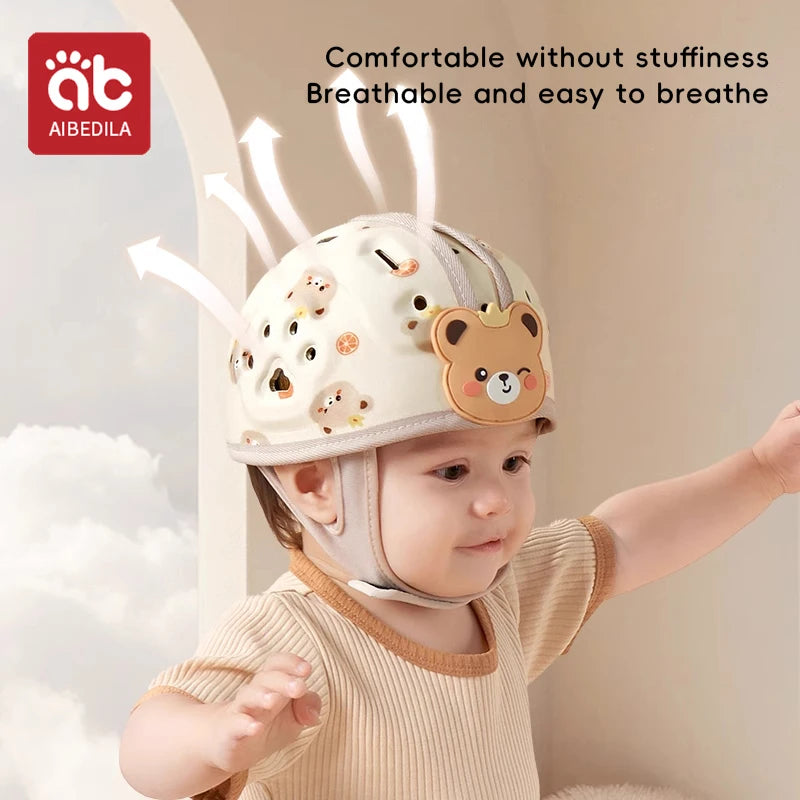
Baby safety helmet with all around protection • See it in action
FAQ: Baby Head Protection Products
Do babies really need head protection products?
Not every baby needs one. They are most useful for infants who are actively crawling, standing, or taking first steps and frequently experience minor falls during supervised play.
What is the best baby safety helmet for early walkers?
Look for a lightweight infant safety helmet with breathable mesh, adjustable sizing, soft shock-absorbing foam, and full 360° coverage.
Are baby helmets safe for daily use?
Yes, when used as directed during supervised activity. They should not replace supervision or be worn while sleeping.
Can newborns use head protection cushions?
Support cushions may be appropriate for supervised positioning, but newborns generally do not require wearable head protection helmets.
When should I stop using a baby head protector?
Most families stop using infant head protection once children develop stable walking skills and experience fewer falls, typically sometime after the early walking stage. Follow the manufacturer's age and size recommendations for the specific product.
Check out Baby Care Essentials and Health & Safety collections for complementary protective gear.





