

What are the most important driving with newborn safety tips for new parents?
Driving with newborn safety tips focus on proper car seat setup, smart trip planning, and constant awareness of your baby’s comfort. By combining newborn car safety checks with calm driving habits and regular breaks, parents can support infant safety while traveling—even when driving long distance with a newborn.
Driving with Newborn Safety Tips: Tailored Strategies for Parents
⏱ 7 min read
Driving with a newborn can feel overwhelming. Every sound, every bump in the road, and every stoplight suddenly carries more weight. If you’ve ever wondered whether you’re doing enough to protect your baby while driving, you’re not alone. The good news? A few thoughtful strategies can dramatically improve newborn car safety and help you feel confident every time you start the engine.
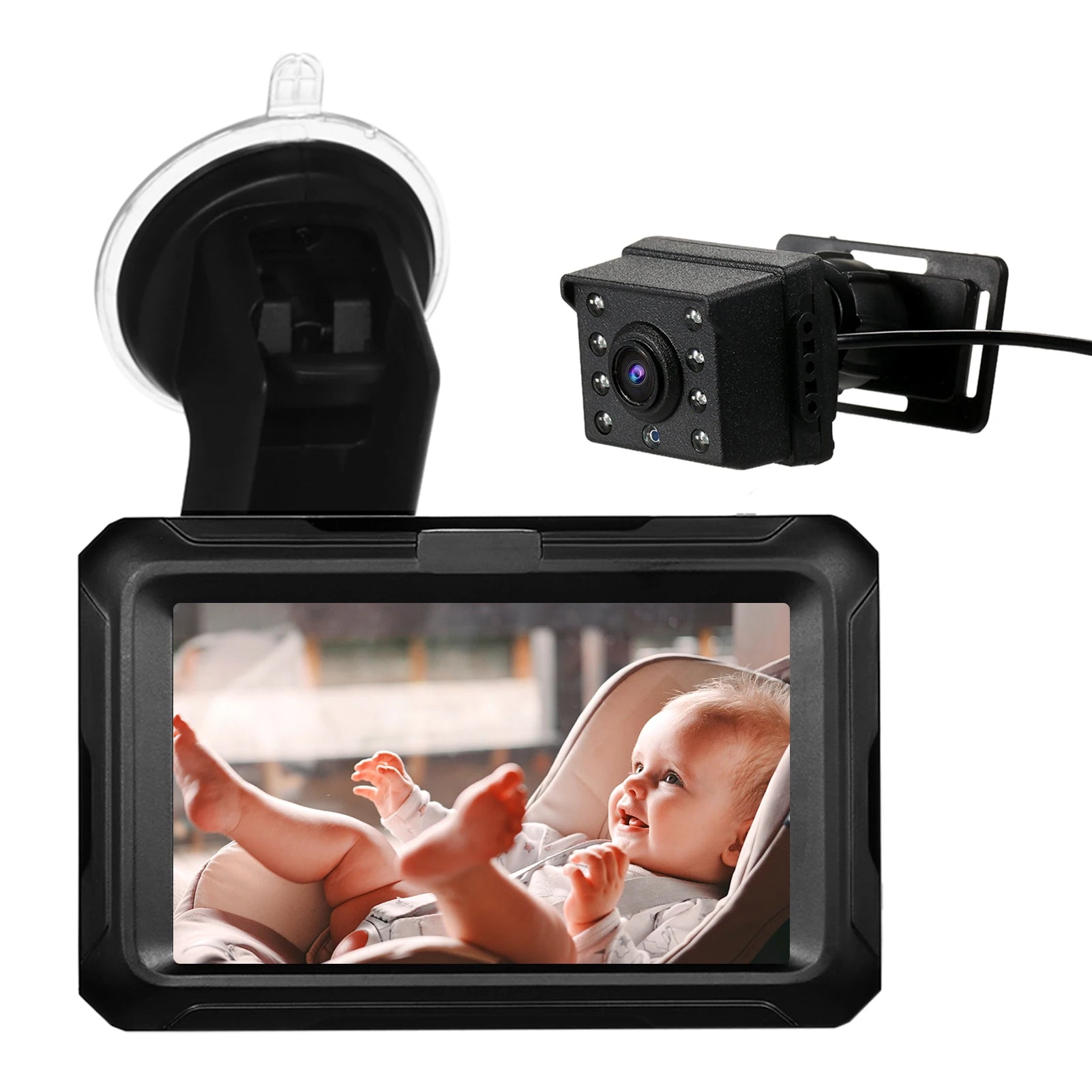
Driving with newborn safety tips help parents stay calm and prepared—💡 see it in action.
Why Driving Safety Matters for Newborns
Newborns have developing neck muscles, sensitive nervous systems, and limited ability to regulate temperature. That means infant safety while traveling depends on more than just careful driving. It requires understanding how motion, positioning, and environment affect your baby during even the shortest trips.
Many parents assume short drives don’t require special preparation. In reality, most daily trips involve unpredictable stops, sudden braking, or changes in temperature. Addressing these risks early builds safer habits that last well beyond the newborn stage.
How Proper Car Seat Setup Protects Your Newborn
Driving with newborn safety tips always start with the car seat. A correctly installed, rear-facing infant seat dramatically reduces injury risk by supporting your baby’s head, neck, and spine.
Experts consistently highlight these essentials:
- Rear-facing position in the back seat only
- Harness snug enough that you can’t pinch excess strap
- Chest clip positioned at armpit level
- No bulky clothing between baby and harness
Parents often overlook how small adjustments matter. Even a slightly loose strap can reduce protection during sudden stops.
For deeper guidance on daily care routines that support safety beyond the car, explore Health & Safety essentials designed for newborn protection.
Staying Aware Without Turning Around
One of the hardest parts of driving with a newborn is resisting the urge to constantly look back. Turning your head while driving increases risk, even at low speeds.
Why visual awareness supports safer driving
Being able to quickly check your baby’s position and breathing without losing focus on the road helps maintain calm and attention. Parents report feeling significantly less anxious when they can confirm their newborn is comfortable at a glance.
This is where a rear-view monitoring solution becomes especially helpful. A clear view of your baby allows you to notice head tilt, dropped pacifiers, or restlessness before it becomes distress.
Many families pair this approach with items from Monitoring Devices to support awareness during daily drives.
Driving Long Distance With a Newborn: What Changes
Driving long distance with a newborn requires a different mindset. Longer time in a car seat increases the need for breaks, feeding plans, and temperature management.
What should parents know before long trips?
Driving with newborn safety tips emphasize limiting continuous car seat time, planning stops every 2–3 hours, and keeping feeding and diaper routines flexible. For long-distance travel, preparation reduces stress and helps maintain newborn car safety without rushing or improvising.
Consider these adjustments for longer trips:
- Plan stops near safe, quiet rest areas
- Feed and change your baby before starting each driving segment
- Pack temperature layers instead of heavy clothing
- Allow extra time so you’re never pressured to skip breaks
Parents who prioritize pacing over speed often describe road trips as “manageable” rather than exhausting.
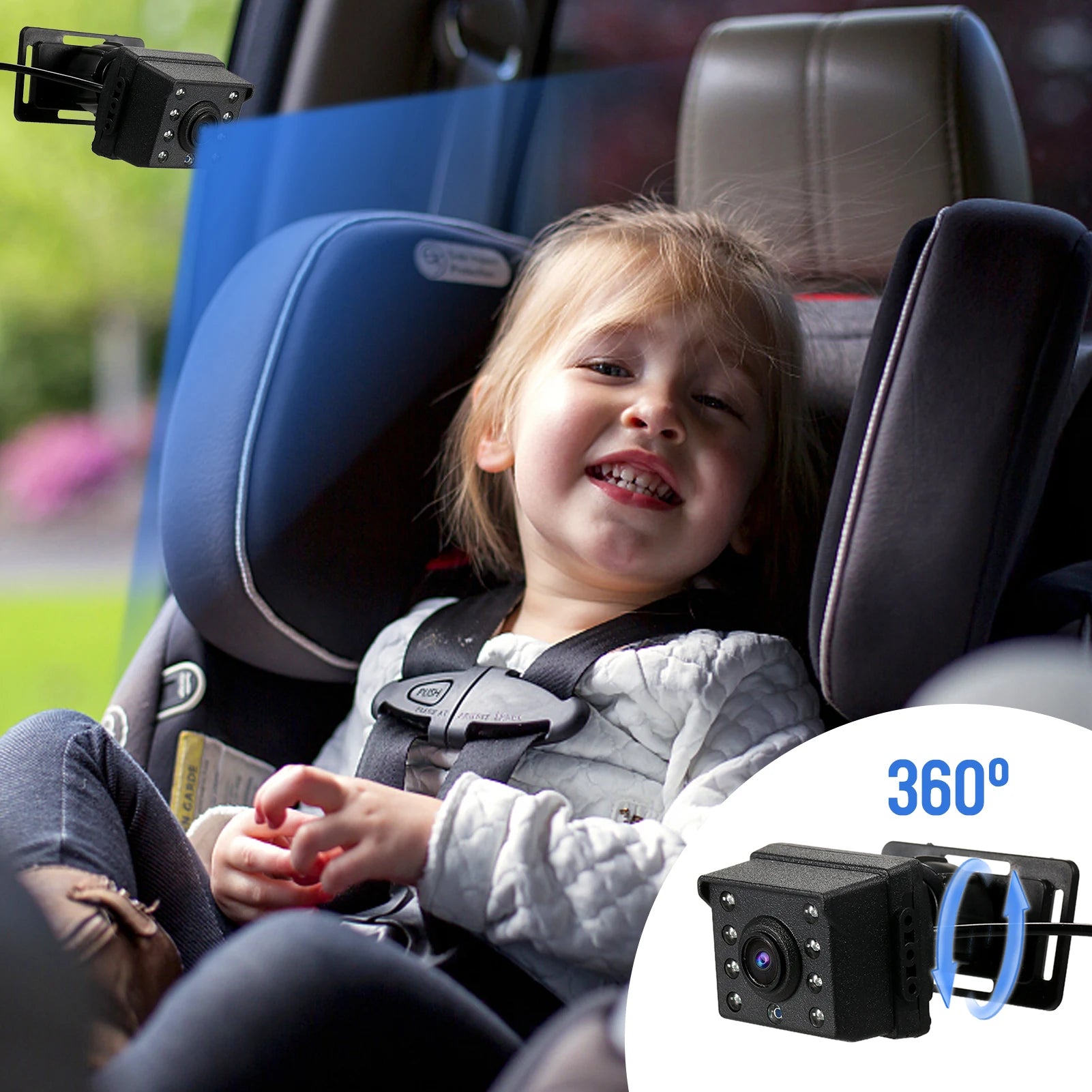
Driving long distance with a newborn feels easier when comfort and safety are planned—💡 see it in action.
Keeping Your Baby Comfortable on the Road
Comfort plays a direct role in safety. A calm baby allows parents to focus fully on driving instead of troubleshooting cries mid-traffic.
Simple comfort strategies include:
- Maintaining a stable cabin temperature
- Using breathable fabrics against your baby’s skin
- Reducing sun exposure with appropriate window shades
- Timing drives with natural sleep windows
Parents often find that combining these habits with tools from Sleep & Comfort collections helps maintain predictable routines even outside the home.
Managing Parent Fatigue and Focus
New parents are often sleep-deprived, which can quietly impact reaction time and awareness behind the wheel. Driving with newborn safety tips apply just as much to the driver as to the baby.
Protect your focus by:
- Avoiding drives when overly tired
- Sharing driving responsibilities when possible
- Using navigation to reduce last-minute decisions
- Keeping essentials within reach to avoid distractions
Supporting your own well-being is part of infant safety while traveling. Many parents rely on small self-care tools from Mom Essentials to stay comfortable and alert during outings.
Real Parent Experiences and Lessons Learned
Parents frequently share that confidence grows with preparation. One mother of a two-week-old explained that once she could easily check her baby without turning around, her shoulders finally relaxed while driving.
Another family described long drives becoming smoother after they committed to scheduled breaks rather than “pushing through.” These small mindset shifts consistently show up in stories from experienced parents.
Exploring practical guidance from Baby Care Tips & Advice can help new parents learn from shared experiences instead of trial and error.

Newborn car safety becomes second nature with the right setup—💡 see it in action.
Frequently Asked Questions
How long can a newborn safely stay in a car seat?
Most experts recommend limiting continuous car seat time to about 2 hours. Regular breaks allow your newborn to stretch, feed, and maintain healthy circulation, especially when driving long distance with a newborn.
Is it safe to drive alone with a newborn?
Yes, with preparation. Secure the car seat correctly, plan your route, and ensure you can monitor your baby without turning around. These steps support infant safety while traveling even when you’re the only adult in the car.
What’s the biggest mistake parents make when driving with a newborn?
Rushing. Skipping breaks, ignoring fatigue, or adjusting the car seat while in motion increases risk. Slowing down and planning ahead is one of the most effective driving with newborn safety tips.





