

Does an electric bottle sanitizer really make feeding safer?
An electric bottle sanitizer uses high-temperature steam to kill up to 99.9% of germs on bottles, nipples, and pump parts. By combining steam sterilizing bottles with controlled drying, an electric bottle sanitizer reduces moisture buildup, saves time, and helps parents maintain a safer, more consistent feeding routine.
Electric Bottle Sanitizer Benefits: Why It’s Worth the Upgrade
⏱ 7 min read
Feeding your baby should feel reassuring, not stressful. From late-night feeds to busy mornings, parents juggle safety, hygiene, and convenience every single day. An electric bottle sanitizer promises cleaner bottles with less effort—but is it really worth upgrading from boiling water or microwave bags?
Safe milk warming for newborns isn’t just about convenience—it’s about protecting nutrients, preventing overheating breast milk in bottle warmer, and supporting calmer feeds. Many parents try warming breast milk without bottle warmer, but uneven heat can raise safety concerns. Modern solutions work best when paired with truly hygienic bottles.
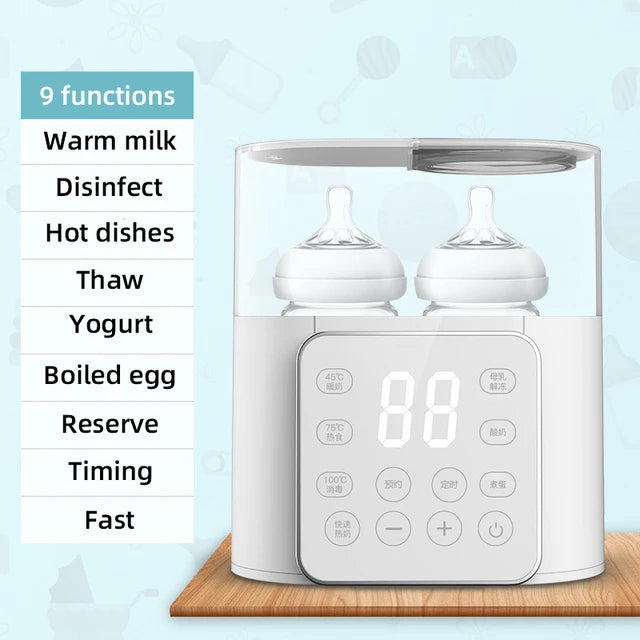
Electric bottle sanitizer with steam sterilizing bottles for safer daily feeding 💡 See it in action
Baby Care Essentials
Why upgrading your bottle routine matters
The first months with a newborn involve constant feeding cycles. Bottles touch milk, saliva, and tiny hands—making them a perfect place for bacteria to grow. While hand washing helps, it doesn’t always remove invisible germs.
An electric bottle sanitizer offers peace of mind by creating a repeatable, reliable cleaning step. Instead of guessing if a bottle is “clean enough,” you get consistent results with minimal effort.
- Less worry during night feeding solutions
- More confidence in newborn feeding tips
- Fewer rushed cleaning shortcuts
- Support for infant care essentials you already use
How does an electric bottle sanitizer work?
An electric bottle sanitizer uses pressurized steam to reach every surface of bottles, nipples, and accessories. High heat eliminates bacteria, mold, and germs without harsh chemicals.
Direct answer: An electric bottle sanitizer uses steam sterilizing bottles at high temperatures, then dries them in a closed environment. This process reduces bacteria, prevents recontamination, and keeps feeding tools ready to use—especially helpful for parents managing multiple feeds per day.
- Wash bottles with mild soap
- Place items inside the unit
- Start the steam cycle
- Automatic drying keeps items moisture-free
Many parents pair sanitizing with a trusted bottle warming solution, such as a Bottle Warmers option that avoids overheating milk.
How this upgrade saves time during busy days
Time is one thing new parents never have enough of. Between feeds, naps, and laundry, standing over boiling water isn’t realistic.
An electric bottle sterilizer and dryer works while you do something else—rest, shower, or simply breathe. Parents report saving 15–20 minutes per cleaning session, which adds up quickly.
Feeding & Nursing
Health and safety benefits for newborns
Newborn immune systems are still developing. Even small exposures can lead to tummy troubles or discomfort.
Direct answer: An electric bottle sanitizer reduces exposure to harmful bacteria by using consistent steam sterilizing bottles. This helps protect newborns, supports sensitive digestion, and complements safe milk warming for newborns by ensuring bottles are hygienic before every feed.
Parents concerned about bottle warmer safety often overlook how cleanliness plays an equally important role in feeding comfort.
Key safety advantages
- No chemical residue
- Lower risk of mold from trapped moisture
- Consistent temperature control
- Supports breast milk warming without contamination
For families focused on hygiene, exploring Sterilization Devices can simplify everyday care.
Electric bottle sanitizer vs traditional cleaning methods
| Method | Effectiveness | Time Required | Ease of Use |
|---|---|---|---|
| Boiling Water | High | High | Low |
| Microwave Bags | Medium | Medium | Medium |
| Electric Bottle Sanitizer | High | Low | High |
Parents upgrading often say the biggest difference isn’t just cleanliness—it’s mental relief.
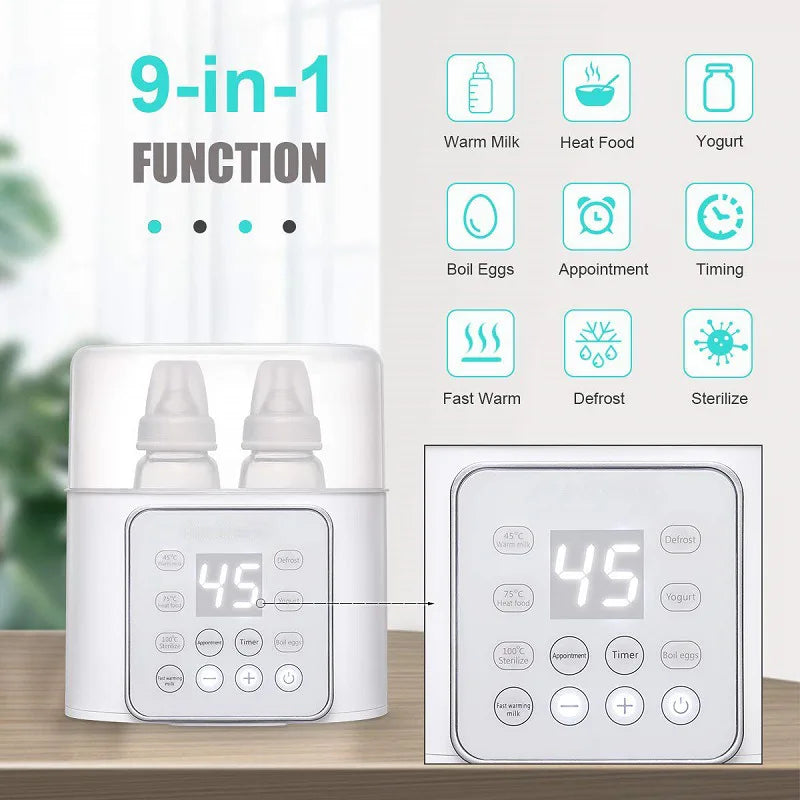
Electric bottle sterilizer and dryer keeps bottles ready between feeds 💡 See it in action
What real parents say after switching
“I stopped worrying about whether bottles were clean enough at 3 a.m.” — Amanda, first-time mom
“The drying feature alone was worth it. No more damp bottles.” — Jason, dad of twins
Many parents combine sanitizing with smart tools from Smart Baby Gadgets to simplify routines even more.
Who benefits most from an electric bottle sanitizer?
- Parents feeding multiple times per night
- Families using pumped breast milk
- Caregivers managing daycare drop-offs
- Homes focused on infant care essentials
If you already use a universal bottle warmer, pairing it with sanitized bottles can reduce stress and avoid overheating milk issues.
Get yours now — limited stock!
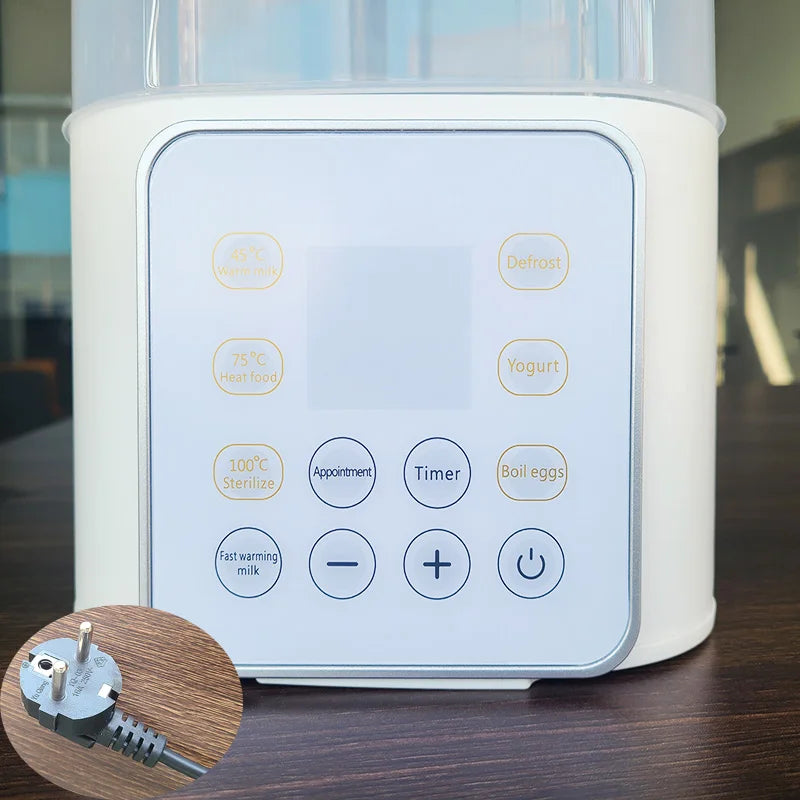
Bottle steam sterilizer supporting safer newborn feeding tips 💡 See it in action
Frequently asked questions
Is an electric bottle sanitizer safe for daily use?
Yes. When used as directed, it provides consistent steam sterilizing bottles without chemicals, making it suitable for daily routines.
Can it replace hand washing?
Hand washing removes milk residue, while sanitizing adds an extra hygiene step. Together, they create the safest routine.
Does it work with breast pump parts?
Most electric bottle sanitizers fit pump components, making them helpful for breastfeeding families.
Pillar Article: NTC Temp Sensor in Bottle Warmers: How It Protects Your Baby
Other Related Articles:
Explore More:





