

What causes home security camera low light issues?
Home security camera low light issues happen when sensors, lenses, or lighting technology can’t capture enough detail after dark. A low light security camera with advanced sensors, balanced infrared, and smart image processing can dramatically improve night vision security camera footage and help a video surveillance system for home stay reliable 24/7.
Home Security Camera Low Light Issues: Features That Make a Difference
Home security camera low light issues can quietly undermine your peace of mind once the sun goes down. Many homeowners assume darkness means blurry clips, but the right low light security camera features can dramatically improve clarity and detail. From smarter sensors to enhanced night vision security camera footage, small upgrades can transform how a video surveillance system for home performs after dark. What if your camera could finally show what you have been missing?
⏱ 7 min read
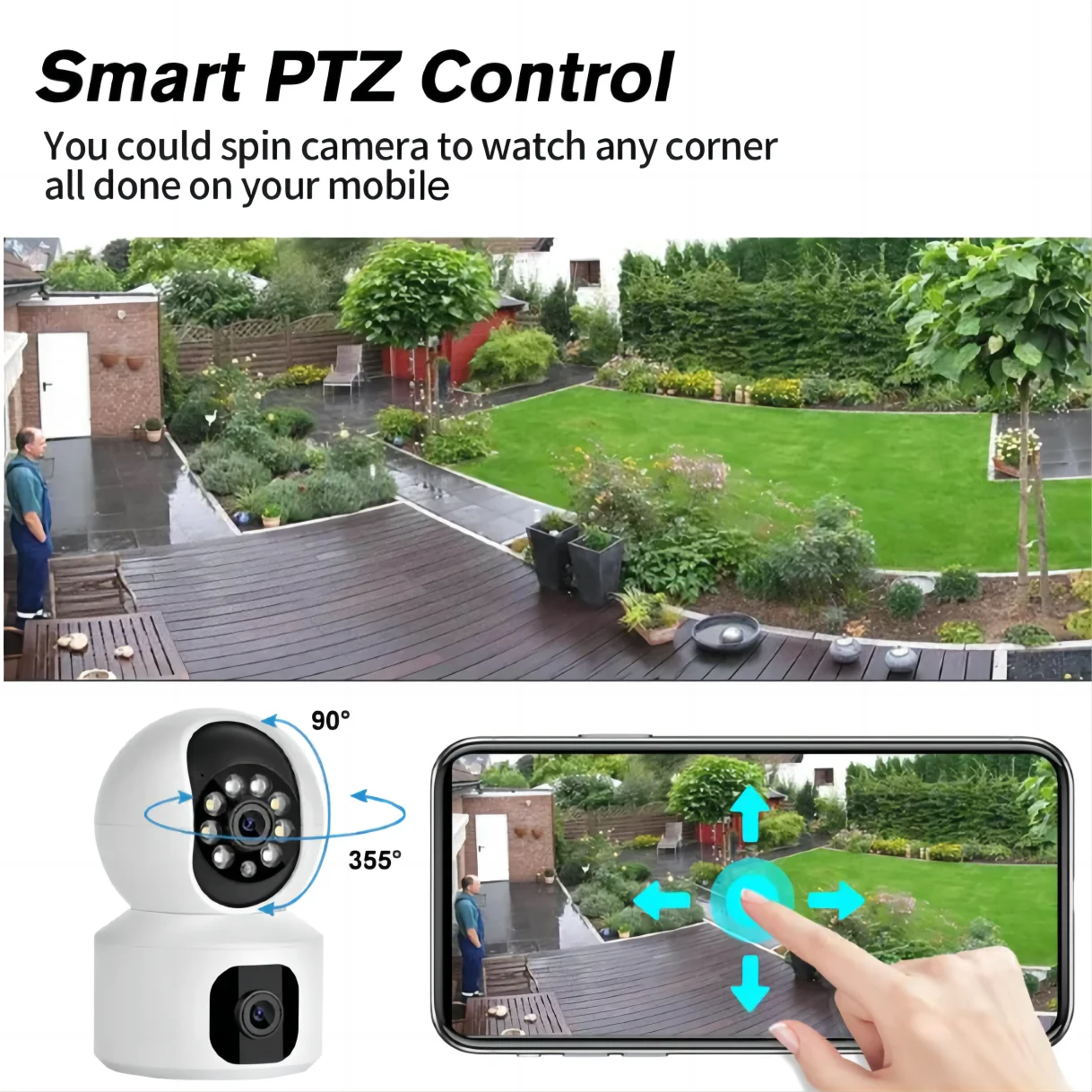
Clearer night vision security camera footage starts with the right low light security camera features See it in action
Why Home Security Cameras Struggle After Dark
Home security camera low light issues often appear the moment porch lights turn off or street lighting fades. Standard cameras rely heavily on available light, so when illumination drops, details disappear. Faces blur, movement smears, and important moments become guesswork.
- Small image sensors that can’t absorb enough light
- Weak infrared LEDs that overexpose nearby objects
- Slow processing that causes motion blur
- Poor lens quality that softens edges
For families focused on safety, these gaps feel unsettling. A video surveillance system for home should reassure you, not leave you squinting at shadows.
UPGRADE PLAN {'outline': [{'action': 'MODIFY', 'h2': 'Why Home Security Cameras Struggle After Dark', 'h3': ['How infrared night vision works', 'Common causes of poor night footage'], 'focus': ['Explain IR illumination', 'Sensor and lens limitations', 'Ambient light effects', 'Battery-powered camera constraints'], 'keywords': ['night vision camera low light performance', 'low light surveillance camera']}], 'trim': ['Real-Life Scenarios Where Low Light Features Matter Most', 'How Night Vision Security Camera Footage Becomes Clearer']} RULES - Apply every instruction in the Upgrade Plan. - Keep all existing affiliate links unchanged. - Keep all existing internal links unchanged. - Keep all existing image URLs unchanged. - Preserve sections such as Related Articles, Related Posts and Recommended Reading. - Avoid duplicate headings. - Insert new sections only where specified. - Improve clarity, topical coverage, EEAT and readability. - Expand weak sections only when required. - Use natural keyword placement. - Keep semantic HTML clean. YEAR UPDATE If visible article text contains "2005", replace it with "2026". Do not modify years inside: - URLs - href attributes - image filenames PART OUTPUT Return ONLY the rewritten HTML for PART 1. Do NOT output any HTML belonging to previous parts. Do NOT output any HTML belonging to later parts. Do NOT add explanations. Do NOT add markdown. The returned HTML must concatenate directly with the remaining article without any edits. OUTPUT REQUIREMENTS Return ONLY the rewritten HTML for PART 1. The output must be valid HTML and ready to publish. Do NOT return: - Markdown - Explanations - Notes - Code fences - JSON - XML Return ONLY the rewritten HTML fragment. Do NOT add , or . Do NOT add code fences. Do NOT add explanations.Which Features Actually Fix Home Security Camera Low Light Issues?
Improving home security camera low light issues requires more than simply increasing resolution. The best night vision cameras combine quality hardware with intelligent software to maximize available light while minimizing digital noise. When these technologies work together, they produce clearer footage, better motion capture, and more reliable nighttime monitoring.
1. Larger, More Sensitive Image Sensors
The image sensor is the foundation of low-light performance. Larger sensors collect more light during each exposure, producing brighter images with greater detail and less grain. This advantage becomes especially noticeable in large outdoor spaces such as driveways, gardens, and backyards where lighting is limited.
2. Smart Infrared Illumination
Modern infrared systems automatically adjust LED output based on the distance to nearby objects. Instead of creating bright hotspots that wash out faces, adaptive IR delivers more balanced illumination across the scene, helping preserve facial features and vehicle details while extending usable viewing distance.
3. Wide-Aperture Lenses
A lens with a wider aperture allows additional light to reach the camera sensor. Combined with quality optics, this improves sharpness, reduces image noise, and produces cleaner recordings in dim hallways, garages, entrances, and covered patios.
4. Intelligent Image Processing
Advanced processors use real-time algorithms to reduce digital noise, improve contrast, sharpen edges, and compensate for challenging lighting conditions. AI-assisted image enhancement can also improve moving subjects without introducing excessive blur, making nighttime events easier to review.
Many homeowners exploring smarter setups also look at related safety tools from Monitoring Devices to create a more complete home safety environment.
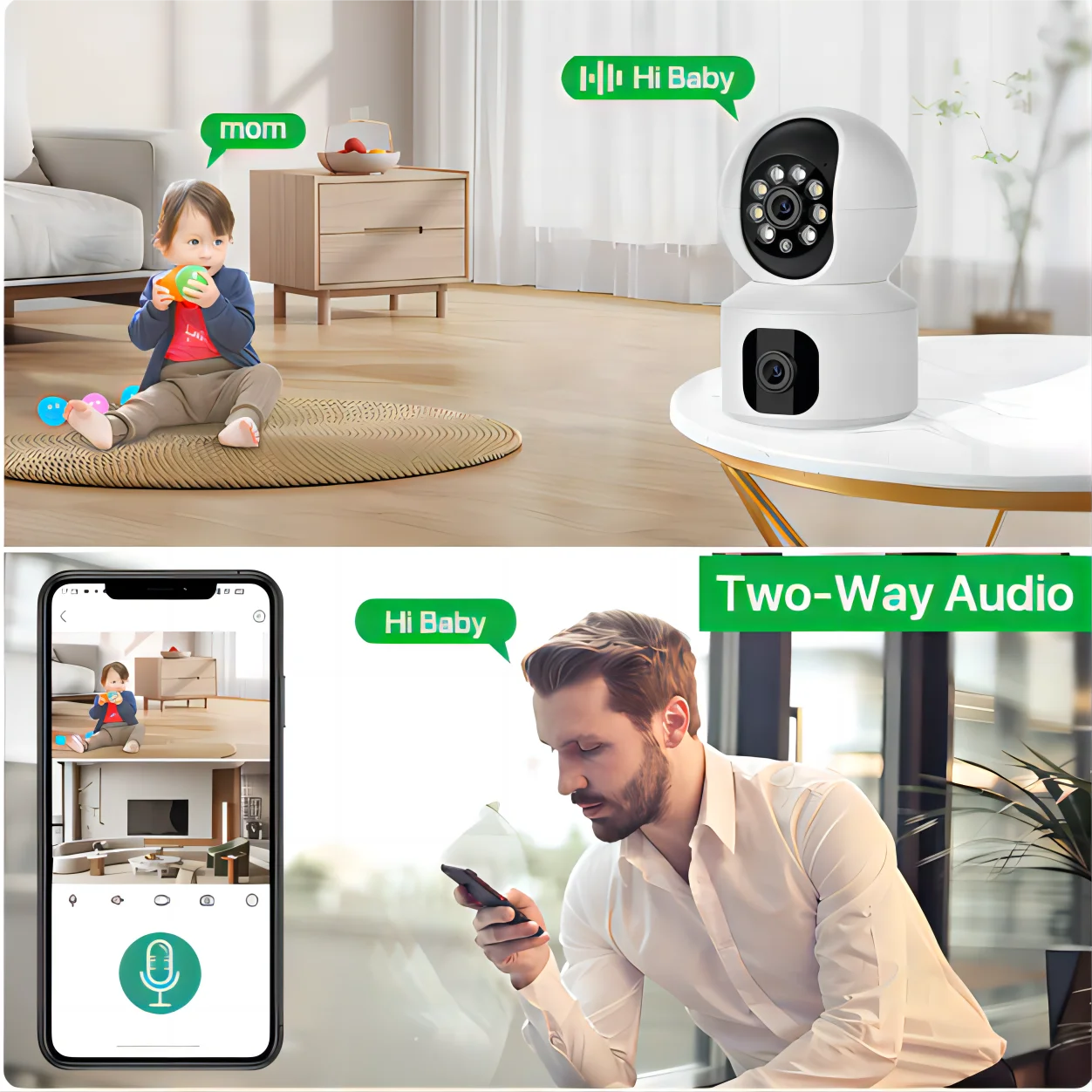
Low light security camera technology helps reveal motion and detail after dark. See it in action.
How Night Vision Security Camera Footage Becomes Clearer
Clear nighttime footage is the result of multiple technologies working together rather than a single hardware upgrade. A camera with a high-quality sensor, effective infrared illumination, quality optics, and intelligent image processing is far more likely to produce usable evidence than one relying on only higher megapixels. Proper installation and camera settings also play an important role in maximizing image quality.
| Feature | Basic Camera | Advanced Low Light Camera |
|---|---|---|
| Image Detail | Blurry outlines with limited facial detail | Sharper faces, license plates, and objects |
| Motion Handling | Noticeable smearing and motion blur | Smoother moving subjects with improved clarity |
| Infrared Balance | Hotspots and overexposed nearby objects | Even illumination across the viewing area |
| Digital Noise | Heavy grain in dark scenes | Cleaner images with reduced noise |
These improvements make reviewing motion alerts faster and more accurate while increasing the likelihood of identifying important details during nighttime events.
Real-Life Scenarios Where Low Light Features Matter Most
Nighttime security challenges vary from one property to another, but dependable low-light performance consistently makes the biggest difference when important events happen outside normal daylight hours. A camera that produces sharp, balanced images can help homeowners verify alerts quickly instead of trying to interpret grainy footage.
- Front entrances: Clearly identify visitors, package deliveries, or unfamiliar individuals approaching your door without relying on bright exterior lighting.
- Driveways and garages: Capture vehicles entering or leaving the property, helping preserve identifying details during nighttime activity.
- Backyards and side gates: Monitor fences, sheds, patios, and other low-light areas where intruders often remain partially hidden.
- Indoor hallways and living spaces: Observe movement quietly while family members sleep, using infrared illumination that does not disturb occupants.
Families often pair cameras with broader safety solutions from Health & Safety collections to support peace of mind across the home.
Choosing a Video Surveillance System for Home That Fits You
The best video surveillance system for home use depends on your property's layout, available lighting, installation location, and monitoring goals. Rather than choosing the highest resolution alone, prioritize reliable low-light performance, dependable night vision, and features that match your environment.
- Evaluate your lighting conditions. Identify entrances, driveways, pathways, and other areas that become especially dark after sunset.
- Select cameras based on location. Indoor cameras often prioritize quiet infrared operation, while outdoor models should offer weather resistance and longer IR range.
- Compare night vision capabilities. Look for larger sensors, adaptive infrared illumination, wide-aperture lenses, and intelligent image processing instead of megapixel count alone.
- Consider installation and connectivity. Choose a system that integrates easily with your existing Wi-Fi network or wired infrastructure while providing reliable remote access.
Many homeowners appreciate systems like the Tuya 8MP WiFi IP Camera for combining high-resolution recording with strong low-light performance, making nighttime monitoring more dependable without adding unnecessary complexity.
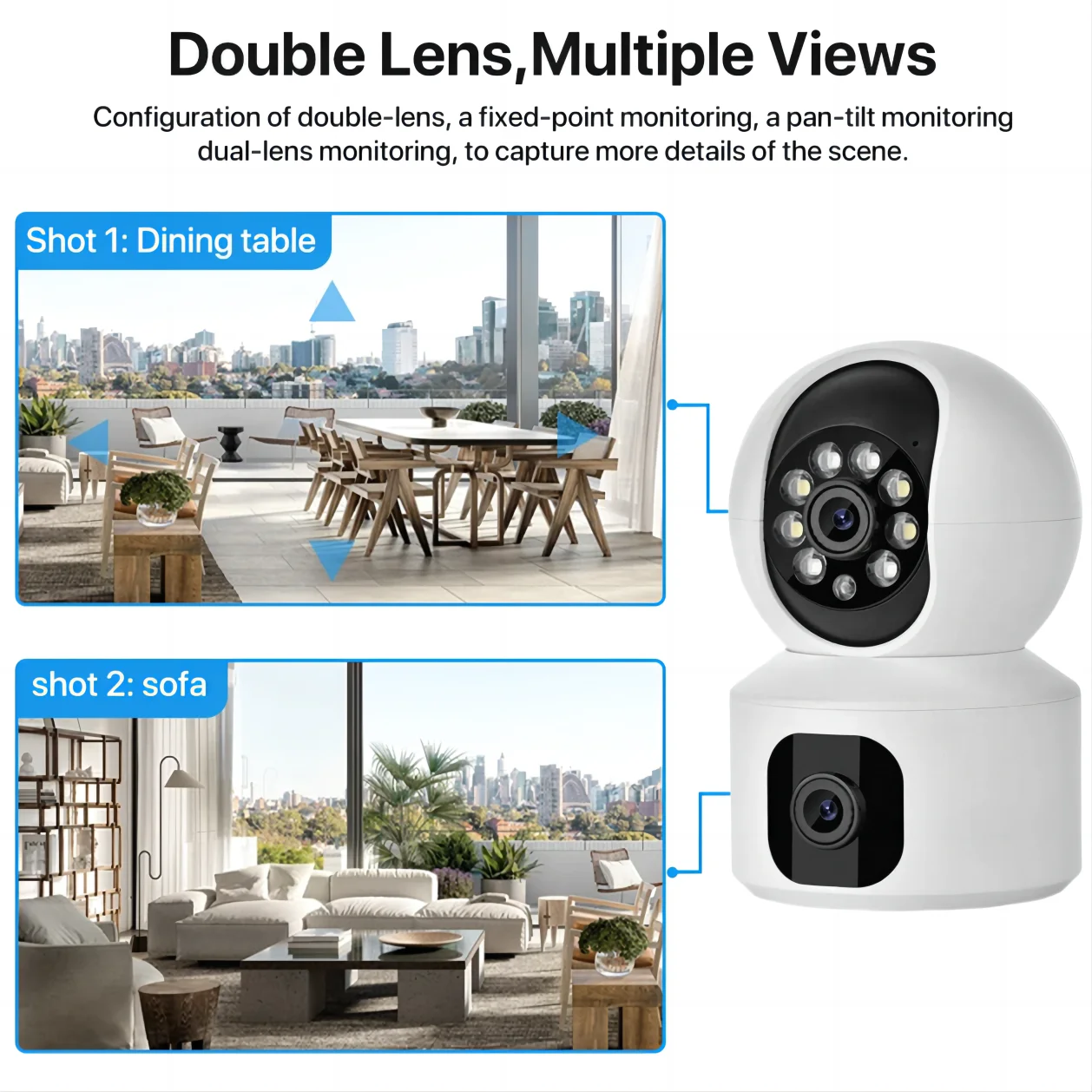
A reliable video surveillance system for home reduces low-light worries. See it in action.
Preventive Maintenance Checklist
Routine maintenance is one of the simplest ways to improve night vision on home security cameras and extend the life of your surveillance system. Small maintenance tasks help prevent image quality from gradually declining due to dirt, weather, or outdated software.
- Clean the camera lens regularly using a microfiber cloth to remove dust, fingerprints, pollen, and water spots that reduce image clarity.
- Inspect the camera housing for dirt, spider webs, insects, or moisture that may interfere with infrared LEDs.
- Keep firmware up to date so your camera benefits from the latest image processing improvements, bug fixes, and security updates.
- Trim nearby vegetation that can trigger false motion alerts or reflect infrared light back into the lens.
- Verify nighttime recordings every few weeks to confirm image quality, infrared performance, and camera positioning remain effective.
- Check seasonal lighting changes since new landscaping, holiday lights, or changing daylight hours can affect nighttime exposure.
Quick FAQ
How can I improve night vision on home security cameras without adding a floodlight?
Start by cleaning the camera lens, repositioning the camera to reduce reflections, removing nearby obstructions, and updating the firmware. Cameras with larger sensors, adaptive infrared illumination, and better image processing usually provide noticeable improvements without requiring additional lighting.
Why is my CCTV camera blurry at night?
Blurry nighttime footage is commonly caused by dirty lenses, motion blur from slow shutter speeds, limited sensor sensitivity, incorrect focus, excessive digital noise, or infrared reflections from nearby walls, windows, or objects. Identifying the source helps determine whether the issue can be corrected through maintenance, settings adjustments, or hardware upgrades.
What causes infrared glare on security cameras?
Infrared glare occurs when IR light reflects directly back into the camera lens. Dirty protective covers, spider webs, rain droplets, nearby walls, glass surfaces, or improperly mounted cameras are common causes. Cleaning the camera and increasing the distance from reflective surfaces often improves image quality.
Does cleaning the camera lens improve night vision?
Yes. Dust, fingerprints, pollen, condensation, and water spots scatter both visible and infrared light, reducing sharpness and contrast. Regular lens cleaning is one of the easiest and most effective ways to maintain consistent nighttime performance.
Which camera settings improve low-light performance?
Adjustments to exposure, shutter speed, gain, noise reduction, WDR, HDR, and image sharpness can improve low-light performance. The ideal balance depends on your camera model and whether your priority is capturing fast-moving subjects or maximizing image brightness.
When should I upgrade my security camera instead of adjusting settings?
If your camera continues to produce unusable nighttime footage after cleaning, repositioning, updating firmware, and optimizing settings, it may be limited by older hardware. Upgrading to a model with a larger sensor, improved infrared technology, and advanced image processing is often the most effective long-term solution.
Pillar Article: Portable Video Surveillance Cameras: Best Uses for Every Room
Other Related Articles:
Explore More:





