

How can you monitor your baby safely while driving?
How to monitor baby safely starts with keeping your eyes on the road while maintaining a clear back seat view. Using a portable baby monitoring system with a baby mirror with night vision lets parents check on their infant in seconds, even in low light, without turning around or losing focus.
How to Monitor Baby Safely: Step-by-Step Car Guide
⏱ 7 min read
Every parent knows the feeling: you’re driving, the car is quiet, and suddenly you wonder if your baby is okay back there. Are they sleeping peacefully? Did the pacifier fall out? Learning how to monitor baby safely can transform that anxious moment into calm confidence, especially during night drives or long trips.
Which baby gear truly helps you stay focused on the road while keeping your child safe and comfortable? Let’s walk through a clear, practical system that works in real life.
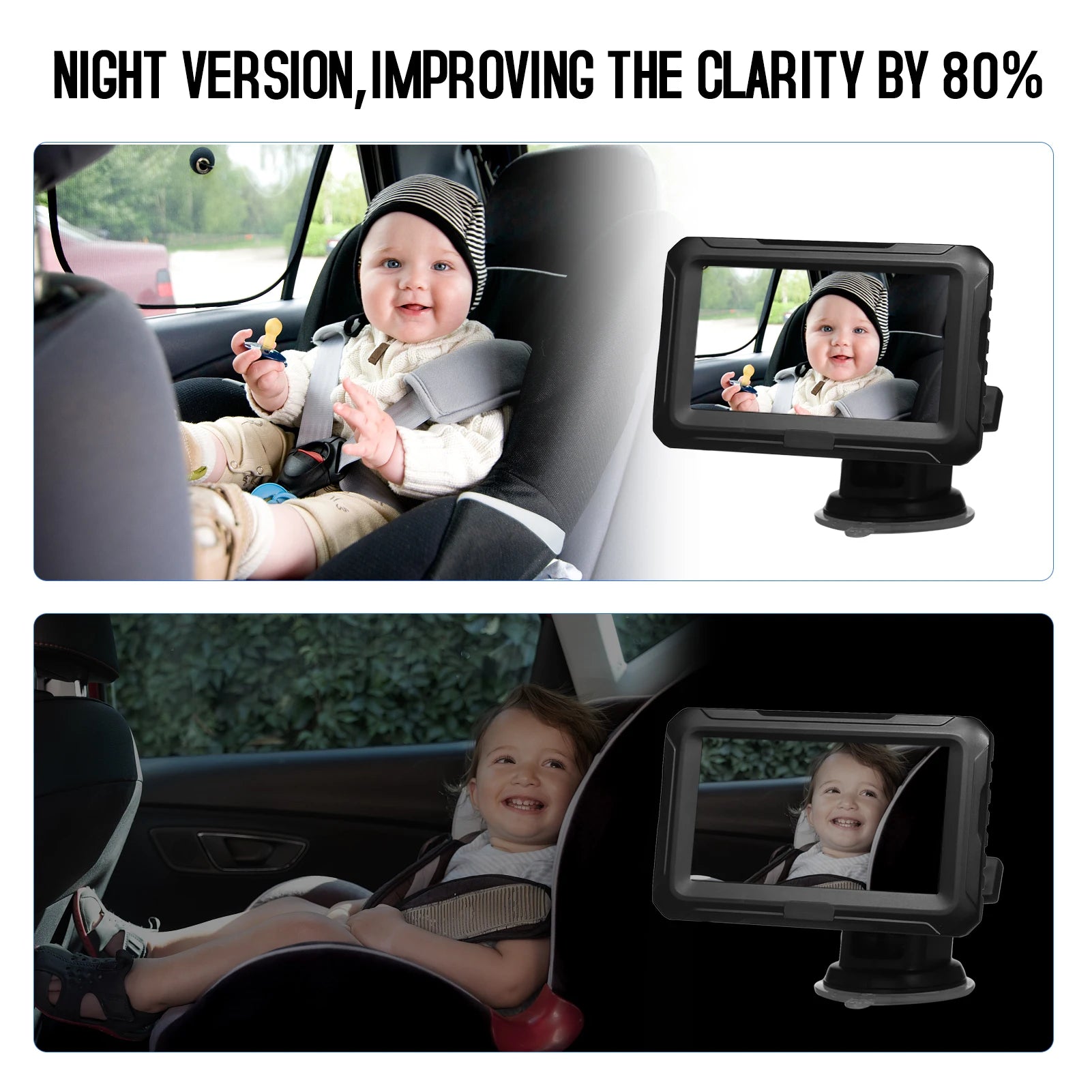
How to monitor baby safely using a back seat view with night vision See it in action
Why Safe Baby Monitoring in the Car Matters
Learning how to monitor baby safely isn’t about convenience—it’s about reducing distraction. Turning your head, adjusting mirrors repeatedly, or guessing what’s happening in the back seat increases risk. A clear, stable view supports better driving decisions and helps parents stay present.
- Less head-turning means better lane control
- Quick visual checks reduce anxiety
- Improved awareness supports pedestrian visibility
- Babies stay calmer when parents stay calm
Many families explore solutions within Monitoring Devices or broader Health & Safety collections to build a complete setup that fits daily routines.
How to Monitor Baby Safely: Step-by-Step Setup
How to monitor baby safely starts with a simple, repeatable system that works every time you drive. The goal is zero guesswork.
- Position the baby securely. Ensure the car seat is properly installed and adjusted.
- Install a back seat monitoring device. Mount the display where it’s visible without blocking the road view.
- Adjust for eye-level checks. One quick glance should tell you everything.
- Test before driving. Confirm the angle and night visibility.
Parents often pair this setup with essentials from Baby Care Essentials to ensure comfort, or browse Smart Baby Gadgets for tech-forward solutions that adapt as babies grow.
How Night Vision Improves Night Driving Safety
How to monitor baby safely after sunset is a common concern. Low light, reflections, and glare make traditional mirrors unreliable. Night vision changes that experience completely.
A baby mirror with night vision provides consistent clarity, allowing parents to see breathing movements, sleep positions, and subtle changes without interior lights.
| Without Night Vision | With Night Vision |
|---|---|
| Hard to see in low light | Clear back seat view anytime |
| Frequent head turning | Quick glance, eyes forward |
| Increased distraction | Improved focus and calm |
This added clarity supports safer reactions to road conditions and even improves confidence related to pedestrian visibility during night driving.
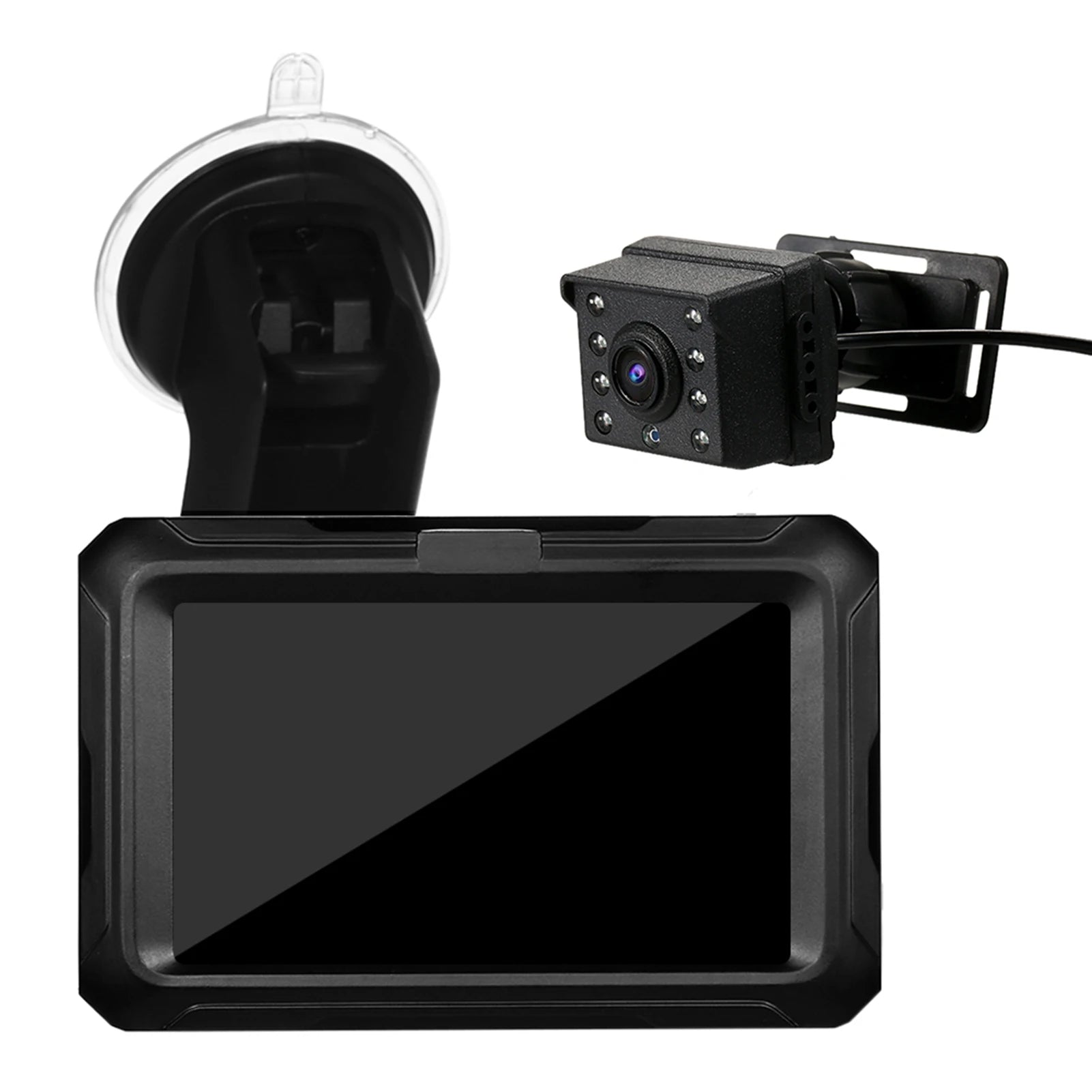
Tips for back seat monitoring with a safe baby monitor for driving See it in action
Common Mistakes Parents Make When Monitoring the Back Seat
Even attentive parents can develop habits that make driving harder than it needs to be.
- Relying on reflective mirrors alone
- Mounting screens too low or too high
- Using bright cabin lights at night
- Checking too frequently due to unclear views
Correcting these issues often means choosing a portable baby monitoring system that integrates smoothly with your car layout and daily schedule.
Many parents also look into supportive items from Sleep & Comfort or Massage & Relaxation to keep babies relaxed before and during drives.
Real-Life Scenarios: How Parents Use Back Seat Monitoring
School drop-offs: One parent shared that quick glances helped them notice when their baby fell asleep sooner than expected.
Night errands: Clear visuals reduced the urge to pull over just to check breathing.
Long trips: Less guessing meant fewer unnecessary stops and calmer drives.
These everyday moments show how learning how to monitor baby safely impacts more than safety—it improves quality of life.
Choosing the Right Portable Baby Monitoring System
When evaluating options, focus on visibility, stability, and ease of use. A safe baby monitor for driving should feel like a natural extension of your dashboard.
- Stable mounting that doesn’t shake
- Clear display in daylight and night
- Simple controls for quick adjustments
- Compatibility with other infant car accessories
Families often explore complementary tools from Baby Care Tips & Advice or Mom Essentials to create a well-rounded travel routine.
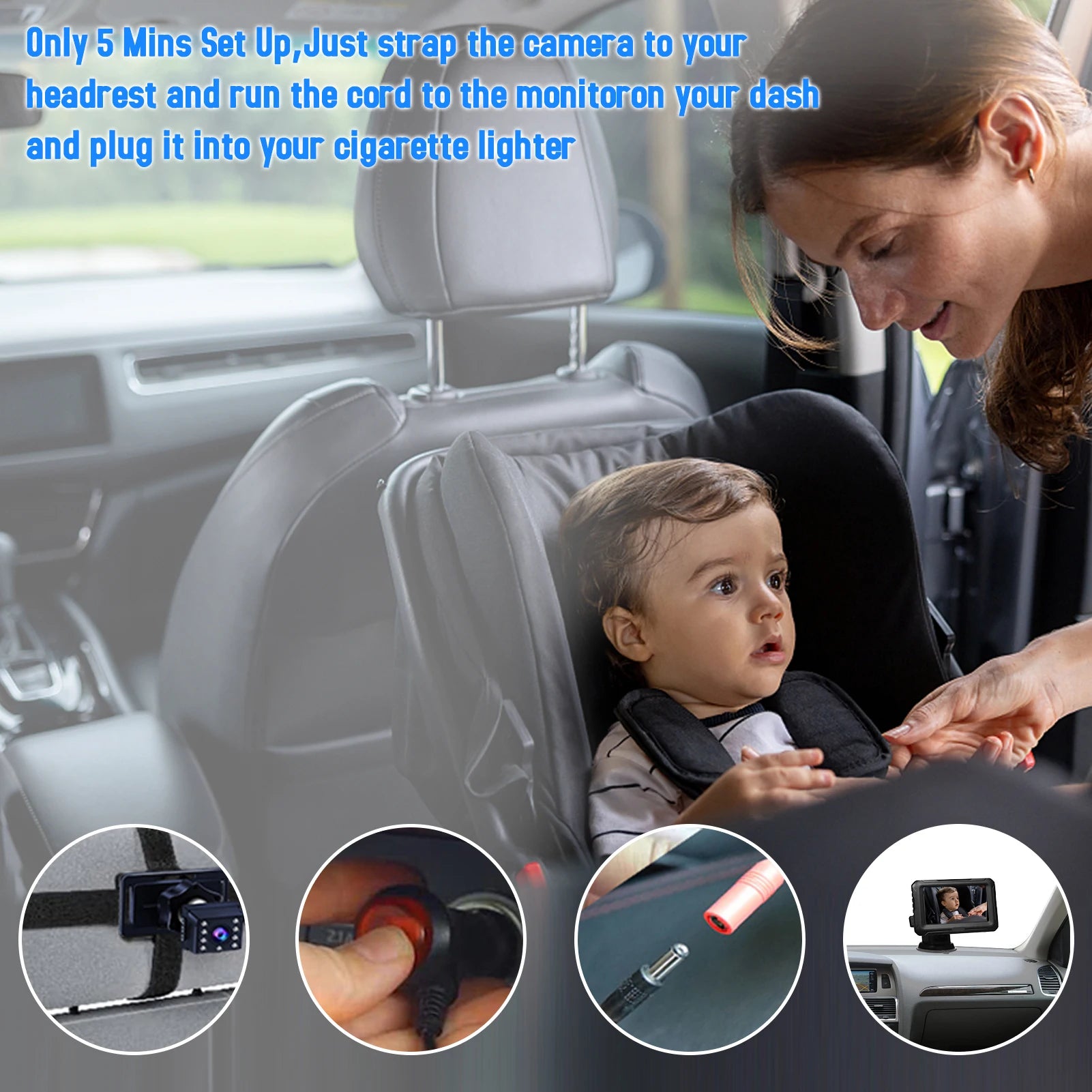
Portable baby monitoring system for safer night driving See it in action
Mini FAQ: Monitoring Your Baby in the Car
How often should I check the back seat while driving?
With a clear monitoring system, brief glances every few minutes are usually enough, reducing distraction compared to constant head turning.
Is night vision safe for babies?
Yes. Night vision uses low-light technology that doesn’t disturb sleep or require bright interior lights.
Can a monitoring system replace safe driving habits?
No. It supports attention but doesn’t replace proper car seat installation and focused driving.
Understanding how to monitor baby safely gives parents confidence, clarity, and calmer drives—day or night.
UPGRADE PLAN { "outline": [ { "action": "MODIFY", "h2": "How to monitor baby in car safely: Quick answer", "h3": [], "focus": [ "Never turn around while driving", "Use safe monitoring methods", "Keep attention on the road", "Stop the vehicle if needed" ], "keywords": [ "how to monitor baby in car safely", "best way to monitor baby in car", "how to check baby while driving safely" ] }, { "action": "MODIFY", "h2": "Why safe baby monitoring in the car matters", "h3": [], "focus": [ "Driver distraction risks", "Rear-facing safety", "Why visual checks should be brief", "Evidence-based safety guidance" ], "keywords": [ "baby car monitor safety tips", "tips for monitoring infant in car seat" ] }, { "action": "MODIFY", "h2": "How to monitor baby in car safely: Step-by-step setup", "h3": [ "Position the car seat correctly", "Install a baby mirror safely", "Install a baby camera monitor safely", "Test visibility before every trip" ], "focus": [ "Proper positioning", "Mirror setup", "Camera setup", "Pre-drive safety check" ], "keywords": [ "car baby monitoring system guide", "portable baby monitor for car", "how to see baby in back seat while driving" ] }, { "action": "ADD", "h2": "Baby mirror vs camera monitor: Which is safer?", "h3": [], "focus": [ "Pros and cons", "Visibility", "Driver distraction", "When each option works best" ], "keywords": [ "safe baby mirror vs camera", "is it safe to use baby car cameras", "baby back seat monitoring solutions" ] }, { "action": "MODIFY", "h2": "How to monitor your baby without distracting yourself", "h3": [ "When your baby is crying", "Night driving", "Glare and vibration", "When to pull over" ], "focus": [ "Minimize distraction", "Respond safely", "Improve visibility", "Know when to stop" ], "keywords": [ "how to check baby while driving safely", "baby car monitor safety tips" ] }, { "action": "MODIFY", "h2": "Common mistakes parents make when monitoring the back seat", "h3": [], "focus": [ "Turning around while driving", "Poor mirror placement", "Overreliance on cameras", "Ignoring equipment checks" ], "keywords": [ "tips for monitoring infant in car seat" ] }, { "action": "REMOVE", "h2": "Real-Life Scenarios: How Parents Use Back Seat Monitoring", "h3": [], "focus": [], "keywords": [] }, { "action": "MODIFY", "h2": "Choosing the right baby back seat monitoring solution", "h3": [ "Rear-view mirror", "Baby mirror", "Camera system", "Passenger assistance" ], "focus": [ "Decision framework", "Vehicle compatibility", "Travel frequency", "Safety-first priorities" ], "keywords": [ "best way to monitor baby in car", "baby back seat monitoring solutions", "portable baby monitor for car" ] }, { "action": "ADD", "h2": "Safety recommendations by baby age and rear-facing stage", "h3": [ "Newborns", "Older infants", "Rear-facing toddlers" ], "focus": [ "Age-specific guidance", "Rear-facing duration", "Monitoring expectations", "Travel planning" ], "keywords": [ "tips for monitoring infant in car seat" ] }, { "action": "MODIFY", "h2": "Frequently asked questions", "h3": [ "How often should I check the back seat while driving?", "Is night vision safe for babies?", "Can a monitoring system replace safe driving habits?", "Is it safe to use baby car cameras?", "Should I pull over if my baby keeps crying?" ], "focus": [ "Common safety concerns", "Monitoring frequency", "Equipment safety", "Stopping guidance" ], "keywords": [ "is it safe to use baby car cameras", "how to monitor baby in car safely" ] } ], "internal_links": [ "Rear-facing car seat safety guide", "How to install a car seat correctly", "Road trip safety with a baby", "Travel essentials for infants", "Car seat mirror installation guide" ], "faq": [ "What is the safest way to monitor a rear-facing baby while driving?", "Are baby car mirrors safer than camera monitors?", "Is it safe to use baby car cameras every day?", "How can I see my baby in the back seat without turning around?", "What should I do if my baby cries during the drive?", "Can a portable baby monitor be used in any vehicle?", "How do I prevent glare or vibration from a baby mirror?", "When should I pull over instead of checking my baby while driving?" ], "trim": [ "Standalone section focused only on night vision technology", "Real-life anecdotal scenarios that do not add actionable safety guidance", "Product-centric recommendations without safety context" ] } RULES - Apply every instruction in the Upgrade Plan. - Keep all existing affiliate links unchanged. - Keep all existing internal links unchanged. - Keep all existing image URLs unchanged. - Preserve sections such as Related Articles, Related Posts and Recommended Reading. - Avoid duplicate headings. - Insert new sections only where specified. - Improve clarity, topical coverage, EEAT and readability. - Expand weak sections only when required. - Use natural keyword placement. - Keep semantic HTML clean. YEAR UPDATE If visible article text contains "2005", replace it with "2026". Do not modify years inside: - URLs - href attributes - image filenames OUTPUT REQUIREMENTS Return ONLY the final upgraded HTML article. The output must be valid HTML and ready to publish. Do NOT return: - Markdown - Explanations - Notes - Code fences - JSON - XML Return the HTML beginning with the first HTML element and ending with the last HTML element.





