

Does a chin strap helmet really help keep infants safer?
A chin strap helmet helps reduce the impact of everyday bumps during early movement stages by staying securely in place while remaining gentle on delicate skin. When fitted correctly, a chin strap helmet supports injury prevention for infants by protecting vulnerable areas of the head without restricting comfort, vision, or natural exploration.
How to Use a Chin Strap Helmet Safely for Your Infant
⏱ 6 min read
Watching your baby start to roll, crawl, or take those first wobbly steps is exciting—and nerve-racking. Many parents worry about head bumps on hard floors, furniture edges, or sudden tumbles. A chin strap helmet is designed to offer gentle protection during these stages, but only when it is used correctly. This guide walks you through safe fitting, daily use, and common mistakes so you can feel confident every time your infant moves.
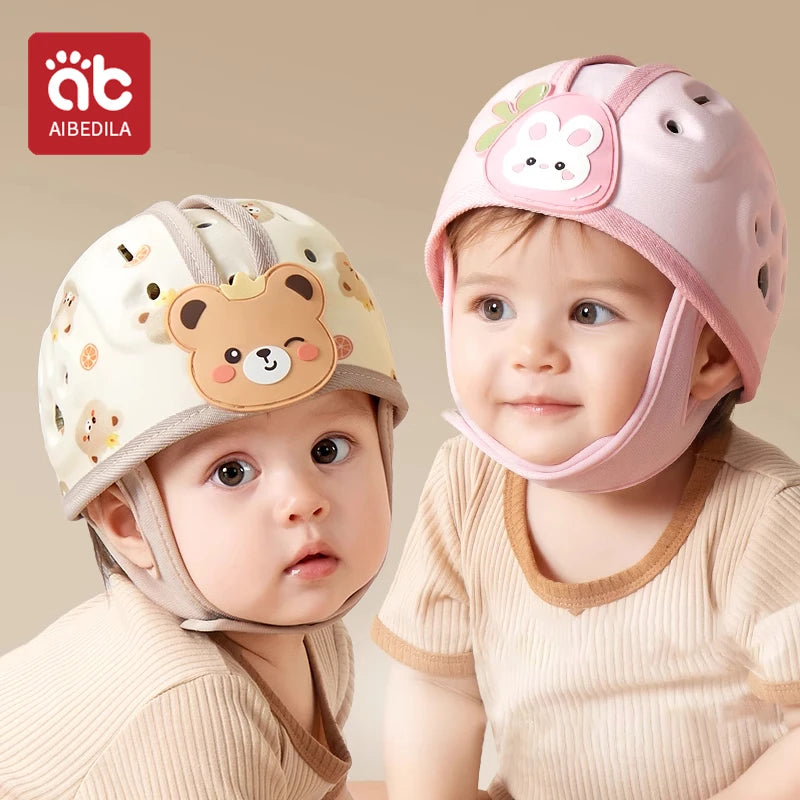
Soft chin strap helmet for infant protective helmet use at home 💡 See it in action
What Is a Chin Strap Helmet?
A chin strap helmet is a lightweight infant protective helmet designed to cushion the head during minor falls while staying securely in place with a soft strap under the chin. Unlike rigid sports helmets, it focuses on comfort, breathability, and freedom of movement for babies learning to move.
Many families explore options within Health & Safety to support everyday injury prevention for infants at home.
Why Infants Need Head Protection During Early Movement
Between 4 and 18 months, babies experience rapid physical changes. Rolling turns into crawling, crawling becomes pulling up, and soon comes cruising along furniture. During this phase, balance develops faster than coordination.
- Heads are proportionally heavier than the body
- Neck muscles are still strengthening
- Hard surfaces at home increase bump risks
- Falls are frequent but unpredictable
An infant protective helmet acts as a buffer, reducing stress for caregivers while allowing babies to explore confidently.
How to Choose the Right Soft Chin Strap Helmet
A soft chin strap helmet should feel more like padded clothing than safety gear. Comfort encourages consistent use, which is key for injury prevention for infants.
Key Features to Look For
- Breathable materials to reduce sweating
- Adjustable chin strap with gentle padding
- Lightweight foam for shock absorption
- Snug fit without pressure points
Parents often browse Baby Care Essentials and Baby Care Tips & Advice when comparing protective gear for daily routines.
Step-by-Step: How to Fit a Chin Strap Helmet Safely
A chin strap helmet works best when fitted carefully. Rushing this step can reduce its effectiveness.
- Place the helmet level on your infant’s head, covering the forehead evenly.
- Adjust the back so it sits just above the neck without tilting.
- Fasten the chin strap until it is secure but allows one finger to slide underneath.
- Check that ears are not folded and skin is smooth.
- Let your baby move and observe comfort for a few minutes.
Daily Use Tips for Injury Prevention
Using a chin strap helmet consistently during high-movement times improves injury prevention for infants.
- Use during crawling, cruising, and playtime
- Remove during sleep or quiet rest
- Inspect straps daily for wear
- Pair with soft play mats for extra protection
Some parents combine helmets with items from Mobility & Training and Sleep & Comfort to support both safety and rest.
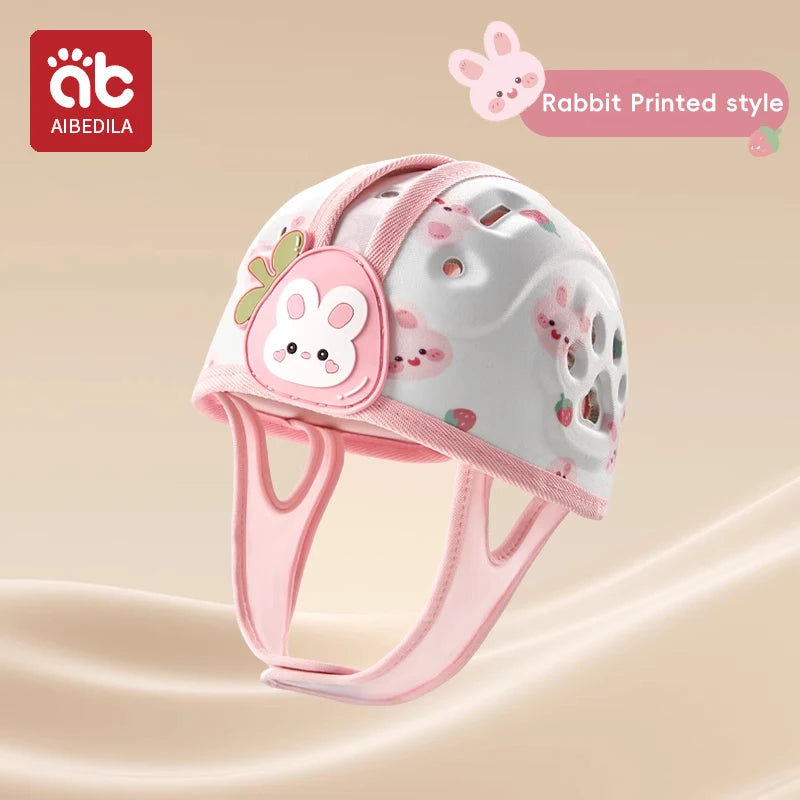
Infant protective helmet during active crawling and play 💡 See it in action
Common Mistakes Parents Make
Even the best soft chin strap helmet can fall short if used incorrectly.
| Common Mistake | Why It Matters |
|---|---|
| Over-tightening the strap | Can cause discomfort or skin marks |
| Using during sleep | Helmets are for active supervision only |
| Ignoring growth changes | Fit should be rechecked every few weeks |
Comfort, Skin Checks, and Breaks
Daily skin checks help ensure the chin strap helmet remains a positive experience.
- Look for redness under the chin
- Check behind ears after use
- Remove helmet every 30–60 minutes
- Clean padding regularly
Many caregivers pair helmet use with gentle routines from Baby Bath Accessories or calming moments inspired by Massage & Relaxation.
Real Parent Experiences and Practical Results
Parents often report fewer panic moments once their infant protective helmet becomes part of daily play. One caregiver shared that after adding a chin strap helmet during crawling practice, minor bumps no longer interrupted exploration, helping their baby build confidence faster.
Consistent use also helps caregivers relax, allowing more positive interaction instead of constant hovering.
When to Stop Using an Infant Protective Helmet
Most families stop using a chin strap helmet once balance improves and falls become less frequent. This often happens when independent walking stabilizes.
- Baby walks confidently without frequent falls
- Head control and reflexes are stronger
- Environment becomes easier to baby-proof
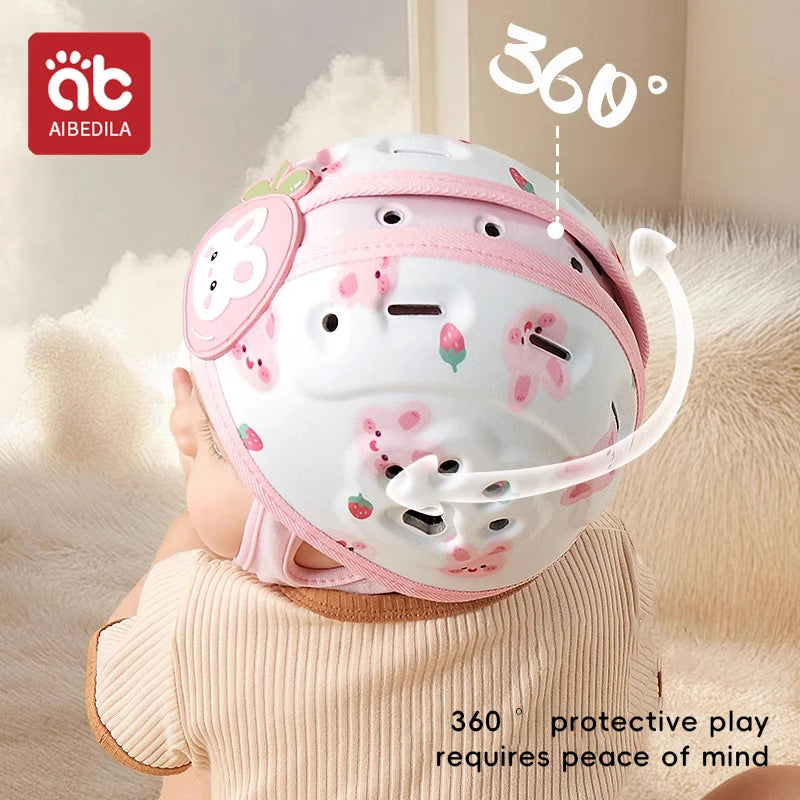
Soft chin strap helmet supporting injury prevention for infants 💡 See it in action
Frequently Asked Questions
How tight should a chin strap helmet be?
The strap should be snug enough to prevent slipping but loose enough to fit one finger underneath comfortably.
Can a soft chin strap helmet be worn outdoors?
Yes, during supervised outdoor play on safe surfaces, as long as ventilation and comfort are monitored.
Does an infant protective helmet replace supervision?
No. Helmets support injury prevention for infants but do not replace active caregiver supervision.





