

Unsafe Car Seat Risks: How to Spot Dangers Before Driving
An unsafe car seat can look perfectly fine while hiding serious risks parents miss every day. From skipped infant car seat safety guidelines to rushed Safety 1st infant car seat installation mistakes, small details can change everything in a crash. Even something as simple as poor back seat view can delay your reaction to trouble. The good news? Most dangers are easy to spot once you know where to look—are you checking the right things before you drive?
What is an Unsafe Car Seat?
A unsafe car seat is one that fails to meet essential safety standards, whether due to incorrect installation, expired materials, or missing safety features. Following infant car seat safety guidelines and ensuring proper Safety 1st infant car seat installation can prevent accidents, giving parents peace of mind while keeping their baby secure and visible with good back seat view.
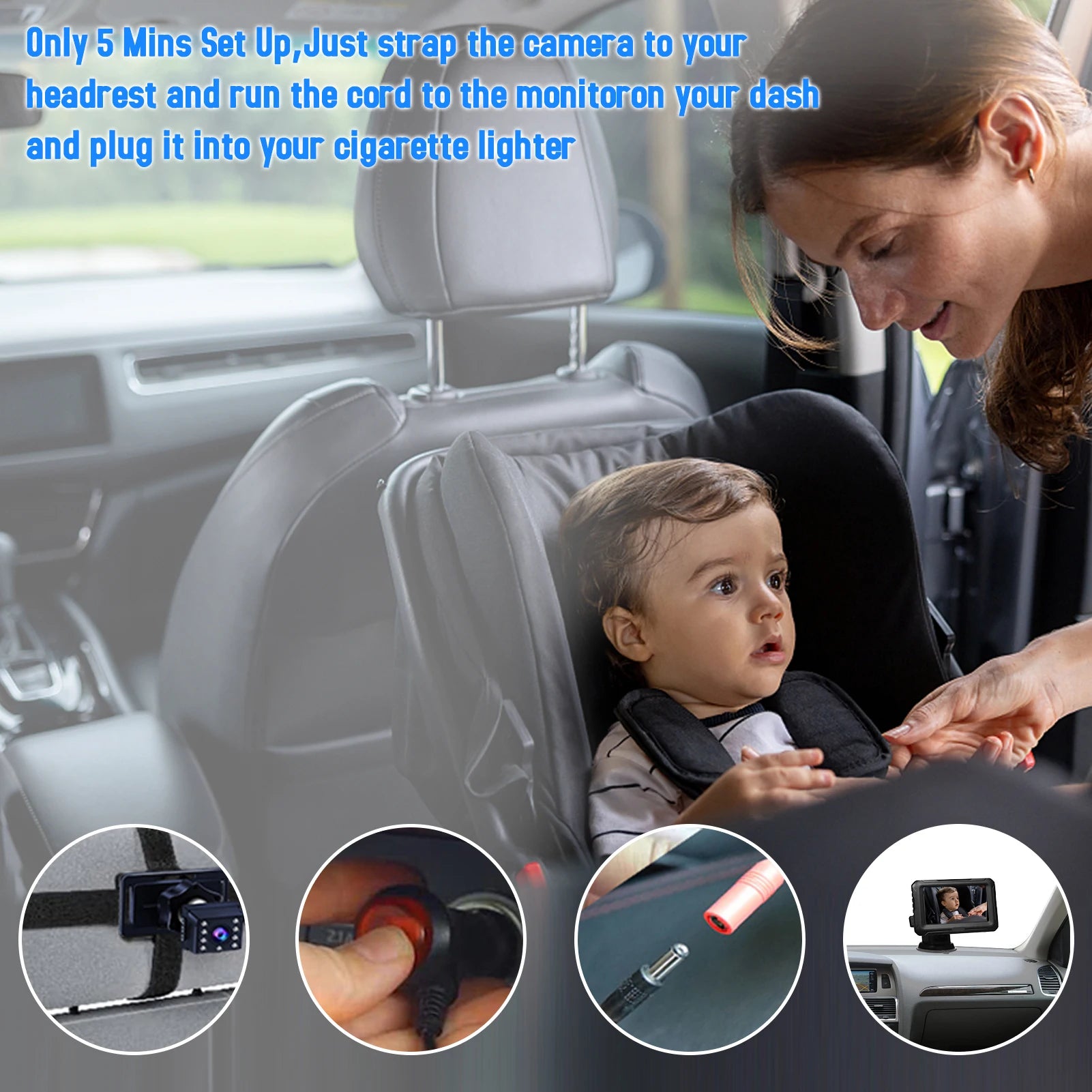
💡 Check your unsafe car seat against infant car seat safety guidelines — See it in action!
Common Risks of Unsafe Car Seats
Even a new-looking car seat can hide serious hazards. Common risks include:
- Incorrect harness positioning that can allow ejection during a crash.
- Expired or damaged seat materials reducing impact protection.
- Loose installation compromising stability in sudden stops.
- Obstructed back seat view making it harder to monitor your child.
Regularly inspecting your car seat and following precise infant car seat safety guidelines can prevent these risks.
Installation Mistakes to Avoid
Many parents unintentionally compromise safety during installation. Key mistakes include:
- Using both seatbelt and base incorrectly instead of following manufacturer instructions.
- Failing to tighten the seat to prevent side-to-side movement.
- Skipping the recline adjustment, which can strain an infant’s neck.
- Installing in front passenger seat instead of the recommended back seat.
Proper Safety 1st infant car seat installation ensures your baby stays secure in every ride.
Spotting Issues Before Driving
Before every trip, do a quick safety audit:
- Check harness tightness and clip position.
- Confirm seat is locked firmly in place.
- Inspect for cracks, frays, or worn padding.
- Ensure the baby is visible through mirrors or a rear-view baby monitor.
Top Car Seat Comparison for Safety
Here’s a quick side-by-side look at three highly-rated infant car seats:
| Model | Installation Ease | Safety Features | Back Seat View | Pros | Cons |
|---|---|---|---|---|---|
| Safety 1st Base Seat | ⭐⭐⭐⭐⭐ | Side-impact protection, 5-point harness | Good with rear mirror | Reliable, easy install | Bulky for small cars |
| Infant Comfort Pro | ⭐⭐⭐⭐ | Energy-absorbing foam, adjustable headrest | Moderate | Lightweight, versatile | Harness can twist |
| BabySafe Elite | ⭐⭐⭐⭐⭐ | Impact-absorbing shell, LATCH compatible | Excellent | Highly secure, clear view | Higher price |
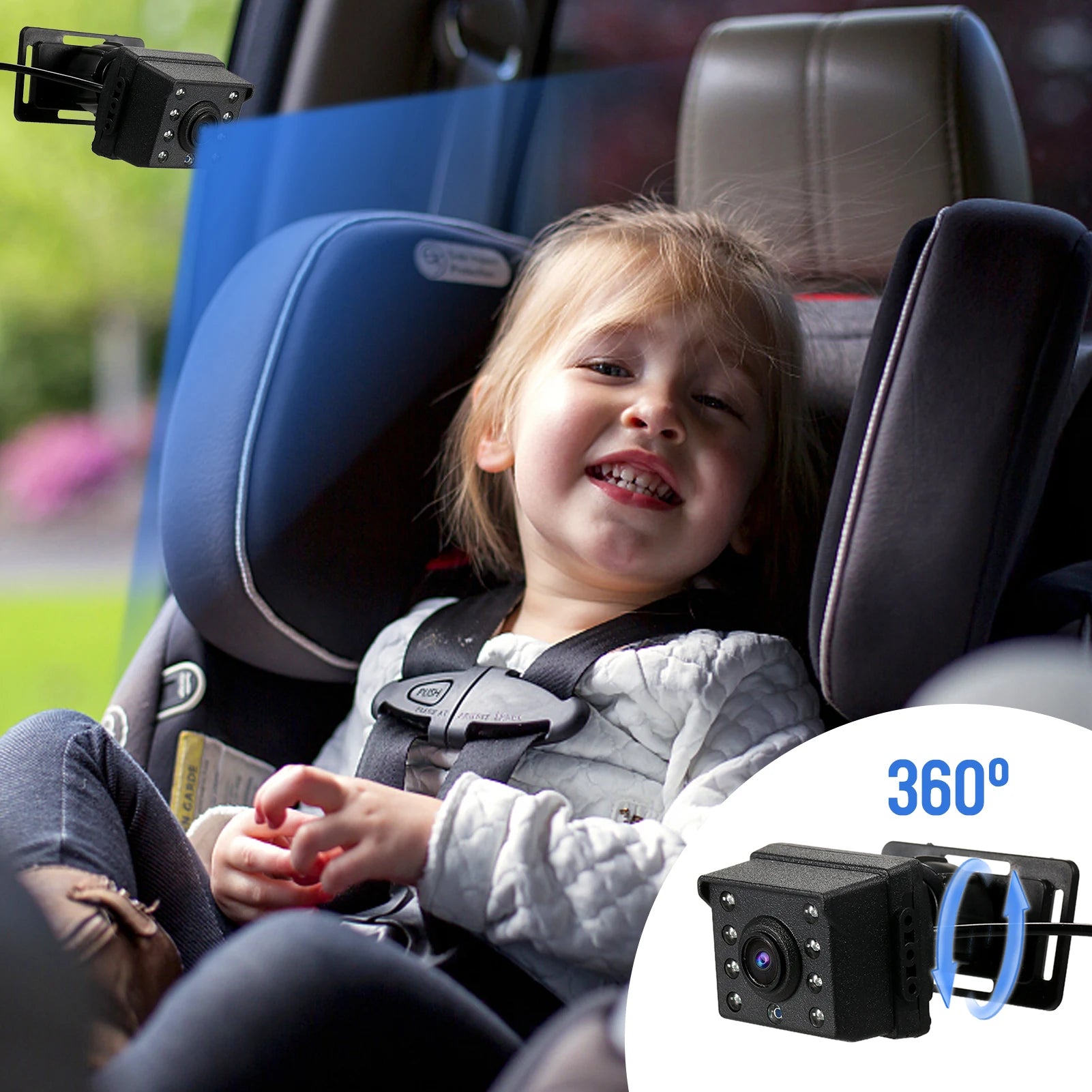
💡 Compare top seats using infant car seat safety guidelines — Take control of your baby’s ride safety!
Improving Back Seat View
Being able to see your baby clearly helps you react faster to discomfort or danger. Tips to improve back seat view include:
- Install a convex mirror angled toward the rear-facing seat.
- Use a rear-view baby monitor with night vision.
- Ensure no objects block line of sight from driver to baby.
- Keep seat fabric and padding clean to prevent glare.
Practical Parent Safety Tips
Beyond installation, daily habits matter:
- Always double-check harness tightness before driving.
- Rotate seats to match growth stages, keeping infants rear-facing as long as possible.
- Keep emergency supplies accessible but not obstructing the seat.
- Regularly review infant car seat safety guidelines for updates.
Mini FAQ
1. How do I know if my car seat is unsafe?
Check for expired parts, loose installation, incorrect harness positioning, and missing safety features. Following infant car seat safety guidelines ensures your seat remains secure and protective.
2. Can a rear-view monitor improve car seat safety?
Yes, a rear-view baby monitor allows parents to monitor infants continuously, improving reaction times and keeping a clear back seat view.
3. What are the most common installation mistakes?
Common errors include using seatbelt incorrectly, skipping base tightening, wrong recline angle, and placing the seat in the front passenger position. Proper Safety 1st infant car seat installation prevents these issues.
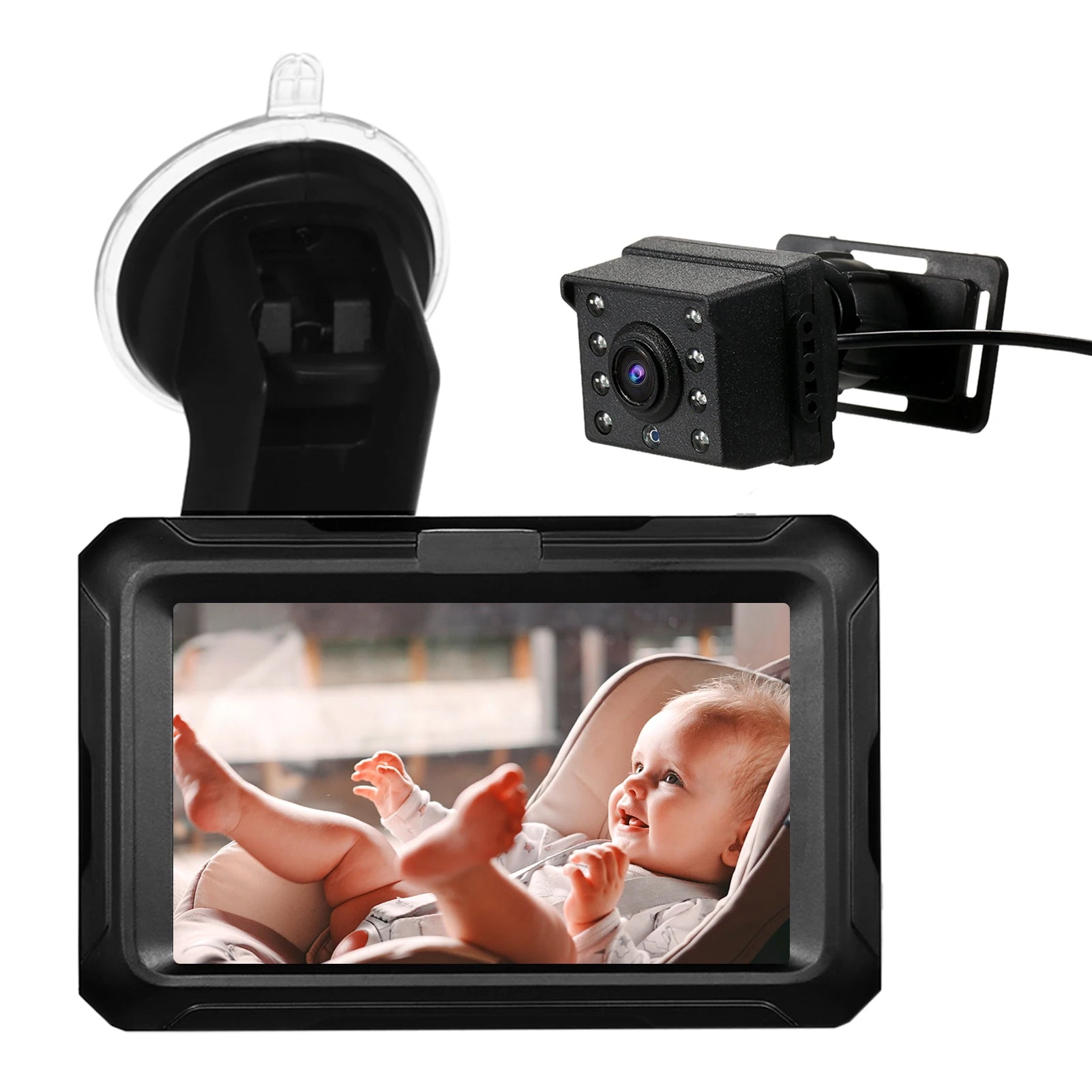
💡 Ensure your unsafe car seat is checked with infant car seat safety guidelines — Take action today!





