

Does infant playtime safety gear really protect babies?
Infant playtime safety gear helps reduce common bumps and falls by cushioning impact zones and supporting safe movement during early exploration. Designed for soft skulls and developing motor skills, infant playtime safety gear works best when paired with thoughtful play space setup and trusted infant safety items that lower everyday injury risks.
Infant Playtime Safety Gear: Features That Protect and Comfort
⏱ 8 min read
Every parent wants to encourage curiosity without constant worry. As babies learn to roll, crawl, and sit, everyday play can introduce unexpected risks. Infant playtime safety gear bridges the gap between freedom and protection, helping families create safer play spaces while supporting confidence, comfort, and healthy development.
Why Playtime Safety Matters for Infants
Playtime is essential for learning balance, coordination, and confidence. Yet it’s also when many minor injuries occur. Soft skulls, limited reflexes, and unsteady movements make infants especially vulnerable to bumps during floor play or time under an infant play mat gym.
Thoughtful injury prevention for infants doesn’t mean limiting movement. Instead, it focuses on reducing impact and guiding safe exploration with the right environment and tools.
- Head protection during early sitting and crawling
- Reduced anxiety for parents during independent play
- Support for longer, more confident play sessions
- Improved focus on learning instead of constant intervention
Many families begin by babyproofing furniture and floors, but overlook personal protective items designed specifically for infants.
What Is Infant Playtime Safety Gear?
Infant playtime safety gear refers to wearable or environment-focused items designed to protect babies during active play. These include padded helmets, cushioned mats, and supportive accessories that work together to lower infant fall risk.
Unlike general babyproofing, these items move with the baby, offering protection wherever curiosity leads.
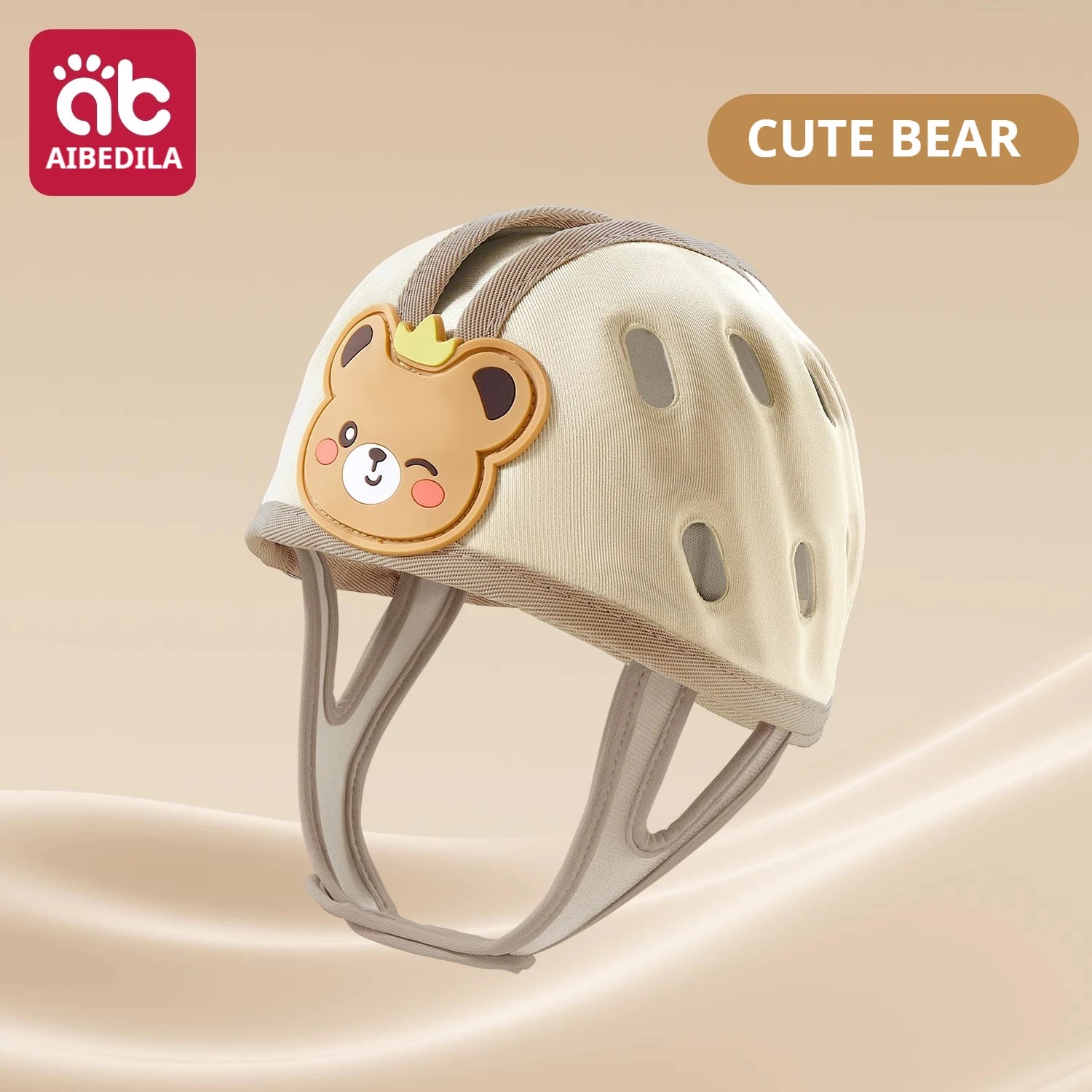
Infant playtime safety gear supports safer exploration and injury prevention for infants. 💡 See it in action
Common Types of Infant Safety Items
- Soft infant protective helmet designs
- Padded infant play mat gym setups
- Corner and edge cushioning
- Supportive crawling and mobility aids
Each plays a role, but wearable protection often delivers the most consistent coverage during unpredictable movement.
Key Features That Protect and Comfort
Infant playtime safety gear stands out when it balances protection with comfort. Babies won’t tolerate bulky or restrictive items, making thoughtful design essential.
Impact-Absorbing Design
High-density yet soft padding helps absorb shocks from backward tumbles or side falls. This is especially important during early sitting and standing attempts.
Lightweight, Breathable Materials
Breathable fabrics prevent overheating during active play. Lightweight construction ensures babies can move naturally without added strain.
Adjustable, Secure Fit
Growth-friendly adjustability ensures consistent protection as head size changes. A secure fit prevents slipping while remaining gentle on sensitive skin.
Skin-Friendly Comfort
Non-irritating linings and smooth seams reduce friction. Comfort-focused design encourages longer wear without fussing.
How It Compares to Other Infant Safety Items
| Option | Coverage | Mobility | Consistency |
|---|---|---|---|
| Infant play mat gym | Floor-only | Limited area | Stationary |
| Furniture padding | Specific edges | Room-based | Static |
| Infant playtime safety gear | Head-focused | Full movement | Portable |
While all options contribute to newborn injury prevention, wearable protection offers continuous coverage across rooms and play setups.
Real-Life Playtime Scenarios Parents Face
Picture a baby mastering sitting for the first time. One moment of imbalance can lead to a backward fall. Or consider tummy time turning into crawling toward a toy beyond the mat.
Infant playtime safety gear helps soften these moments, reducing stress for caregivers and encouraging babies to keep trying.
Parents often report:
- Less hovering during independent play
- Greater confidence allowing exploration
- Calmer reactions after minor tumbles
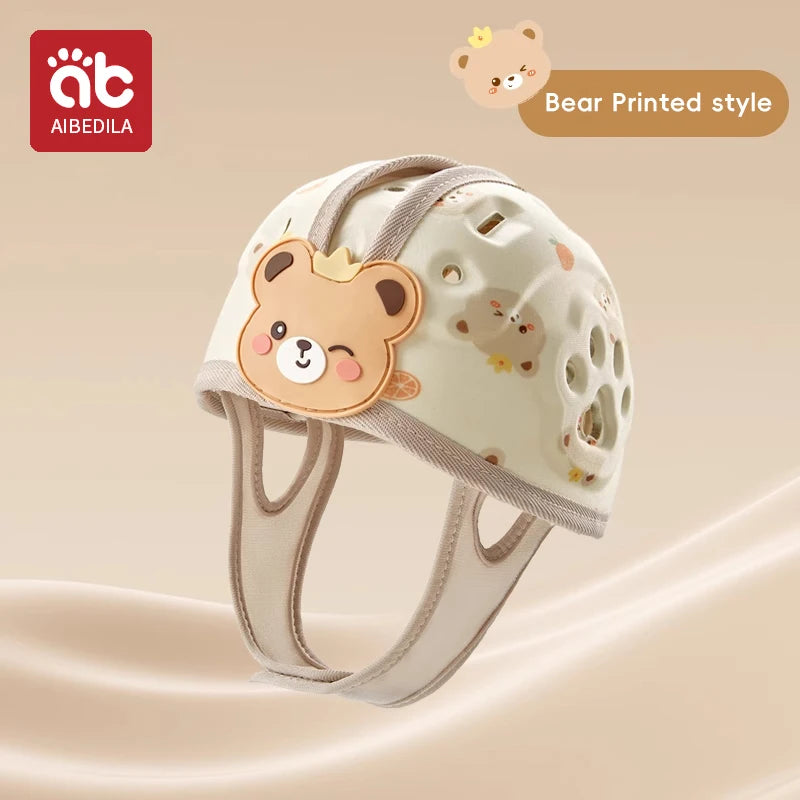
Infant safety items paired with play spaces support confident movement and comfort. 💡 See it in action
How to Choose the Right Infant Playtime Safety Gear
- Assess your baby’s current mobility stage
- Consider where most play happens
- Prioritize breathable, adjustable materials
- Look for easy cleaning and maintenance
Pairing gear with a well-designed environment enhances results. Explore supportive options within Health & Safety and Baby Growth & Learning to build a complete setup.
Product Spotlight: Infant Protective Helmet
The infant protective helmet featured here focuses on lightweight cushioning, adjustable fit, and soft interior comfort. Designed for everyday play, it supports injury prevention for infants without restricting movement.
Parents appreciate how it integrates seamlessly into daily routines, from floor play to early standing practice.
Explore the infant protective helmet designed for safer playtime
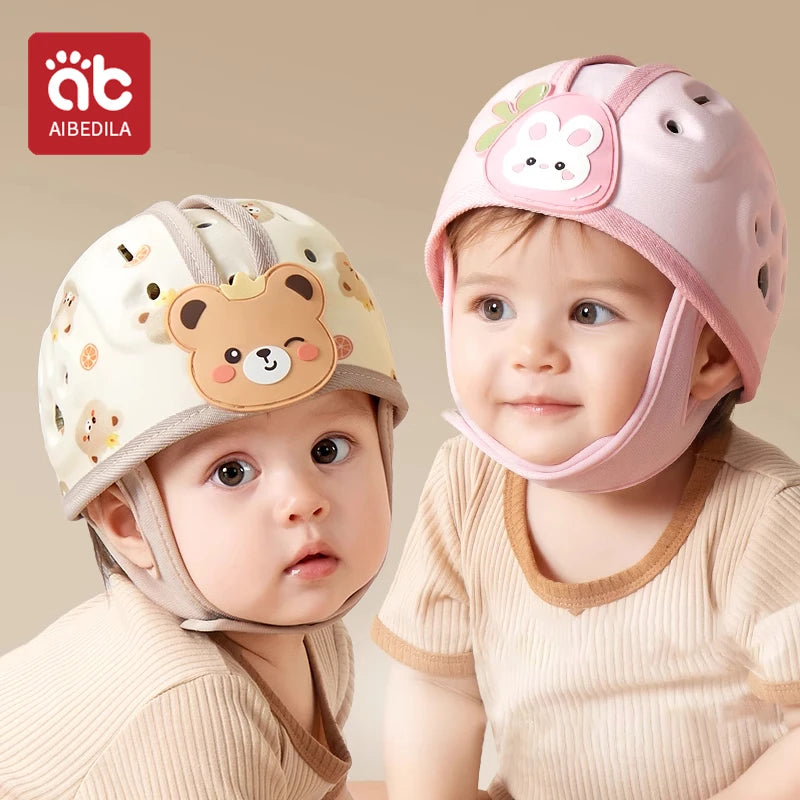
An infant protective helmet enhances infant playtime safety gear for daily use. 💡 See it in action
Frequently Asked Questions
When should babies start using infant playtime safety gear?
Many parents introduce infant playtime safety gear when babies begin sitting independently or attempting to crawl, typically around 4–6 months, depending on development.
Can safety gear replace supervision?
No. Infant safety items support injury prevention but work best alongside active supervision and a thoughtfully arranged play space.
Is infant playtime safety gear comfortable for daily use?
Well-designed options use breathable materials and adjustable fits, allowing babies to move freely and comfortably during regular play sessions.





