

How do you use a nipple shield safely while breastfeeding?
Nipple shield breastfeeding how to use starts with correct sizing, proper placement, and mindful monitoring of milk transfer. When applied correctly, a nipple guard for breastfeeding can support latch, reduce pain, and offer gentle breastfeeding nipple relief without harming supply or baby’s feeding rhythm.
Nipple Shield Breastfeeding: How to Use It Safely Step by Step
⏱ 7 min read
Nipple pain, shallow latch, or early feeding struggles can make breastfeeding feel overwhelming. If you’ve been handed a nipple shield and wondered whether it helps or hurts, you’re not alone. Used the right way, it can be a temporary tool that protects your comfort while supporting your baby’s feeding success.
Feeling unsure if you’re doing it right? Small placement changes often make the biggest difference. Keep reading to see how.
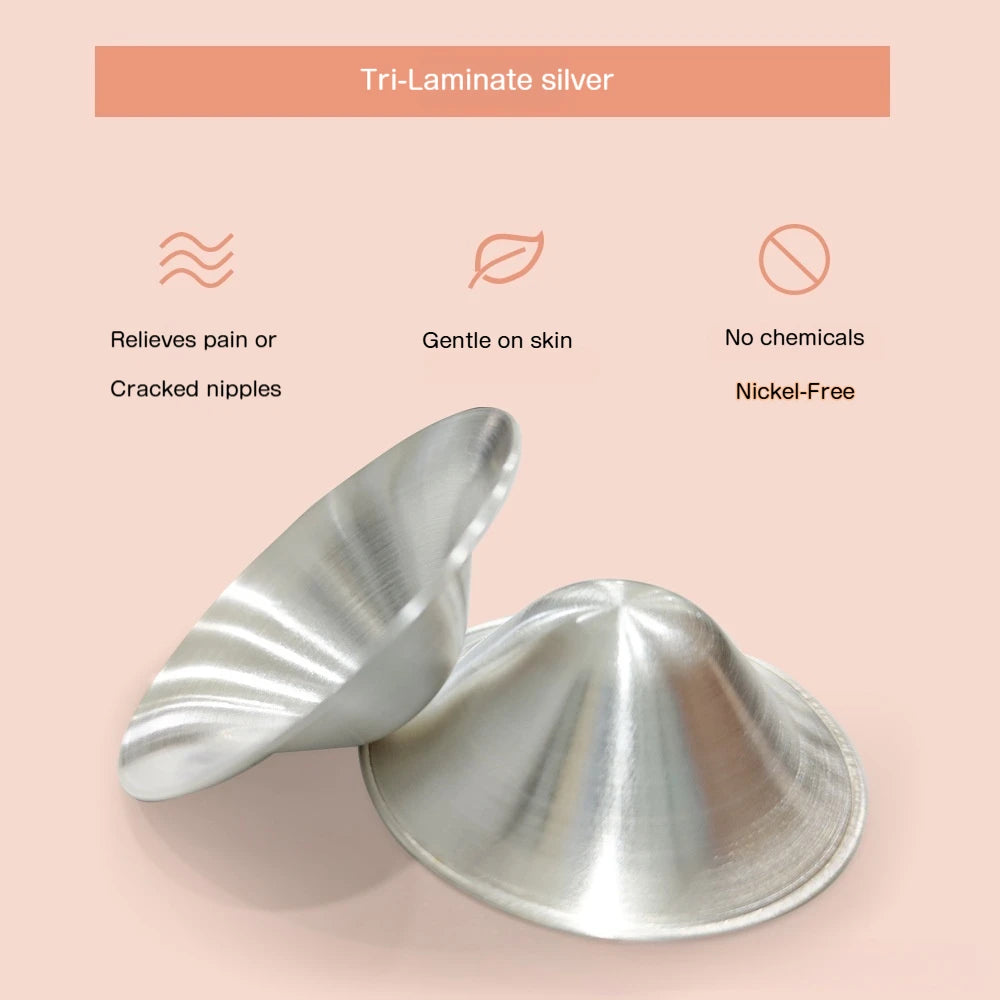
Nipple shield breastfeeding how to use for comfort and confidence 💡 See it in action
👉 Explore gentle feeding tools designed to support real-life nursing challenges.
Why Parents Use a Nipple Shield for Breastfeeding Relief
Nipple shields are often recommended when pain or latch issues threaten to derail breastfeeding early. They are not a failure—just a tool.
- Sore, cracked, or bleeding nipples
- Flat or inverted nipples
- Premature or small babies needing latch support
- Transitioning from bottle to breast
Many parents pair shields with other supportive items from Breastfeeding Aids to create a calmer, more sustainable feeding routine.
Nipple Shield Breastfeeding: How to Use Step by Step
Nipple shield breastfeeding how to use correctly means positioning it so your baby draws both the shield and areola into their mouth, allowing effective milk transfer while protecting sensitive skin.
- Wash hands and shield: Cleanliness prevents irritation and keeps baby safe.
- Moisten the rim: A few drops of water or milk help it adhere comfortably.
- Center over nipple: Stretch the tip gently so the nipple fills the tunnel.
- Flip edges outward: This creates a snug seal against the areola.
- Check latch: Baby’s lips should flange outward, not pinch the tip.
When done properly, many parents notice immediate breastfeeding nipple relief within the first few feeds.
👉 Learn simple positioning tweaks that protect comfort and feeding flow.
How to Choose the Right Nipple Shield Size
Size matters more than most parents expect. A shield that’s too small can restrict milk flow, while one that’s too large may slip.
| Shield Size | Best For | What to Watch |
|---|---|---|
| Small | Petite nipples | Pinching or blanching |
| Medium | Most parents | Stable latch |
| Large | Elastic tissue | Excess slipping |
If pain persists, reassess size or consult a lactation professional. Many families combine shields with calming essentials from Mom Essentials to support healing.
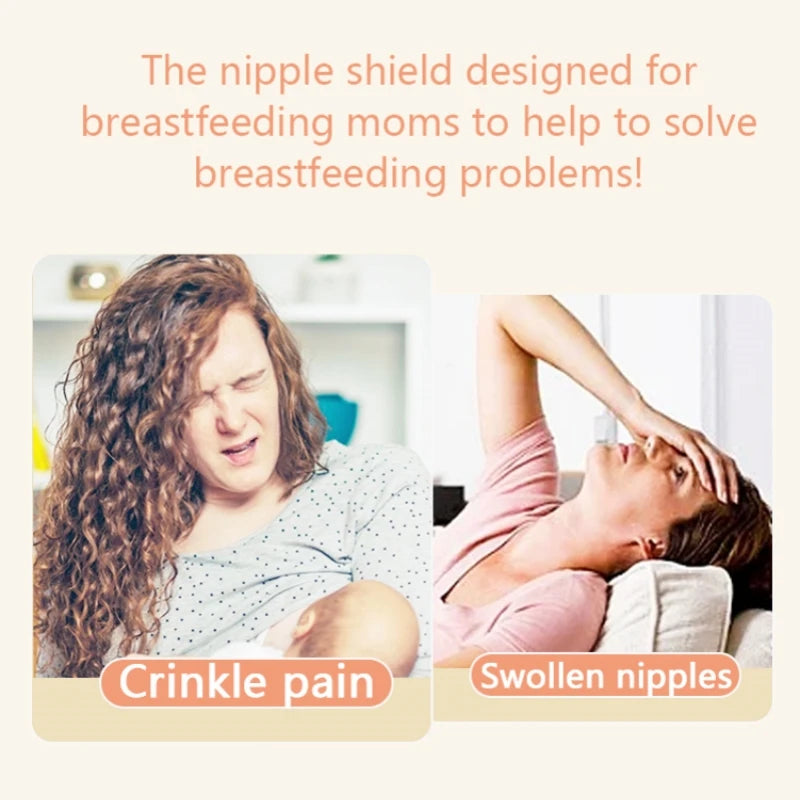
Nipple shield use guidelines that support latch and milk flow 💡 See it in action
Common Nipple Shield Mistakes That Reduce Effectiveness
- Using it long-term without reassessment
- Allowing baby to suck only the tip
- Skipping cleaning between feeds
- Ignoring milk transfer cues
Watch for swallowing sounds and steady jaw movement. Pairing mindful observation with tools from Feeding & Nursing can help parents feel more confident.
How to Gently Wean Off a Nipple Shield
Nipple shields are usually a short-term bridge. Most parents begin weaning once pain eases and latch improves.
- Start feeds with the shield, then remove mid-feed
- Offer the breast without the shield when baby is calm
- Practice skin-to-skin to encourage natural latch
- Go slowly—comfort matters
Supportive routines, good rest, and relaxation tools from Sleep & Comfort often make this transition smoother.
Daily Safety Tips for Nipple Guard Use
- Sterilize regularly, especially in early weeks
- Replace if torn or cloudy
- Monitor baby’s weight gain
- Seek help if pain continues beyond a few days
Some parents prefer advanced materials like silver-lined options such as tri-laminate silver nipple shields for added comfort during healing.
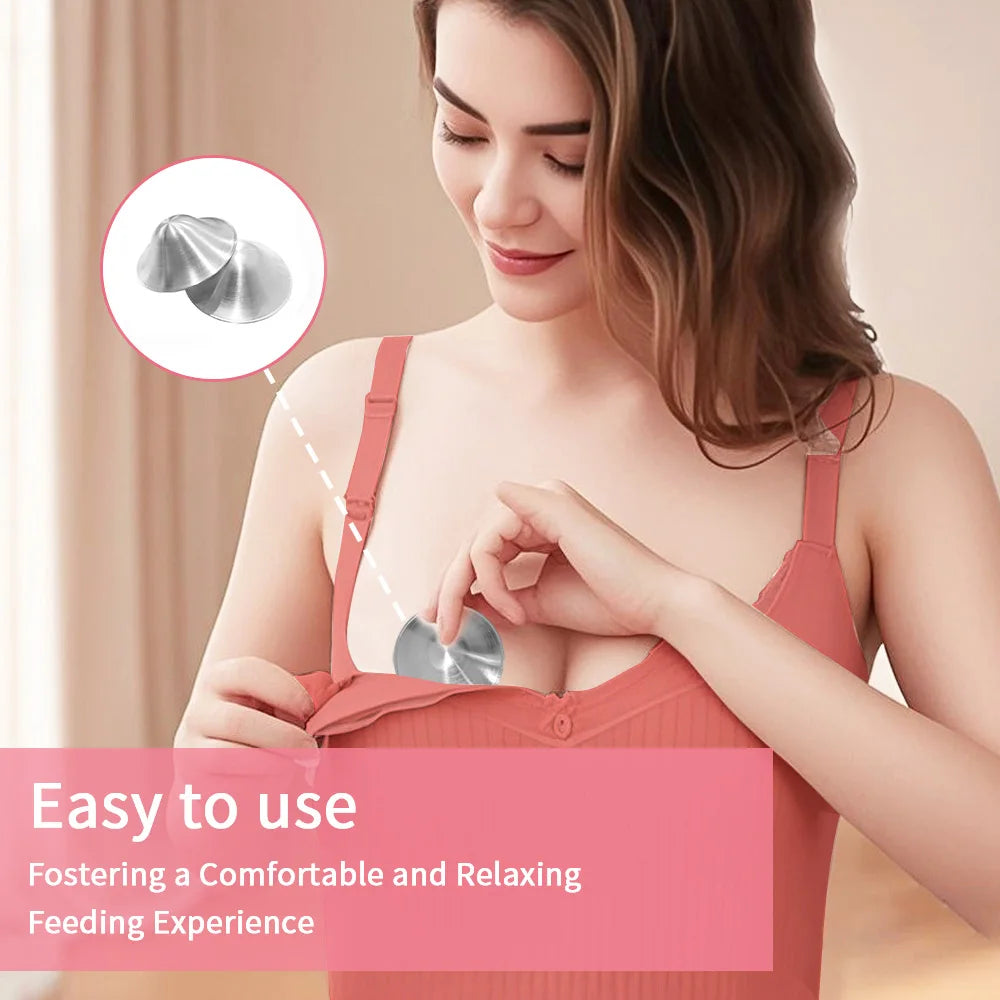
Nipple guard for breastfeeding that supports gentle nipple relief 💡 See it in action
👉 Find a comfortable feeding solution that supports healing today.
Quick Questions Parents Ask
Can nipple shields reduce milk supply?
When sized and used correctly, nipple shields typically do not reduce supply. Monitoring milk transfer and baby’s growth ensures feeding remains effective.
How long should I use a nipple shield?
Most parents use them temporarily—from days to a few weeks—until pain resolves and baby latches confidently.
Is nipple shield use safe for newborns?
Yes, when guided by proper nipple shield use guidelines and regular monitoring, they are considered safe and supportive for many newborns.
Pillar Article: Not Found
Other Related Articles:
- How to Heal a Cracked Nipple While Continuing Breastfeeding
- Nipple Care During Breastfeeding: Daily Routine That Works
- What Is a Breastfeeding Shield and When Should You Use One
- Silver Nipple Shield Benefits Compared for Pain Relief and Healing
Explore More:





