

What are toddler falling hazards at home, and can a safety helmet really help?
Toddler falling hazards at home include slippery floors, sharp furniture edges, stairs, and unstable surfaces that increase head injury risk during everyday play. Infant fall prevention starts with spotting these risks early and using infant safety items like a well-fitted protective helmet to reduce impact, support confidence, and give parents peace of mind.
Toddler Falling Hazards at Home: How to Choose the Right Helmet
⏱ 6 min read
Toddler falling hazards at home are more common than most parents expect. One moment your child is cruising along the couch, the next they stumble near a coffee table or tile floor. These everyday scares raise an important question: how can you protect your toddler without limiting their natural curiosity and growth?
Falls are a leading cause of injury in young children, especially as mobility increases faster than coordination. The good news is that infant fall prevention does not require wrapping your home in bubble wrap. With the right awareness, simple adjustments, and thoughtfully chosen infant safety items, you can create a safer environment that still allows exploration.
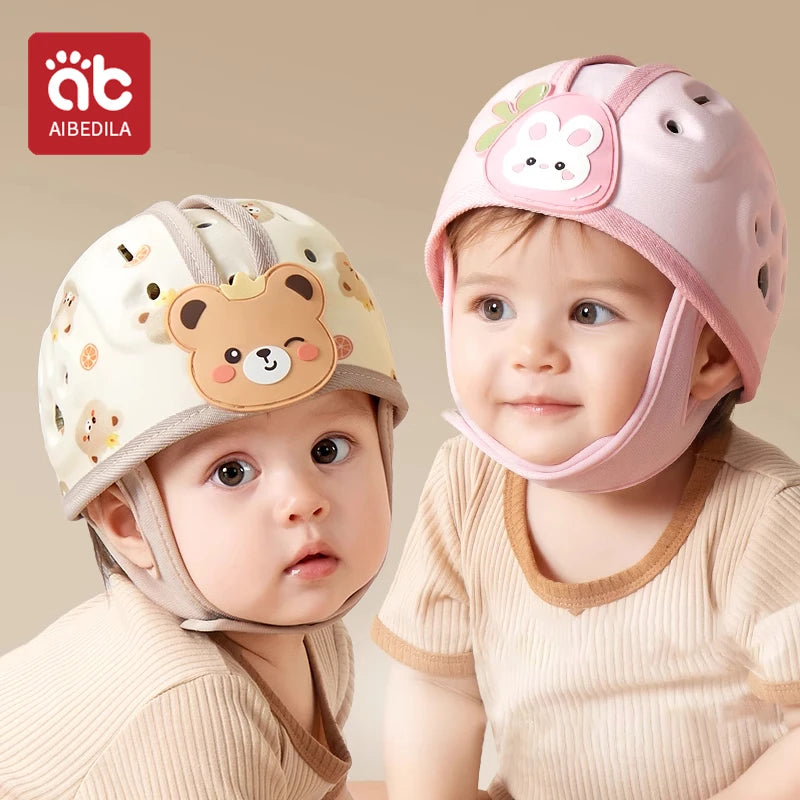
Infant fall prevention starts by understanding toddler falling hazards at home See it in action
Common Toddler Falling Hazards at Home
Toddler falling hazards at home often hide in plain sight. What feels safe to adults can be unpredictable terrain for a child still learning balance and depth.
- Slippery tile or hardwood floors, especially after cleaning
- Furniture with sharp corners or unstable legs
- Stairs without gates or handrails
- Bathroom surfaces made slick by water
- Loose rugs, toys, or clutter on walking paths
Recognizing these fall hazards at home is the first step toward effective infant fall prevention. Many parents begin with padding corners or adding gates, but head protection is often overlooked.
Why Toddlers Fall So Often (And Why It’s Normal)
Toddlers are wired to explore. As muscles strengthen and curiosity grows, judgment and coordination lag behind.
Common reasons falls happen include:
- Top-heavy body proportions that affect balance
- Sudden changes in speed or direction
- Climbing before understanding height and risk
- Distractions during play
Understanding this helps parents shift from fear to preparation. Instead of stopping movement, the goal becomes reducing injury when falls happen.
How a Toddler Safety Helmet Helps Reduce Risk
Toddler falling hazards at home pose the greatest danger to the head. A protective helmet cushions impact, especially during early walking stages or in high-risk areas.
A well-designed helmet supports infant fall prevention by absorbing shock, protecting soft skulls, and allowing children to move freely without constant restraint.
Key Benefits Parents Notice
- Reduced fear during active play
- Extra protection on hard surfaces
- Lightweight comfort for daily wear
- Peace of mind during developmental leaps
Many families pair helmets with other items from Health & Safety collections to create layered protection without overwhelm.
How to Choose the Right Helmet for Your Child
Not all helmets are created equal. Choosing the right one means matching protection to your child’s habits, environment, and comfort needs.
- Fit and adjustability: Look for soft, adjustable straps that grow with your child.
- Lightweight materials: Heavy helmets discourage wear and movement.
- Breathable padding: Prevents overheating during play.
- Coverage: Ensure protection around the forehead, sides, and back.
A toddler who enjoys climbing furniture may benefit more than a cautious crawler. Matching the helmet to activity level personalizes safety.
Parents often explore complementary items in Baby Care Essentials for a balanced safety routine.
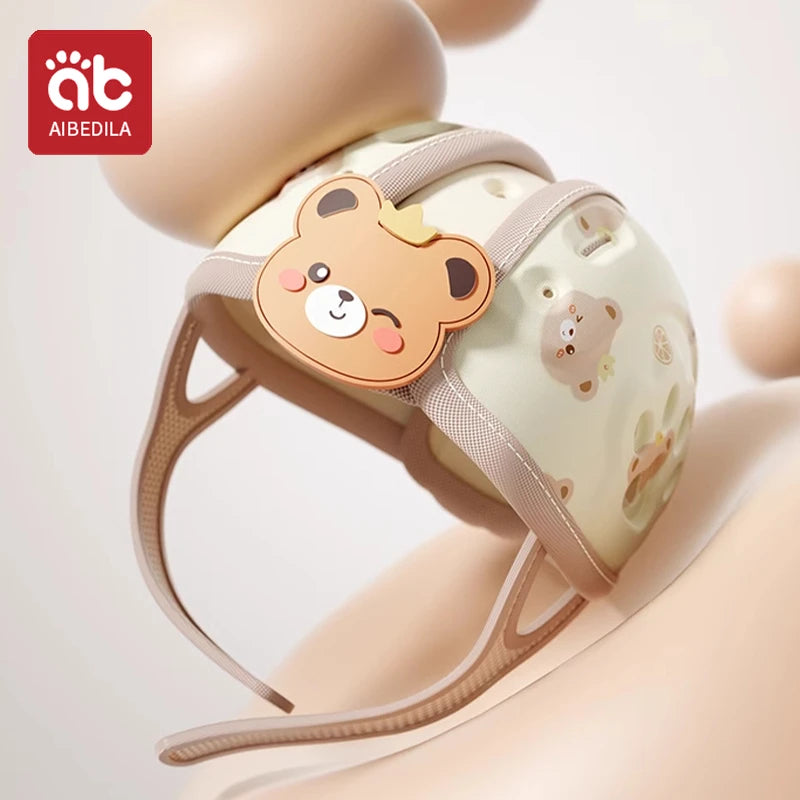
Choosing infant safety items that fit your toddler’s activity level See it in action
Room-by-Room Infant Fall Prevention Tips
Every room presents unique fall hazards at home. Addressing them individually makes prevention manageable.
Living Room
- Secure heavy furniture to walls
- Pad sharp edges
- Use a helmet during early walking stages
Bathroom
- Non-slip mats in tubs and sinks
- Supervised play only
- Pair helmets with items from Baby Bath Accessories
Bedroom and Play Areas
- Clear floors of small toys
- Use soft rugs
- Encourage helmet wear during climbing phases
Consistency across rooms helps toddlers adapt quickly and feel secure.
Real Parent Experiences: Confidence After Protection
Many parents report noticeable changes after adding a safety helmet to daily routines.
“My son was fearless but clumsy,” shares one parent. “Once he wore the helmet, I relaxed, and he explored more confidently.”
Another parent noted fewer tears and quicker recovery after slips on tile floors.
These stories highlight how infant safety items can support both physical protection and emotional ease for families.
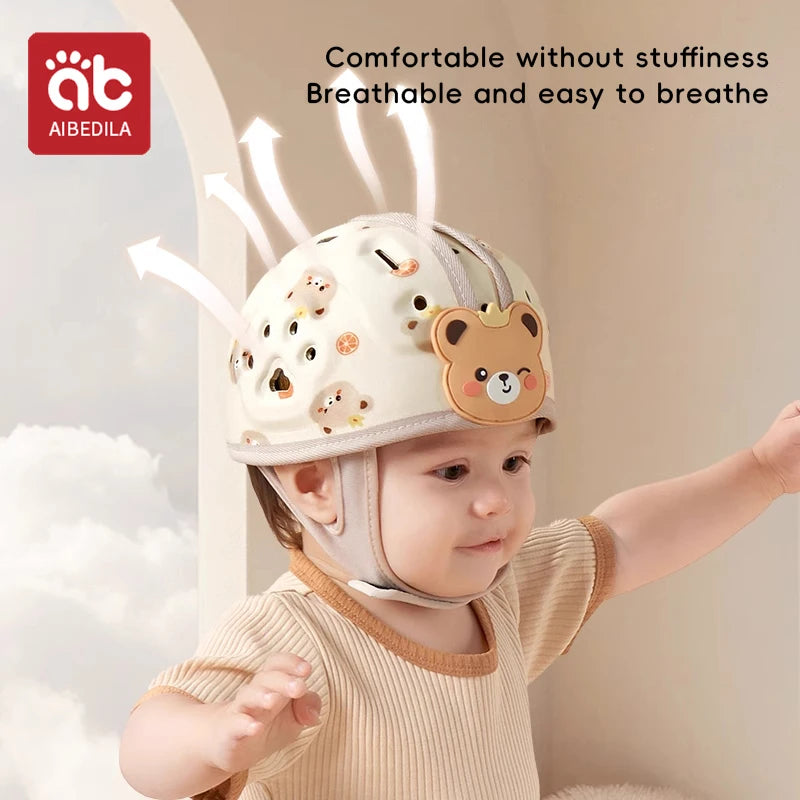
Toddler safety helmet use builds confidence and comfort See it in action
Frequently Asked Questions
Are toddler safety helmets safe for daily use?
Yes. Helmets designed for indoor use are lightweight, breathable, and intended for regular wear during high-risk activity periods.
At what age should a toddler wear a helmet at home?
Many parents consider helmets during early crawling, standing, and walking phases when falls are most frequent.
Can helmets replace other safety measures?
No. Helmets work best alongside home childproofing, supervision, and other infant fall prevention strategies.
UPGRADE PLAN { "outline": [ { "action": "MODIFY", "h2": "Toddler Falling Hazards at Home: What Parents Need to Know", "h3": [], "focus": [ "Define common household fall hazards", "Explain why falls are a leading cause of toddler injuries", "Set expectations for prevention instead of elimination", "Introduce room-by-room approach" ], "keywords": [ "toddler falling hazards at home", "fall hazards at home", "child fall safety" ] }, { "action": "ADD", "h2": "Why Toddlers Are More Likely to Fall", "h3": [ "New Walkers (9–18 Months)", "Older Toddlers (18–36 Months)" ], "focus": [ "Developmental milestones", "Risk-taking behavior", "Balance and coordination", "Age-specific supervision" ], "keywords": [ "toddler fall prevention", "infant fall prevention", "home fall risks for toddlers" ] }, { "action": "MODIFY", "h2": "Common Toddler Falling Hazards at Home", "h3": [ "Stairs", "Furniture", "Windows and Balconies", "Bathrooms", "Kitchens", "Play Areas" ], "focus": [ "Prioritize highest-risk hazards", "Explain why each hazard is dangerous", "Most common injury scenarios", "Quick prevention measures" ], "keywords": [ "toddler falling hazards at home", "fall hazards at home", "toddler home safety" ] }, { "action": "REMOVE", "h2": "How a Toddler Safety Helmet Helps Reduce Risk", "h3": [], "focus": [], "keywords": [] }, { "action": "REMOVE", "h2": "How to Choose the Right Helmet for Your Child", "h3": [], "focus": [], "keywords": [] }, { "action": "MODIFY", "h2": "Room-by-Room Toddler Fall Prevention Checklist", "h3": [ "Living Room", "Bedroom", "Bathroom", "Kitchen", "Stairs and Hallways", "Outdoor Play Areas" ], "focus": [ "Hazard checklist", "Simple childproofing actions", "Safe furniture placement", "Supervision reminders" ], "keywords": [ "preventing falls at home", "toddler home safety", "child fall safety" ] }, { "action": "ADD", "h2": "Essential Infant Safety Items That Help Prevent Falls", "h3": [], "focus": [ "Safety gates", "Window guards", "Furniture anchors", "Non-slip mats" ], "keywords": [ "infant safety items", "infant fall prevention", "toddler fall prevention" ] }, { "action": "ADD", "h2": "When a Toddler Falls: Signs You Should Seek Medical Care", "h3": [], "focus": [ "Normal vs concerning symptoms", "Head injury warning signs", "When to call emergency services", "Home observation tips" ], "keywords": [ "child fall safety", "toddler falling hazards at home" ] }, { "action": "REMOVE", "h2": "Real Parent Experiences: Confidence After Protection", "h3": [], "focus": [], "keywords": [] }, { "action": "MODIFY", "h2": "Frequently Asked Questions", "h3": [ "What are the biggest fall hazards for toddlers at home?", "How can I prevent my toddler from falling down stairs?", "Do furniture anchors reduce fall injuries?", "Should toddlers wear helmets at home?", "When should I take my child to a doctor after a fall?" ], "focus": [ "Answer common prevention questions", "Clarify product misconceptions", "Reinforce supervision", "Direct readers to medical care when appropriate" ], "keywords": [ "toddler fall prevention", "preventing falls at home" ] } ], "internal_links": [ "Complete Babyproofing Checklist by Room", "How to Anchor Furniture Safely", "Best Safety Gates for Stairs", "Window Safety Tips for Families", "Bathroom Safety for Toddlers", "Toy Storage Safety Guide", "Creating a Safe Playroom", "Head Injury First Aid for Children" ], "faq": [ "What are the most common toddler falling hazards at home?", "How can I reduce fall hazards in every room?", "What age are toddlers most likely to fall?", "Do safety gates prevent most stair falls?", "What infant safety items help prevent falls?", "When is a fall serious enough to see a doctor?", "Should toddlers wear helmets inside the house?", "How often should I check my home for new fall hazards?" ], "trim": [ "Helmet-focused buying guide", "Product-centric benefit section", "Parent testimonials", "Promotional product language", "Repeated explanations about helmet use" ] } RULES - Apply every instruction in the Upgrade Plan. - Keep all existing affiliate links unchanged. - Keep all existing internal links unchanged. - Keep all existing image URLs unchanged. - Preserve sections such as Related Articles, Related Posts and Recommended Reading. - Avoid duplicate headings. - Insert new sections only where specified. - Improve clarity, topical coverage, EEAT and readability. - Expand weak sections only when required. - Use natural keyword placement. - Keep semantic HTML clean. YEAR UPDATE If visible article text contains "2005", replace it with "2026". Do not modify years inside: - URLs - href attributes - image filenames OUTPUT REQUIREMENTS Return ONLY the final upgraded HTML article. The output must be valid HTML and ready to publish. Do NOT return: - Markdown - Explanations - Notes - Code fences - JSON - XML Return the HTML beginning with the first HTML element and ending with the last HTML element.





