

When to Start Sleep Training: Age-by-Age Readiness Guide for Babies
One of the most confusing challenges new parents face is not just how to sleep train—but when to start sleep training at all. Advice online is often contradictory: some sources suggest starting as early as newborn stage, while others strongly discourage any structured approach until several months later. This uncertainty can lead to stress, inconsistency, and repeated failed attempts.
The truth is that successful sleep training is far less about hitting a perfect age milestone and far more about developmental readiness. Babies change rapidly in the first year of life, and sleep ability evolves alongside neurological growth, feeding patterns, and emotional regulation.
This guide introduces a practical Sleep Training Readiness Framework based on developmental, behavioral, and environmental cues. Instead of guessing the “right age,” parents can confidently evaluate whether their baby is actually ready—and avoid starting too early or too late.
What Is the Best Age to Start Sleep Training?

Most pediatric sleep guidance and infant sleep consultants suggest that the most common and developmentally appropriate window for sleep training is between 4 and 6 months. At this stage, babies typically begin developing more stable circadian rhythms, longer nighttime sleep stretches, and reduced need for frequent overnight feeding.
However, age alone should never be the only factor. Two babies of the same age can have completely different sleep readiness levels depending on temperament, feeding needs, and daily routines.
Typical Sleep Training Age Recommendations
Here is a general developmental overview used by many sleep experts:
- 0–3 months: Not recommended for formal sleep training due to biological sleep and feeding needs
- 3–4 months: Early routine-building phase (no structured training yet)
- 4–6 months: Most common sleep training window
- 6–9 months: Possible, but affected by regressions and separation awareness
- 9–12 months: Still effective, but requires consistency and adjustment
- 12+ months: Sleep training is still possible with toddler adaptations
Why Timing Matters for Sleep Training Success
Sleep training works best when a baby’s biology and environment are aligned. At around 4–6 months, circadian rhythm development becomes more predictable, allowing longer nighttime sleep cycles. Before this stage, frequent feeding needs and immature sleep architecture make structured training inconsistent and often frustrating.
Timing also affects parental consistency. Starting too early often leads to stopping and restarting, which can confuse sleep associations rather than improve them.
Understanding the Sleep Training Readiness Framework

Instead of relying solely on age, the Sleep Training Readiness Framework evaluates three key domains: developmental signs, behavioral cues, and environmental stability. When all three align, sleep training success rates increase significantly.
Developmental Readiness Signs
Developmental readiness refers to neurological and physical maturity. Key indicators include longer sleep cycles, reduced startle reflex, and more predictable feeding patterns. Babies begin transitioning from newborn sleep (highly fragmented) to infant sleep (more structured cycles).
Behavioral Readiness Signs
Behavioral cues are often the most noticeable for parents. These include:
- More consistent wake windows
- Predictable bedtime fussiness patterns
- Emerging self-soothing behaviors (thumb sucking, settling briefly alone)
- Reduced dependence on feeding to fall asleep every time
Environmental Readiness Factors
A baby’s environment plays a major role in sleep stability. Consistent bedtime routines, predictable caregiver responses, and a calm sleep space all contribute to readiness. Disruptions such as travel, illness, or major routine changes can temporarily delay optimal training timing.
Quick Readiness Checklist for Parents
- My baby is at least 4 months old (or showing pediatric readiness cues)
- Night feedings are no longer frequent every 1–2 hours
- Daytime naps are somewhat predictable
- Bedtime routine is consistent for at least 1–2 weeks
- No major disruptions (travel, illness, regression phase)
Age-by-Age Sleep Training Guide
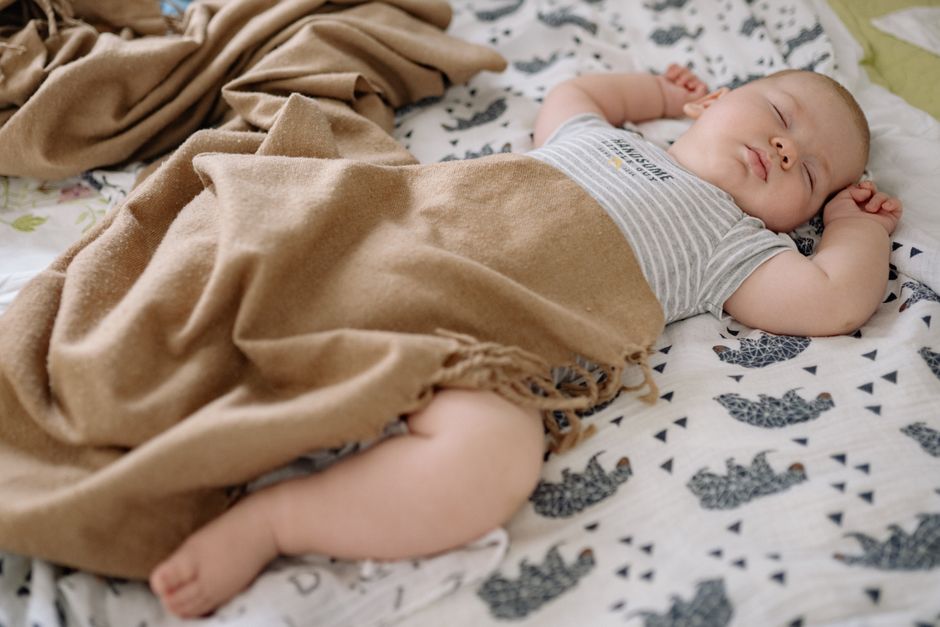
Understanding sleep development across age stages helps parents choose the right approach and avoid unrealistic expectations. Each stage reflects different neurological and behavioral capacities.
0–3 Months: Why Newborn Sleep Training Is Not Recommended
During the newborn stage, sleep is biologically irregular and driven primarily by feeding needs rather than circadian rhythm. Attempting structured sleep training at this stage often leads to frustration, as infants are not neurologically prepared to self-soothe consistently.
Instead of training, focus on comfort, feeding responsiveness, and gentle sleep exposure.
3–4 Months: Early Sleep Foundations Before Formal Training
This phase is ideal for introducing gentle routines such as consistent bedtime cues, dim lighting, and wind-down rituals. While not formal sleep training, this stage lays the foundation for future success.
4–6 Months: The Most Common Sleep Training Window
At this stage, many babies are developmentally ready for structured sleep learning. Some parents choose gentle methods, while others introduce more structured approaches depending on comfort level.
Comfort tools can support this transition period. For example, some parents use calming sensory aids such as a soothing motion device like the Baby Sleep Soother with Gentle Patting to help reinforce bedtime consistency during early training phases.

6–9 Months: Managing Sleep Regressions and Stronger Sleep Associations
Babies in this stage often experience sleep regressions linked to developmental milestones such as crawling and object permanence. These changes can temporarily disrupt sleep even after successful training.
9–12 Months: Sleep Training Older Babies
Separation anxiety becomes more prominent, and babies may resist bedtime more strongly. Consistency is key during this phase, along with maintaining predictable routines.
12+ Months: Is It Too Late to Sleep Train?
It is never too late to improve sleep habits. However, toddlers require adjusted strategies that take into account stronger emotional awareness and behavioral independence.
| Age Range | Sleep Ability | Recommended Approach |
| 0–3 months | Biologically irregular sleep | No formal training |
| 4–6 months | Developing rhythm | Gentle to structured training |
| 6–9 months | Regression-prone | Consistency-focused methods |
| 9–12 months | High awareness | Routine reinforcement |
Signs Your Baby May Not Be Ready for Sleep Training Yet

Starting sleep training at the wrong time is one of the most common reasons it fails. Recognizing “not ready yet” signals can prevent unnecessary stress.
Frequent Overnight Feeding Needs
If your baby still requires regular overnight feeding every 1–2 hours, their nutritional needs may still be developmentally appropriate for that stage.
Irregular Sleep Patterns and Wake Windows
Highly unpredictable sleep patterns often indicate that circadian rhythm development is still in progress.
Major Developmental or Environmental Disruptions
Teething, illness, travel, or daycare transitions can temporarily disrupt sleep stability. In these cases, pausing training is often more effective than pushing through.
“Sleep training success depends less on method and more on timing. When a baby’s developmental readiness aligns with a consistent environment, sleep learning becomes significantly smoother and less stressful for both parent and child.”
Popular Sleep Training Methods by Age and Temperament
Different babies respond differently to sleep training approaches. Matching method to temperament and developmental stage is more effective than using a one-size-fits-all strategy.
Gentle Sleep Training Methods
Gentle approaches focus on gradual transitions, responsive soothing, and reduced crying. These are often preferred in early infancy stages or for sensitive temperaments.
Explore related parenting guidance in our Baby Care Tips & Advice collection and supportive routines in the Sleep & Comfort collection.
Structured Sleep Training Methods
Structured methods introduce more defined intervals and consistency rules. These approaches often work well when developmental readiness is clearly established (typically after 4–6 months).
How to Choose the Right Method for Your Baby
The best method depends on three factors: age, temperament, and parental comfort. Sensitive babies often respond better to gradual methods, while more adaptable infants may adjust quickly to structured routines.
What to Do If Sleep Training Is Not Working
Sleep training can fail temporarily for many reasons, and this does not mean it will never work. The most common issues are timing mismatch, inconsistent routines, or overlooked sleep regressions.
Understanding these challenges helps parents adjust expectations and improve outcomes without giving up entirely.
Common Reasons Sleep Training Fails
- Inconsistent bedtime routine
- Overtired or undertired baby
- Starting during a developmental regression
- Frequent changes in caregiver response
When to Pause and Try Again Later
If sleep disruptions increase significantly or your baby shows extreme distress, pausing for 5–10 days may reset sleep associations before restarting.
How Long Sleep Training Usually Takes
Most babies show improvement within 3–14 days, depending on method consistency and developmental readiness.
For families needing additional comfort support during this stage, calming tools like a structured soothing aid such as the Breastfeeding Arm Pillow for Newborn Comfort & Support can help maintain consistent feeding-to-sleep routines.

Building a Healthy Sleep Foundation Before Training

Before formal sleep training begins, building a stable sleep foundation is essential. This reduces resistance and increases consistency once training starts.
Creating a Consistent Bedtime Routine
A predictable bedtime routine signals to the baby that sleep is approaching. Repetition builds strong associations that support circadian rhythm development.
Optimizing the Baby Sleep Environment
A calm sleep environment is critical. Darkness, white noise, and stable temperature all contribute to better sleep continuity.
Explore supportive environment tools in our Sleep & Comfort collection and calming sleep aids in the Health & Safety collection.
Understanding Wake Windows by Age
Wake windows gradually increase as babies grow. Respecting these windows prevents overtiredness, which is one of the biggest causes of sleep resistance.
| Age | Average Wake Window |
| 0–3 months | 45–90 minutes |
| 4–6 months | 1.5–2.5 hours |
| 6–9 months | 2–3 hours |
| 9–12 months | 3–4 hours |
Common Sleep Training Myths Parents Should Ignore
Misconceptions about sleep training often create unnecessary fear and delay progress. Clearing these myths helps parents make more informed decisions.
Myth: Earlier Sleep Training Always Works Better
Starting too early often leads to inconsistent results due to immature sleep biology.
Myth: Sleep Training Harms Attachment
Research-informed pediatric perspectives emphasize that consistent, responsive caregiving—not nighttime sleep methods—shapes secure attachment.
Myth: If It Fails Once, It Will Never Work
Sleep training often requires adjustment. Timing, consistency, and method alignment are more important than first-attempt success.
FAQ: Age Sleep Training and Baby Sleep Readiness
What is the best age to start sleep training a baby?
Most babies are developmentally ready between 4–6 months, but readiness signs matter more than exact age.
Can you start sleep training a newborn?
No. Newborn sleep is biologically irregular and not suitable for structured training.
How do I know my baby is ready?
Look for longer sleep stretches, consistent routines, and reduced overnight feeding needs.
What if sleep training is not working?
Check timing, consistency, and possible regressions, and consider pausing before restarting.
Is 6 months too late?
No. 6 months is actually within the most common and effective sleep training window.
How long does it take?
Most families see progress within 1–2 weeks with consistent routines.
Do babies naturally learn to self-soothe?
Some do gradually over time, but structured support often helps establish consistency faster.
Conclusion
There is no single perfect age to begin sleep training. Instead, success depends on aligning developmental readiness, consistent routines, and a supportive sleep environment. Babies change rapidly during their first year, and what works one month may not work the next.
Parents who focus on readiness signals—not pressure to meet a specific timeline—tend to experience smoother transitions and more sustainable sleep improvements over time.
Explore supportive resources across our Baby Care Essentials collection and Mom Essentials collection to build a calmer, more consistent bedtime routine for your family.
Pillar Article: Infant Sleep Training Methods: Gentle System for Better Night Sleep





