

Bad Weather Safety Tips for Families: The Complete All-Season Guide
Weather can shift quickly throughout the year, bringing everything from extreme summer heat and thunderstorms to freezing winter winds, heavy rain, and sudden air quality changes. For families with babies and young children, these shifts matter even more because children’s bodies regulate temperature less efficiently and respond faster to environmental stress.
This comprehensive guide breaks down essential bad weather safety tips for families, including age-specific advice for infants and toddlers, seasonal protection strategies, and practical emergency preparedness steps you can use year-round.
What Are Bad Weather Safety Tips for Families? Quick Safety Checklist

Before diving into seasonal breakdowns, here are the most important universal safety rules every parent should follow during extreme or unpredictable weather conditions.
The 10 Most Important Family Weather Safety Rules
- Always check the weather forecast before leaving home.
- Dress children in layers appropriate for the temperature and humidity.
- Keep infants hydrated regularly, even in cooler weather.
- Avoid direct sun exposure during peak UV hours (10am–4pm).
- Never leave children in parked cars, even briefly.
- Bring rain protection during storm-prone seasons.
- Limit outdoor activity during extreme heat or cold warnings.
- Monitor signs of overheating or chills in babies frequently.
- Keep emergency supplies accessible at all times.
- Adjust activity plans based on air quality alerts.
Why Children and Babies Face Higher Weather Risks
Infants and toddlers are more vulnerable because they lose heat faster, sweat less efficiently, and cannot communicate discomfort clearly. Their smaller body mass also makes them more susceptible to dehydration, hypothermia, and heat stress.
For more family safety insights, explore our Health & Safety Tips and Baby Care Tips & Advice collections.
Understanding Weather Risks That Affect Families Year-Round

Different weather conditions create unique risks for children. Understanding these hazards helps parents react early and prevent emergencies.
Heat Exhaustion, Heat Stroke, and Dehydration
High temperatures combined with humidity can quickly overwhelm a child’s ability to cool down. Symptoms include fatigue, flushed skin, dizziness, and irritability.
Wind Chill and Hypothermia Risks
Cold wind accelerates heat loss, making outdoor conditions feel colder than actual temperature readings.
Lightning and Thunderstorm Dangers
Lightning can strike even when storms appear distant. Outdoor exposure during thunderstorms is one of the highest-risk weather situations.
Flash Flood and Heavy Rain Hazards
Floodwaters can rise rapidly and are deceptively strong. Even shallow water can be dangerous for children.
UV Index and Sun Exposure Risks
High UV exposure increases the risk of sunburn and long-term skin damage in children.
Air Quality Index and Respiratory Concerns
Poor air quality from pollution or smoke can aggravate asthma and breathing issues in young children.
Summer Weather Safety Tips for Families

Summer introduces some of the highest weather-related risks for children, especially heat stress and dehydration. Proper planning and lightweight gear can make outdoor activities much safer.
How to Stay Safe in Heat and Extreme Temperatures
Keep children in shaded environments, encourage frequent water intake, and avoid outdoor play during peak heat hours. Lightweight, breathable fabrics are essential.
Baby Overheating Prevention Guide
Babies should always be dressed in light cotton clothing and monitored for signs of overheating such as redness, rapid breathing, or excessive fussiness.
Recognizing Early Signs of Heat Exhaustion
- Heavy sweating
- Weakness or fatigue
- Pale skin
- Headache
Heat Stroke Symptoms That Require Immediate Action
Heat stroke is a medical emergency. Symptoms include confusion, high body temperature, and lack of sweating.
Heat Rash Prevention for Babies and Young Children
Keep skin dry, avoid tight clothing, and ensure airflow around the neck and back areas.
Hydration Strategies for Different Age Groups
Infants rely on breast milk or formula, while toddlers need frequent water breaks throughout outdoor play.
Outdoor Activity Safety During Summer
Always check UV index levels and plan outdoor play early in the morning or late afternoon.
Summer Nursing Comfort for Moms and Babies
Breastfeeding in hot weather can be challenging due to heat buildup and lack of airflow. Breathable, lightweight coverings can make a significant difference in comfort and privacy during outdoor feeding sessions.
Breathable Nursing Cover – Lightweight Summer Privacy Shield

This type of lightweight cover supports airflow while maintaining privacy, especially useful during travel or outdoor activities.
Explore more supportive essentials in our Feeding & Nursing and Mom Essentials collections.
Winter Weather Safety for Babies, Toddlers, and Children

Cold weather brings risks such as hypothermia, dry skin, and respiratory strain. The goal in winter is warmth without overheating.
How to Keep Your Baby Warm Safely
Use layered clothing instead of heavy single garments. Always ensure the baby’s head and extremities are covered during outdoor exposure.
Winter Layering Guide by Age Group
- Newborns: soft base layer + insulated mid layer + outer blanket
- Infants: breathable cotton + fleece layer + windproof jacket
- Toddlers: flexible layers allowing movement and temperature adjustment
Preventing Cold-Related Illnesses
Keep indoor humidity balanced and avoid sudden temperature transitions when going outside.
Understanding Wind Chill and Exposure Risks
Wind chill can make mild temperatures feel dangerously cold, increasing risk of frostbite on exposed skin.
Recognizing Signs of Hypothermia
- Shivering
- Pale skin
- Slowed movement
- Low energy or drowsiness
Rain, Storm, and Lightning Safety for Families

Storms are unpredictable and require fast decision-making, especially when traveling with children.
What to Do During a Thunderstorm
Stay indoors, avoid metal objects, and unplug unnecessary electronics when possible.
Lightning Safety During Outdoor Activities
If thunder is heard, immediately move indoors. Lightning can strike miles away from the storm center.
Heavy Rain and Flash Flood Safety Rules
Avoid walking or driving through flooded roads. Water depth can be misleading and dangerous.
Travel and School Commute Safety During Storms
Always plan alternate routes and ensure children are dressed in waterproof outerwear during rainy seasons.
Explore protective gear in our Health & Safety and Baby Care Essentials collections.
Seasonal Allergy, Air Quality, and Environmental Weather Concerns

Monitoring the Air Quality Index
When AQI levels rise, reduce outdoor time and keep windows closed during peak pollution hours.
Managing Seasonal Allergies in Children
Shower children after outdoor play and wash clothing frequently during pollen-heavy seasons.
Wildfire Smoke and Pollution Precautions
Use indoor air filtration and limit physical activity when smoke levels are high.
When Outdoor Activities Should Be Limited
If AQI exceeds safe thresholds, switch to indoor play and avoid prolonged exposure.
Weather Safety Symptom Recognition Comparison Table

| Condition | Early Symptoms | Severe Warning Signs |
|---|---|---|
| Heat Exhaustion | Fatigue, sweating, thirst | Dizziness, nausea, weakness |
| Heat Stroke | Hot skin, confusion | High fever, unconsciousness |
| Hypothermia | Shivering, cold skin | Slurred speech, drowsiness |
| Dehydration | Dry mouth, irritability | No urination, lethargy |
“Children are significantly more vulnerable to temperature extremes due to faster fluid loss and reduced thermoregulation capacity. Early intervention is key in preventing serious weather-related illness.” — Pediatric Environmental Health Specialist
Building a Family Weather Emergency Preparedness Plan
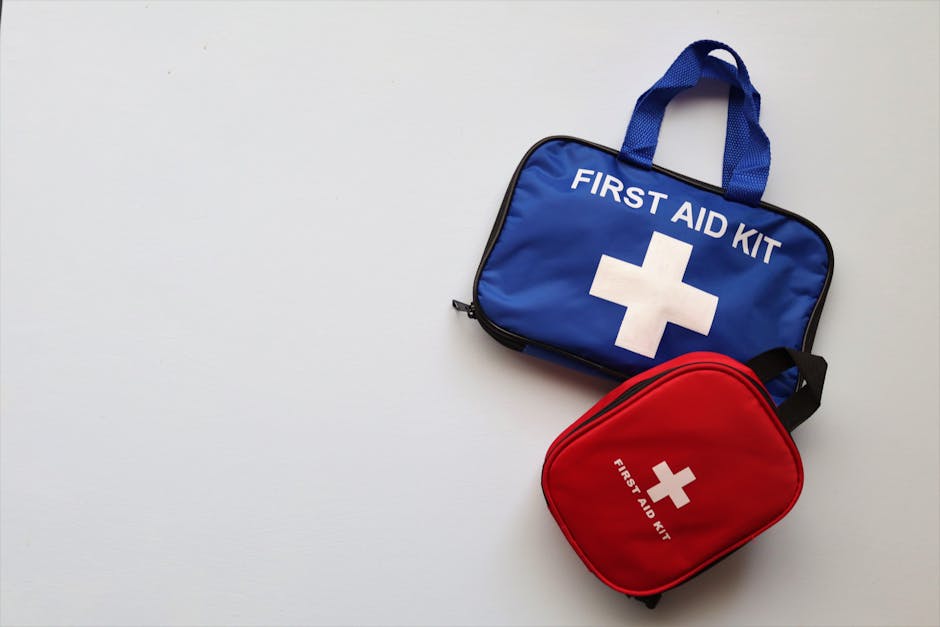
Preparation is the most effective way to reduce weather-related risks. A simple plan can significantly improve safety during unexpected events.
How to Create a Family Emergency Communication Plan
Assign meeting points, emergency contacts, and backup communication methods.
Emergency Preparedness Kit Essentials
Include water, basic medications, flashlights, blankets, and child-specific supplies.
Emergency Supplies for Babies and Toddlers
Extra formula, diapers, wipes, and comfort items are essential.
72-Hour Weather Emergency Checklist
Prepare enough supplies to last at least three days without external assistance.
Preparing for Power Outages
Keep battery-powered lights and portable chargers accessible at all times.
Explore safety essentials in our Health & Safety and Temperature Tools collections.
Safe Outdoor Play During Emergencies
Even during disruptions, children need safe and comfortable play environments.
Foldable Baby Play Mat – Waterproof, Soft & Outdoor Safe

This portable play surface creates a clean, safe area for babies during outdoor emergencies, travel disruptions, or temporary shelter situations.
Family Weather Safety Action Plans by Season

Spring Safety Action Plan
Focus on allergy management, rain preparedness, and temperature fluctuations.
Summer Safety Action Plan
Prioritize hydration, sun protection, and heat exposure control.
Fall Safety Action Plan
Prepare for temperature drops and increased respiratory risks.
Winter Safety Action Plan
Focus on layering, indoor humidity control, and frostbite prevention.
Explore seasonal readiness in our Baby Growth & Learning collection.
FAQ: Bad Weather Safety Tips for Families
What are the most important bad weather safety tips for families?
Monitoring forecasts, dressing appropriately, and limiting exposure during extreme conditions are key.
How can I keep my baby cool during extreme heat?
Use lightweight clothing, shade, hydration, and avoid peak sunlight hours.
How do I keep my baby warm safely in cold weather?
Use layered clothing and ensure head and extremities are protected.
What should families do during thunderstorms and lightning?
Stay indoors immediately and avoid open areas or tall objects.
What items should be included in a family weather emergency kit?
Water, food, medications, lighting, blankets, and baby essentials.
What are the signs of heat exhaustion in children?
Fatigue, sweating, dizziness, and irritability.
How can parents prevent heat rash in babies?
Keep skin dry, avoid tight clothing, and ensure ventilation.
When is it unsafe for children to play outside due to air quality?
When AQI levels are high or unhealthy according to local advisories.
What should families do during a flash flood warning?
Move to higher ground and avoid all floodwater contact.
How often should emergency kits be updated?
At least every 6 months or seasonally.
Conclusion: Building Year-Round Weather Safety Habits
Weather safety is not a seasonal concern—it is a year-round responsibility for families. By understanding environmental risks, recognizing early warning signs, and preparing practical emergency plans, parents can significantly reduce health and safety risks for babies and children.
Explore more expert guidance in our Health & Safety Tips and Health & Safety collections to build a safer, more prepared home environment.
Pillar Article: How to Dress Baby for Winter: Complete Seasonal Clothing & Weather Safety Guide





