

Best Diapers for Sensitive Skin (2026): Ultimate Buying Guide for Newborns & Babies
When your baby develops redness, irritation, or recurring diaper rash, every diaper change suddenly feels stressful. Sensitive skin in infants reacts quickly to moisture, friction, and even trace chemicals in diapers that would normally go unnoticed. For many parents, the challenge isn’t just finding a diaper—it’s finding one that truly protects delicate skin while keeping baby dry, comfortable, and rash-free.
This comprehensive guide breaks down everything you need to know about choosing the best diapers for sensitive skin, from identifying irritants and comparing materials to building a complete diapering routine that reduces rash risk. You’ll also learn newborn-specific strategies, sizing guidance, and how to decide between cloth and disposable options based on your baby’s skin needs.
Why Sensitive Skin Needs Specialized Diapers

Baby skin is significantly thinner, more permeable, and more reactive than adult skin. This means moisture, friction, and chemical exposure have a much stronger impact. Standard diapers may contain fragrances, dyes, or absorbent materials that can trigger irritation in babies with sensitive skin.
Choosing specialized diapers designed for sensitivity helps reduce exposure to irritants while maintaining breathability and moisture control. This is especially important during the newborn stage, when skin barriers are still developing.
How Baby Skin Differs from Adult Skin
Infant skin loses moisture more quickly and absorbs external substances more easily. The protective outer layer is still forming, making it vulnerable to friction from diapers and prolonged contact with urine or stool. This is why even small changes in diaper quality or fit can lead to noticeable skin reactions.
Common Symptoms of Sensitivity and Diaper Rash
- Redness around diaper area or inner thighs
- Small bumps or patchy irritation
- Dry or peeling skin
- Crying or discomfort during diaper changes
- Recurring rash despite frequent changes
If these symptoms appear frequently, switching to hypoallergenic diapering solutions and adjusting care routines can make a significant difference.
Common Irritants in Baby Diapers You Should Avoid

Not all diaper materials are created equal. Many irritation issues come from hidden components used to enhance absorbency, fragrance, or appearance. Understanding these irritants helps you make more informed decisions when selecting diapers for sensitive skin.
Fragrances, Dyes, and Lotions
Fragrances are one of the most common triggers for diaper rash. While they make diapers smell “fresh,” they often contain synthetic compounds that can irritate newborn skin. Dyes used for decoration and added lotions can also cause reactions in highly sensitive babies.
Chlorine Bleaching and Chemical Processing
Some diapers undergo chlorine bleaching to achieve a bright white appearance. While many modern brands use safer alternatives, trace residues can still affect sensitive skin. Look for “chlorine-free” or “elemental chlorine-free” labeling when possible.
Role of Superabsorbent Polymer (SAP)
Superabsorbent polymers help lock moisture inside the diaper core, keeping the surface dry. However, in some babies, prolonged exposure to trapped moisture near the skin can contribute to irritation if the diaper is not changed frequently enough.
Key Features of the Best Diapers for Sensitive Skin

When evaluating diapers, it’s not just about brand—it’s about material science, fit, and breathability. The best diapers for sensitive skin share several key features that reduce irritation risk and improve overall comfort.
Hypoallergenic Materials and Breathability
Hypoallergenic diapers are designed to minimize exposure to common allergens. Breathable outer layers allow airflow, reducing heat and moisture buildup that can worsen rashes.
Absorbency and Leak Protection
High-quality absorbency ensures urine is pulled away from the skin quickly. This reduces prolonged moisture exposure, which is one of the primary causes of diaper rash.
Fit, Comfort, and Elastic Waistbands
A well-fitted diaper prevents friction and leakage. Elastic waistbands and leg cuffs help maintain comfort without leaving marks on delicate skin.
Wetness Indicators and Skin Monitoring Features
Wetness indicators help parents change diapers promptly, reducing the risk of prolonged exposure. This is particularly useful for newborns who need frequent changes.
Best Diapers for Sensitive Skin (2026 Comparison)
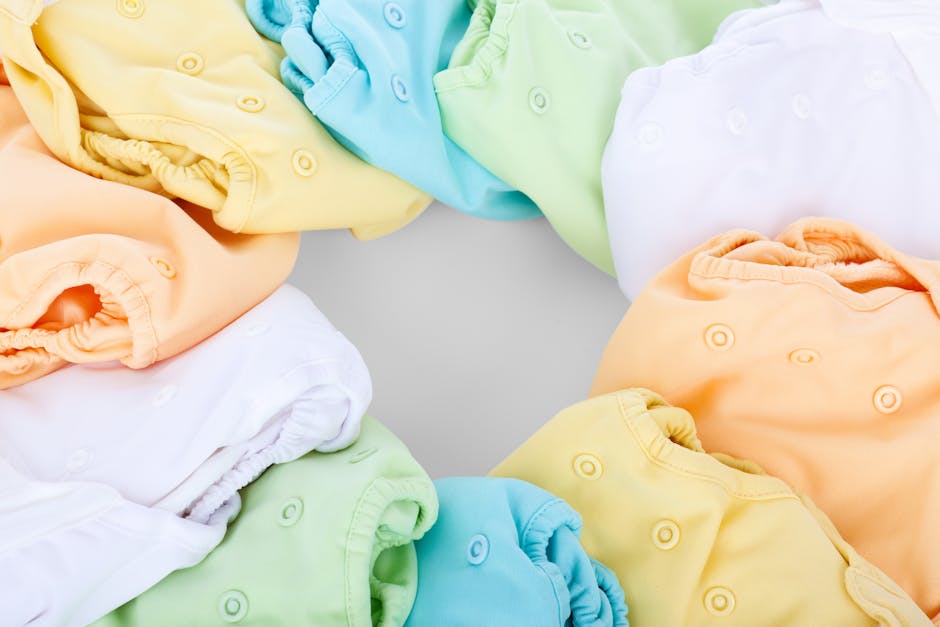
While diaper selection varies by baby, the best choices typically focus on hypoallergenic materials, fragrance-free design, and strong absorbency. Below is a practical comparison framework to help guide your decision.
| Type | Best For | Key Benefit | Consideration |
| Premium Hypoallergenic | Severe sensitivity | Maximum skin protection | Higher cost |
| Eco-Friendly Diapers | Eco-conscious families | Plant-based materials | May require frequent changes |
| Budget Sensitive Diapers | Daily use | Affordable protection | Fewer premium features |
For parents looking to build a complete baby care setup, many also explore our Baby Care Essentials collection to ensure all hygiene and comfort tools work together effectively.
Premium Hypoallergenic Diapers for Maximum Skin Protection
Premium diapers focus on eliminating irritants entirely while enhancing breathability and comfort. These are often recommended for babies with frequent rashes or diagnosed sensitivities.
Parents who prefer a gentle cleansing routine alongside premium diapering often pair it with soft hygiene tools like:

Baby Washcloths Set provides ultra-soft organic cotton cloths that are ideal for gentle cleaning during diaper changes, helping reduce irritation from rough wiping.
Using soft washcloths instead of disposable wipes can significantly improve skin comfort for sensitive babies.
Explore more supportive hygiene products in our Health & Safety collection and Baby Bath Accessories collection to build a complete sensitive-skin routine.
Best Budget-Friendly Sensitive Skin Diapers
Budget-friendly options focus on balancing cost and skin protection. While they may not include all premium features, many still offer fragrance-free and hypoallergenic designs suitable for mild sensitivity.
Eco-Friendly & Plant-Based Diaper Options
Eco-friendly diapers use plant-based materials and reduced chemical processing. These are increasingly popular among parents looking to reduce environmental impact while maintaining skin safety.
Brand Comparison Table (Absorbency, Materials, Price, Sensitivity Level)
| Brand Type | Materials | Sensitivity Level | Absorbency | Price Range |
| Premium Hypoallergenic | Plant-based + SAP core | Very High | High | High |
| Eco-Friendly | Biodegradable fibers | High | Medium | Medium-High |
| Budget Sensitive | Standard SAP | Medium | High | Low |
After reviewing diaper types, many parents also explore our Baby Growth & Learning collection to support overall developmental comfort routines.
Newborn Diaper Selection Guide (0–3 Months)

Newborn diapering requires extra care because skin is at its most delicate stage. Frequent urination, soft stools, and rapid growth make sizing and changing frequency critical factors in preventing irritation.
How to Choose the Right Newborn Diaper Size
A proper fit should be snug but not tight. Gaps around the legs can cause leaks, while tight waistbands increase friction and redness. Always check weight guidelines and adjust quickly as your baby grows.
Umbilical Cord-Friendly Diaper Designs
Many newborn diapers feature a curved or lowered front cut to avoid contact with the umbilical stump, reducing irritation during early weeks.
During this stage, maintaining hygiene is crucial. Soft cleansing tools like:

Honeycomb Natural Bath Sponge can support gentle cleansing routines between diaper changes, helping maintain clean and irritation-free skin.
Parents can also browse our Feeding & Nursing collection and Mom Essentials collection to support complete newborn care routines.
Diaper Rash Prevention Routine for Sensitive Skin

Preventing diaper rash requires consistency rather than reaction. A structured routine helps maintain skin health and reduces flare-ups significantly.
Optimal Diaper Changing Frequency
Newborns typically require changes every 2–3 hours. For older infants, every 3–4 hours is standard. Overnight diapers should be highly absorbent to minimize moisture exposure.
Barrier Creams and Skin Protection Practices
Barrier creams form a protective layer between skin and moisture. Apply a thin layer during each change if your baby has a history of irritation.
Hygiene and Moisture Control Tips
- Ensure skin is fully dry before putting on a new diaper
- Avoid tight diaper fastening
- Use fragrance-free wipes or soft washcloths
- Allow short diaper-free periods when possible
For parents focusing on hygiene optimization, our Health & Safety Tips collection provides deeper guidance.
Cloth vs Disposable Diapers for Sensitive Skin
Choosing between cloth and disposable diapers depends on your baby’s sensitivity level, your lifestyle, and how frequently you can change diapers.
Pros and Cons of Cloth Diapers
- Pros: Reusable, eco-friendly, fewer chemicals
- Cons: Requires frequent washing, may retain moisture longer
Pros and Cons of Disposable Hypoallergenic Diapers
- Pros: High absorbency, convenience, better overnight protection
- Cons: Higher cost, potential chemical exposure in low-quality brands
Which Option Is Better for Sensitive Skin?
For most babies with sensitive skin, high-quality hypoallergenic disposable diapers provide more consistent dryness, which is key to preventing irritation. However, cloth diapers can work well if changed frequently and washed with gentle detergents.
How to Know If Your Baby Has a Diaper Allergy or Sensitivity

Not all diaper rashes are the same. Some are caused by simple irritation, while others may indicate sensitivity to materials or chemicals.
Allergy vs Irritation: Key Differences
Irritation is usually caused by moisture and friction, while allergic reactions often appear as widespread redness or persistent rash that does not improve with frequent changes.
When to Switch Diaper Brands
If rash persists for more than a few days despite proper care, switching to fragrance-free, dye-free, hypoallergenic diapers is recommended.
How Often Should You Change Diapers?
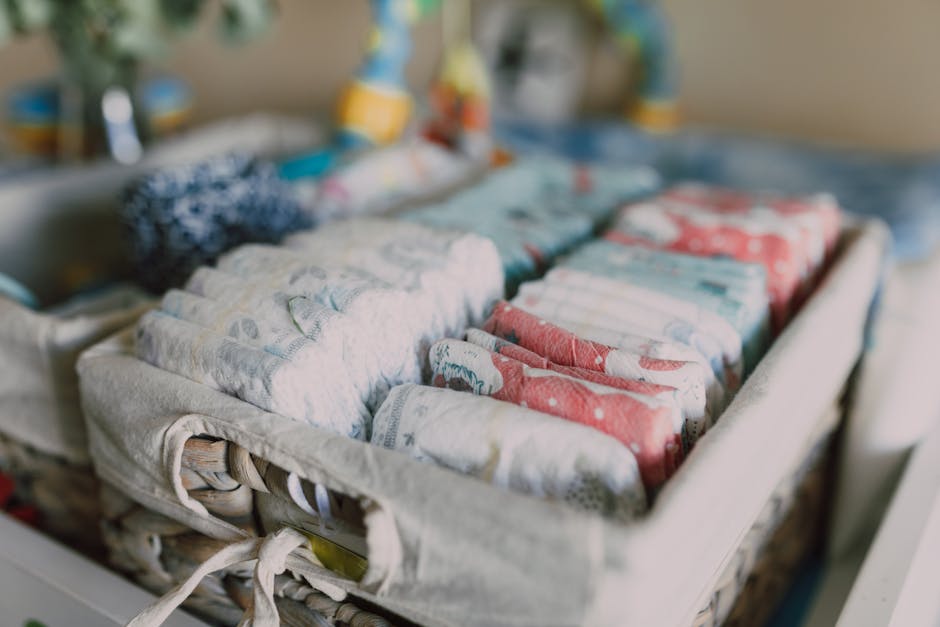
Frequent diaper changes are one of the most effective ways to prevent sensitive skin irritation.
Newborn Changing Frequency Guidelines
Newborns typically require 8–12 diaper changes per day due to frequent feeding and urination patterns.
Overnight Diapering Strategy
Use high-absorbency overnight diapers and ensure a fresh change before bedtime. Avoid waking baby unnecessarily unless there is discomfort or heavy soiling.
Ingredients to Avoid in Sensitive Skin Diapers
Understanding ingredient lists helps parents avoid unnecessary irritation triggers and select safer diapering options.
Fragrance and Perfume Compounds
Artificial fragrances are among the most common irritants and should be avoided for sensitive babies.
Latex and Chemical Additives
Latex components and certain chemical binders may trigger allergic reactions in highly sensitive infants.
FAQ: Best Diapers for Sensitive Skin
What are the best diapers for sensitive skin for newborns?
Hypoallergenic, fragrance-free diapers with strong absorbency and breathable materials are best for newborns.
How do I know if my baby has a diaper allergy or sensitivity?
Persistent redness, recurring rash, and irritation that doesn’t improve with frequent changes may indicate sensitivity.
Are cloth diapers better than disposable diapers for sensitive skin?
Both can work, but disposable hypoallergenic diapers are often easier to keep dry, reducing irritation risk.
How often should I change diapers to prevent diaper rash?
Every 2–3 hours for newborns and every 3–4 hours for older infants is generally recommended.
What ingredients should I avoid in diapers for sensitive skin?
Avoid fragrances, dyes, lotions, latex, and harsh chemical bleaching agents whenever possible.
Final Thoughts on Choosing the Best Diapers for Sensitive Skin
Selecting the right diaper is less about brand names and more about understanding your baby’s unique skin needs. Prioritizing hypoallergenic materials, ensuring frequent changes, and avoiding irritants can dramatically reduce diaper rash and improve comfort.
Combining a gentle diapering routine with soft hygiene tools like washcloths and natural sponges helps maintain healthier skin overall. Explore our Sleep & Comfort collection to further support your baby’s daily wellbeing and comfort routines.
With the right approach, sensitive skin doesn’t have to mean constant irritation—it simply requires thoughtful choices and consistent care.
Pillar Article: How to Start Potty Training: A Step-by-Step System to Reduce Resistance, Regression, and Accidents





