

Best Environment for Sleep: Complete Bedroom & Nursery Setup Guide for 2026
Most people don’t struggle with sleep because they “don’t know how to sleep”—they struggle because their environment is working against them. Light leaking through curtains, inconsistent temperature, background noise, and even room layout can quietly disrupt circadian rhythm and prevent deep, restorative sleep.
For babies, toddlers, and adults alike, sleep quality is deeply tied to environmental cues. When the brain detects darkness, calm soundscapes, and stable temperature, it naturally increases melatonin production and transitions into deeper sleep stages. When those signals are inconsistent, sleep becomes lighter, fragmented, and harder to maintain.
This guide breaks down the complete blueprint for building the best environment for sleep, combining sleep science, pediatric-safe recommendations, and practical room setup strategies that work for both adults and children.
What Defines the Best Environment for Sleep?
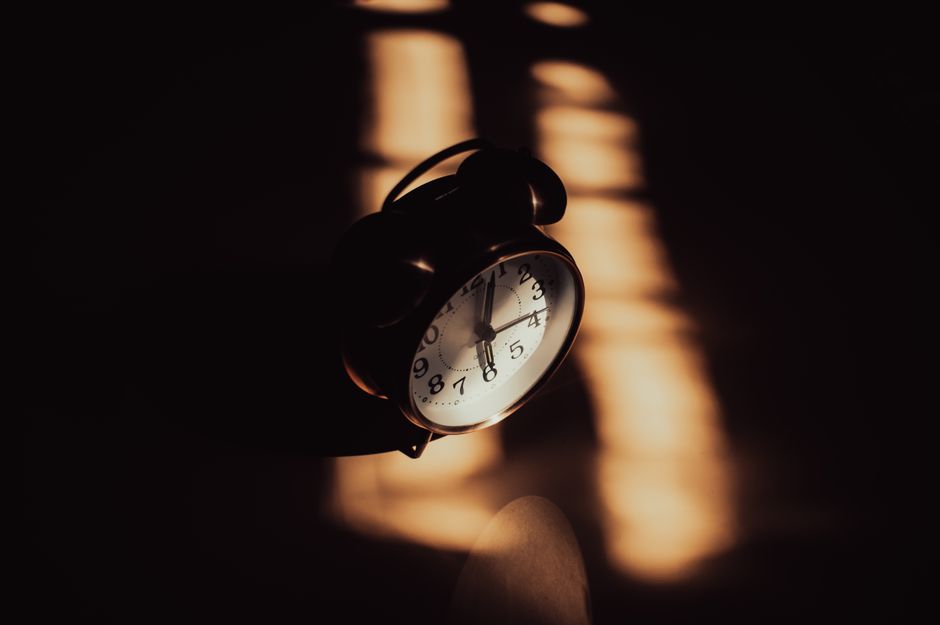
The best sleep environment is not just a quiet room—it is a carefully balanced system of light, temperature, sound, comfort, and routine alignment. These factors work together to regulate the body’s internal clock, also known as the circadian rhythm.
When aligned correctly, the body naturally transitions into sleep without resistance. When misaligned, even tired individuals may experience difficulty falling or staying asleep.
How Your Brain Responds to Environment Cues
Your brain constantly scans the environment for signals of safety and time-of-day. Darkness triggers melatonin release, while consistent sound patterns reduce alertness. Sudden noise spikes or bright blue light can interrupt this process instantly, pushing the brain back into a wakeful state.
Sleep Hygiene and Environmental Alignment
Sleep hygiene refers to habits and environmental conditions that support healthy sleep. This includes consistent bedtime routines, reduced screen exposure, and optimizing bedroom conditions such as lighting, noise, and temperature.
Explore more foundational wellness strategies in our Health & Safety Tips collection for deeper lifestyle alignment practices.
Ideal Room Temperature for Deep Sleep and Baby Sleep

Temperature plays one of the most important roles in sleep quality. If the room is too warm, the body struggles to lower its core temperature, delaying deep sleep onset. If it is too cold, the body remains alert and tense.
Why Room Temperature Impacts REM Sleep
REM sleep—the stage associated with dreaming and memory consolidation—requires stable thermoregulation. Even small fluctuations in temperature can reduce time spent in deep sleep cycles.
| Age Group | Recommended Sleep Temperature |
|---|---|
| Adults | 60–67°F (15.5–19.5°C) |
| Infants | 68–72°F (20–22°C) |
| Toddlers | 65–70°F (18–21°C) |
Safe Temperature Range for Newborn Sleep Environment
For newborns, overheating is a greater risk than cooler temperatures. Lightweight sleep clothing and breathable bedding are recommended to maintain safety while supporting stable sleep cycles.
For more infant safety insights, explore Health & Safety essentials designed for nursery optimization.
Lighting Optimization: How to Control Light for Better Sleep

Light is the strongest environmental regulator of circadian rhythm. Exposure to bright or blue light at night delays melatonin release, while complete darkness signals the brain to prepare for sleep.
Blackout Curtains vs Natural Light Control
Blackout curtains are one of the most effective tools for creating consistent sleep conditions, especially in urban environments with street lighting or early sunrise exposure.
Layered lighting control—combining blackout curtains with warm bedside lamps—creates a gradual transition into sleep rather than abrupt darkness.
Best Use of LED Bedroom Lighting for Sleep
Warm-toned LED lighting (2700K or lower) helps reduce stimulation before bedtime. Avoid overhead bright white lights at night, as they mimic daylight and suppress melatonin production.
Sleep Masks for Light Sensitivity
For individuals highly sensitive to light, sleep masks provide a portable solution that ensures complete darkness regardless of environment conditions.
Browse additional relaxation tools in our Massage & Relaxation collection.
Noise Control: Creating a Calm Sleep Environment

Noise is one of the most underestimated disruptors of sleep. Even low-level sounds can cause micro-awakenings that fragment sleep cycles without conscious awareness.
White noise works by masking sudden environmental changes—such as doors closing, traffic, or household movement—by creating a consistent auditory baseline.
Do White Noise Machines Improve Sleep Quality?
Yes. White noise machines help stabilize the auditory environment, making it easier for both babies and adults to stay asleep longer without disruption. This is especially helpful for light sleepers and infants with developing sleep cycles.
For a reliable sleep solution, consider this soothing device:

This device combines calming soundscapes with gentle lighting to help create a stable sleep environment for infants and parents alike.
Portable Sound Machines for Travel and Nursery Use
Portable sound machines are particularly useful for maintaining sleep consistency across environments—whether at home, daycare, or travel.
Explore additional sleep-support tools in the Sleep & Comfort collection.
Safe Noise Levels for Newborn Sleep Environment
Pediatric sleep experts generally recommend keeping sound levels below 50 decibels for infant sleep environments. White noise should be soft, consistent, and never overwhelming.
“Consistent sound environments help infants transition through sleep cycles more smoothly and reduce the likelihood of startle-induced wake-ups.” — Pediatric Sleep Consultant (Sleep Health Association)
Bedroom Layout and Sleep Optimization Setup

The physical arrangement of a room can subtly influence sleep quality. Positioning, airflow, and visual clutter all contribute to how safe and calm the brain perceives the environment.
Bed Positioning and Room Energy Flow
The bed should ideally be placed away from direct door alignment and strong light sources. A stable, visually calm focal point helps the brain associate the space with rest rather than activity.
Clutter, Airflow, and Sleep Quality
A cluttered room increases cognitive stimulation. Clean, minimal environments reduce subconscious processing and support faster sleep onset.
Discover organization tools in our Baby Growth & Learning collection for structured home environments.
Newborn Sleep Environment Setup Guide

Creating a safe sleep environment for newborns requires careful attention to safety, temperature, and sensory input. Babies are highly responsive to environmental changes, especially sound and light.
Safe Sleep Environment Checklist for Babies
- Firm, flat sleeping surface
- Stable room temperature (20–22°C)
- Minimal loose bedding or toys
- Soft, consistent background sound
- Low, warm lighting for nighttime care
Common Nursery Mistakes That Disrupt Sleep
Overstimulation before bedtime, inconsistent lighting, and sudden environmental noise are among the most common causes of infant sleep disruption. Maintaining consistency is more important than perfection.
A helpful tool for improving nursery sleep consistency is this advanced option:
Smart Sleep Aid SpeakerIt combines soothing sounds with adjustable lighting to support a calmer sleep transition environment for babies and adults.
Sleep Schedule Alignment with Circadian Rhythm

The circadian rhythm is the body’s internal clock that regulates sleep and wake cycles. Environmental consistency helps reinforce this rhythm, making sleep more predictable and restorative.
How Circadian Rhythm Controls Sleep Quality
When bedtime and wake times are consistent, the brain anticipates sleep and begins preparing in advance by lowering alertness and body temperature.
Baby Sleep Regression and Schedule Disruptions
Sleep regressions often occur due to developmental milestones rather than environmental failure. However, a stable sleep environment can significantly reduce severity and duration of disruptions.
Learn more structured parenting strategies in our Baby Care Tips & Advice section.
Sleep Environment Scoring System (Expert Framework)

A simple scoring system can help evaluate sleep environments objectively:
| Factor | Ideal Condition | Score (1–5) |
|---|---|---|
| Light Control | Dark or warm dim lighting | |
| Noise Stability | Consistent background sound | |
| Temperature | Stable 20–22°C | |
| Comfort | Minimal clutter, supportive bedding |
Rooms scoring above 18/20 typically support high-quality sleep across age groups.
Troubleshooting Common Sleep Problems
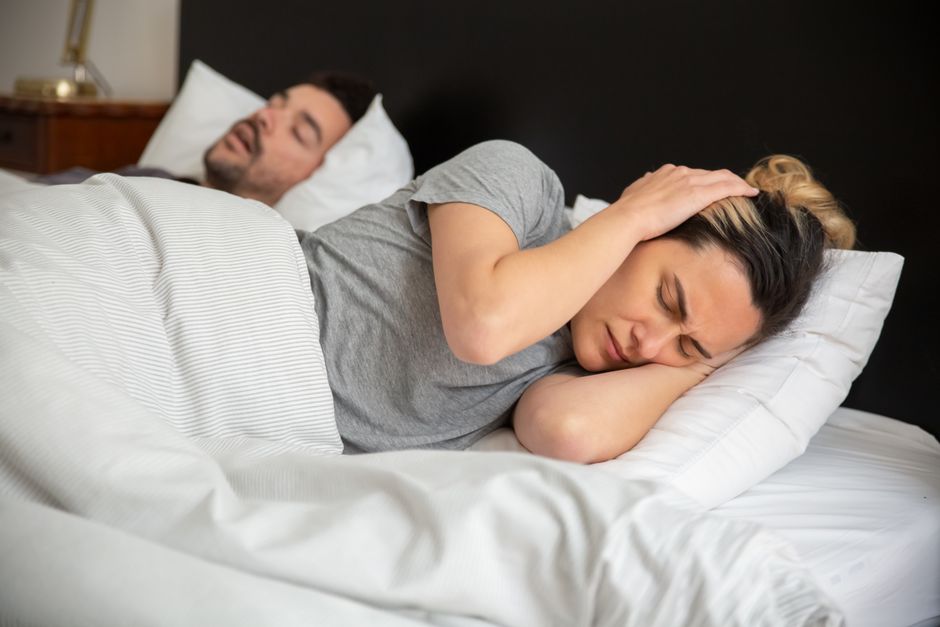
Why Light Sleepers Wake Frequently
Light sleepers are more sensitive to micro-environmental changes such as temperature shifts or sudden noise spikes. Stabilizing sound and light conditions can significantly reduce wake frequency.
Why Babies Wake Up Even in Quiet Rooms
Infant sleep cycles are shorter and more sensitive to developmental changes. Even in quiet environments, natural sleep transitions may cause brief awakenings.
Complete Sleep Optimization Checklist (2026 Edition)

- Maintain stable room temperature (20–22°C)
- Reduce blue light exposure before bedtime
- Use consistent background sound for masking noise
- Keep sleep environment clutter-free
- Align sleep schedule with circadian rhythm
Explore more supportive solutions in our Sleep & Comfort collection for complete bedroom optimization.
FAQ
What is the best environment for sleep according to sleep experts?
A cool, dark, quiet, and consistent environment that supports circadian rhythm alignment is considered optimal for sleep.
What temperature is best for deep sleep and baby sleep?
Adults sleep best at 60–67°F (15.5–19.5°C), while babies require slightly warmer conditions around 68–72°F (20–22°C).
Do white noise machines improve sleep quality for light sleepers and babies?
Yes, they help mask disruptive sounds and create a consistent auditory environment that supports deeper sleep.
Why does my baby wake up frequently at night even in a quiet room?
This is often due to natural sleep cycles, developmental stages, or environmental inconsistencies such as light or temperature changes.
How can I optimize bedroom lighting for better sleep naturally?
Use blackout curtains, warm-toned lighting, and reduce screen exposure before bedtime to support melatonin production.
Final Thoughts on Building the Best Sleep Environment
Creating the best environment for sleep is about consistency, not complexity. Small environmental adjustments—such as stabilizing temperature, reducing light exposure, and introducing calming soundscapes—can dramatically improve sleep quality over time.
When these elements work together, the body naturally enters deeper sleep cycles, making rest more restorative for both adults and children.
Pillar Article: Infant Sleep Schedules by Age: Routines, Nap Charts & Night Sleep Guide





