

BPA Free Teething Toy Guide 2026: Safe Relief for Babies by Age
Teething can be one of the most stressful developmental stages for both babies and parents. Sore gums, excessive drooling, disrupted sleep, and constant chewing often leave families searching for safe ways to comfort infants without exposing them to questionable materials. That is why BPA-free teething toys have become one of the most important essentials in modern baby care. Parents today want more than simple gum relief—they want non-toxic materials, easy-to-clean designs, developmental support, and age-appropriate safety.
Understanding how to choose the right teething toy can help reduce discomfort while supporting healthy oral development. Alongside pediatric guidance, parents often explore resources in the Baby Care Essentials collection and educational articles from Health & Safety Tips to create a safer daily routine for infants and toddlers.
Why BPA-Free Teething Toys Matter for Infant Safety

Babies explore the world through their mouths. During the teething stage, they chew constantly to relieve gum pressure and irritation. Because teething toys spend hours in direct contact with saliva and developing tissues, the material used matters significantly.
What BPA Is and Why Parents Avoid It
BPA, or bisphenol A, is a chemical historically used in certain plastics and resin products. Research over the years raised concerns about its potential impact on hormone activity, especially in infants and young children. While many baby products today are labeled BPA-free, parents still need to verify safety standards carefully.
Infants are particularly sensitive because their bodies and immune systems are still developing. Products designed for chewing should avoid not only BPA but also phthalates, lead-based dyes, and low-grade plastics. Parents increasingly prioritize food-grade silicone, untreated wood, and medical-grade materials when selecting teethers.
How BPA-Free Silicone Differs From Plastic Teethers
Food-grade silicone has become one of the most trusted materials in modern baby products because it is durable, flexible, temperature-resistant, and generally stable during repeated cleaning. Unlike brittle plastics, silicone is less likely to crack or degrade under heat.
| Material | Benefits | Potential Concerns |
| Food-grade silicone | Soft, durable, easy to clean, freezer-safe | Must verify food-grade certification |
| Natural rubber | Flexible and soothing | Possible latex allergies |
| Plastic | Lightweight and inexpensive | May contain questionable additives |
| Untreated wood | Natural texture and firmness | Requires careful sanitation |
Many families also pair teething toys with products from the Sensory Toys collection because oral exploration supports sensory learning and fine motor development.
FDA-Compliant Baby Teether Safety Standards Explained
Safe teething toys should meet food-contact safety standards and avoid detachable small parts. Parents should look for:
- BPA-free labeling
- Food-grade silicone certification
- Phthalate-free materials
- Smooth edges and durable construction
- Easy-clean designs
- No liquid leakage risk
Products intended for freezing or cooling should also withstand temperature changes without cracking. Pediatric dentists typically recommend inspecting teethers regularly for wear, especially once babies develop stronger biting pressure.
How to Choose the Safest Teething Toy for Your Baby
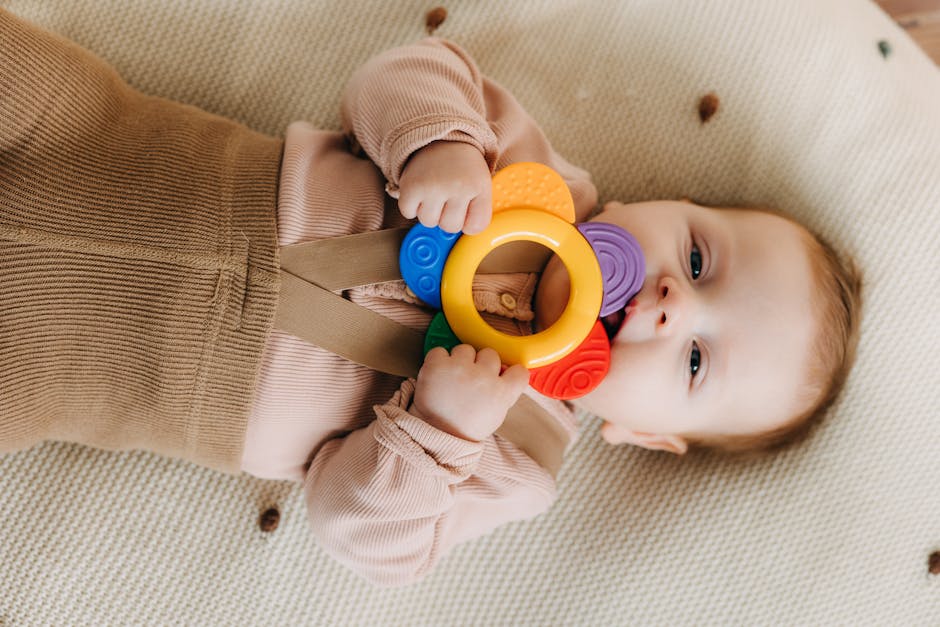
Choosing a safe teething toy involves more than selecting a cute design. The best products balance developmental support, hygiene, durability, and age-appropriate textures.
Best Materials for Non-Toxic Teething Toys
Food-grade silicone remains one of the most recommended materials because it combines softness with durability. Silicone can typically handle boiling, dishwashing, and refrigeration without breaking down.
Natural rubber is another popular option because of its softness and flexibility. However, some parents prefer silicone because it is easier to sanitize and carries fewer allergy concerns.
Parents researching safe feeding and oral products often browse the Feeding Tools collection and Health & Safety collection to create a toxin-conscious nursery setup.
Safe Texture Designs for Gum Relief and Sensory Development
Texture is critical during teething because babies instinctively seek pressure against inflamed gums. Multi-textured surfaces provide sensory stimulation while helping soothe discomfort.
Different textures also encourage oral motor skill development. Babies learn to move their tongues, jaws, and lips in coordinated patterns through chewing exploration. Lightweight designs with easy-grip handles support fine motor control as babies learn to hold objects independently.
Teething Toy Features Parents Should Avoid
Some teething toys can create safety risks if poorly designed. Parents should avoid:
- Liquid-filled teethers that can leak
- Sharp seams or cracking plastic
- Loose detachable components
- Hard frozen surfaces that may damage gums
- Painted surfaces without safety certification
- Small choking hazards
Very hard materials may temporarily numb gums but can irritate sensitive tissues over time. Pediatric dentists generally recommend softer textures that provide gentle pressure instead of excessive hardness.
Quick Safety Checklist Before Buying Any Baby Teether
- Choose BPA-free and food-grade materials
- Verify age recommendations
- Inspect for choking hazards
- Select dishwasher-safe or boil-safe designs
- Avoid products with unexplained chemical odors
- Check durability before repeated daily use
- Prefer textured surfaces for sensory stimulation
One example of a lightweight sensory-friendly option is the Baby Silicone Teether Ring – BPA-Free Comfort & Fun.

The soft silicone texture and grasp-friendly ring design support both gum massage and early sensory development. Parents looking for broader daily care setups may also explore the Baby Growth & Learning collection for developmental essentials.
Best BPA-Free Teething Toys by Baby Age

Babies experience teething differently depending on developmental stage. Age-appropriate texture, weight, and shape all affect safety and comfort.
0-3 Months: Soft Oral Development Teethers for Newborns
Newborns often begin early oral exploration before visible tooth eruption begins. At this stage, lightweight silicone toys with small easy-grip designs work best. Babies do not yet have strong hand coordination, so oversized toys may frustrate them.
Soft flexible silicone with gentle ridges can help babies explore textures safely while developing grasp reflexes.
3-6 Months: Early Teething Relief Toys for Sore Gums
Drooling, chewing on fists, and increased fussiness often intensify during this stage. Babies begin actively seeking pressure on the gums. Flexible silicone teethers with cooling capability may help reduce inflammation temporarily.
Parents also benefit from practical hygiene routines using products from the Sterilization Devices collection to maintain daily cleanliness.
6-12 Months: Durable Silicone Teethers for Active Chewers
As teeth emerge, babies often become aggressive chewers. Durable silicone with varied textures helps satisfy this developmental phase safely.
The Baby Silicone Teether Toy – Soothing Relief & Healthy Gums is one example of a textured silicone option designed for active chewing and sensory exploration.

The flower-style design includes multiple chewing surfaces while remaining soft enough for sensitive gums.
12-24 Months: Toddler Teething Toys for Molars and Sensory Play
Molar eruption can create intense discomfort because larger teeth push through thicker gum tissue. Toddlers at this age often prefer stronger textures and larger chew surfaces.
Durability becomes increasingly important because toddlers can bite with considerable force. Parents should inspect all teethers regularly for punctures, tears, or weakened seams.
Are Silicone Teething Toys Safe for Daily Use?

Food-grade silicone teething toys are generally considered safe for regular use when properly maintained. Their flexibility, heat resistance, and stability make them one of the most trusted modern materials for infant oral products.
What Makes Food-Grade Silicone Safe for Babies
Food-grade silicone does not contain BPA and is designed to withstand repeated temperature changes. Unlike some plastics, silicone is less prone to chemical leaching under normal use conditions.
High-quality silicone also resists cracking and retains softness after repeated washing. Parents should still purchase from reputable baby brands that clearly disclose material standards.
How Often Babies Can Safely Use Silicone Teethers
Babies may use teethers multiple times daily during active teething periods. Pediatric experts generally recommend supervised use rather than allowing babies to sleep unattended with teething products.
Rotating several clean teethers throughout the day can help reduce bacterial buildup while maintaining hygiene.
Signs a Silicone Teether Should Be Replaced
- Tears or punctures
- Sticky texture changes
- Persistent discoloration
- Visible mold buildup
- Loose components
- Unusual odors
If a teether shows any damage, it should be discarded immediately to reduce choking and contamination risks.
Cooling Teething Toys: Refrigerator vs Freezer Safety
Cooling teething toys can help reduce gum inflammation temporarily, but safe temperature management is essential.
Can Cooling Teething Toys Go in the Freezer Safely?
Some silicone teethers are specifically designed for freezer use, while others should only be refrigerated. Parents should always follow manufacturer guidance carefully.
The Freezable Baby Silicone Teething Toys – Cooling Relief are designed specifically for cooling applications.

The detachable handle and textured surfaces help provide temporary cooling comfort for sore gums.
Why Frozen Teethers Can Sometimes Harm Baby Gums
Excessively hard frozen surfaces may irritate or temporarily numb delicate gum tissue. Very cold materials can also become rigid enough to reduce comfort rather than improve it.
Pediatric dentists often recommend chilled—not rock-solid frozen—teethers for safer relief.
Best Practices for Refrigerator-Cooled Teethers
- Refrigerate instead of deep freezing when possible
- Wipe condensation before use
- Inspect for cracks after cooling
- Avoid prolonged freezing beyond manufacturer instructions
- Supervise babies during use
Parents managing feeding transitions and oral discomfort together often find resources in the Feeding & Nursing collection useful during teething stages.
Pediatric Dentist Recommendations for Healthy Infant Oral Development

Teething toys support more than pain relief. Proper oral stimulation helps babies develop jaw strength, tongue coordination, and sensory awareness.
How Teething Toys Support Oral Motor Skills
Chewing encourages controlled jaw movement and muscle development. Oral motor skills developed during infancy later support speech, chewing, swallowing, and feeding coordination.
Textured chewing also encourages sensory integration, helping babies process different tactile experiences safely.
The Role of Sensory Development Toys During Teething
Many sensory-focused toys encourage grasping, reaching, and oral exploration simultaneously. This combination supports cognitive development alongside physical comfort.
Parents frequently combine teethers with age-appropriate products from the Sensory Toys collection to support early developmental milestones.
When Parents Should Consult a Pediatric Dentist
Parents should seek professional guidance if babies experience:
- Persistent bleeding gums
- Refusal to feed
- Fever unrelated to mild teething discomfort
- Signs of infection
- Delayed tooth eruption concerns
Teething may cause irritability and drooling, but severe symptoms often indicate another underlying issue.
How to Clean and Sanitize BPA-Free Silicone Teethers

Proper cleaning is essential because teething toys spend significant time in babies’ mouths and frequently contact floors, diaper bags, and feeding surfaces.
Daily Cleaning Methods for Silicone Teething Toys
Most food-grade silicone teethers can be cleaned using:
- Warm water and mild soap
- Dishwasher top rack cycles
- Boiling water sterilization
- Steam sterilizers
Parents often simplify cleaning routines using equipment from the Sterilization Devices collection and related hygiene products.
How to Prevent Mold and Bacteria Buildup
Teethers with sealed or hard-to-reach areas require extra attention. Moisture trapped inside damaged products can encourage bacterial growth.
- Dry thoroughly after washing
- Store in clean ventilated containers
- Avoid leaving wet teethers in diaper bags
- Inspect seams and textured grooves regularly
When to Replace Old or Damaged Teethers
Heavy chewing eventually wears down even durable silicone. Frequent inspection helps prevent safety hazards.
Most teethers should be replaced once visible damage appears or when surfaces become sticky, cracked, or discolored.
Comparing Popular BPA-Free Teething Toy Types

Different teething toy designs serve different developmental needs. Understanding the strengths of each style helps parents choose more effectively.
Baby Teether Gloves vs Traditional Teethers
| Type | Advantages | Limitations |
| Teether gloves | Hands-free chewing | Can become damp quickly |
| Traditional ring teethers | Easy grip and portability | May fall frequently |
Silicone Ring Teethers vs Sensory Teething Toys
Ring teethers focus primarily on chewing comfort and grip development, while sensory toys include multiple textures, shapes, and stimulation zones for broader developmental support.
Families looking for developmental play products often explore the Baby Growth & Learning collection alongside oral care essentials.
Natural Rubber vs Food-Grade Silicone Teethers
| Feature | Natural Rubber | Food-Grade Silicone |
| Texture | Soft and flexible | Soft with customizable textures |
| Cleaning | Requires gentle care | Dishwasher-safe options common |
| Durability | Moderate | High |
| Allergy concerns | Possible latex sensitivity | Lower allergy risk |
Texture and Function Comparison Chart
| Texture Type | Best For | Age Range |
| Soft ridges | Early gum massage | 0-6 months |
| Firm textured bumps | Active chewing | 6-12 months |
| Wide chew surfaces | Molar discomfort | 12-24 months |
| Cooling silicone | Inflamed gums | 3-12 months |
Natural Teething Relief Methods Beyond Teething Toys

Teething toys are helpful, but many babies benefit from multiple soothing strategies throughout the day.
Cold Washcloth Techniques for Teething Relief
A chilled clean washcloth can provide gentle cooling pressure without becoming too hard. Parents can refrigerate a damp cloth briefly and supervise chewing sessions carefully.
Gentle Gum Massage for Infant Comfort
Using clean fingers to gently massage sore gums may temporarily reduce pressure and discomfort. Short sessions often work best for sensitive babies.
Parents balancing comfort routines, sleep schedules, and feeding transitions may also benefit from resources in the Sleep & Comfort collection.
When Teething Symptoms May Signal Another Issue
Teething symptoms should generally remain mild. High fever, persistent diarrhea, severe lethargy, or prolonged feeding refusal should not automatically be blamed on teething alone.
Medical guidance is important whenever symptoms appear excessive or unusual.
How to Build a Safe Teething Kit for Everyday Parenting
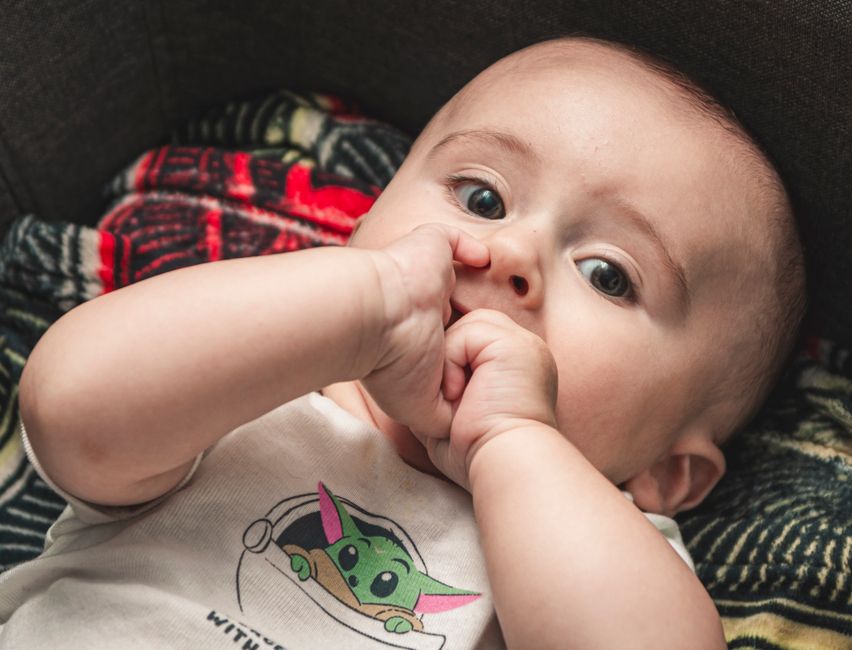
Creating a small teething care kit helps parents respond quickly during difficult moments at home or while traveling.
Essential BPA-Free Teething Products to Keep at Home
- Two or three rotating silicone teethers
- Cooling teether options
- Sterilization supplies
- Clean storage containers
- Soft bibs for drooling
- Washable sensory toys
Many families organize their setup using products from the Baby Care Essentials collection for convenient daily routines.
Travel-Friendly Teething Relief Essentials
Portable teething support becomes especially important during errands, flights, and daycare drop-offs.
- Compact silicone teethers
- Travel sanitizing wipes
- Cooling packs for refrigerated teethers
- Clean storage pouches
Parents often pair these items with practical gear from the Mom Essentials collection for easier travel organization.
How Many Teething Toys Babies Actually Need
Most babies do not need a large collection of teethers. Rotating three to five high-quality options is usually sufficient.
Having multiple clean teethers available allows parents to maintain hygiene while offering babies different textures and cooling options throughout the day.
Frequently Asked Questions
What is the safest BPA free teething toy for infants?
The safest teething toys are made from food-grade silicone or carefully tested natural materials without BPA, phthalates, or detachable small parts. Lightweight designs with textured surfaces are often best for infants.
Are silicone teething toys safe for babies to use daily?
Yes, food-grade silicone teethers are generally considered safe for regular daily use when cleaned properly and inspected frequently for damage.
Can cooling teething toys go in the freezer safely?
Some are specifically designed for freezer use, while others should only be refrigerated. Always follow manufacturer recommendations to avoid damaging gums or the product itself.
What teething toys are best for 2 month olds and newborns?
Newborns benefit from lightweight, soft silicone teethers with easy-grip shapes and gentle textures that support early oral exploration.
How do you clean and sanitize BPA free silicone teethers?
Most silicone teethers can be washed with warm water and mild soap, sterilized in boiling water, or cleaned in the dishwasher depending on manufacturer instructions.
How often should you replace baby teething toys?
Replace teethers immediately if you notice cracks, tears, discoloration, sticky textures, mold, or loose parts.
Are natural rubber teethers safer than silicone?
Both can be safe when manufactured responsibly. Silicone is often preferred for easier cleaning and lower allergy concerns, while natural rubber offers soft flexibility.
Can babies sleep with teething toys?
Experts generally recommend supervised teething toy use and caution against allowing babies to sleep unattended with loose objects in the crib.
What materials should parents avoid in baby teethers?
Parents should avoid products containing BPA, phthalates, questionable plastics, detachable small parts, or unknown painted finishes.
Do pediatric dentists recommend silicone teething toys?
Many pediatric dentists recommend high-quality silicone teethers because they provide gentle gum pressure while remaining easy to sanitize and durable for repeated daily use.
Conclusion
Choosing a BPA-free teething toy is about more than temporary comfort. Safe materials, hygienic maintenance, developmental support, and age-appropriate textures all play important roles in healthy infant oral care. Food-grade silicone remains one of the most trusted options because of its durability, softness, and easy-clean properties.
Parents who focus on quality over quantity can create a safer and more effective teething routine while reducing exposure to unnecessary chemicals and poorly designed products. Combining thoughtfully selected teethers with proper cleaning habits, sensory support, and pediatric-informed guidance helps babies navigate teething more comfortably and safely.
For additional support during infancy and toddler development, many families continue exploring resources in the Baby Care Tips & Advice section and the Health & Safety collection.





