

Best BPA Free Teething Toy Options for Safe Baby Relief in 2026
Teething can turn even the calmest baby into a fussy, sleepless little bundle of discomfort. Between constant drooling, chewing, swollen gums, and disrupted naps, many parents start searching for safe and effective ways to soothe their baby naturally. One of the biggest concerns for modern families is choosing teething products made without questionable plastics or harsh chemicals. That is why BPA-free silicone teethers have become one of the most trusted options for infant teething relief.
Parents today are not only looking for pain relief. They also want products that support sensory development, encourage safe chewing habits, and fit easily into a healthy oral care routine. Combined with good hygiene practices and pediatric-safe materials, the right teething toy can make the teething stage much easier for both babies and caregivers.
For parents building a complete infant care routine, browsing the Baby Care Essentials collection can help simplify daily routines, while the Health & Safety collection includes practical products designed for safer baby care at home and on the go.
Why BPA Free Teething Toys Matter for Infant Safety

Babies explore the world through their mouths. During the teething stage, infants may spend hours chewing on toys, hands, blankets, and anything they can reach. Because of this constant oral contact, the materials used in teething products matter significantly.
What Is BPA and Why Do Parents Avoid It?
BPA, or bisphenol A, is an industrial chemical historically used in some plastics and resins. Research and public concern over long-term exposure led many manufacturers to eliminate BPA from baby products. Since infants are especially sensitive during early development, parents often prefer products labeled BPA-free to reduce unnecessary chemical exposure.
Modern pediatric safety recommendations encourage parents to prioritize products made from food-grade silicone, natural rubber, or other tested non-toxic materials. Choosing transparent brands that clearly disclose material composition is one of the simplest ways to improve product safety.
Why Food-Grade Silicone Has Become the Preferred Teething Material
Food-grade silicone is soft, flexible, durable, and resistant to cracking. Unlike lower-quality plastics, silicone typically withstands repeated sterilization and daily chewing without becoming brittle. Many parents also appreciate that silicone is easy to clean and does not usually retain odors.
Another major advantage is texture variety. Silicone teethers often include ridges, bumps, and massage patterns that help stimulate sore gums while supporting oral sensory development.
Parents interested in developmental products often combine teething tools with resources from the Sensory Toys collection and the Baby Growth & Learning collection to encourage safe tactile exploration.
Important Baby Product Safety Certifications Parents Should Look For
When shopping for teething toys online, parents should look for:
- BPA-free labeling
- Food-grade silicone materials
- Phthalate-free certification
- Age recommendations
- Clear cleaning instructions
- CPSC compliance information
- Products without detachable small parts
Reputable sellers also provide detailed product photos, safety disclosures, and realistic usage instructions. If safety information is missing entirely, parents should proceed cautiously.
Signs Your Baby May Need a Teething Toy
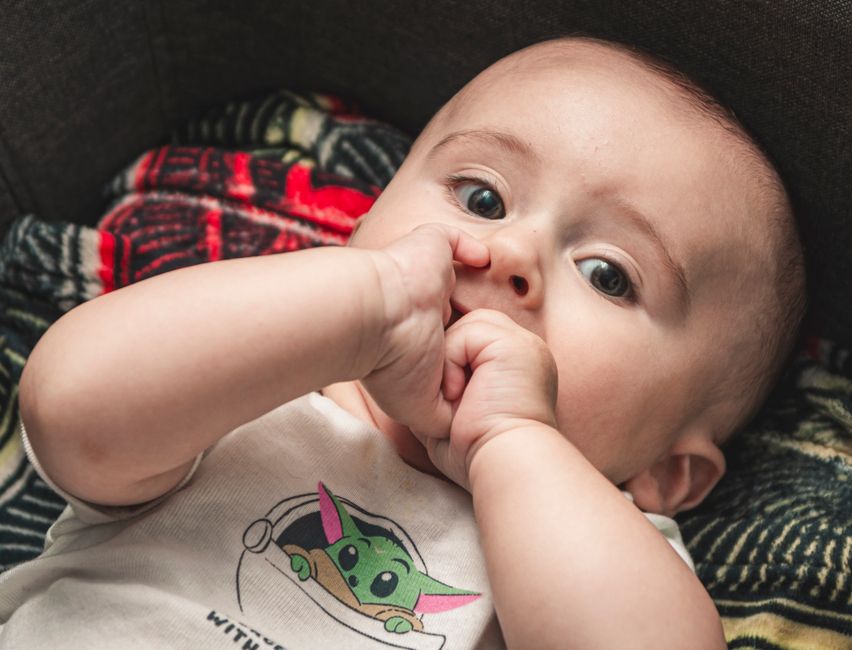
Most babies begin teething between 4 and 7 months, although some start earlier or later. Teething symptoms can vary widely, but certain patterns are extremely common.
Common Infant Teething Symptoms by Age
| Baby Age | Common Teething Signs |
| 2–4 Months | Hand chewing, increased drooling, gum rubbing |
| 4–7 Months | Fussiness, swollen gums, sleep disruption |
| 7–10 Months | Stronger chewing behaviors, biting objects, gum sensitivity |
| 10–12 Months | Molar discomfort, irritability, preference for textured chewing |
Many babies also become clingier during teething periods. Others may refuse feeding temporarily because sore gums make sucking uncomfortable.
Normal Teething Symptoms vs Red Flag Symptoms
Typical teething symptoms include:
- Drooling
- Mild fussiness
- Chewing behavior
- Slight gum swelling
- Mild sleep changes
Parents should contact a pediatrician if a baby develops:
- High fever
- Persistent diarrhea
- Difficulty breathing
- Extreme lethargy
- Severe rash
- Signs of dehydration
Teething may overlap with illness, so it is important not to automatically assume every symptom is teething-related.
How Chewing Supports Oral and Sensory Development
Chewing helps babies strengthen jaw muscles and explore textures. Oral sensory experiences also contribute to coordination and self-soothing behaviors. Safe teething toys can encourage healthy oral movement while reducing discomfort from erupting teeth.
Parents building complete routines often explore educational resources in the Baby Care Tips & Advice section and developmental guidance inside the Baby Growth & Learning Tips blog.
The Safest Types of BPA Free Teething Toys Compared

Not all teethers are designed for the same stage of development. Some prioritize easy gripping, while others focus on cooling relief or sensory stimulation.
| Teether Type | Best For | Main Benefit |
| Silicone Rings | Young infants | Easy grip and lightweight comfort |
| Textured Teethers | Active chewers | Gum massage stimulation |
| Cooling Teethers | Inflamed gums | Cold soothing relief |
| Teething Mittens | Babies without grip control | Hands-free chewing |
| Multi-Sensory Toys | Older infants | Developmental engagement |
Silicone Teether Rings
Silicone teether rings are often recommended for younger babies because they are lightweight and easy to hold. Their simple design reduces choking risks while allowing babies to independently move the teether around their mouth.
A good example is the Baby Silicone Teether Ring – BPA-Free Comfort & Fun, designed with soft textured silicone and an easy-grip shape for infants.

Many parents prefer ring-style teethers because they fit easily into diaper bags and are simple to clean between uses.
Textured Silicone Teething Toys
Textured silicone teethers use raised bumps and ridges to massage sore gums more effectively. Babies who chew aggressively often respond well to varied textures because they provide sensory feedback and targeted pressure.
Textured surfaces can also encourage tactile exploration, helping infants develop awareness of different shapes and sensations.
Cooling and Freezable Teething Toys
Cooling teethers can help reduce inflammation temporarily by gently numbing irritated gums. Parents should refrigerate or lightly chill these toys according to manufacturer instructions rather than freezing them excessively hard.
Products with soft cooling surfaces are usually more comfortable than rigid frozen materials.
Teething Mitten Gloves for Early Chewers
Some babies begin chewing long before they can reliably hold a teether. Teething mitten gloves provide a wearable solution that allows infants to chew safely on textured silicone attached to a soft fabric glove.
Parents should clean mitten teethers frequently because fabric areas can trap moisture and saliva.
Multi-Sensory Teething Toys for Developmental Support
Many newer teething products combine chewing textures with rattles, flexible shapes, or grasping elements to support broader developmental milestones. These toys can encourage coordination, motor skills, and independent play.
Families interested in development-focused toys often browse the Smart Baby Gadgets and Mobility & Training collections for complementary sensory activities.
How to Choose the Best BPA Free Teething Toy by Baby Age
Babies develop quickly during the first year, and their teething needs change as chewing strength, coordination, and sensory curiosity increase.
Best Teething Toys for 2 to 4 Month Old Babies
Younger infants benefit from lightweight teethers with flexible silicone and easy-grip shapes. Oversized or heavy toys may frustrate babies who are still developing hand coordination.
Simple ring-style teethers or soft sensory teethers are often easiest for newborns and younger infants to manage independently.
Best Teething Toys for 5 to 7 Month Old Babies
At this stage, babies usually begin chewing more aggressively and exploring textures intentionally. Textured silicone surfaces become more useful because they provide deeper gum massage.
The Baby Silicone Teether Toy – Soothing Relief & Healthy Gums offers multiple textured chewing areas and a lightweight flower-shaped design suitable for growing infants.

Parents can also support overall oral care routines by exploring tools in the Baby Hygiene Gadgets collection.
Best Teething Toys for 8 to 10 Month Old Babies
Older infants often prefer firmer chewing resistance and more advanced textures. At this age, babies may enjoy multi-sensory toys that include flexible arms, textured ridges, and cooling features.
Durability becomes especially important because stronger chewing pressure can wear down lower-quality materials faster.
What Features Matter Most as Babies Grow
- Easy grip handles
- Textured chewing surfaces
- Dishwasher-safe materials
- One-piece construction
- Age-appropriate sizing
- Non-toxic silicone
- Cooling compatibility
As babies become more mobile, portable designs also become more valuable for travel, daycare, and errands.
Cooling Teething Toys: Do They Actually Help?
Cooling teethers remain one of the most popular teething solutions because cold temperatures may temporarily reduce inflammation and numb sore gum tissue.
Why Cold Temperatures Soothe Inflamed Baby Gums
Cold surfaces constrict blood vessels slightly, which may reduce swelling and calm irritated nerves. Babies often instinctively seek out chilled objects during teething because the sensation feels soothing.
Cooling relief is usually temporary but can be especially useful before naps, bedtime, or feeding sessions.
Freezer vs Refrigerator: Which Is Safer?
Most pediatric guidance recommends refrigerating teethers instead of freezing them solid. Extremely hard frozen surfaces may irritate delicate gum tissue or become uncomfortable for younger infants.
The Freezable Baby Silicone Teething Toys – Cooling Relief are designed specifically for safe cooling support with food-grade silicone materials and textured chewing surfaces.

Parents should always follow manufacturer instructions carefully and inspect cooling teethers regularly for leaks or damage.
Safety Mistakes Parents Should Avoid With Cooling Teethers
- Using teethers with visible cracks
- Freezing products longer than recommended
- Allowing babies to chew on excessively hard frozen surfaces
- Using liquid-filled products with puncture damage
- Skipping regular sanitation
Safe hygiene routines matter just as much as material safety.
How to Clean and Sterilize Baby Teething Toys Safely

Teething toys spend significant time in babies’ mouths and frequently fall onto floors, furniture, and public surfaces. Consistent cleaning helps reduce bacteria exposure.
How Often Parents Should Clean Teething Toys
Teething toys should ideally be cleaned:
- After falling on public surfaces
- At least once daily during regular use
- Immediately after illness exposure
- Before first use
Babies with heavy drooling may also benefit from more frequent washing throughout the day.
Boiling, Steam Sterilizing, and Dishwasher Safety
Many food-grade silicone teethers are dishwasher-safe and compatible with steam sterilizers. However, parents should always confirm manufacturer guidance before boiling or steam-cleaning products.
Helpful cleaning support products can often be found in the Sterilization Devices collection and the Baby Bath Accessories collection.
Signs a Teething Toy Should Be Replaced
Parents should replace teethers immediately if they notice:
- Cracks or tears
- Loose components
- Mold growth
- Sticky texture changes
- Persistent odors
- Damaged cooling chambers
Even durable silicone products eventually wear down with heavy use.
Unsafe Teething Products and Materials Parents Should Avoid
While many modern teething products are designed with infant safety in mind, low-quality products still exist online and in discount marketplaces.
Risks of Low-Quality Plastic Teething Toys
Cheap plastics may crack more easily, contain undisclosed materials, or degrade under repeated heat exposure. Products lacking clear labeling or material transparency should be avoided whenever possible.
Parents should prioritize sellers that openly provide BPA-free information and detailed cleaning instructions.
Why Liquid-Filled Teethers Require Extra Caution
Liquid-filled teethers can provide effective cooling relief, but punctures or seal failures may create contamination risks. Parents should inspect these products carefully before every use.
If a cooling toy leaks, becomes cloudy, or develops unusual odors, it should be discarded immediately.
Small Parts and Choking Hazard Warning Signs
Teething toys should never include detachable beads, loose decorations, or fragile attachments that could break during chewing. One-piece silicone construction is often the safest choice for younger infants.
Parents should also supervise babies during teething sessions, especially when using newer products for the first time.
Parent Checklist for Buying a Safe Teething Toy Online
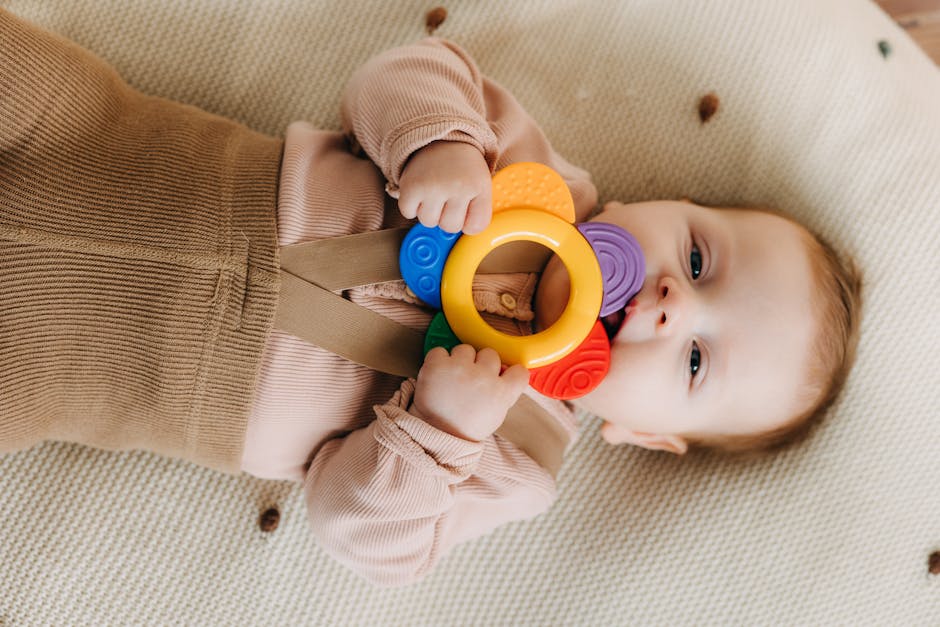
Shopping online gives parents access to more teething options, but it also requires careful evaluation.
Material Transparency Checklist
- BPA-free labeling
- Food-grade silicone disclosure
- Age recommendation listed
- Cleaning instructions included
- No small detachable parts
- Clear product photography
- Safety compliance information
Questions Parents Should Ask Before Buying
- Is the product dishwasher-safe?
- Can it be refrigerated safely?
- Does it contain hidden gel or liquid?
- Is it soft enough for younger infants?
- Can babies grip it independently?
- Does the design encourage airflow and easy cleaning?
Parents researching full oral care and feeding routines may also benefit from browsing the Feeding Tools and Feeding & Nursing collections.
Best Features for Travel, Daycare, and Daily Use
For busy families, practical features matter just as much as soothing performance. Lightweight teethers with compact shapes are easier to pack into diaper bags, while dishwasher-safe silicone simplifies cleaning during hectic schedules.
Parents often prefer toys that clip securely to strollers or diaper bags to prevent drops during outings.
Best BPA Free Teething Toy Features Parents Love Most in 2026
Modern parents are increasingly looking for baby products that combine safety, simplicity, and developmental value.
Easy-Grip Designs for Younger Babies
Easy-grip openings, flexible loops, and lightweight shapes remain some of the most popular teething toy features. Babies become frustrated quickly when they cannot hold or maneuver a toy independently.
Ergonomic shapes also help encourage hand-eye coordination and independent sensory play.
Textured Gum Massage Patterns
Parents consistently report that babies prefer textured chewing surfaces over completely smooth designs. Raised ridges, bumps, and soft chew points can provide more targeted gum stimulation.
Different texture zones may also help babies explore pressure preferences as multiple teeth erupt during different stages.
Minimalist Non-Toxic Baby Product Trends
Minimalist parenting trends continue influencing baby product design. Many families now prioritize:
- Neutral colors
- Food-grade materials
- Simple cleaning routines
- Durable reusable products
- Reduced plastic exposure
Parents building calm bedtime and soothing routines often pair teething support with products from the Sleep & Comfort and Massage & Relaxation collections.
Frequently Asked Questions
What is the safest BPA free teething toy for babies?
The safest teething toys are typically made from food-grade BPA-free silicone with one-piece construction, no detachable parts, and clear cleaning instructions. Lightweight silicone teethers are often recommended for younger infants.
Are silicone teething toys safe for infants?
Yes, food-grade silicone teething toys are widely considered safe when purchased from reputable brands and used according to manufacturer guidance. Parents should inspect toys regularly for wear or damage.
Can cooling teething toys help relieve baby gum pain?
Cooling toys may temporarily soothe inflamed gums by providing a gentle numbing sensation. Refrigerated teethers are generally preferred over extremely hard frozen products.
How do I clean and sterilize baby teething toys safely?
Most silicone teethers can be washed with warm soapy water, placed in the dishwasher, or steam sterilized depending on product instructions. Daily cleaning is recommended during regular use.
Which teething toys are best for 2 month olds versus 8 or 10 month olds?
Younger infants usually benefit from lightweight soft silicone teethers with easy-grip designs, while older babies often prefer textured, firmer, and more sensory-focused chewing surfaces.
How long should babies use teething toys?
Many babies use teething toys throughout the entire teething process, which may continue into toddlerhood as molars emerge.
Can babies sleep with teething toys?
Parents should follow pediatric sleep safety recommendations and avoid placing loose objects in cribs for unsupervised sleep, especially for younger infants.
Are frozen teething toys safe for newborns?
Extremely hard frozen teethers may irritate delicate gums. Refrigerated or lightly chilled teethers are generally safer for younger babies.
What materials should parents avoid in teething toys?
Parents should avoid products with unclear material labeling, detachable small parts, cracked plastics, or questionable liquid-filled designs without safety disclosures.
When should I replace a silicone teething toy?
Teething toys should be replaced if they develop cracks, tears, discoloration, leaks, mold, or any signs of structural damage.
Conclusion
Teething is a challenging but completely normal stage of infant development. Safe BPA-free silicone teethers can help soothe sore gums, encourage oral sensory exploration, and support healthier chewing habits during the first years of life. By choosing age-appropriate products, following good cleaning practices, and prioritizing material transparency, parents can reduce stress while helping babies stay more comfortable through every stage of teething.
For families building a complete baby wellness routine, exploring the Baby Care Essentials, Health & Safety, and Health & Safety Tips resources can provide additional guidance for safer daily baby care.
Pillar Article: Teething Symptoms Infants: Safe Relief, Oral Care & First Teeth Guide





