

15 Common Sleep Training Mistakes Parents Make (And Gentle Fixes That Work)
Many parents begin sleep training expecting quick, predictable results—only to find themselves exhausted, confused, and wondering what they’re doing wrong. If that sounds familiar, you are not alone. In reality, most “failed” sleep training attempts are not failures at all, but timing issues, inconsistent routines, developmental changes, or environmental mismatches that make sleep harder than it needs to be.
This guide breaks down the most common sleep training mistakes parents make, why they happen, and how to gently correct them using realistic, age-appropriate strategies. Instead of rigid rules, you’ll find practical troubleshooting steps, wake-window guidance, and gentle adjustments that support both your baby’s development and your emotional well-being.
Why Sleep Training Sometimes Fails Even When Parents Follow the Rules

Sleep training is not a linear process. Babies are constantly developing—neurologically, physically, and emotionally—which means sleep patterns shift frequently. Even if parents follow a method correctly, external factors can disrupt progress.
How infant sleep cycles change during the first year
Newborn sleep cycles are short and heavily dependent on feeding and comfort. Around 3–6 months, sleep begins to consolidate, but frequent night waking is still biologically normal. By 6–12 months, babies start developing longer sleep cycles, but regressions and developmental milestones can temporarily disrupt progress.
These shifts mean that what works one week may not work the next, especially during growth spurts or cognitive leaps.
The difference between newborn sleep patterns and sleep training readiness
Newborns are not developmentally ready for structured sleep training. Their circadian rhythm is still forming, and they rely heavily on feeding for regulation. Sleep training is typically more effective once babies show longer nighttime sleep stretches and more predictable daytime wake windows.
Why consistency matters more than perfection
One of the biggest misconceptions is that sleep training requires perfection. In reality, consistency over time matters far more than doing everything flawlessly. Small deviations are normal, but frequent changes in method, timing, or environment can confuse babies and slow progress.
Explore more foundational guidance in our Baby Care Essentials collection for routine-building tools that support consistency.
At What Age Should You Start Sleep Training a Baby?

Timing plays a critical role in sleep training success. Starting too early can lead to frustration, while waiting too long may reinforce strong sleep associations.
Newborn vs infant sleep readiness explained
Newborns (0–3 months) require responsive feeding and comfort-based sleep. Infants (4–6 months and older) begin developing more predictable sleep cycles, making gentle sleep shaping possible. Formal sleep training is often more effective after 4–6 months, depending on developmental readiness.
Signs your baby may be ready for gentle sleep training
- Longer nighttime sleep stretches (3–6 hours)
- Predictable feeding patterns
- Reduced reliance on nighttime feeding for every wake-up
- More consistent daytime naps
- Ability to self-soothe briefly (thumb sucking, calming movements)
When to delay sleep training attempts
It’s best to pause sleep training during illness, travel, teething peaks, or major developmental milestones such as crawling or standing. These periods naturally disrupt sleep and require temporary flexibility rather than structured training.
15 Common Sleep Training Mistakes Parents Make

Below are the most frequent issues that prevent sleep training from working effectively, along with practical corrections that align with infant development and gentle parenting approaches.
Mistake #1: Starting sleep training too early
Starting before a baby is developmentally ready often leads to inconsistent results and increased frustration.
Mistake #2: Ignoring wake windows and overtiredness
Overtired babies produce stress hormones like cortisol, making it harder to fall asleep and stay asleep.
Mistake #3: Inconsistent bedtime routines
Without predictable cues, babies struggle to recognize when sleep should begin.
Mistake #4: Using stimulating bedtime activities
Bright lights, active play, or screens close to bedtime can delay melatonin production.
Mistake #5: Changing methods too quickly
Switching from one sleep method to another prevents adaptation and confuses sleep cues.
Mistake #6: Expecting immediate results
Sleep improvements typically take 1–3 weeks depending on consistency and age.
Mistake #7: Confusing self-soothing with emotional withdrawal
Gentle sleep training supports gradual independence, not emotional neglect.
Mistake #8: Creating strong sleep associations unintentionally
Rocking, feeding, or holding to sleep can become required conditions for every wake cycle.
Mistake #9: Missing signs of sleep regression
Developmental leaps can temporarily reverse progress, even in well-trained sleepers.
Mistake #10: Skipping daytime naps
Insufficient daytime sleep leads to overtiredness and fragmented nighttime sleep.
Mistake #11: Using a bedtime that is too late
Late bedtimes often increase cortisol levels, making it harder for babies to settle.
Mistake #12: Over-relying on cry-it-out approaches
Some babies respond better to gradual, responsive methods rather than abrupt separation.
Mistake #13: Responding differently every night
Inconsistent responses create confusion about sleep expectations.
Mistake #14: Overstimulating the sleep environment
Too much light, noise, or clutter can prevent deep sleep cycles from forming.
Mistake #15: Ignoring parental stress and emotional regulation
Babies are highly sensitive to caregiver stress, which can impact bedtime success.
Gentle Sleep Training Alternatives That Support Independent Sleep
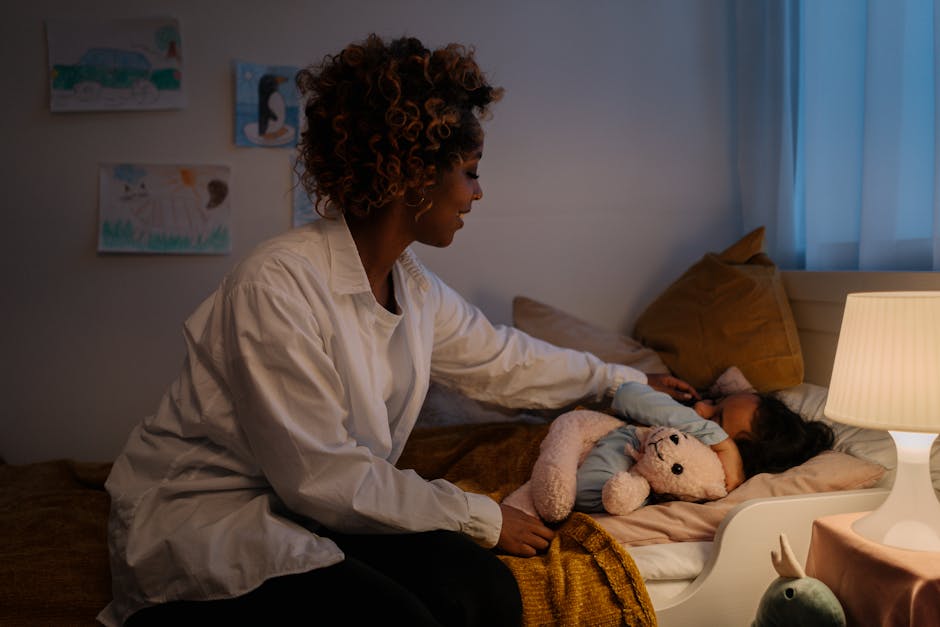
Gentle sleep training focuses on gradual independence rather than abrupt separation. These methods prioritize emotional security while still encouraging better sleep habits over time.
How gentle sleep training works
Gentle methods use gradual changes such as reducing assistance over time, maintaining presence, and slowly shifting sleep associations. Instead of eliminating comfort abruptly, parents slowly adjust sleep cues.
Responsive settling vs traditional Ferber method
| Method | Approach | Parent Involvement | Emotional Style |
|---|---|---|---|
| Responsive Settling | Comfort with gradual reduction | High | Gentle, adaptive |
| Ferber Method | Timed check-ins | Moderate | Structured independence |
Chair method, pick-up-put-down, and fading techniques
These approaches allow parents to stay present while slowly reducing intervention. Over time, the baby learns to fall asleep with less assistance while still feeling secure.
How calming sleep aids can support bedtime transitions
Some families find that gentle sensory cues help reinforce sleep routines without overstimulation. Tools like soft sound machines or soothing tactile aids can complement consistent routines.

For parents exploring gentle comfort tools, this Baby Sleep Soother can be used as part of a consistent bedtime routine to help signal calm and transition into sleep more smoothly. Check latest price.
Explore more calming solutions in our Sleep & Comfort collection and supportive tools in Mom Essentials to build a more relaxed bedtime environment.
Sample Wake Windows and Bedtime Schedules by Age

Understanding wake windows is one of the most powerful ways to improve sleep training outcomes. A wake window is the amount of time a baby can comfortably stay awake before needing sleep again.
| Age | Wake Window | Naps | Night Sleep |
|---|---|---|---|
| 0–3 months | 45–90 min | 4–6 naps | Irregular |
| 4–6 months | 1.5–2.5 hrs | 3–4 naps | 10–12 hrs (fragmented) |
| 6–9 months | 2–3.5 hrs | 2–3 naps | 11–12 hrs |
| 9–12 months | 3–4 hrs | 2 naps | 11–12 hrs |
Signs your baby is overtired versus undertired
Overtired babies may become fussy, hyperactive, or struggle to settle. Undertired babies may resist sleep or take a long time to fall asleep without clear fatigue cues.
Example gentle bedtime routine by age
- Bath or wipe-down routine
- Dim lighting and quiet environment
- Feeding (if age-appropriate)
- Gentle rocking or cuddling
- Consistent sleep cue (song or sound)
More structured guidance can be found in our Baby Growth & Learning collection and routine-building resources in Feeding & Nursing Tips.
Why Babies Still Wake Frequently After Sleep Training

Even after successful sleep training, night waking can still occur due to biological and developmental reasons.
Normal night waking vs problematic waking
Short wake-ups between sleep cycles are normal. However, prolonged or frequent waking may indicate schedule imbalance or environmental disruption.
Sleep regressions, teething, and developmental leaps
Common regressions occur around 4, 6, 8, and 12 months. These are temporary and usually resolve within 2–6 weeks with consistent routines.
When to revisit your sleep strategy
If night waking persists beyond developmental phases, reassessing wake windows, bedtime timing, and sleep associations is often more effective than restarting training entirely.
Creating a Calmer Sleep Environment Without Overstimulating Your Baby

A well-designed sleep environment plays a crucial role in sleep success. Babies are highly sensitive to sensory input, so reducing stimulation is essential.
The role of white noise machines and consistent sound cues
White noise helps mask sudden environmental sounds and provides a consistent auditory cue for sleep. This consistency can reduce night wakings caused by external disturbances.
How baby sleep soothers may help bedtime transitions
Gentle tactile or rhythmic cues can help babies associate bedtime with calmness and predictability. These tools work best when paired with a consistent routine rather than used as the sole sleep solution.

This Baby Sleep Soother offers adjustable rhythmic patting that can support bedtime transitions by reinforcing calm sleep cues. Explore more as part of a consistent sleep routine strategy.
Discover more supportive tools in our Smart Baby Gadgets collection and calming essentials in Sleep & Comfort.
What to avoid in the nursery sleep setup
- Bright overhead lighting before bedtime
- Overstimulating toys in the crib
- Excessive noise variability
- Overheating or poor ventilation
A Step-by-Step Reset Plan If Sleep Training Has Gone Off Track
If sleep training feels like it has stopped working, a structured reset can help restore balance without starting from scratch.
Step 1: Stabilize bedtime and wake windows
Focus on consistent sleep and wake timing for at least 5–7 days.
Step 2: Reduce overstimulation before bed
Limit active play and bright lights at least one hour before bedtime.
Step 3: Choose one gentle method and stay consistent
Switching methods frequently often resets progress. Choose one approach and maintain it.
Step 4: Track progress realistically
Look for gradual improvements rather than nightly perfection.
Explore structured support tools in our Health & Safety collection and practical guides in Baby Care Essentials.
"Sleep training success is less about perfection and more about predictable, responsive routines that match a baby’s developmental stage."
Comparison of Gentle Sleep Training Approaches
| Method | Best For | Time to See Results | Parent Involvement |
|---|---|---|---|
| Chair Method | High-contact comfort needs | 2–4 weeks | High |
| Pick-Up-Put-Down | Babies needing reassurance | 1–3 weeks | High |
| Fading Method | Gradual independence | 2–6 weeks | Moderate |
FAQ
Why is sleep training not working for my baby?
Most issues come from inconsistent routines, incorrect wake windows, overtiredness, or developmental changes rather than the method itself.
What are the biggest sleep training mistakes parents make?
Common mistakes include starting too early, changing methods frequently, ignoring wake windows, and expecting immediate results.
At what age should you start sleep training a baby?
Most babies are developmentally ready between 4–6 months, depending on sleep patterns and feeding needs.
How do gentle baby sleep training methods work?
They focus on gradual independence using reduced assistance, consistent routines, and responsive comfort instead of abrupt separation.
Why does my baby still wake up frequently at night after sleep training?
Night waking can be caused by regressions, hunger, environmental factors, or sleep cycle transitions.
What are wake windows and why do they matter for sleep training?
Wake windows determine how long a baby can stay awake before becoming overtired or undertired, both of which impact sleep quality.
Can sleep regressions ruin sleep training progress?
No. Regressions are temporary and usually resolve with consistent routines.
Is the Ferber method safe for babies?
When used correctly and at appropriate ages, it is widely considered a structured sleep training approach.
How long does gentle sleep training usually take?
Most gentle methods take 1–6 weeks depending on consistency and age.
What are the best alternatives to cry-it-out sleep training?
Popular alternatives include the chair method, pick-up-put-down, and fading techniques.
Conclusion
Sleep training challenges are extremely common and rarely indicate failure. Most setbacks come from timing, inconsistency, developmental changes, or environment—not from parents doing something wrong. With realistic expectations, gentle adjustments, and age-appropriate routines, sleep improvements are achievable and sustainable.
Consistency, not perfection, is the foundation of better sleep. As routines stabilize and wake windows become better aligned, babies gradually develop stronger sleep patterns and more predictable nights.
For additional support, explore our Sleep & Comfort collection, Baby Care Tips & Advice, and Mom Essentials to build a calmer, more supportive sleep environment for your family.
Pillar Article: Infant Sleep Training Methods: Gentle System for Better Night Sleep





