

Gentle Methods of Sleep Training: Step-by-Step Age-by-Age Guide
Few challenges in early parenting feel as emotionally and physically draining as fragmented infant sleep. Night wakings, short naps, and unpredictable bedtime routines can leave parents exhausted and unsure whether they are doing something wrong or simply waiting for a phase to pass. The reassuring truth from pediatric sleep research is that infant sleep development follows a biological progression—not a failure of routine or parenting.
Gentle sleep training methods offer a developmentally appropriate, responsive alternative to cry-it-out approaches. Instead of forcing independence prematurely, these methods focus on gradually shaping sleep patterns while maintaining emotional security and caregiver responsiveness. Supported by principles commonly referenced by organizations such as the American Academy of Pediatrics and the National Sleep Foundation, gentle sleep training emphasizes consistency, comfort, and biological readiness rather than rigid behavioral conditioning.
This guide breaks down how infant sleep works, when to start gentle sleep training, and how to apply step-by-step methods that align with different developmental stages—without overwhelming parents or babies.
What Are Gentle Methods of Sleep Training?

Gentle sleep training refers to a group of responsive techniques that help babies learn independent sleep skills while still receiving emotional support. Unlike extinction-based approaches, these methods reduce crying by keeping caregivers present, gradually reducing assistance, and respecting developmental limits.
Key Principles of Responsive Sleep Support
Gentle sleep training is built on a few foundational principles:
- Responsive caregiving: Parents respond to distress signals rather than ignoring them.
- Gradual change: Sleep habits are adjusted slowly over time.
- Predictability: Consistent bedtime routines signal sleep readiness.
- Developmental alignment: Expectations match age-appropriate sleep capability.
These principles make gentle sleep training particularly appealing for parents seeking balance between structure and emotional reassurance.
Why Parents Are Moving Away From Cry-It-Out Methods
Many modern caregivers prefer gentler approaches due to concerns about stress responses, attachment security, and emotional well-being. While sleep training research remains nuanced, increasing attention has been placed on methods that reduce prolonged distress and support caregiver-infant bonding during sleep transitions.
Rather than eliminating parental presence, gentle methods gradually shift it—helping babies internalize sleep cues while still feeling supported.
How Infant Sleep Works: The Science Behind Gentle Sleep Training
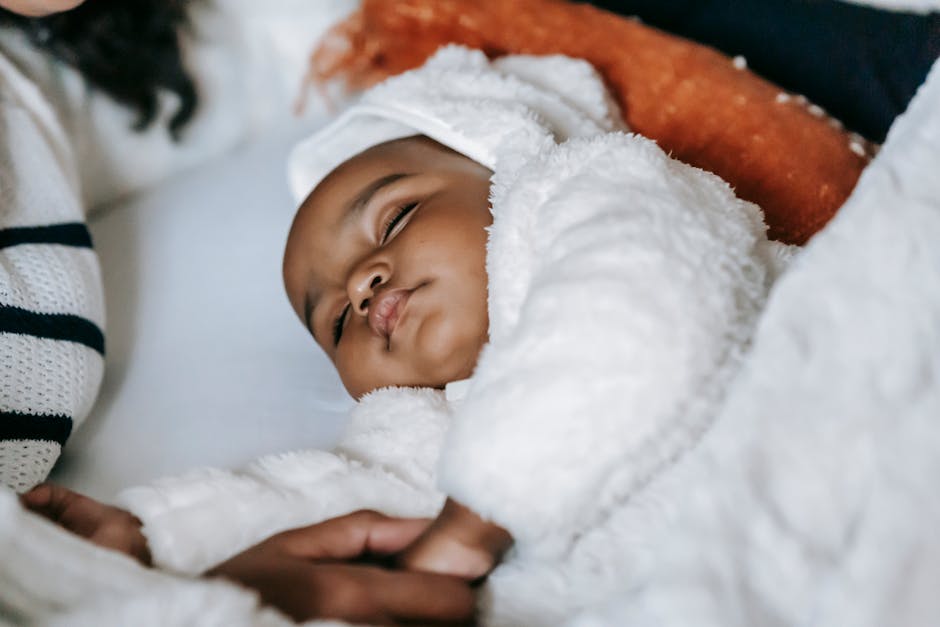
Understanding infant sleep biology is essential before attempting any sleep training method. Babies are not born with mature circadian rhythms or consolidated sleep cycles, which explains frequent night wakings in early months.
Circadian Rhythm in Infants and Biological Maturation
Newborns rely heavily on feeding-driven sleep cycles rather than light-based circadian rhythms. Around 8–12 weeks, melatonin production begins to regulate sleep-wake patterns more consistently. However, full circadian maturity continues developing over the first year of life.
This means early sleep disruptions are not behavioral problems—they are developmental realities.
Sleep Cycles, Night Wakings, and Developmental Changes
Infants cycle through lighter sleep stages more frequently than adults. As a result, brief awakenings are biologically normal. The challenge is not preventing all wakings, but helping babies learn how to return to sleep with gradually less assistance.
Gentle sleep training focuses on this transition by reducing sleep associations that require full parental intervention.
When to Start Gentle Sleep Training by Age

Timing is one of the most important factors in successful sleep shaping. Starting too early can lead to frustration, while starting too late may reinforce strong sleep associations.
Newborn Stage (0–3 Months): Focus on Soothing, Not Training
At this stage, babies need frequent feeding, contact, and flexible sleep cycles. The goal is not training but regulation. Focus on:
- Skin-to-skin comfort
- Day-night differentiation (light exposure during day, darkness at night)
- Short, consistent calming routines
3–6 Months: Early Sleep Shaping Window
This is often the earliest window for gentle sleep shaping. Babies begin developing more predictable circadian patterns. Parents can start introducing:
- Consistent bedtime routines
- Reduced sleep-on-contact dependency
- Light settling techniques
6–9 Months: Building Predictable Sleep Patterns
Many babies can begin learning independent sleep initiation skills during this phase. Separation awareness increases, but so does neurological sleep maturity.
9–12+ Months: Gentle Independence Building
At this stage, babies are capable of more structured sleep learning. Gentle methods can be applied more consistently, including gradual withdrawal and reduced parental intervention.
Best Gentle Sleep Training Methods Explained Step-by-Step
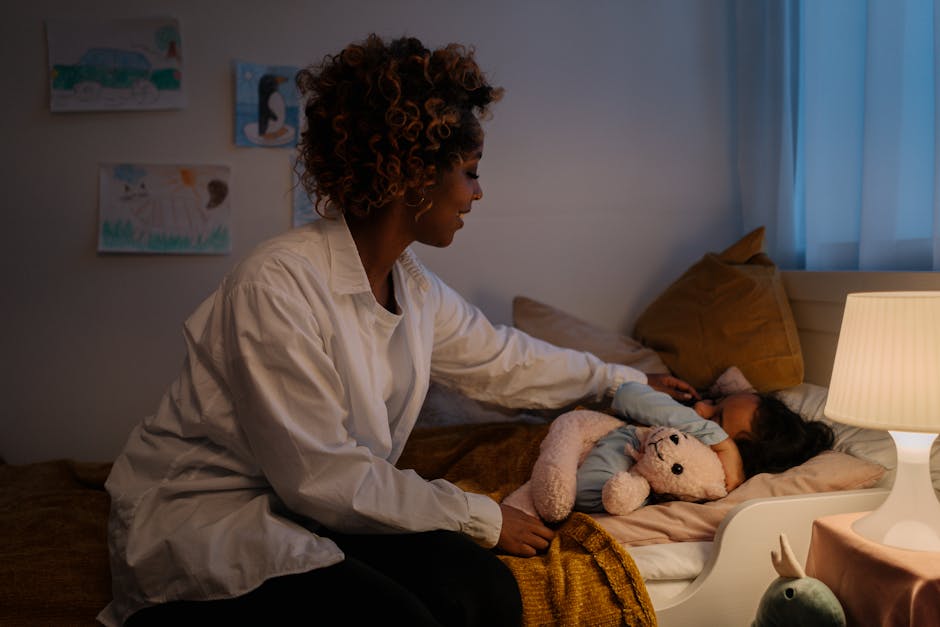
Gentle sleep training is not a single method but a toolkit of approaches. Parents often combine techniques depending on temperament, age, and sleep challenges.
Responsive Settling: Staying Present While Encouraging Sleep
This method involves staying close to the baby, offering reassurance through voice or touch, while avoiding full sleep assistance. The goal is to reduce dependency on being fully held or rocked to sleep.
Pick Up, Put Down Method
When a baby becomes distressed, the caregiver picks them up to calm them, then puts them back down once settled. Over time, the amount of holding is reduced.
Gradual Fading (Reducing Parental Assistance Over Time)
Parents slowly reduce involvement in falling asleep. For example, rocking is shortened each night until the baby can settle with minimal support.
Shush-Pat Technique Inspired by Pediatric Soothing Research
This technique uses rhythmic patting and shushing sounds to mimic womb-like comfort. It is especially useful for younger infants transitioning into crib sleep.
Chair Method (Slow Withdrawal Approach)
The caregiver sits near the crib and gradually moves farther away over several nights or weeks. This reduces separation anxiety while supporting independent sleep initiation.
| Method | Parent Involvement | Crying Level | Best Age Range |
| Responsive Settling | High | Low | 3–9 months |
| Pick Up/Put Down | High | Low–Moderate | 4–8 months |
| Gradual Fading | Moderate | Low | 6–12 months |
| Chair Method | Moderate–Low | Moderate | 6–12+ months |
“Sleep is a developmental skill, not a fixed behavior. When parents support gradual independence rather than abrupt separation, infants often build more stable long-term sleep patterns.” — Pediatric Sleep Consultant Insight
How to Start Gentle Sleep Training Without Cry-It-Out

Starting gentle sleep training requires structure, not intensity. The focus is on consistency and predictability rather than strict schedules.
Step 1: Establish a Predictable Bedtime Routine
A calming routine signals the nervous system that sleep is approaching. This might include bathing, dim lighting, feeding, and quiet storytelling.
Step 2: Optimize Sleep Environment
Sleep environment plays a major role in reducing night wakings. Keep the room dark, cool, and quiet. White noise can help mask sudden environmental sounds.
Step 3: Choose One Gentle Method and Stay Consistent
Switching methods frequently can confuse babies. Choose one approach and commit for at least 7–14 days before evaluating progress.
Step 4: Respond Calmly to Night Wakings
Night wakings are expected during training. The goal is not elimination but gradual reduction in assistance needed to return to sleep.
Age-by-Age Gentle Sleep Training Schedules and Examples

Sleep schedules help align biological rhythms with daily routines, reducing overtiredness and improving night sleep quality.
Sample Sleep Schedule for 3–6 Months
- Wake window: 1.5–2.5 hours
- 3–4 naps daily
- Early bedtime (6:30–8:00 PM)
Sample Sleep Schedule for 6–9 Months
- Wake window: 2.5–3.5 hours
- 2–3 naps daily
- More consistent nighttime sleep consolidation
Sample Sleep Schedule for 9–12+ Months
- Wake window: 3–4 hours
- 2 naps transitioning to 1 nap
- Longer nighttime sleep blocks
Optimizing Sleep Environment for Better Results

A well-optimized sleep environment often determines the success of gentle sleep training more than the method itself. Babies are highly sensitive to sensory input, and small adjustments can significantly improve sleep continuity.
Light, Temperature, and Noise Control
Darkness supports melatonin production, while a cool room temperature prevents discomfort-related wakings. Consistent white noise can help mask household sounds.
Using White Noise Safely and Effectively
White noise should be continuous, low-volume, and placed at a safe distance from the crib. It helps create a consistent auditory environment similar to womb conditions.
Sleep Safety Guidelines
Always follow safe sleep practices, including placing babies on their back, using a firm mattress, and avoiding loose bedding or soft objects in the crib.
For parents looking to enhance sleep consistency, supportive tools can complement gentle methods. In particular, sensory soothing aids can help reduce the intensity of sleep transitions.
One example is a rhythmic comfort tool designed to simulate calming touch:

Baby Sleep Soother with Gentle Patting for Better Night Sleep
This type of soothing motion can support babies who rely heavily on physical touch to fall asleep, gradually helping them transition toward more independent settling.
Another option includes a more adjustable comfort system with remote control features:

Baby Sleep Soother with Auto Patting & Remote Control Comfort
These tools are not replacements for sleep training methods but can support consistency by reducing the intensity of nighttime wake-ups and helping babies settle more easily during transitions.
Explore more supportive environments in the Sleep & Comfort collection, or discover additional supportive tools in Baby Care Essentials. Many parents also combine sleep strategies with calming routines found in the Massage & Relaxation collection for a more holistic bedtime approach.
Common Challenges and Troubleshooting Gentle Sleep Training
Even with consistent effort, sleep training rarely progresses in a perfectly linear way. Understanding common challenges helps parents adjust expectations and strategies.
Sleep Regression and Developmental Disruptions
Periods of regression often occur during developmental leaps, such as crawling or language development. These are temporary and typically resolve within 1–3 weeks.
Inconsistent Progress and Setbacks
Babies may show improvement for several nights and then regress. This does not indicate failure; it reflects neurological development and environmental sensitivity.
Overtired vs Undertired Babies
Both extremes can disrupt sleep. Overtired babies struggle to settle, while undertired babies resist sleep due to insufficient sleep pressure buildup.
Expert Guidance: What Pediatric and Sleep Organizations Recommend
Organizations such as the American Academy of Pediatrics emphasize safe sleep practices and age-appropriate expectations for infant sleep development. The National Sleep Foundation highlights that sleep consolidation naturally evolves over the first year of life.
American Academy of Pediatrics Sleep Recommendations
The AAP recommends safe sleep environments and acknowledges that sleep training approaches may vary depending on family needs, provided safety guidelines are followed.
National Sleep Foundation Insights on Infant Sleep
Infant sleep is expected to be fragmented in early months, gradually consolidating as circadian rhythms mature.
Role of Pediatric Sleep Consultants
Sleep consultants often help families tailor gentle methods to specific developmental and temperament needs, especially in complex sleep situations.
When Gentle Sleep Training May Not Be Working
Sometimes progress stalls despite consistency. This usually indicates a need for adjustment rather than abandonment of the approach.
Signs You Need to Adjust Your Approach
- No improvement after 2–3 weeks
- Increasing distress during bedtime routines
- Frequent night wakings with no pattern of improvement
When to Seek Professional Support
If sleep challenges persist, consulting a pediatrician or sleep specialist can help rule out medical or developmental issues and refine the sleep plan.
FAQ: Gentle Sleep Training Methods
What are the most effective gentle methods of sleep training for babies?
Responsive settling, gradual fading, and the chair method are widely used gentle approaches that prioritize emotional security while building independent sleep skills.
How do I start gentle sleep training without crying it out?
Begin with a consistent bedtime routine, optimize sleep environment, choose one gentle method, and gradually reduce sleep assistance over time.
At what age can I begin gentle sleep training methods?
Most gentle sleep shaping can begin around 3–6 months, depending on developmental readiness and feeding stability.
How long does gentle sleep training typically take to work?
Results vary, but many families see improvements within 1–3 weeks of consistent application.
What should I do if gentle sleep training is not working for my baby?
Reassess timing, sleep schedule, and method consistency. If needed, consult a pediatric sleep professional for personalized guidance.
Conclusion
Gentle sleep training is not about eliminating nighttime needs but gradually helping babies develop the ability to settle more independently over time. When approached with consistency, responsiveness, and realistic expectations, these methods align with natural developmental sleep progression rather than working against it.
Every baby develops at their own pace, and progress is rarely linear. What matters most is creating a calm, predictable environment where sleep skills can emerge gradually and sustainably.
For parents continuing this journey, additional guidance and supportive tools can be found across the Baby Care Essentials collection, along with practical routines and insights in the Baby Care Tips & Advice blog.
Consistency, patience, and responsiveness remain the foundation of truly gentle sleep training success.
Pillar Article: Infant Sleep Training Methods: Gentle System for Better Night Sleep





