

Best Gentle Sleep Training Techniques for Babies (2026 Parent Guide)
Sleep deprivation is one of the most overwhelming challenges new parents face. When a baby wakes every hour, struggles to settle, or only sleeps while being held, it can feel like nothing works and every advice contradicts the next. Some parents are told to “just let the baby cry it out,” while others are warned never to leave a baby unsettled for even a minute.
Gentle sleep training techniques offer a middle path. Instead of abrupt separation or strict extinction methods, gentle approaches focus on gradually teaching babies how to fall asleep independently while still feeling safe, supported, and emotionally secure. These methods prioritize responsiveness, consistency, and developmental readiness rather than forcing fast results.
This guide breaks down everything you need to know—from when to start, to which methods work best at different ages, to how to build realistic sleep schedules that actually fit your baby’s natural rhythm.
What Is Gentle Sleep Training?

Gentle sleep training refers to a group of methods designed to help babies learn independent sleep skills with minimal distress. Unlike more rigid approaches, gentle techniques reduce crying through gradual transitions, parental presence, and consistent bedtime routines.
The goal is not instant sleep or zero tears, but rather a slow shift from external soothing (rocking, feeding, holding) to internal soothing (self-settling).
How Gentle Sleep Training Differs From Cry-It-Out Methods
Cry-it-out methods typically involve placing a baby in their sleep space and allowing them to self-soothe without intervention for increasing periods of time. While effective for some families, this approach can feel emotionally difficult for many parents.
Gentle sleep training techniques, on the other hand, keep the parent involved. Instead of removing support completely, they gradually reduce it. For example, a parent might sit next to the crib, gradually move further away over time, or briefly comfort the baby without picking them up immediately.
Why Babies Struggle With Independent Sleep
Babies are not born knowing how to sleep through the night. Sleep cycles in infants are shorter than adults, and they naturally wake between cycles. If a baby relies on rocking, feeding, or holding to fall asleep, they may need the same conditions each time they wake.
Common contributing factors include:
- Strong sleep associations (feeding or rocking to sleep)
- Immature circadian rhythm development
- Frequent developmental milestones
- Startle reflex in younger infants
- Overtiredness from inconsistent schedules
Signs Your Baby May Be Ready for Gentle Sleep Training
Readiness is important. Starting too early can lead to frustration for both baby and parents. Common signs include:
- Baby is at least 4–6 months old
- Longer stretches of night sleep occasionally occur
- Feeding needs at night are decreasing
- Baby shows predictable nap patterns
- Comfort with brief separations during the day
If these signs are not present, focusing on routine-building may be more effective than structured training.
At What Age Can You Begin Gentle Sleep Training?

Age plays a major role in determining which gentle sleep training techniques are appropriate. A newborn’s sleep biology is very different from a 6-month-old or a 1-year-old.
Newborn Sleep Expectations (0–3 Months)
During the newborn stage, sleep is still biologically immature. Babies wake frequently for feeding, comfort, and regulation. At this stage, sleep training in the traditional sense is not recommended.
Instead, focus on:
- Establishing day-night awareness (light vs dark exposure)
- Creating simple bedtime cues (swaddle, white noise, gentle rocking)
- Encouraging full feeds during the day
Best Gentle Approaches for 4–6 Month Old Babies
This is often the earliest window where gentle sleep training techniques can be introduced. Babies begin developing more predictable circadian rhythms and longer sleep stretches.
Recommended approaches include:
- Fading parental involvement gradually
- Pick-up put-down method
- Consistent bedtime routines
This is also when many parents begin noticing sleep associations becoming stronger, especially if the baby relies heavily on rocking or feeding to fall asleep.
Sleep Training Older Babies (6–12 Months)
At this stage, babies are more physically capable of sleeping longer stretches. However, separation anxiety often emerges, making bedtime resistance more common.
Gentle techniques here often involve:
- Chair method (gradual withdrawal of presence)
- Consistent response patterns during night wakings
- Reducing sleep associations step-by-step
Toddler Sleep Challenges After 12 Months
For toddlers, sleep challenges are often behavioral and emotional rather than biological. Boundaries, consistency, and routine reinforcement become more important than physical soothing.
Common issues include bedtime resistance, climbing out of crib, and nighttime calling for parents.
The Most Effective Gentle Sleep Training Techniques for Babies

Gentle sleep training is not a single method but a toolkit. The best approach depends on your baby’s temperament and your family’s comfort level.
Chair Method
The chair method involves placing your baby in their crib while you sit nearby. Over several nights, you gradually move the chair further away until you eventually leave the room.
This method works well for babies who struggle with separation but respond to parental presence.
Pick Up Put Down Method
This technique involves picking up your baby when they cry, soothing them, and then placing them back down once calm. It may need to be repeated multiple times.
It is especially effective for younger infants who need reassurance but are beginning to learn independent settling.
Camping Out Method
Camping out means staying in the room while your baby falls asleep but offering minimal interaction. Over time, your presence becomes less active until your baby no longer needs it.
Fade-It-Out Sleep Training
This method focuses on gradually reducing sleep assistance such as rocking, feeding, or holding. For example, if you normally rock your baby for 10 minutes, you reduce it to 8, then 5, and so on.
Responsive Settling Techniques
Responsive settling emphasizes quick but minimal interventions. Instead of picking the baby up immediately, parents may use gentle patting, shushing, or brief touch to reassure the baby.
How the Ferber Method Compares to Gentle Sleep Training
The Ferber Method introduces timed check-ins that gradually increase between intervals. While often grouped with sleep training, it is generally more structured and may involve more crying than gentle approaches.
Gentle methods aim to stay present and responsive throughout the process rather than relying on timed absence.
Gentle Sleep Training Methods Comparison Chart

| Method | Parental Presence | Crying Level | Typical Time to Results | Best For |
|---|---|---|---|---|
| Chair Method | High → Gradual reduction | Low to Moderate | 7–14 days | Separation anxiety |
| Pick Up Put Down | Very High | Low | 10–21 days | Younger infants |
| Camping Out | High | Low | 7–10 days | Light sleepers |
| Fade-It-Out | Moderate | Low | 10–28 days | Sleep associations |
| Responsive Settling | High | Very Low | Varies | Sensitive babies |
Best Methods by Baby Temperament
- Sensitive babies: Responsive settling or camping out
- Strong-willed babies: Chair method or fade-out method
- Highly dependent sleepers: Pick up put down method
Which Methods Typically Involve the Least Crying?
In general, responsive settling and camping out methods tend to involve the least crying because the parent remains physically present and responsive throughout the process.
How to Start Gentle Sleep Training Step by Step
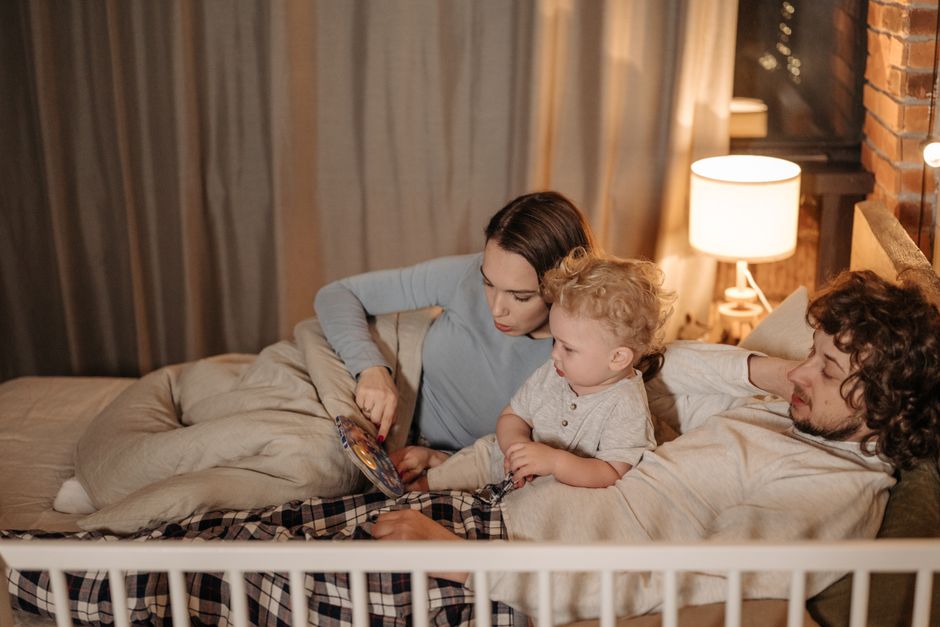
Starting gentle sleep training is less about strict rules and more about consistency and rhythm. Babies thrive on predictability, and small changes compound over time.
Create a Consistent Bedtime Routine
A predictable bedtime routine signals to your baby that sleep is approaching. This might include bathing, dim lighting, feeding, and a calming activity like reading or soft singing.
Consistency is more important than length. Even a 15–20 minute routine can be effective.
Optimize Wake Windows and Nap Timing
Overtired babies actually sleep worse, not better. Wake windows—the amount of time a baby can comfortably stay awake—should guide your daily schedule.
For example:
- 4–6 months: 1.5–2.5 hours
- 6–9 months: 2–3 hours
- 9–12 months: 2.5–4 hours
Build a Sleep-Friendly Environment
Sleep environment plays a critical role in gentle sleep training techniques. A calm, consistent environment helps reduce stimulation and signals safety.
Key factors include darkness, comfortable temperature, and consistent sound cues.
Many parents find additional structure through curated resources like the Sleep & Comfort collection, which focuses on tools that support consistent bedtime environments without overstimulation.
Reduce Sleep Associations Gradually
Instead of removing comfort habits suddenly, gently reduce them. If your baby is rocked to sleep, shorten the rocking time gradually while introducing crib drowsiness.
This prevents emotional shock and increases success rates.
Handle Night Wakings Without Restarting the Process
One of the biggest challenges parents face is inconsistency during night wakings. The key is to respond in the same way you started the bedtime routine.
If you used gentle patting at bedtime, use gentle patting at night—not a completely different method like feeding or rocking unless necessary.
Consistency helps babies connect sleep cycles more effectively.
Sample Gentle Sleep Training Schedule by Age
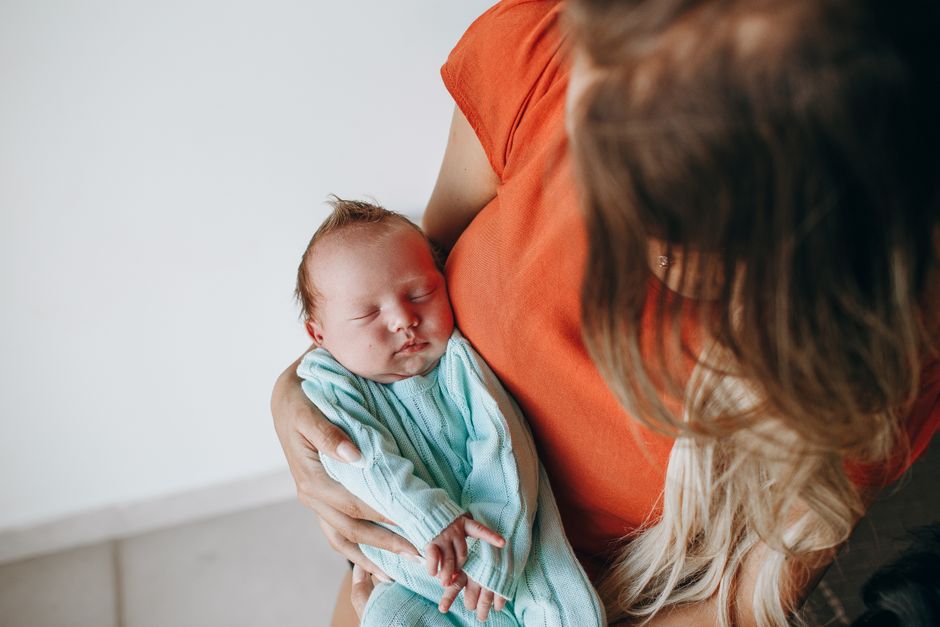
Sleep schedules are not rigid rules but flexible frameworks that support biological sleep needs.
4-Month Sleep Schedule Example
- Wake: 7:00 AM
- Nap 1: 9:00 AM
- Nap 2: 12:30 PM
- Nap 3: 4:00 PM
- Bedtime: 7:30 PM
6-Month Sleep Training Example
- Wake: 7:00 AM
- Nap 1: 9:30 AM
- Nap 2: 1:00 PM
- Nap 3 (optional): 4:30 PM
- Bedtime: 7:00–7:30 PM
9–12 Month Sleep Training Adjustments
- Wake: 6:30–7:00 AM
- Nap 1: 9:30 AM
- Nap 2: 2:00 PM
- Bedtime: 7:00 PM
At this stage, many babies transition from three naps to two, which can temporarily disrupt sleep patterns.
Common Gentle Sleep Training Problems and Fixes

Even with the best intentions, sleep training doesn’t always go smoothly. Understanding common issues can help you adjust without giving up entirely.
Why Gentle Sleep Training Sometimes Fails
The most common reason gentle sleep training does not work is inconsistency. If parents switch methods frequently or respond differently each night, babies struggle to understand expectations.
Handling Baby Sleep Regression During Training
Sleep regressions are temporary disruptions caused by developmental changes. During these periods, babies may wake more often or resist sleep even after progress has been made.
Instead of stopping the process entirely, maintain core routines while offering extra comfort when needed.
You can also find supportive guidance in the Baby Care Essentials collection, which helps parents maintain consistency during challenging developmental phases.
Managing Separation Anxiety at Bedtime
Separation anxiety typically peaks around 8–10 months. Babies may cry when a parent leaves the room even if they are tired.
Gradual presence-based methods like the chair method are especially helpful here.
What to Do if Naps Improve but Nights Do Not
This is very common. Day sleep and night sleep are regulated differently in infants. Often, night sleep takes longer to stabilize due to longer sleep cycles and hormonal rhythms.
Gentle Nap Training vs Night Sleep Training

Naps are often more challenging than nighttime sleep because sleep pressure is lower during the day.
Should Parents Start With Nights or Naps?
Most sleep experts recommend starting with nighttime sleep first. Nights typically show faster improvement because sleep pressure is higher.
Why Nap Training Often Takes Longer
Shorter sleep pressure and environmental distractions make daytime sleep more fragile. Babies may also rely more on motion or contact naps during the day.
How Wake Windows Affect Daytime Sleep
Incorrect wake windows are a leading cause of short naps. Overtired babies struggle to settle, while undertired babies resist sleep entirely.
Best Products to Support Gentle Sleep Training

Gentle sleep training techniques work best when paired with a consistent and calming sleep environment. Support tools should never replace parental comfort, but they can help reinforce sleep cues and reduce overstimulation.
White Noise and Sleep Comfort Support
White noise helps mask sudden environmental sounds that may wake a light-sleeping baby. It also creates a consistent auditory cue associated with sleep time.
Another supportive option for parents looking to reinforce gentle sleep cues is:
Baby Sleep Soother with Gentle Patting for Better Night Sleep

This type of soothing support mimics gentle rhythmic touch, which can complement methods like fade-out or responsive settling by reinforcing calm transitions into sleep. It works best when integrated into a consistent bedtime routine rather than used as a standalone solution.
What Parents Should Realistically Expect During Gentle Sleep Training

Progress in gentle sleep training is rarely linear. Some nights will feel smooth, while others may feel like a step backward. This is normal and expected.
Normal Progress Patterns During the First Two Weeks
Many families notice small improvements within the first 3–5 nights, followed by temporary setbacks. This pattern often reflects developmental adjustment rather than failure.
Why Consistency Matters More Than Perfection
Babies learn through repetition. Even imperfect consistency is more effective than constantly changing approaches. The goal is not perfection but predictability.
When to Pause or Adjust Your Approach
If your baby is experiencing illness, major developmental changes, or extreme distress, it may be appropriate to pause and resume later with adjustments to timing or method.
Gentle Sleep Training Methods Comparison Overview

| Factor | Key Insight |
|---|---|
| Crying Level | Lowest in responsive and presence-based methods |
| Parental Involvement | Gradually reduced over time in gentle approaches |
| Best Age Range | 4–12 months depending on method |
| Time to Results | 7–28 days depending on consistency |
FAQ: Gentle Sleep Training Techniques
What are the most effective gentle sleep training techniques for babies?
The most effective methods include the chair method, pick-up put-down, camping out, fade-out techniques, and responsive settling. The best choice depends on your baby’s age and temperament.
How do you start gentle sleep training without crying it out?
Begin by establishing a consistent bedtime routine, then gradually reduce sleep associations such as rocking or feeding while staying present to comfort your baby.
At what age can you begin gentle sleep training?
Most babies are developmentally ready between 4–6 months, once circadian rhythms begin to mature and feeding patterns become more stable.
How long do gentle sleep training methods take to work?
Most families see noticeable improvement within 1–3 weeks, depending on consistency, method, and baby temperament.
What is the difference between Ferber and gentle sleep training methods?
Ferber uses timed check-ins with increasing intervals, while gentle methods focus on continuous parental presence and gradual withdrawal without extended separation.
Can gentle sleep training work for breastfed babies?
Yes, but it may require gradual adjustment of feeding-to-sleep associations rather than abrupt changes.
How much crying is normal during gentle sleep training?
Some fussing is normal as babies adjust, but gentle methods aim to minimize prolonged distress through consistent parental support.
Should naps and nighttime sleep be trained at the same time?
It is usually recommended to start with nighttime sleep first, then address naps once nighttime patterns stabilize.
What should parents do during a sleep regression?
Maintain routines as much as possible while offering extra comfort. Sleep regressions are temporary and usually resolve within a few weeks.
Can gentle sleep training improve short naps?
Yes, especially when combined with appropriate wake windows and consistent nap routines.
Final Thoughts on Gentle Sleep Training Techniques
Gentle sleep training is not about eliminating comfort or ignoring a baby’s needs. It is about slowly teaching healthy sleep habits through predictable routines, responsive care, and gradual independence. Every baby progresses at their own pace, and setbacks are part of the process rather than signs of failure.
With consistency, patience, and age-appropriate expectations, most families find that sleep becomes more predictable and less stressful over time—without needing to resort to extreme methods.
For more supportive guidance and practical baby care resources, explore the Baby Care Tips & Advice collection and the Mom Essentials collection to build a calmer, more structured daily routine for both parent and baby.
Pillar Article: Infant Sleep Training Methods: Gentle System for Better Night Sleep





