
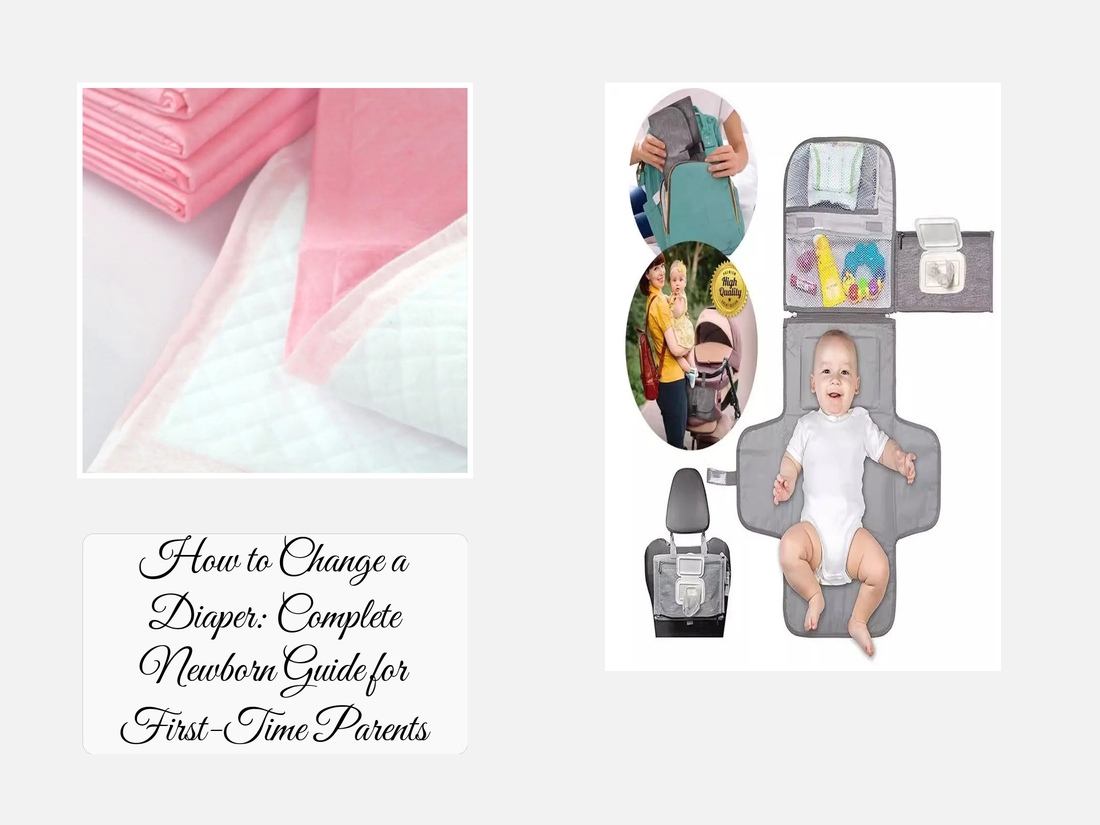
How to Change a Diaper: The Complete First-Time Parent Guide
Learning how to change a diaper is one of the first practical parenting skills most caregivers develop. While the first few diaper changes can feel intimidating, the process quickly becomes routine with preparation and practice. A clean diaper helps keep babies comfortable, supports healthy skin, reduces the risk of diaper rash, and allows parents to monitor their child's overall well-being.
This comprehensive guide covers every stage of diaper changing, including step-by-step instructions, newborn hygiene practices, diaper rash prevention, diaper frequency recommendations, diaper sizing guidance, cloth versus disposable diaper considerations, travel diapering strategies, and solutions to common diapering challenges. Whether you are caring for a newborn for the first time or refreshing your skills before a new arrival, this guide will help you build confidence and create a safe diapering routine.
How to Change a Newborn's Diaper: Step-by-Step Instructions

Follow these seven simple steps every time you change your baby's diaper.
Step 1: Gather Everything Before You Start
Before placing your baby on a changing surface, collect all supplies within arm's reach. This typically includes a clean diaper, wipes, diaper cream if needed, a clean change of clothes, and a safe place to dispose of the used diaper.
Preparing ahead of time prevents you from leaving your baby unattended and makes diaper changes faster and less stressful.
Step 2: Place Your Baby on a Safe Changing Surface
Use a stable changing table, changing pad, or clean flat surface. Always keep one hand on your baby, especially once they begin rolling. Even young infants can move unexpectedly.
Step 3: Remove the Dirty Diaper
Undo the diaper tabs and gently fold the front half down. Use the clean front portion of the diaper to wipe away excess stool when appropriate. Lift your baby's ankles gently and slide the dirty diaper away.
Step 4: Clean the Diaper Area Properly
Wipe from front to back, especially for baby girls, to reduce the risk of infection. Use gentle wipes or a soft damp cloth. Be sure to clean skin folds where moisture can become trapped.
Step 5: Apply Diaper Cream if Needed
If your baby has redness, irritation, or is prone to diaper rash, apply a thin protective layer of diaper cream. Zinc oxide products are commonly used to protect skin from excess moisture.
Step 6: Put on a Fresh Diaper
Place the clean diaper underneath your baby and pull the front panel upward. Fasten the tabs securely but comfortably. The diaper should fit snugly without leaving deep marks on the skin.
Step 7: Dispose of the Dirty Diaper and Wash Your Hands
Seal disposable diapers before discarding them. If using cloth diapers, place them in a designated storage container. Finish every diaper change by washing your hands thoroughly with soap and water.
What You Need Before Every Diaper Change
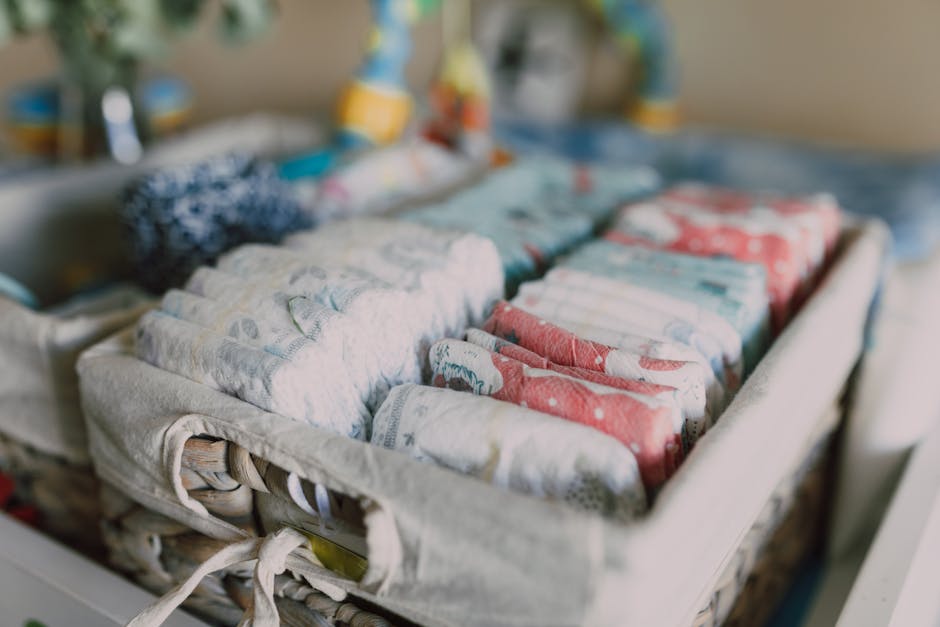
Essential Diaper Changing Supplies Checklist
- Clean diapers
- Baby wipes or soft washcloths
- Diaper cream
- Clean clothing
- Changing surface
- Hand sanitizer for emergencies
- Disposable bags for waste
Many parents organize these items in a dedicated diaper station. Helpful resources can also be found throughout the Baby Care Essentials collection and the Baby Care Tips & Advice section.
One practical example of a reusable diaper-changing accessory is the Portable Baby Changing Pad – Waterproof & Soft Comfort.

A waterproof changing pad can help create a clean and comfortable surface during diaper changes, especially when traveling or visiting family.
Optional Supplies That Make Diaper Changes Easier
- Diaper organizer
- Portable changing pad
- Diaper pail
- Extra burp cloths
- Night-light for overnight changes
- Spare blankets
Creating a Diaper Changing Station at Home
Store frequently used supplies together and restock them regularly. Many families keep one primary diaper station and one portable basket for quick changes elsewhere in the home.
Parents often combine diapering supplies with items from the Health & Safety collection and the Baby Hygiene Gadgets collection to simplify daily routines.
How Often Should You Change a Newborn's Diaper?

Newborn Diaper Change Frequency by Age
| Age | Average Changes Per Day |
| 0-1 Month | 10-12 |
| 1-5 Months | 8-10 |
| 6-12 Months | 6-8 |
| 12+ Months | 4-7 |
Newborns typically require frequent diaper changes because they urinate often and have multiple bowel movements daily. Prompt changes help maintain skin health and reduce irritation.
Signs It's Time for a Diaper Change
- Wetness indicator changes color
- Diaper feels heavy
- Visible bowel movement
- Baby appears uncomfortable
- Strong odor
Should You Wake a Sleeping Baby for a Diaper Change?
Healthy babies generally do not need to be awakened solely for a wet diaper. However, a bowel movement should be changed promptly to reduce prolonged skin exposure to moisture and bacteria.
Newborn Diaper Size Chart and Selection Guide

Understanding Newborn and Size 1 Diapers
Diaper sizes are typically based on weight rather than age. A properly fitted diaper helps prevent leaks, blowouts, and skin irritation.
Diaper Size Chart by Weight
| Diaper Size | Weight Range |
| Newborn | Up to 10 lbs |
| Size 1 | 8-14 lbs |
| Size 2 | 12-18 lbs |
| Size 3 | 16-28 lbs |
| Size 4 | 22-37 lbs |
Signs Your Baby Needs a Larger Diaper Size
- Frequent leaks
- Red marks around legs or waist
- Tabs barely reach the center
- Diaper feels overly tight
- Frequent blowouts
Choosing the right size is one of the easiest ways to improve comfort and reduce diaper-related problems.
How to Prevent Diaper Rash During Every Diaper Change
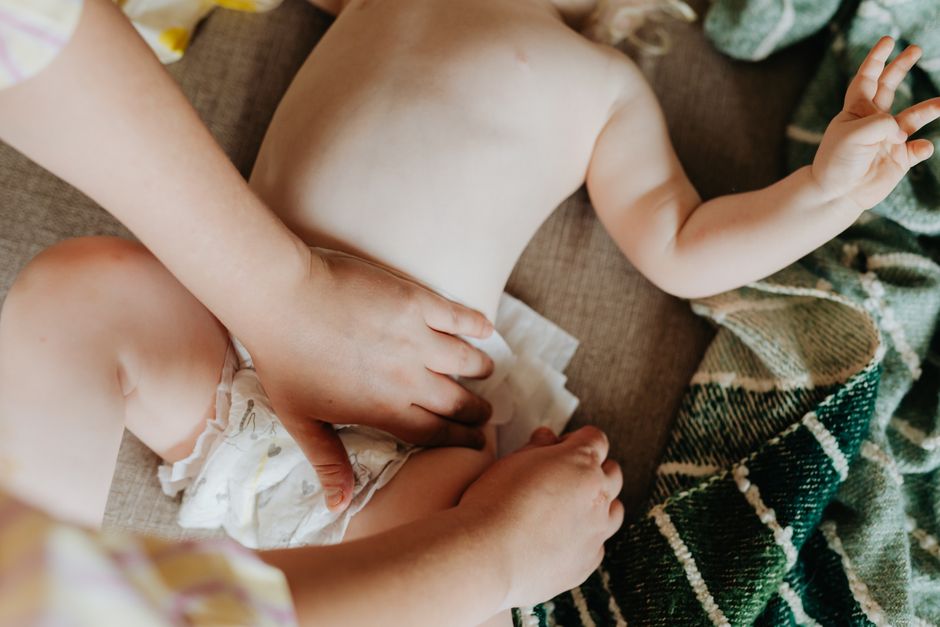
What Causes Diaper Rash in Newborns?
Diaper rash develops when moisture, friction, stool, urine, or irritants remain in contact with the skin for extended periods. Sensitive skin, illness, dietary changes, and infrequent diaper changes can also contribute.
The Daily Diaper Rash Prevention Routine
- Change diapers promptly.
- Clean gently.
- Allow skin to dry completely.
- Use barrier cream when necessary.
- Avoid overly tight diapers.
- Monitor for recurring irritation.
Parents seeking broader wellness resources often explore the Health & Safety Tips section for additional newborn care guidance.
When to Use Zinc Oxide Diaper Cream
Zinc oxide creams create a protective barrier between the skin and moisture. They are often helpful when redness appears or when babies are prone to irritation.
When Petroleum Jelly May Be Helpful
Petroleum jelly can reduce friction and provide an additional moisture barrier. Some parents use it preventively when skin is healthy but vulnerable to irritation.
When to Contact a Pediatrician
Seek medical advice if a rash becomes severe, develops blisters, spreads significantly, or does not improve after several days of proper care.
Consistent diaper changes, gentle cleaning, and maintaining dry skin are the foundations of effective diaper rash prevention.
Special Considerations for Newborn Skin and Umbilical Cord Care

Protecting Sensitive Newborn Skin
Newborn skin is thinner and more sensitive than adult skin. Avoid harsh fragrances, aggressive scrubbing, and unnecessary products. Simplicity is often best.
How to Diaper Around the Umbilical Cord Stump
Until the umbilical cord stump falls off naturally, fold the front edge of the diaper below the stump. This helps keep the area dry and reduces irritation.
Choosing Wipes for Sensitive Skin
Look for fragrance-free options when possible. Some families prefer soft cloths and warm water during the first few weeks of life.
Additional hygiene resources are available through the Baby Bath Accessories and Temperature Tools collections.
Cloth Diapers vs Disposable Diapers for Newborns

Pros and Cons of Disposable Diapers
| Pros | Cons |
| Convenient | Ongoing cost |
| Highly absorbent | Creates more waste |
| Easy for travel | Less reusable |
Pros and Cons of Cloth Diapers
| Pros | Cons |
| Reusable | More laundry |
| Lower long-term cost | Requires planning |
| Less waste | Less convenient while traveling |
Which Option Is Best for First-Time Parents?
There is no universal answer. Disposable diapers provide convenience, while cloth diapers appeal to families prioritizing reusability. Many households use a hybrid approach.
Parents balancing newborn care responsibilities often find helpful organizational products within the Mom Essentials collection.
Explore baby care essentials for additional diapering and hygiene solutions that support everyday routines.
The Most Common Diaper Changing Mistakes and How to Avoid Them
Fastening the Diaper Too Tight or Too Loose
A diaper that is too tight can leave marks and cause discomfort. One that is too loose may leak. Aim for a snug but comfortable fit.
Skipping Hand Washing
Hand hygiene protects both caregivers and babies. Wash before and after diaper changes whenever possible.
Waiting Too Long Between Diaper Changes
Delaying changes increases the risk of diaper rash and discomfort. Frequent checks help maintain healthy skin.
Using Too Many or Too Few Wipes
Use enough wipes to clean thoroughly without excessive rubbing. Gentle cleansing is especially important for sensitive newborn skin.
How to Change a Diaper While Traveling

Travel Diaper Bag Essentials Checklist
- Diapers
- Wipes
- Changing pad
- Spare clothing
- Plastic disposal bags
- Hand sanitizer
- Diaper cream
Using a Portable Changing Pad Safely
When changing diapers away from home, a dedicated changing surface helps reduce contact with public surfaces. One example is the Baby Disposable Changing Pad – Waterproof & Travel Friendly.

Disposable changing pads can be particularly useful in airports, public restrooms, road trips, and other situations where cleaning a reusable surface may be difficult.
When Disposable Changing Pads Are Most Useful
- Travel days
- Public restrooms
- Doctor appointments
- Outdoor activities
- Emergency diaper changes
Diaper Changes in Public Restrooms and On the Go
Always inspect public changing stations before use. Place a barrier between your baby and the surface whenever possible and clean your hands afterward.
Families preparing for outings frequently pair diapering supplies with items from the Sleep & Comfort collection and the Feeding Tools collection for complete travel readiness.
Troubleshooting Common Diapering Challenges
Baby Cries During Every Diaper Change
Some babies dislike being undressed or exposed to cooler air. Try warming wipes slightly, speaking calmly, and keeping diaper changes efficient.
Frequent Diaper Leaks
Check diaper sizing first. Leaks are often caused by a diaper that is too small, poorly positioned, or not secured properly.
Diaper Blowouts
Blowouts commonly occur when diapers are too small or when bowel movements exceed the diaper's capacity. Sizing up often helps.
Diaper Rash That Keeps Returning
Recurring rash may indicate prolonged moisture exposure, sensitivity to products, infection, or an underlying medical issue. Consult a healthcare professional if the problem persists.
Wiggly Babies Who Won't Stay Still
Provide a safe toy, sing songs, or narrate what you are doing. As babies become more active, distraction techniques often make diaper changes easier.
Frequently Asked Questions
How do you change a diaper for a newborn step by step?
Gather supplies, place the baby on a safe surface, remove the dirty diaper, clean the diaper area, apply cream if needed, fasten a fresh diaper, and wash your hands afterward.
How often should you change a newborn's diaper?
Most newborns need diaper changes approximately 10 to 12 times daily.
How can you prevent diaper rash during diaper changes?
Change diapers promptly, clean gently, dry the skin thoroughly, and use barrier creams when appropriate.
What size diaper should a newborn wear?
Most newborns wear newborn-size diapers initially, though larger babies may start in size 1.
Are cloth diapers or disposable diapers better for newborns?
Both options can work well. The best choice depends on lifestyle, budget, convenience preferences, and laundry capacity.
How many diapers does a newborn use per day?
Most newborns use between 10 and 12 diapers daily.
Should you use diaper cream at every diaper change?
Not necessarily. Many parents reserve cream for prevention during high-risk periods or when irritation appears.
How tight should a newborn's diaper be?
The diaper should fit snugly while allowing comfortable movement and avoiding deep skin marks.
Can baby wipes be used on a newborn?
Yes, especially gentle fragrance-free varieties. Some families prefer soft cloths and water during the first weeks.
When should you move up to the next diaper size?
Move up when leaks increase, red marks appear, or the diaper no longer fits comfortably.
Conclusion
Learning how to change a diaper is a skill that becomes easier with repetition. By preparing supplies ahead of time, following a consistent cleaning routine, choosing the correct diaper size, and responding quickly to wet or soiled diapers, parents can keep babies comfortable and healthy.
Remember that diaper changing is about more than hygiene. It is also an opportunity to connect with your baby, monitor their health, and establish daily caregiving routines. With patience, preparation, and consistency, even first-time parents can approach every diaper change with confidence.
For additional parenting resources, explore the Baby Care Tips & Advice hub and browse the Baby Care Essentials collection for tools that support everyday newborn care.
Pillar Article: How to Start Potty Training: A Step-by-Step System to Reduce Resistance, Regression, and Accidents





