

How To Choose Safe Baby Gear For First-Time Parents In 2026
Preparing for a new baby in 2026 can feel overwhelming. Between endless registry recommendations, social media trends, and expensive “must-have” gadgets, many first-time parents struggle to determine what baby gear is actually necessary. Safety concerns add even more pressure, especially when trying to balance portability, apartment-friendly storage, travel convenience, and long-term practicality.
The good news is that choosing safe baby gear becomes much easier when you follow a simple framework. Instead of focusing on brand hype or aesthetic trends, parents can make smarter decisions by prioritizing certified safety standards, multifunctional design, portability, easy cleaning, and realistic daily routines. This guide will help you simplify baby gear clutter, create a minimalist baby registry, and confidently choose practical products for newborns through toddler years.
Why Choosing Safe Baby Gear Feels Overwhelming For First-Time Parents
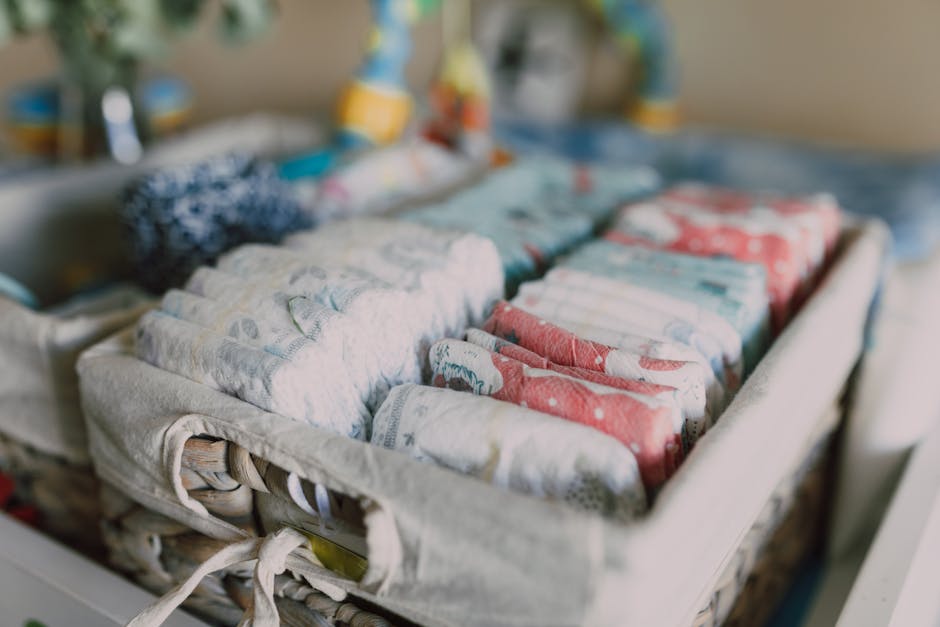
Modern baby gear marketing often pushes parents toward buying more than they actually need. From oversized nursery furniture to trendy gadgets that rarely get used, first-time parents can easily spend thousands of dollars on products that create clutter instead of convenience.
The Hidden Problem With Modern Baby Registries
Many baby registries encourage overconsumption. Parents are often told they need multiple strollers, specialized feeding gadgets, bulky swings, and decorative nursery items before the baby even arrives. In reality, most families benefit more from versatile, compact essentials that support daily routines.
Minimalist baby gear for small apartments has become increasingly popular because families want products that reduce clutter and simplify organization. Compact travel cribs, foldable toy storage solutions, and multifunctional diaper organization systems often provide more value than oversized nursery setups.
Parents looking to simplify their routines can explore practical solutions in the Baby Care Essentials collection and browse organization ideas inside the Baby Care Tips & Advice resource hub.
Why Safety Standards Matter More Than Brand Popularity
Expensive products are not automatically safer. The safest baby gear is typically the equipment that meets federal standards, has clear testing certifications, and supports proper usage. Parents should always prioritize safety compliance over social media popularity.
Safe baby gear should:
- Meet current federal safety standards
- Include clear assembly instructions
- Use non-toxic materials
- Contain secure locking systems
- Avoid choking hazards or unstable construction
- Provide easy-to-clean surfaces
Understanding safety standards early helps parents avoid unsafe secondhand gear, low-quality imports, and unnecessary products that may complicate daily parenting routines.
The 5-Step System For Choosing Safe Baby Gear

Parents can simplify every buying decision by following a five-step evaluation system focused on safety, practicality, space efficiency, and long-term usability.
Step 1: Check For JPMA Certification And Federal Safety Compliance
Always verify whether baby gear complies with current safety standards. Products certified by the Juvenile Products Manufacturers Association (JPMA) are independently tested against recognized safety requirements.
Before purchasing any baby gear, check:
- JPMA certification labels
- Consumer Product Safety Commission recall history
- ASTM International compliance standards
- Age and weight recommendations
- Manufacturer registration information
This is especially important for car seats, cribs, strollers, bassinets, carriers, and feeding products.
Step 2: Prioritize Daily Functionality Over Trendy Features
Many parents regret buying baby products with complicated features that rarely improve daily routines. Instead of choosing gear based on appearance alone, focus on how often the item will actually be used.
Questions to ask include:
- Can this product simplify everyday tasks?
- Is it easy to clean?
- Can it be operated with one hand?
- Will it fit your living space?
- Can it travel easily?
Parents often discover that compact, portable baby gear delivers better long-term value than oversized nursery equipment.
Step 3: Measure Storage Space Before Buying Large Gear
Apartment-friendly baby gear planning prevents clutter and unnecessary stress. Before buying swings, changing tables, or travel systems, measure storage areas carefully.
Space-saving baby gear for apartments should ideally:
- Fold flat for storage
- Serve multiple functions
- Fit under beds or inside closets
- Be lightweight enough for daily movement
- Reduce duplicate equipment
Families living in smaller homes often benefit from products found in the Sleep & Comfort and Mom Essentials collections because they emphasize practical daily use.
Step 4: Choose Multi-Stage Products That Grow With Your Baby
Convertible and multi-stage baby products reduce clutter while saving money long term. Gear that adapts across developmental stages minimizes duplicate purchases.
Examples include:
- Convertible cribs
- Adjustable high chairs
- Expandable strollers
- Convertible carriers
- Portable changing stations
Choosing adaptable gear is especially important for minimalist newborn essentials for first-time parents.
Step 5: Focus On Portability And Easy Cleaning
Travel-friendly baby gear should simplify outings rather than create more stress. Lightweight construction, washable materials, compact folding systems, and organized compartments make daily parenting easier.
Portable washer solutions for baby clothes, compact feeding organizers, and travel-ready diaper systems are particularly useful for busy families constantly on the move.
Understanding Baby Gear Safety Certifications And Standards

Learning how safety certifications work helps parents confidently evaluate products beyond marketing claims.
What JPMA Certification Actually Means
JPMA certification confirms that a product meets established safety requirements through independent testing. Certified products are evaluated for durability, structural integrity, pinch hazards, and stability.
However, certification does not guarantee that parents can ignore proper usage instructions. Even certified products become unsafe when assembled incorrectly or used outside recommended age ranges.
How ASTM International Baby Safety Standards Protect Families
ASTM International develops voluntary technical standards used throughout the juvenile product industry. These standards cover:
- Crib safety
- Stroller stability
- Toy material safety
- Bassinet construction
- Sleep environment guidelines
- High chair restraint systems
Understanding ASTM compliance helps parents avoid low-quality products that may not undergo proper testing.
When To Check Consumer Product Safety Commission Recalls
Parents should check recall databases before purchasing new or secondhand baby products. This is especially important for:
- Used cribs
- Secondhand swings
- Older car seats
- Vintage walkers
- Hand-me-down bassinets
Many recalled products continue circulating through resale marketplaces long after warnings are issued.
Common Red Flags That Signal Unsafe Baby Products
Parents should avoid products that:
- Lack manufacturer information
- Contain loose stitching or unstable hardware
- Have sharp edges
- Use poor-quality plastic materials
- Include excessive detachable parts
- Do not provide safety certifications
- Have unclear age recommendations
Educational resources inside the Health & Safety Tips section can help parents learn more about safe nursery planning and product evaluations.
What Baby Gear Is Actually Necessary In The First Year
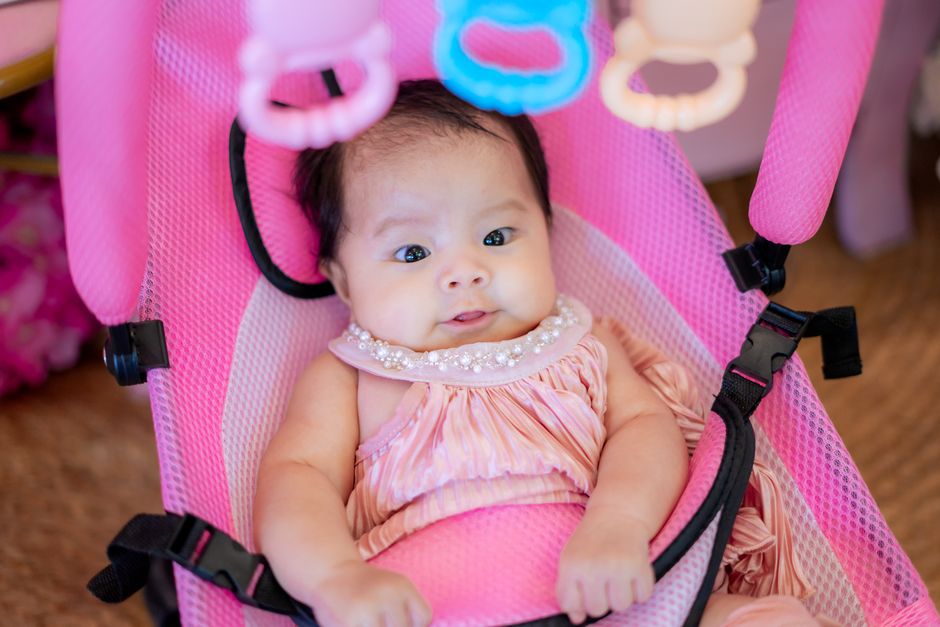
Most newborns need far fewer products than marketing campaigns suggest. The goal should be building a practical setup that supports feeding, sleep, hygiene, transportation, and organization.
Must-Have Baby Gear For Newborns
New parents should prioritize these categories first:
- Safe sleep setup
- Feeding supplies
- Diapering essentials
- Travel-friendly stroller or carrier
- Basic grooming and hygiene tools
- Portable storage systems
- Weather-appropriate clothing
One helpful example of multifunctional organization gear is the 3-in-1 Diaper Bag Backpack with Foldable Baby Bed, which combines diaper organization, portable changing support, and travel storage in a single compact solution.

Parents who frequently travel or manage errands often prefer multifunctional products because they reduce the number of bags and accessories needed outside the home.
Baby Products Most First-Time Parents Regret Buying
Many parents later realize they purchased too many products before understanding their baby’s actual routines.
Frequently regretted purchases include:
- Oversized nursery furniture
- Duplicate bottle systems
- Large swings that occupy excessive floor space
- Complicated wipe warmers
- Multiple diaper bags
- Bulky changing stations
- Decorative nursery accessories
Minimalist baby gear strategies help families focus on functionality rather than quantity.
The Best Minimalist Baby Registry Essentials
A practical minimalist registry typically includes:
- Convertible sleep solution
- Compact stroller
- Portable diaper organization system
- Feeding essentials
- Simple grooming kit
- Baby carrier
- Foldable storage bins
- Basic sensory toys
Parents building streamlined registries often browse the Feeding & Nursing and Health & Safety collections to identify practical essentials without overbuying.
Explore practical minimalist baby essentials for everyday routines.
How To Choose Baby Gear For Small Apartments

Small-space parenting requires strategic planning. Every item should earn its place by serving multiple functions or supporting daily efficiency.
Space-Saving Baby Gear That Actually Works
The best compact baby essentials for small spaces usually share these characteristics:
- Foldable frames
- Stackable storage
- Convertible functionality
- Portable construction
- Lightweight materials
Foldable toy storage ideas for toddlers are especially useful because toy clutter grows rapidly after the newborn stage.
| Gear Type | Space-Saving Benefit | Best For |
| Convertible Crib | Long-term use | Small nurseries |
| Portable Diaper Caddy | Room-to-room mobility | Apartments |
| Compact High Chair | Foldable storage | Tight kitchens |
| Travel Crib | Multi-room flexibility | Minimalist homes |
| Stackable Toy Bins | Vertical storage | Toddler organization |
Why Convertible Strollers Reduce Clutter Long-Term
Convertible strollers can replace multiple pieces of equipment by adapting from infancy into toddler stages. This reduces duplicate purchases and simplifies storage.
Parents should prioritize:
- One-hand folding systems
- Lightweight frames
- Compact trunk storage
- Washable fabrics
- Expandable seating options
Using Portable Diaper Caddies To Simplify Daily Routines
Portable diaper organization systems help parents avoid constantly moving supplies between rooms. A compact diaper caddy can hold wipes, diapers, creams, spare clothing, bottles, and grooming tools in one accessible location.
This organization method works especially well for apartment living where dedicated nursery space may be limited.
Compact Travel Cribs Versus Full Nursery Setups
Many families discover that compact travel cribs offer more flexibility than oversized nursery furniture. Portable cribs can move between rooms, travel easily, and store efficiently when not in use.
For additional apartment-friendly organization ideas, parents can explore the Mom Essentials Guide and browse multifunctional products in the Smart Baby Gadgets collection.
The Best Travel-Friendly Baby Gear Worth Buying

Travel-ready baby gear should reduce stress, simplify packing, and support mobility during errands, flights, road trips, and family outings.
Features That Make Baby Gear Truly Travel-Friendly
Not all portable baby products are equally practical. Parents should prioritize:
- Lightweight construction
- Compact folded dimensions
- Easy cleaning
- Fast setup systems
- Organized compartments
- Durable materials
Travel-friendly gear should also fit naturally into daily parenting routines rather than requiring additional accessories.
How To Evaluate Baby Carrier Ergonomics
Baby carriers should support healthy hip positioning while distributing weight evenly across the caregiver’s shoulders and back.
Look for:
- Wide seat support
- Adjustable straps
- Breathable materials
- Padded waistbands
- Certified ergonomic positioning
Lightweight Gear Every Traveling Parent Appreciates
Experienced parents often prioritize compact essentials like:
- Portable feeding organizers
- Travel bottle warmers
- Compact changing pads
- Foldable toy storage
- Lightweight strollers
- Portable washers for baby clothes
Families planning frequent travel often browse the Feeding Tools and Bottle Warmers collections for portable feeding solutions.
Mistakes Parents Make When Buying Travel Baby Gear
Common travel gear mistakes include:
- Buying oversized strollers
- Ignoring airline dimensions
- Choosing difficult-to-clean fabrics
- Overpacking duplicate supplies
- Purchasing trendy gadgets with limited functionality
Parents who focus on compact multifunctional gear usually experience less travel stress overall.
Browse lightweight travel-friendly parenting essentials designed for busy families.
Choosing Developmentally Appropriate Toys And Learning Gear

Toys should support healthy development without overstimulating infants and toddlers.
What Makes Montessori Sensory Toys Useful For Early Development
Montessori-inspired sensory toys emphasize hands-on exploration, texture variety, fine motor development, and independent interaction.
Useful sensory toys often include:
- Soft textures
- Simple cause-and-effect functions
- Natural colors
- Easy-to-grasp shapes
- Safe chewable materials
Parents interested in educational sensory toys for toddlers can explore the Sensory Toys and Baby Growth & Learning collections.
How Fine Motor Skill Toys Support Infant Growth
Fine motor development begins early through grasping, reaching, stacking, and manipulating objects.
Developmentally appropriate toys help infants practice:
- Hand-eye coordination
- Finger strength
- Sensory exploration
- Problem solving
- Visual tracking
Avoiding Unsafe Or Overstimulating Baby Toys
Parents should avoid toys with:
- Small detachable parts
- Excessively loud sounds
- Flashing overstimulating lights
- Poor-quality plastics
- Loose stitching
- Unclear material labeling
Simple toys often support healthier developmental engagement than highly electronic entertainment devices.
Newborn Grooming And Hygiene Gear Parents Often Forget
Many parents underestimate how important grooming and hygiene tools become during the newborn stage.
What To Look For In A Safe Newborn Grooming Kit
A reliable newborn grooming kit should include safe nail tools, soft brushes, hygiene accessories, and easy-to-clean materials.
The Ultimate Baby Care Kit 8PCS – Gentle Grooming & Hygiene is a practical example of a compact grooming setup designed for both home use and travel organization.

Parents should look for grooming tools with:
- Rounded safety edges
- Hypoallergenic materials
- Travel-friendly storage cases
- Easy-grip handles
- Washable components
Helpful categories for newborn hygiene planning include Baby Hygiene Gadgets, Baby Nail Care Tools, and Temperature Tools.
Baby Bath And Hygiene Essentials That Simplify Routines
Efficient hygiene routines help reduce stress for both parents and newborns.
Useful hygiene essentials include:
- Soft washcloths
- Gentle thermometers
- Compact grooming kits
- Baby-safe nail care tools
- Portable bath accessories
- Organized storage bins
Parents can simplify bath-time organization by exploring the Baby Bath Accessories and Sterilization Devices collections.
A Simple Baby Gear Checklist By Daily Routine

Organizing baby gear by routine instead of category makes daily life much easier for first-time parents.
Sleep And Nap Essentials
- Safe crib or bassinet
- Fitted sheets
- Portable monitor
- Swaddles or sleep sacks
- White noise machine
Feeding And Cleanup Essentials
- Bottles or breastfeeding supplies
- Portable formula dispenser
- Bottle cleaning brush
- Burp cloths
- Travel feeding organizer
Travel And Errand Essentials
- Compact stroller
- Travel diaper bag
- Portable changing pad
- Clip-on stroller fan for summer
- Lightweight baby carrier
Diapering And Organization Essentials
- Diapers and wipes
- Portable diaper caddy
- Foldable storage bins
- Travel wipe case
- Baby-safe creams
| Routine | Most Important Priority | Minimalist Alternative |
| Sleep | Safe crib | Portable travel crib |
| Feeding | Easy-clean bottles | Compact feeding kit |
| Travel | Lightweight stroller | Baby carrier |
| Organization | Storage systems | Portable caddy |
| Hygiene | Grooming tools | Compact care kit |
Explore safety-focused essentials that simplify daily baby routines.
Common Baby Gear Buying Mistakes To Avoid

Many parenting frustrations come from overbuying or choosing impractical products before understanding real-life routines.
Buying Too Much Before The Baby Arrives
Parents often purchase unnecessary gadgets months before understanding what their baby actually needs. Start with essentials first and add products gradually.
Ignoring Product Weight And Storage Dimensions
Large strollers, oversized diaper bags, and bulky furniture can quickly overwhelm smaller homes. Always measure storage space before buying.
Choosing Style Over Safety And Functionality
Trendy nursery aesthetics should never replace safety considerations. Practicality, easy cleaning, and safe construction matter far more in daily parenting.
Skipping Recall Checks On Secondhand Gear
Secondhand baby products should always be checked against recall databases before use. Older cribs, swings, and car seats may no longer meet modern safety standards.
Frequently Asked Questions
How do I know if baby gear is safe for newborns?
Look for JPMA certification, ASTM compliance, clear manufacturer labeling, and updated safety recommendations. Always check recall databases before purchasing.
What baby gear is actually necessary for first-time parents?
Most families need safe sleep gear, feeding supplies, diapering essentials, travel equipment, hygiene tools, and basic clothing. Multifunctional products usually provide the best value.
What are the best minimalist baby registry essentials?
Minimalist registries typically focus on compact strollers, portable cribs, diaper organization systems, feeding essentials, and simple grooming kits.
How can I choose baby gear for small apartments?
Prioritize foldable, lightweight, multifunctional products that reduce clutter and store easily when not in use.
What travel-friendly baby gear is worth buying?
Portable diaper bags, lightweight strollers, compact feeding organizers, and ergonomic baby carriers often provide the best long-term travel convenience.
What certifications should safe baby gear have?
Parents should look for JPMA certification, ASTM compliance, and adherence to Consumer Product Safety Commission standards.
Are convertible baby products worth buying?
Yes. Convertible products reduce clutter, extend usability, and often save money over time by replacing multiple separate items.
How often should I check for baby gear recalls?
Parents should check recalls before every major purchase and periodically review products already in use.
What baby gear should I avoid buying used?
Car seats, cribs, bassinets, and recalled products should generally be avoided unless their full history and safety status can be verified.
How can I reduce clutter while preparing for a newborn?
Focus on daily-use essentials, avoid duplicate products, choose multifunctional gear, and organize supplies around routines instead of categories.
Conclusion
Choosing safe baby gear in 2026 does not require buying every trendy product on the market. The best baby gear for first-time parents is usually the equipment that combines certified safety, realistic daily functionality, portability, easy cleaning, and long-term practicality.
By focusing on minimalist baby registry essentials, apartment-friendly organization, and travel-ready functionality, parents can reduce clutter, avoid unnecessary spending, and create calmer daily routines. Whether you are preparing a newborn nursery, simplifying travel routines, or organizing feeding supplies, practical multifunctional gear almost always delivers the best long-term experience.
Parents looking for additional organization ideas, feeding solutions, and safety-focused essentials can continue exploring the Baby Growth & Learning Tips and Baby Care Essentials collections for more practical parenting support.
Pillar Article: Best Baby Gear for New Parents: Minimalist, Travel-Friendly & Space-Saving Essentials





