

How to Layer Clothes for Winter: The Complete Baby & Toddler Temperature Guide
Winter parenting often comes with one recurring challenge: figuring out how to keep a baby warm enough without overdoing it. Babies cannot regulate body temperature the same way adults can, which makes layering less about guesswork and more about balance. Too few layers can lead to cold stress, while too many can quickly cause overheating—especially in indoor heating or stroller-covered environments.
This guide provides a practical, temperature-based layering system for babies and toddlers. Instead of relying on trial and error, you will learn how to adjust clothing based on weather conditions, activity level, and developmental stage. The goal is simple: keep your child comfortable, safe, and adaptable in changing winter environments.
Understanding Baby Winter Layering: The Core Safety Principles

Layering is not just about adding clothes—it is about building a system that traps warmth while allowing moisture and heat to escape when needed. For babies, this balance is especially important because their small bodies can heat up or cool down quickly.
The 3-Layer Rule Explained for Babies and Toddlers
The most reliable winter dressing method follows three layers:
- Base layer: Soft, breathable fabric closest to the skin that regulates moisture.
- Middle layer: Insulating layer that traps body heat (like fleece or cotton knits).
- Outer layer: Windproof and weather-resistant protection against cold air, snow, or rain.
This structure allows you to adjust easily when moving between indoor and outdoor environments without fully changing outfits.
Why Baby Temperature Regulation Is Different from Adults
Babies lose heat faster due to a higher surface-area-to-body-weight ratio and have immature thermoregulation systems. They also cannot communicate discomfort clearly, making observation essential. Unlike adults, babies are more vulnerable to overheating in bundled environments such as strollers, car seats, or heated indoor spaces.
Baby Winter Clothing Temperature Chart (0°C to 20°C Guide)
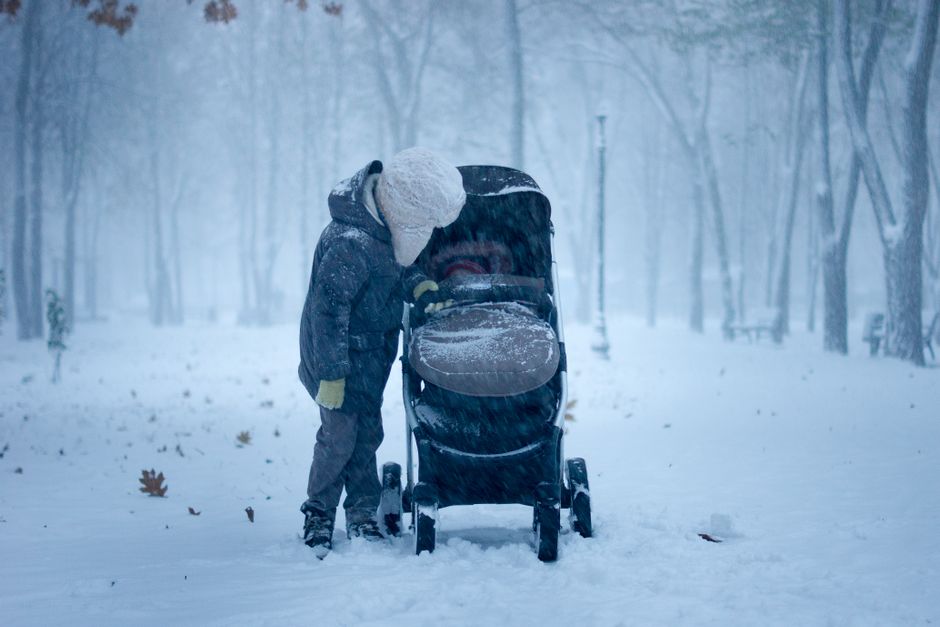
Temperature-based dressing is one of the most effective ways to eliminate uncertainty. The chart below helps you decide how many layers your baby needs based on outdoor conditions.
| Temperature Range | Recommended Layering | Notes |
| 0°C – 5°C | Thermal base + fleece middle + insulated outerwear | Full winter protection required |
| 5°C – 10°C | Long sleeve base + light jacket | Adjust for indoor transitions |
| 10°C – 15°C | Light layers only | Avoid overheating indoors |
| 15°C – 20°C | Single breathable layer | Focus on comfort, not insulation |
0°C to 5°C: Extreme Cold Layering Setup
At freezing temperatures, insulation becomes the priority. A thermal base layer, fleece or wool middle layer, and a padded outer jacket are essential. Accessories like hats and mittens are non-negotiable because babies lose significant heat through the head and extremities.
5°C to 10°C: Cold Weather Daily Wear Guide
This range requires flexibility. Outdoor layers should be warm but removable. Indoor environments are often heated, so overheating becomes a real risk when layers are not adjusted.
10°C to 15°C: Light Winter Layering
At this range, a single insulating layer over a breathable base is usually sufficient. Parents should focus more on wind protection than insulation.
15°C to 20°C: Transitional Weather Dressing
This is the most deceptive range because it feels mild but can still cause overheating when over-layered. Lightweight cotton clothing is typically enough.
Indoor vs Outdoor Winter Layering for Babies

One of the biggest mistakes parents make is dressing babies for outdoor conditions and forgetting to adjust once indoors. Heating systems can quickly raise ambient temperature, making heavy layering unsafe.
How to Adjust Layers When Moving Indoors
As soon as you enter a warm environment, remove outer layers like jackets, hats, and blankets. Keeping base layers breathable helps prevent heat buildup and sweating, which can later lead to chills when returning outside.
Outdoor Protection Strategy for Wind and Snow
Wind protection is often more important than thickness. A stroller cover, wind-resistant jacket, and insulated hat combination is usually more effective than simply adding more clothing layers.
Newborn vs Toddler Winter Clothing Differences
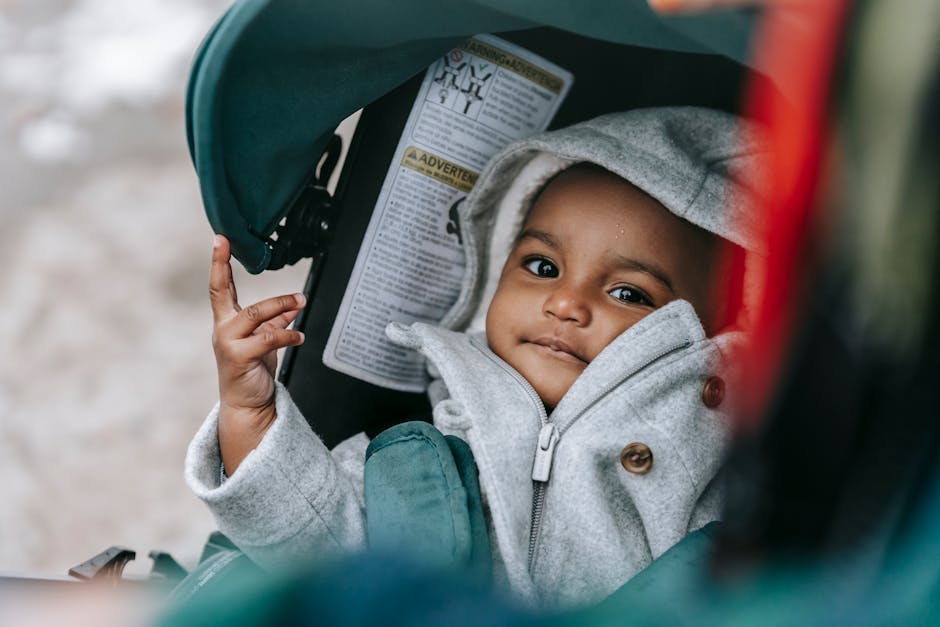
Age matters significantly in winter layering strategy. Newborns are more passive and require stable warmth, while toddlers are active and generate more body heat.
Newborn Winter Layering Requirements
Newborns spend most of their time sleeping or being carried. They need consistent warmth but are also more vulnerable to overheating indoors. Soft, breathable fabrics and sleep-focused clothing like footed pajamas are ideal.
Toddler Winter Layering Requirements
Toddlers move constantly, meaning they generate more heat. Over-layering can quickly lead to sweating and discomfort. Clothing should allow flexibility and easy removal during play.
Best Winter Sleepwear for Babies and Toddlers

Sleep environments require extra attention because babies cannot adjust clothing while sleeping. The goal is stable warmth without loose blankets or overheating risks.
| Sleepwear Type | Benefits | Best Use |
| Footed pajamas | Full-body warmth | Mild to cold rooms |
| Sleep sacks | Safe blanket alternative | Cold winter nights |
| Thermal pajamas | Extra insulation | Very cold environments |
Sleep Sack vs Blanket: What’s Safer in Winter?
Sleep sacks are generally safer than loose blankets because they reduce the risk of suffocation and stay in place throughout the night. Blankets can shift and expose babies to cold air.
Footed Pajamas and Thermal Sleepwear Options
Footed pajamas provide all-in-one warmth, making them a reliable choice for winter nights. In colder regions, layering a sleep sack over pajamas offers additional insulation without compromising safety.
For parents seeking breathable multi-use baby covers that can also support comfort during feeding or stroller time, a versatile option like this can help in transitional indoor-outdoor settings:

Breastfeeding Cover with Privacy Shield & Breathable Comfort is a lightweight cotton option that can also function as a stroller shade or light cover during cooler outdoor walks. Its breathable structure helps avoid overheating in layered environments.
Signs Your Baby Is Too Cold in Winter

Recognizing cold stress early is essential for preventing discomfort and health risks. Babies often show subtle signs before becoming visibly distressed.
- Cold chest or back when touched
- Pale or slightly bluish skin tone
- Low activity or unusual quietness
- Persistent fussiness despite feeding
Behavioral Changes to Watch For
If a baby becomes unusually calm or lethargic in cold environments, it may indicate reduced body temperature. Crying combined with cold skin is another common signal that layers are insufficient.
Signs of Overheating from Too Many Layers
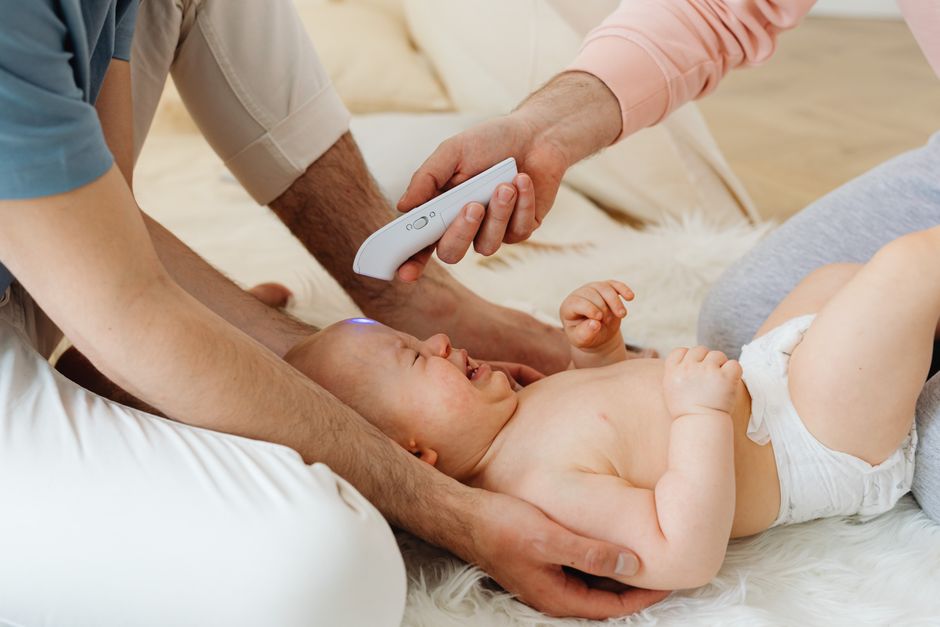
Overheating is often more dangerous than mild cold exposure. Babies cannot easily release excess heat, especially when bundled or indoors.
- Flushed or red skin
- Sweating, especially on the neck or back
- Rapid breathing
- Restlessness or irritability
How to Check Baby Temperature Without a Thermometer
The safest method is to touch the back of the neck or upper back. If the skin feels hot or sweaty, the baby likely has too many layers. Hands and feet are not reliable indicators of temperature.
Activity-Based Layering: Sleep, Play, and Stroller Outings

Layering should always reflect activity level. A baby sleeping indoors requires a very different setup than one playing outside or riding in a stroller.
Stroller Walk Layering Strategy
Stroller environments can trap heat or expose babies to wind depending on conditions. A wind-resistant outer layer combined with breathable base clothing is ideal. Avoid excessive blankets inside covered strollers.
Indoor Play Layer Adjustments
Indoor play increases body heat rapidly. Lightweight clothing allows toddlers to move freely without sweating or overheating.
Winter Skin Protection and Comfort Care

Cold air and indoor heating both contribute to dry skin in babies. Moisture balance becomes an important part of winter care.
- Use gentle, fragrance-free moisturizers
- Maintain moderate indoor humidity
- Choose soft cotton fabrics to reduce irritation
Cold Weather Safety and Hypothermia Prevention

Hypothermia in infants is rare but serious. It typically occurs when babies are exposed to prolonged cold without adequate protection.
Prevention focuses on consistent layering, avoiding damp clothing, and limiting prolonged outdoor exposure in extreme conditions.
Common Winter Layering Mistakes Parents Make

Even experienced parents often make predictable layering errors during winter months.
- Overdressing babies indoors due to outdoor fear
- Ignoring rapid temperature changes between environments
- Relying on hands and feet to judge warmth
Recommended Winter Baby Clothing Essentials

Building a reliable winter wardrobe is about versatility rather than volume. Focus on pieces that can be layered and adjusted easily throughout the day.
Explore more in our Baby Care Essentials collection for everyday winter basics that support safe temperature regulation.
For parents preparing for full seasonal transitions, the Health & Safety collection includes practical tools for monitoring comfort and wellbeing during cold weather.
Many families also rely on items from the Sleep & Comfort collection to ensure safe nighttime temperature balance without heavy blankets.
Outdoor readiness improves significantly when combined with items from the Mobility & Training collection, especially for toddlers who spend more time moving in cold conditions.
Parents looking for seasonal protection solutions often browse the Temperature Tools collection to better understand and monitor environmental changes.
Comparison Matrix: Layering by Temperature and Activity
| Scenario | Base Layer | Middle Layer | Outer Layer | Key Risk |
| 0°C outdoor walk | Thermal cotton | Fleece | Padded jacket | Overheating indoors after return |
| 10°C stroller ride | Light cotton | Thin sweater | Wind cover | Wind exposure |
| Indoor heated room | Breathable cotton | None/light layer | None | Overheating |
FAQ
How should I layer clothes for a baby in winter based on temperature?
Use a three-layer system and adjust based on temperature ranges. Add insulation in freezing conditions and reduce layers in mild weather.
What are the signs a baby is too cold during winter?
Cold chest, pale skin, and reduced activity are common indicators of cold stress in babies.
How can I tell if my baby is overheating from too many layers?
Check the neck or back for sweat, flushed skin, or rapid breathing as key warning signs.
What is the best winter sleepwear for babies and toddlers?
Sleep sacks and footed pajamas are the safest and most effective options for maintaining stable warmth during sleep.
How should I dress a newborn versus a toddler for cold weather outings?
Newborns require stable insulation and minimal temperature fluctuation, while toddlers need flexible layers that adapt to movement and activity.
Conclusion
Winter layering for babies is not about adding more clothing—it is about applying the right system at the right temperature. A structured approach based on layering principles, environmental awareness, and activity level ensures both safety and comfort. By adjusting clothing throughout the day and recognizing early signs of discomfort, parents can confidently manage winter conditions without stress or uncertainty.
Consistent attention to temperature, breathability, and adaptability creates a reliable framework that works across all winter scenarios, from stroller walks to nighttime sleep.
Pillar Article: How to Dress Baby for Winter: Complete Seasonal Clothing & Weather Safety Guide





