

How To Organize Baby Feeding Supplies For Home, Daycare, And Travel
Baby feeding supplies have a way of spreading into every corner of the house. Bottles pile up beside the sink, formula scoops disappear during late-night feedings, daycare prep feels rushed, and diaper bags somehow become overloaded after a single outing. For many parents, the problem is not owning too little baby gear — it is managing too many small feeding essentials without a system.
A well-organized feeding setup reduces stress, improves hygiene, and saves valuable time during busy mornings and nighttime routines. Whether you live in a spacious home or a small apartment, creating efficient feeding stations and travel-ready systems can make daily parenting significantly easier.
Parents looking for streamlined organization ideas often combine solutions from the Feeding & Nursing collection with compact storage systems found in Baby Care Essentials. These categories help simplify nursery setups without creating unnecessary clutter.
Why Baby Feeding Supplies Become So Difficult To Manage

Baby feeding products are small, frequently used, and constantly rotating. Unlike larger nursery furniture, feeding items move between the kitchen, nursery, diaper bag, daycare, and car throughout the day. Without a workflow-based organization system, clutter builds quickly.
The Most Common Feeding Supply Clutter Problems Parents Face
Most parents struggle with the same recurring organization problems:
- Missing bottle nipples or caps during feedings
- Overflowing kitchen counters filled with drying bottles
- Formula containers taking up excessive pantry space
- Diaper bags overloaded with duplicate feeding supplies
- Difficulty separating clean versus used feeding items
- Nighttime feeding stations lacking essentials
- Travel feeding supplies becoming disorganized in transit
- Daycare preparation causing rushed mornings
These issues become even more noticeable in apartments or homes with limited storage space. Parents often compensate by buying additional organizers, but too many containers can actually create more confusion.
Why Traditional Nursery Organization Systems Often Fail
Many nursery organization systems focus only on appearance rather than functionality. Decorative bins and matching baskets may look tidy initially, but they often fail during real daily feeding routines.
The biggest issue is accessibility. If parents must open multiple containers during a feeding session, the system eventually breaks down. Effective baby feeding organization prioritizes convenience first and aesthetics second.
Another common mistake is storing feeding supplies too far from where they are actually used. Bottles belong near cleaning stations and feeding chairs, not simply wherever shelving space exists.
How Workflow-Based Organization Saves Time During Feedings
The best organization systems follow a feeding workflow:
- Storage
- Preparation
- Feeding
- Cleaning
- Drying
- Restocking
Instead of organizing by product type alone, organize by usage sequence. Keep formula near bottles, place burp cloths beside feeding chairs, and store sanitizing tools close to the sink.
Many parents also create mini feeding zones throughout the house. A small nighttime station in the nursery reduces unnecessary walking during overnight feedings, while a compact travel kit keeps outings manageable.
Additional feeding workflow ideas can often be found inside the Feeding & Nursing Tips resource center.
How To Create An Efficient Baby Feeding Station At Home

A dedicated feeding station prevents supplies from spreading throughout the home. The goal is to create a central area where every feeding essential is visible, accessible, and easy to sanitize.
Essential Items Every Baby Feeding Station Should Include
A practical baby feeding station should contain:
- Clean bottles and nipples
- Formula or breast milk storage supplies
- Bottle brushes and cleaning tools
- Burp cloths and bibs
- Bottle drying rack
- Sanitizing wipes
- Nightlight for overnight feedings
- Portable feeding basket for mobility
- Formula dispenser for pre-measured portions
Many parents simplify setup by storing only one day’s worth of feeding supplies at the station while keeping backup inventory elsewhere.
Best Placement Strategies For Bottles, Formula, And Accessories
Position frequently used items between waist and shoulder height to reduce bending during repetitive feeding routines. Formula should remain away from direct heat and moisture, while clean bottles should stay elevated from kitchen splash zones.
One of the most effective methods is dividing supplies into “grab zones”:
- Upper shelf: clean bottles and formula
- Middle shelf: daily feeding tools
- Lower shelf: backup inventory and bulk storage
Rolling carts also work well because they can move between the nursery and kitchen depending on the time of day.
How To Use Stackable Storage Bins Without Creating More Clutter
Stackable bins work best when parents avoid over-categorizing. Instead of creating separate bins for every accessory, group items by routine.
For example:
- Morning feeding supplies
- Nighttime feeding essentials
- Travel feeding kit
- Bottle cleaning tools
Transparent bins improve visibility and reduce forgotten inventory. Labeling shelves instead of individual containers also keeps systems flexible as feeding needs change.
Recommended Nursery Organizer Layout Templates
Parents living in small homes often succeed with one of these feeding station layouts:
| Layout Type | Best For | Main Advantage |
| Rolling Cart Setup | Apartments | Portable and flexible |
| Vertical Shelf System | Small nurseries | Maximizes wall space |
| Drawer Divider Station | Minimalist homes | Hidden clutter control |
| Kitchen Feeding Zone | Shared spaces | Easy bottle cleaning access |
A compact formula organizer can also simplify feeding routines when parents need pre-measured portions ready for overnight or travel use.
Baby Milk Powder Box – 5-Layer Large Capacity Organizer

The layered design helps parents separate portions for nighttime feedings, daycare prep, or travel days without carrying bulky formula containers.
Many families pair feeding stations with organization products from the Feeding Tools collection to maintain a cleaner and more efficient routine.
Safe And Hygienic Storage Rules For Baby Bottles And Feeding Accessories
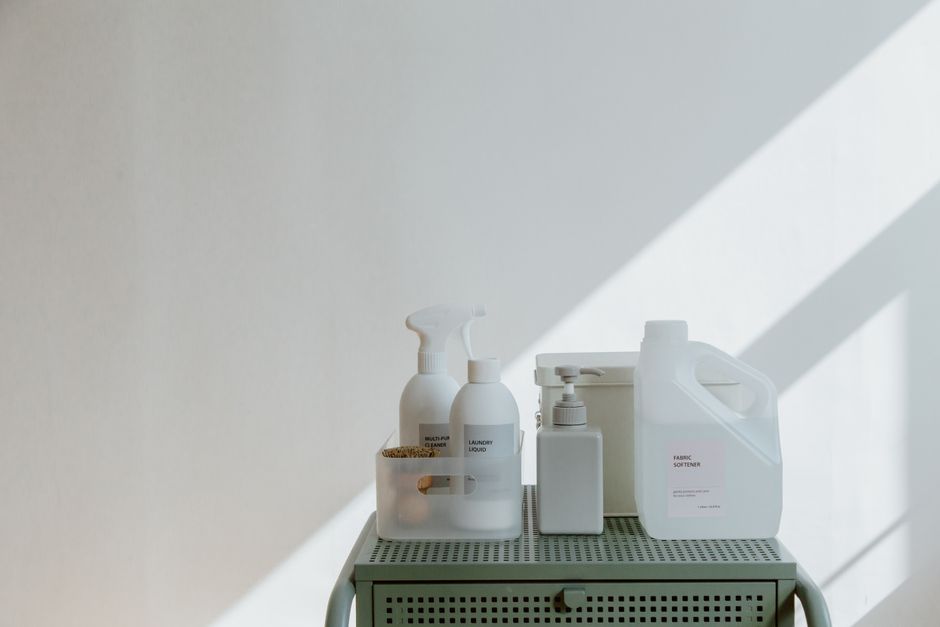
Organization should never compromise safety. Feeding supplies require careful storage practices to prevent contamination, mold growth, and bacteria buildup.
How To Store Baby Bottles Safely After Cleaning
After washing, bottles should air dry completely before being placed into enclosed storage bins. Storing bottles while still damp creates moisture buildup that encourages bacteria growth.
Parents should also:
- Store bottle nipples separately from drying areas
- Use covered containers only after bottles are fully dry
- Keep feeding accessories away from raw food preparation zones
- Rotate bottle inventory to avoid using older items repeatedly
The Best Baby Bottle Drying Rack Setups For Small Spaces
Countertop drying racks often overwhelm small kitchens. Compact homes benefit from vertical drying systems that maximize upward space instead of horizontal counter space.
Wall-mounted racks, foldable drying mats, and collapsible bottle organizers are especially useful for apartment living.
Parents exploring compact hygiene systems often browse the Sterilization Devices and Baby Hygiene Gadgets collections for additional space-saving ideas.
Common Hygiene Mistakes Parents Make With Feeding Supplies
Some of the most common feeding organization mistakes include:
- Using overcrowded drying racks
- Mixing clean and dirty bottle parts
- Leaving prepared formula unrefrigerated too long
- Not sanitizing storage bins regularly
- Using damaged bottles with scratches or cracks
- Overfilling diaper bags with loose feeding accessories
Small habits matter. Even a simple dedicated “used bottle” bin can dramatically improve hygiene routines.
How Often Feeding Organizers And Storage Containers Should Be Sanitized
Any container touching feeding supplies should be sanitized weekly. Travel feeding kits may require more frequent cleaning because they encounter public surfaces and temperature changes.
Parents should prioritize cleaning:
- Formula dispensers
- Storage bins
- Drying racks
- Bottle brushes
- Portable coolers
- Travel bottle bags
Helpful hygiene checklists are often available through the Health & Safety Tips section.
“The best feeding organization systems reduce both physical clutter and decision fatigue. Parents should aim for fewer, smarter storage zones rather than dozens of containers.”
How To Organize Baby Feeding Supplies In A Small Apartment
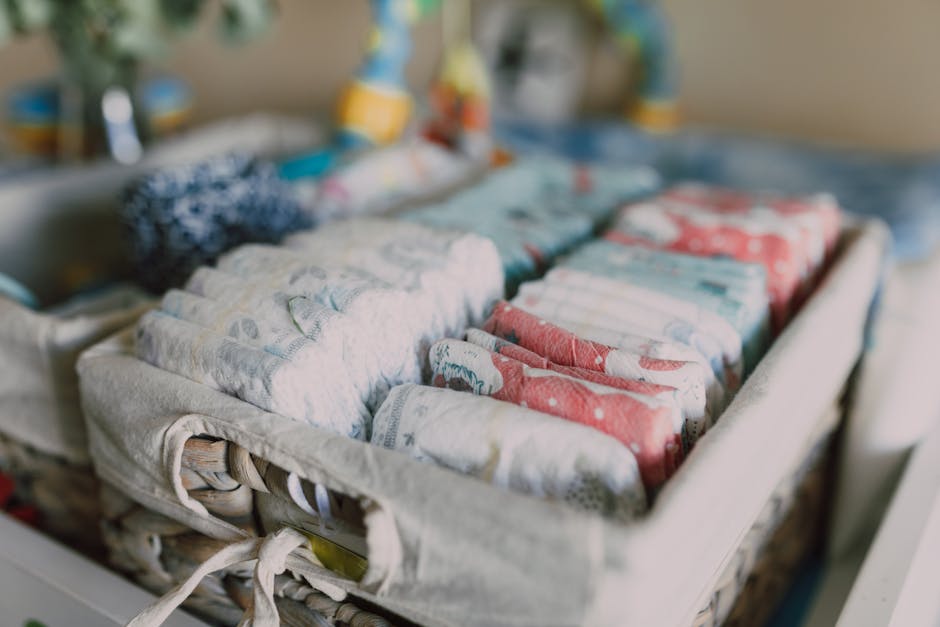
Apartment living forces parents to become intentional about storage. Every shelf, drawer, and cabinet needs to serve multiple purposes without creating visual clutter.
Space-Saving Nursery Storage Ideas That Actually Work
Some of the most effective apartment-friendly feeding organization ideas include:
- Over-the-door organizers
- Vertical shelving systems
- Under-crib storage containers
- Collapsible feeding bins
- Drawer dividers for bottle parts
- Rolling utility carts
The key is avoiding oversized nursery furniture that consumes valuable floor space.
Compact Baby Essentials Parents Use Daily
Minimalist parenting does not mean sacrificing convenience. It means focusing on high-frequency essentials while removing duplicate or low-use items.
Compact feeding essentials typically include:
- Multi-purpose bibs
- Portable formula dispensers
- Foldable drying mats
- Stackable bottle storage bins
- Travel-friendly wipe organizers
Families creating minimalist setups often combine nursery solutions with practical products from Mom Essentials and Sleep & Comfort.
Vertical Storage Systems For Feeding Supplies
Vertical organization is one of the easiest ways to reduce countertop clutter. Floating shelves above changing tables or feeding chairs can store:
- Extra formula
- Burp cloths
- Bottle brushes
- Backup bottles
- Travel feeding kits
Magnetic organizers attached to refrigerators can also hold small accessories without consuming drawer space.
Minimalist Feeding Station Examples For Small Homes
Minimalist feeding stations usually follow three principles:
- Only daily essentials remain visible
- Backup inventory stays hidden
- Every item has one designated location
Parents should periodically remove unused feeding accessories to prevent overcrowding. Babies outgrow supplies quickly, and outdated gear often becomes hidden clutter.
Apartment-focused organization ideas are also commonly featured in the Mom Essentials Guide.
4-Grid Baby Milk Powder Container – Portable Snack Storage

The compact size works particularly well for apartment kitchens or diaper bags where larger formula containers create unnecessary bulk.
The Best Way To Organize Baby Feeding Supplies For Daycare

Daycare feeding prep requires speed, consistency, and clear labeling systems. Parents often save the most time by preparing supplies the night before.
How To Prep Bottles And Formula Efficiently For Daycare
Create a dedicated daycare preparation zone with:
- Pre-labeled bottles
- Measured formula portions
- Insulated bottle bag
- Backup bibs and burp cloths
- Daily feeding checklist
Keeping daycare supplies separate from home feeding supplies prevents accidental mix-ups during rushed mornings.
Why Daycare Bottle Labels Matter For Organization And Safety
Labels reduce confusion for caregivers and improve safety. Include:
- Baby’s name
- Date prepared
- Feeding time
- Formula or milk type
Waterproof labels work best because bottles frequently encounter moisture and refrigeration.
The Best Containers For Transporting Feeding Supplies
Travel-friendly containers help parents avoid spills and overpacking. Compact stackable formula organizers simplify transport because they separate portions while reducing bulky packaging.
Insulated bags with dedicated bottle compartments also improve organization and temperature control during commuting.
| Container Type | Best Use | Main Benefit |
| Stackable Formula Container | Daycare prep | Pre-measured portions |
| Insulated Bottle Bag | Transporting milk | Temperature control |
| Divider Storage Tote | Full feeding kits | Easy organization |
| Collapsible Bin | Backup supplies | Flexible storage |
Simple Daily Reset Systems For Busy Parents
The easiest way to prevent feeding clutter is maintaining a five-minute nightly reset routine:
- Wash bottles
- Refill formula organizer
- Restock burp cloths
- Pack daycare bag
- Wipe feeding station surfaces
Small daily resets prevent large weekend cleanup sessions.
Travel Organization Systems For Bottles, Formula, And Feeding Accessories

Traveling with babies becomes much easier when feeding supplies are organized by function instead of packed randomly into diaper bags.
What To Pack In A Travel Feeding Kit
A practical travel feeding kit usually includes:
- Pre-measured formula
- Portable bottle warmer
- Two to three clean bottles
- Bottle wipes
- Bib and burp cloth
- Disposable storage bags
- Insulated bottle carrier
- Compact sanitizing supplies
Parents often overpack because they prepare for every possible scenario. A minimalist packing approach usually works better.
The Best Formula Dispenser Options For Travel
The best travel formula dispensers are compact, leak-resistant, and easy to clean. Multi-layer containers help parents separate portions for several feedings while reducing the need to carry a full-size formula tub.
Travel-friendly feeding setups often work best when combined with accessories from the Bottle Warmers and Smart Baby Gadgets collections.
Portable Bottle Warmers And On-The-Go Feeding Systems
Portable bottle warmers are especially useful during road trips, airport layovers, and daycare pickup routines.
When building a mobile feeding system:
- Keep warming devices separate from clean bottles
- Store sanitizing wipes in an outer compartment
- Use waterproof pouches for used bottle parts
- Avoid overfilling diaper bags
Compartment-based packing prevents frustration when parents need quick access during public outings.
How To Prevent Overpacking While Traveling With A Baby
Overpacking usually happens because parents carry duplicate items “just in case.” Instead, focus on essentials based on trip duration.
For short outings:
- Two bottles
- One formula dispenser
- One bib
- Travel wipes
- Portable warmer if needed
For longer travel days, rotate supplies instead of carrying excessive backups.
Families traveling frequently often benefit from exploring the travel accessories collection equivalent feeding gear categories and compact nursery tools available through specialized feeding organization collections.
How Parents Simplify Baby Gear Clutter Without Losing Essentials

Decluttering baby feeding supplies is not about owning fewer things at all costs. It is about removing unnecessary duplication while keeping high-value essentials accessible.
The Keep, Store, Donate Method For Baby Feeding Gear
Parents can reduce clutter by sorting feeding items into three categories:
- Keep: daily-use essentials
- Store: age-dependent backup items
- Donate: unused or duplicate supplies
This method prevents overcrowded drawers and improves visibility during feeding routines.
How To Rotate Feeding Supplies By Baby Age
Feeding needs change rapidly during the first year. Rotating supplies seasonally helps maintain organization.
Examples include:
- Removing newborn bottle sizes no longer needed
- Transitioning from formula tools to snack containers
- Reducing nighttime feeding stations after sleep changes
- Replacing infant bibs with toddler-friendly options
Creating Weekly Reset Routines That Prevent Clutter
A simple weekly feeding reset may include:
- Sanitizing organizers
- Discarding expired formula
- Reorganizing diaper bag supplies
- Removing damaged bottle parts
- Refolding burp cloth storage
Consistent maintenance keeps small messes from becoming overwhelming.
Multi-Purpose Organizers That Reduce Nursery Chaos
The best nursery organizers adapt over time. Foldable storage bins, drawer dividers, and modular baskets can transition from newborn feeding supplies to toddler snacks and sensory toy storage.
Parents organizing larger nursery systems sometimes integrate storage ideas from the Baby Growth & Learning collection as children grow into new developmental stages.
Additional maintenance and decluttering guidance can also be found inside the Baby Care Tips & Advice resource hub.
Complete Baby Feeding Organization Checklist

A repeatable checklist helps parents maintain organization systems long after the nursery is initially set up.
Home Feeding Station Checklist
- Clean bottles organized by size
- Formula stored in dry location
- Burp cloth basket accessible
- Nightlight near feeding chair
- Drying rack cleaned regularly
- Backup supplies stored separately
- Portable feeding basket stocked
Daycare Feeding Prep Checklist
- Pre-labeled bottles
- Measured formula portions
- Insulated transport bag
- Extra bib and burp cloth
- Daily feeding instructions
- Sanitizing wipes packed
Travel Feeding Kit Checklist
- Portable formula dispenser
- Travel bottle warmer
- Compact bottle brush
- Two clean bottles
- Disposable storage bags
- Portable sanitizing wipes
- Waterproof pouch for used items
Parents building long-term organization systems often benefit from combining feeding checklists with wellness and hygiene solutions available through the Health & Safety collection.
Frequently Asked Questions
How do you organize baby feeding supplies in a small apartment?
Use vertical shelving, rolling carts, drawer dividers, and compact feeding stations. Keep only daily-use essentials visible while storing backup inventory elsewhere.
What is the best baby formula dispenser for travel?
The best travel dispensers are compact, leak-resistant, and easy to clean. Multi-compartment containers work especially well because they separate measured portions for multiple feedings.
How should baby bottles and feeding accessories be stored safely?
Bottles should air dry completely before storage. Keep clean and used feeding supplies separate, sanitize organizers regularly, and avoid storing damp bottles in enclosed containers.
What are the best baby product organizers for a nursery feeding station?
Rolling carts, stackable bins, drawer dividers, and compact shelving systems are among the most effective nursery feeding organizers.
How do parents simplify baby gear clutter without losing essentials?
Using the keep, store, donate method helps parents reduce duplicates while maintaining access to important feeding supplies.
How often should baby feeding supplies be sanitized?
Feeding organizers, drying racks, and formula containers should typically be sanitized weekly or more often if used during travel.
What should be included in a travel feeding kit for babies?
A travel feeding kit should include bottles, pre-measured formula, sanitizing wipes, bibs, a portable warmer, and waterproof storage bags.
How do you organize bottles and formula for daycare?
Prepare bottles and formula portions the night before, label everything clearly, and keep daycare supplies separated from home feeding inventory.
What is the best way to organize a nighttime feeding station?
Store only overnight essentials nearby, including bottles, formula, burp cloths, wipes, and a dim nightlight for easier late-night feeding routines.
How can parents reduce nursery clutter in small spaces?
Focus on multi-purpose storage systems, remove duplicate gear, and prioritize vertical organization solutions that maximize wall space.
Conclusion
Efficient baby feeding organization is less about buying more products and more about building smarter systems. A well-planned feeding station, compact travel kit, and consistent daily reset routine can dramatically reduce stress while improving hygiene and convenience.
Whether parents live in a large home or a small apartment, the most effective organization systems focus on accessibility, simplicity, and workflow efficiency. By creating designated feeding zones, rotating supplies regularly, and using compact storage solutions intentionally, families can keep feeding routines manageable without overwhelming their space.
Parents looking to simplify nursery organization even further can explore practical feeding systems, hygiene tools, and compact parenting solutions throughout the Feeding & Nursing and Baby Care Essentials collections.
Pillar Article: Best Baby Gear for New Parents: Minimalist, Travel-Friendly & Space-Saving Essentials





