

How to Prevent Diaper Rash: A Complete Evidence-Based Guide for Healthy Baby Skin
Diaper rash is one of the most common skin concerns in infancy, and while it is usually mild, it can cause significant discomfort for babies and stress for parents. The good news is that most cases are preventable with consistent diapering habits, gentle skin care, and a clear understanding of what triggers irritation.
This guide explains how to prevent diaper rash through a complete daily care system—not just treatment after it appears. You’ll learn how to reduce risk factors, build a safe diaper-changing routine, choose skin-friendly products, and support long-term skin health from newborn to toddler stages.
What Causes Diaper Rash in Babies?

Diaper rash is typically caused by prolonged exposure to moisture, friction, and irritants in the diaper area. Understanding these triggers is the first step in prevention.
Primary Causes of Diaper Rash
- Prolonged moisture: Urine and stool trapped against the skin soften and weaken the skin barrier.
- Irritation from friction: Tight diapers or constant rubbing can damage sensitive skin.
- Chemical sensitivity: Some wipes, detergents, or diaper materials may trigger reactions.
- Yeast or bacterial overgrowth: Warm, moist environments can encourage microbial imbalance.
- Infrequent diaper changes: Extended exposure increases risk significantly.
According to pediatric skin health guidelines, maintaining a dry, clean environment is the most effective prevention strategy. This makes diaper-changing frequency and technique critical in everyday care.
Core Diaper Rash Prevention Framework

Preventing diaper rash requires a consistent system rather than isolated actions. The following framework focuses on three pillars: dryness, protection, and skin barrier support.
1. Keep Skin Dry at All Times
Moisture control is the most important factor. Change diapers regularly and ensure skin is fully dry before putting on a new diaper.
2. Protect the Skin Barrier
Use barrier creams or protective ointments when needed, especially overnight or during teething or illness when stool frequency increases.
3. Reduce Irritation Sources
Choose fragrance-free wipes, breathable diapers, and soft materials that minimize friction and chemical exposure.
How Often Should You Change Diapers?

Frequency plays a major role in preventing diaper rash. Newborn skin is especially sensitive, requiring more frequent changes than older infants.
| Age Group | Recommended Frequency | Notes |
| 0–3 months | Every 2–3 hours | Newborns urinate frequently and have delicate skin |
| 3–6 months | Every 3–4 hours | Skin becomes slightly more resilient |
| 6+ months | Every 4–6 hours | Adjust based on activity and diet |
Nighttime changes depend on severity and sensitivity. If the baby is prone to rashes, a quick change during nighttime feeding may help maintain skin health.
Step-by-Step Diaper Change Routine for Rash Prevention

A proper diaper-changing routine reduces exposure to irritants and keeps the skin clean and protected. Consistency matters more than complexity.
Step 1: Prepare a Clean Environment
Always wash your hands and prepare all supplies before starting. A clean surface reduces contamination risk.
Step 2: Remove the Dirty Diaper Carefully
Lift the baby gently, fold the diaper inward, and avoid spreading stool onto the skin.
Step 3: Clean Thoroughly but Gently
Use soft wipes or warm water. Always wipe front to back to reduce infection risk.
Step 4: Allow Skin to Fully Dry
Air drying for a few seconds helps prevent moisture buildup, one of the biggest causes of rash.
Step 5: Apply Barrier Protection
If needed, apply a thin layer of protective cream before putting on a fresh diaper.
Step 6: Secure a Proper Fit
The diaper should be snug but not tight. Gaps or tightness can both contribute to irritation.
Choosing the Right Diapers for Sensitive Skin

The type of diaper you choose directly affects skin health. Babies with sensitive skin benefit from breathable materials and high absorbency.
| Type | Pros | Cons | Best For |
| Disposable diapers | Highly absorbent, convenient, moisture-locking | May contain fragrances or chemicals | Nighttime, travel, busy parents |
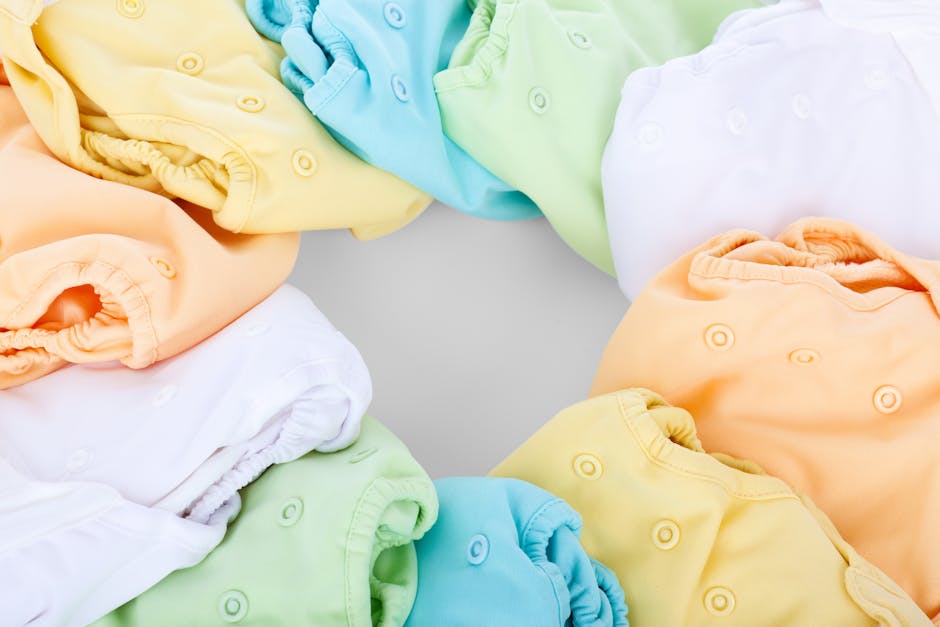
| Cloth diapers | Eco-friendly, breathable, reusable | Require frequent washing | Home use, eco-conscious families |
For more baby care insights and routines, explore our Baby Care Essentials collection or discover practical everyday tools in our Health & Safety collection.
Sensitive Skin Care and Bath Hygiene

Bathing plays an important role in preventing diaper rash. Gentle cleansing removes irritants while maintaining the natural skin barrier.
Using soft, non-abrasive cleaning tools helps reduce friction, especially for newborns with eczema-prone or highly sensitive skin.
Gentle Bathing Support for Skin Protection
One effective way to support sensitive skin care is using ultra-soft bathing accessories that reduce irritation during cleaning.

Baby Bath Sponge is designed with soft cotton material that gently cleans delicate skin without causing irritation. It helps reduce friction during bathing, making it ideal for babies prone to diaper rash or eczema.
“Consistent gentle cleansing combined with moisture control is one of the most effective strategies for preventing diaper dermatitis in infants.” — Pediatric Dermatology Advisory Insight
After bathing, always ensure skin is completely dry before diapering. Moisture left behind can quickly lead to irritation.
Travel and On-the-Go Diaper Rash Prevention
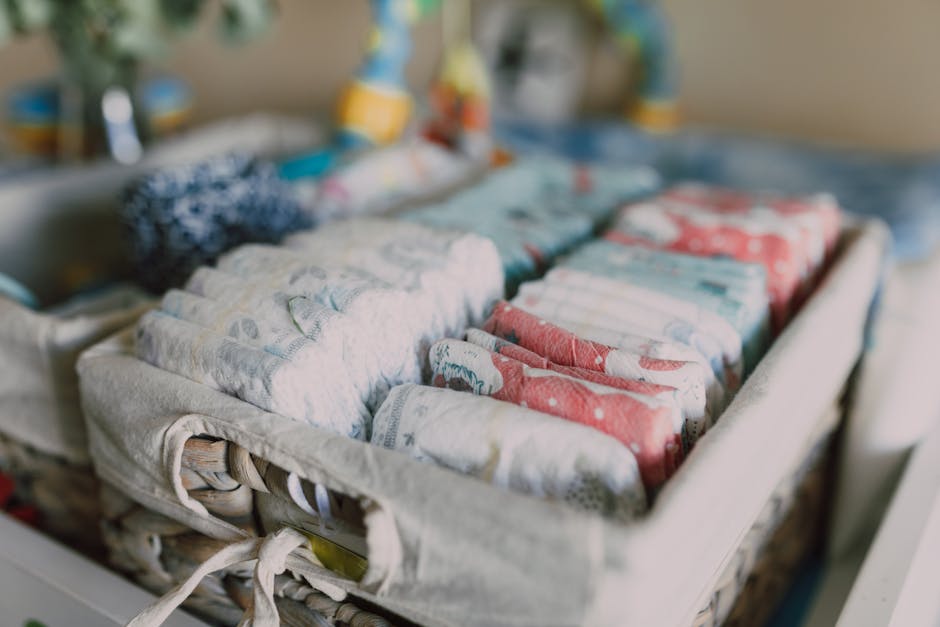
Preventing diaper rash while traveling requires extra preparation since changes may be delayed or done in less controlled environments.
Key Travel Prevention Tips
- Change diapers immediately before leaving home
- Carry extra diapers and wipes in a sealed bag
- Use a clean changing surface whenever possible
- Apply barrier cream before long trips
Having a quick-drying, cozy wrap after bath or swim time also helps maintain skin warmth and reduces moisture exposure.

Hooded Baby Bath Towel helps keep babies warm and dry after bathing or swimming, reducing prolonged moisture exposure that can contribute to diaper rash development.
For additional travel-friendly solutions, explore our Baby Bath Accessories collection and Sleep & Comfort collection for soothing essentials.
Common Diaper Rash Prevention Mistakes
- Delayed diaper changes: Waiting too long increases moisture exposure.
- Overusing wipes: Excess wiping can irritate already sensitive skin.
- Ignoring early redness: Early intervention prevents worsening.
- Using scented products: Fragrances often trigger irritation.
- Over-tightening diapers: Restricts airflow and increases friction.
Comparison: Prevention Methods and Effectiveness

| Method | Effectiveness | Ease of Use | Recommended For |
| Frequent diaper changes | Very High | Easy | All babies |
| Barrier creams | High | Easy | Sensitive skin |
| Breathable diapers | High | Easy | Newborns |
| Gentle bathing routine | Medium-High | Moderate | Eczema-prone skin |
Expert Insight
“Most diaper rash cases are preventable with consistent hygiene practices, timely diaper changes, and attention to moisture control. Parents should focus on prevention rather than treatment after symptoms appear.” — Certified Pediatric Care Specialist
FAQ: Diaper Rash Prevention
How can I prevent diaper rash in newborns?
Frequent diaper changes, gentle cleaning, and keeping skin dry are the most effective prevention methods.
Does diaper cream prevent diaper rash?
Yes, barrier creams help protect skin from moisture and friction, especially overnight or during long periods between changes.
How often should I change diapers to avoid rash?
Every 2–3 hours for newborns, and immediately after bowel movements whenever possible.
Are cloth diapers better for preventing rash?
They can be beneficial due to breathability, but require frequent changing and proper washing to avoid irritation.
When should I see a doctor?
If the rash worsens, spreads, or does not improve after a few days of care, consult a pediatrician.
Conclusion
Preventing diaper rash is not about a single product or technique—it is a consistent system of care that includes frequent diaper changes, gentle cleansing, proper skin protection, and awareness of early warning signs.
To build a complete baby care routine, explore our Baby Care Tips & Advice collection, or discover supportive essentials in our Baby Care Essentials collection and Health & Safety collection.
With the right habits in place, diaper rash becomes far less common—and your baby stays more comfortable every day.
Pillar Article: How to Start Potty Training: A Step-by-Step System to Reduce Resistance, Regression, and Accidents





